
Health
How 100 hospitals in Romania switched to pen and paper to defeat a national cyber-attack
Cutting off 100 hospitals in Romania from the internet stopped the hackers in their tracks, buying time to work out how bad the attack was.


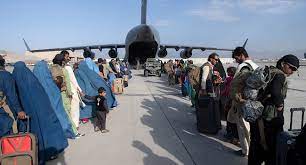
Photo: Head of Romania’s Cyber-Security Directorate Dan Cimpean (L) was in charge of co-ordinating the crisis response
One after another the calls came in from hospitals; criminals were infecting computer networks in a mass hack that was putting countless lives at risk.
At Bucharest’s national cyber-security centre (DNSC) they watched helplessly as the hackers spread across Romania through a popular piece of medical software.
Cyber-chief Dan Cimpean had a tough decision to make, but it was the only option they had.
The order went out to more than 100 hospitals. Disconnect from the internet, now.
The cyber-attack on Romania’s hospitals in February 2024 is one of the worst to target healthcare systems around the world, but these incidents are becoming increasingly common.
Healthcare is now the most targeted area of critical national infrastructure, the FBI has said recently.
Cutting off 100 hospitals in Romania from the internet stopped the hackers in their tracks, buying time to work out how bad the attack was.
But it meant no connected devices, emails or web browsers.
Medical staff had to switch to pen and paper, improvising workarounds to protect patients while IT teams scrambled and the national cyber response centre tried to find out how the hackers had got in – and how they could stop them.
Their actions over four days from 10 February 2024, and those of the doctors and nurses, have been widely praised.
How they reacted and how they coped has become a test case for disaster planners internationally, as officials look for advice on responding to a mass hospital hack.
(Credit: BBC News)

Health
214 Nigerians die of Lassa fever in 2026
The outbreak has spread across 23 states and 109 Local Government Areas since January 2026.
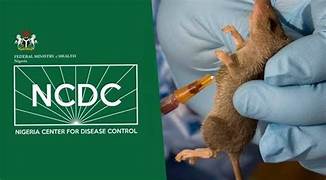
The Nigeria Centre for Disease Control and Prevention (NCDC) recorded 214 Lassa fever death between January to June this year.
The agency said that the Case Fatality Rate was climbing to 25.0 percent from 18.9 percent during the same period in 2025.
This is contained in the NCDC Lassa Fever Situation Report for Week 23 (June 1 to June 7).
Said the report: “New confirmed cases held steady in week 23, matching the count from week 22.“Infections were reported in Edo, Ondo, Bauchi and Ebonyi. No new healthcare worker infections were reported during the week.
“The outbreak has spread across 23 states and 109 Local Government Areas since January 2026,” it said.
Health
Ebola: President Tinubu approves N10bn to strengthen NCDC preparedness
This follows the rapidly expanding outbreak that has already killed at least 349 people across the Democratic Republic of Congo and Uganda, with the World Health Organisation declaring it a Public Health Emergency of International Concern.

President Bola Tinubu has approved the immediate release of N10 billion to strengthen the operational preparedness of the Nigeria Centre for Disease Control and prevention and support critical national public health emergency response activities.
The President also established a Presidential Task Force on Ebola Virus Disease Preparedness and Control.
This follows the rapidly expanding outbreak that has already killed at least 349 people across the Democratic Republic of Congo and Uganda, with the World Health Organisation declaring it a Public Health Emergency of International Concern.
A statement by the Special Adviser to the President on Information and Strategy, Bayo Onanuga, said the task force would be chaired by the Chief of Staff to the President, Femi Gbajabiamila, with membership drawn from relevant ministries, departments and agencies .
The task force was constituted following a stakeholder meeting convened by Gbajabiamila to review Nigeria’s preparedness.
It was attended by representatives from the Ministry of Interior, the Federal Airports Authority of Nigeria, the Nigeria Immigration Service, the Nigerian Civil Aviation Authority and the Lagos State Government, among others.
Health
Senate passes bill to establish Malaria Elimination Agency
The bill, sponsored by Ned Nwoko, scaled third reading on Wednesday after the Senate considered and adopted the report of its Committee on Health (Secondary and Tertiary), chaired by Ipalibo Banigo.
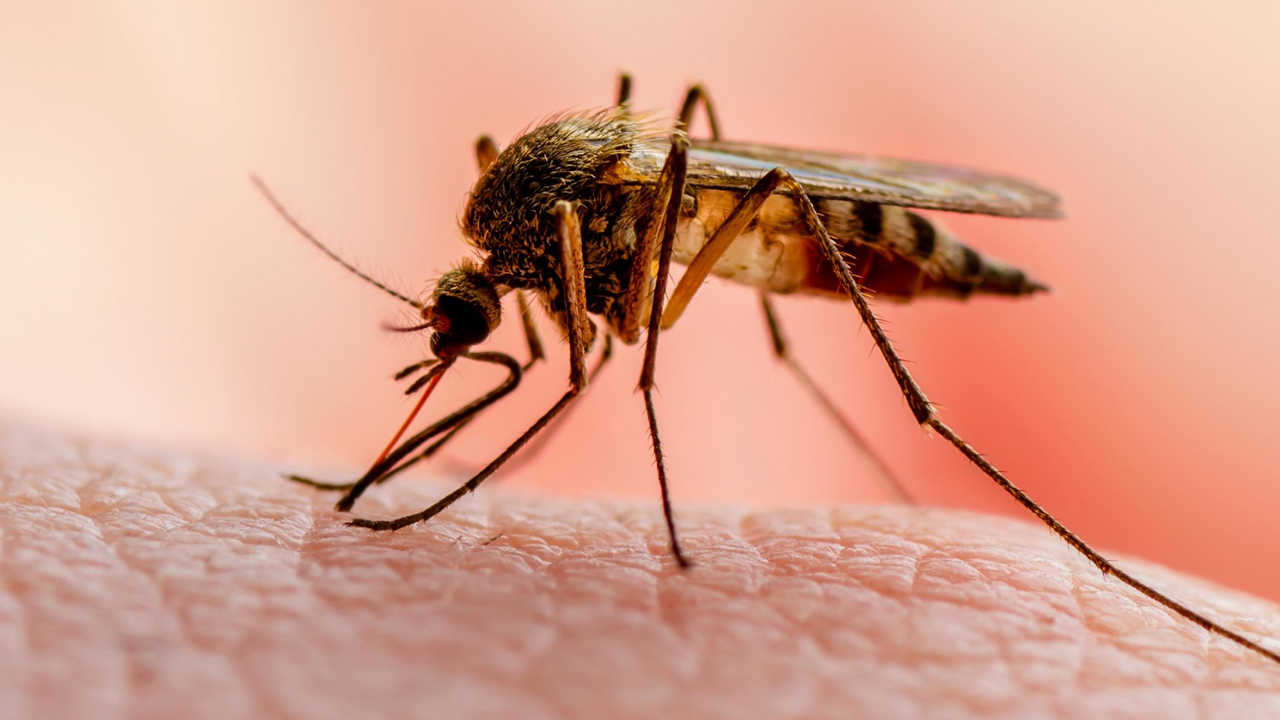
The Senate has passed a bill seeking to establish a National Agency for Malaria Elimination saddled with the responsibility of preventing, controlling and ultimately eliminating malaria in Nigeria.
The bill, sponsored by Ned Nwoko, scaled third reading on Wednesday after the Senate considered and adopted the report of its Committee on Health (Secondary and Tertiary), chaired by Ipalibo Banigo.
Presenting the report on behalf of Banigo, Sampson Ekong said the proposed agency would serve as the central body responsible for coordinating national efforts aimed at preventing, controlling and ultimately eliminating malaria in Nigeria.
The Senate said the agency seeks to mark a shift in the country’s approach to malaria management from treatment-focused interventions to preventive and elimination strategies.
“The agency, when established, will help shift the country’s approach from curative measures to prevention and eventual elimination of malaria,” it stated.
(Source: The SUN)


Afreximbank wooing Nigeria’s rising culinary stars for participation in 2026 CANEX Junior Chef Competitions

Tech giant Oracle cuts 21,000 jobs as it embraces AI

How 100 hospitals in Romania switched to pen and paper to defeat a national cyber-attack

Tech Expert, Zuckerberg trains with UFC champions, Adesanya, Alexander

Organ Trafficking: Ekweremadu bags 10 years in UK prison

SAINT OBI: Between his marriage and his death
-

 News2 days ago
LAAF Honours Sanwo-Olu, Ohi Odiai, Aproko Doctor, 39 Others For Championing Men’s Wellbeing
-

 Business1 day ago
Naira Today Rates To Foreign currencies Monday, 22 June 2026
-
 News1 day ago
JAMB Ends Degree Admissions Through Colleges of Education, Makes NCE Mandatory
-

 Business1 day ago
Nigeria Customs Service to retire 1,516 officers
-

 International1 day ago
Three killed in Philippines school shootings
-

 Sports5 hours ago
Lionel Messi becomes FIFA World Cup top goalscorer
-

 Politics2 days ago
BREAKING: INEC Declares APC’s Biodun Oyebanji Winner of 2026 Ekiti Governorship Election
-

 International1 day ago
Starmer Announces Resignation as UK Prime Minister Amid Leadership Crisis