
Business
How Real Estate Works in Northern Nigeria: Culture & Compliance by Dennis Isong

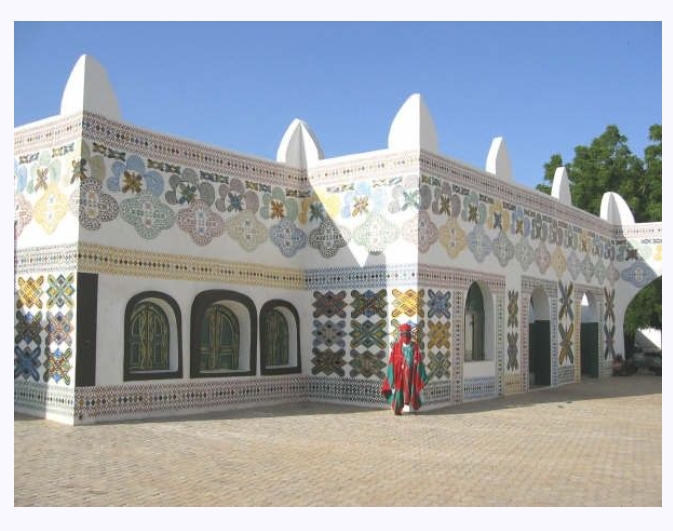
When Nigerians talk about real estate, the conversation almost always circles back to Lagos.
The fast-paced deals, skyrocketing land prices, and luxurious estates in Lekki or Banana Island dominate the headlines.
Abuja also gets its fair share of attention as the federal capital with carefully planned layouts.
But there is another part of Nigeria where property has its own heartbeat, shaped by culture, religion, and tradition—the North.
To understand How Real Estate Works in Northern Nigeria: Culture & Compliance, one must see beyond brick and mortar.
Real estate here is not just about land or houses; it is about identity, heritage, and community values. If you approach it only from the legal or commercial angle, you will miss the bigger picture.
The Cultural Lens of Real Estate in the North Northern
Nigeria, with its vast landscapes stretching from Sokoto to Maiduguri, operates under a unique cultural framework.
In cities like Kano, Kaduna, Katsina, and even the smaller towns, property is more than an economic asset—it is a family inheritance.
Families in the North often view land as something sacred, not just because it appreciates in value, but because it ties them to their ancestry.
In Hausa communities, for instance, old family homes—some hundreds of years old—are kept within bloodlines. To sell such property without consulting extended family members can cause serious conflict.
In some cases, you’ll hear of siblings taking each other to traditional courts because one person sold family land without “full blessing.”
This cultural mindset makes buying property in the North different from Lagos, where money often speaks louder than tradition.
In the North, even when a seller is eager, the wider family or community must be carried along. Sometimes, that approval carries more weight than a receipt.Compliance:
The Role of Sharia and State Laws
If you want to grasp
How Real Estate Works in Northern Nigeria: Culture & Compliance, you must understand how law and religion overlap. While Nigeria’s Land Use Act governs all states, the North adds a second layer—Sharia law, which influences property ownership, inheritance, and transactions.
Under Islamic law, land and property distribution follow specific inheritance rules. For example, male and female heirs do not receive equal portions.
A son typically gets a larger share than a daughter.
This means property passed down is already shaped by faith.When it comes to financing, conventional bank mortgages are rare.
Since Islamic law discourages interest (riba), banks and cooperatives in the North often structure financing differently.
Instead of a typical loan, buyers may enter into arrangements like:Ijara (lease): where the bank buys the property and leases it to the client until full payment is made.
Musharakah (partnership): where both parties jointly buy the property, and the client gradually pays off the bank’s share.
This makes real estate transactions slower compared to Lagos, where mortgages are straightforward but expensive.
Yet, it also makes property ownership more community-oriented and less tied to heavy interest repayments. At the same time, formal legal compliance is still essential.
In cities like Kano, Kaduna, Katsina, and even the smaller towns, property is more than an economic asset—it is a family inheritance.
Titles like Certificate of Occupancy (C of O), Governor’s Consent, and Deeds of Assignment are still required.
However, having only those documents without community and cultural alignment can be risky.
A Short Story: Musa’s Dilemma in Kaduna
Let’s bring this closer with a real-life-inspired story.
Musa, a 32-year-old engineer in Kaduna, had just saved enough to buy a piece of land.
The seller showed him a Certificate of Occupancy issued by the state government.
Excited, Musa quickly made payment, collected his papers, and began planning his house design.But his joy was short-lived. When he moved materials to the site, community leaders stopped him.
They explained that even though the land had government approval, he needed the blessing of the Ward Head and acknowledgement from the local traditional council. Until then, no builder would dare work on that land.
Musa was frustrated. He had done everything “legally right,” but in Northern Nigeria, legality is only one side of the coin. Eventually, after weeks of negotiation and presenting kola nuts and token gifts, the leaders gave their approval. It was not corruption, but custom.
To the community, it was about respect—recognizing the role of traditional custodians before starting anything permanent.
That was when Musa realized that in the North, compliance goes beyond government files.
Culture and tradition carry their own authority.
Modern Development Meets Traditional Northern Nigeria is often seen as conservative, but it is also evolving. Cities like Abuja, Kano, and Kaduna are rapidly urbanizing, with shopping malls, gated estates, and smart homes now a reality.
Yet, even with this modernization, traditional values still shape how projects succeed.
Developers have learned that ignoring culture is a mistake.
For example, in many Northern estates, houses are designed with enclosed courtyards to give women privacy—a cultural expectation in Islamic communities.
Some estates also provide prayer spaces and mosques, understanding that religion is central to daily life.
Unlike Lagos, where aesthetics and modern lifestyle dominate, Northern real estate must blend modern architecture with cultural sensitivity.
A sleek duplex without space for extended family visitors may not appeal as much as a home that accommodates communal living.
Investors who understand this balance do well. Those who ignore it, no matter how sophisticated their projects, struggle to attract buyers.
Navigating Real Estate the Smart Way
So, what does it take to succeed in Northern Nigerian real estate—whether you’re a buyer, investor, or developer?
The answer lies in blending two things: respect for the law and respect for culture.
First, secure the legal documents. Without proper titles, you risk disputes and potential repossession by the government.
Northern states still operate under the Land Use Act, and a Certificate of Occupancy or Governor’s Consent is non-negotiable.
Second, never underestimate traditional structures.
From the Ward Head to community elders, local approval can make or break your property plans.
What may look like “extra steps” is actually what keeps your investment safe from hidden disputes.
Third, understand the financing culture. Don’t walk into Northern Nigeria expecting quick mortgage approvals like in Western economies.
Instead, explore Islamic-compliant financing options, cooperative societies, or outright purchase plans.
Last, learn to respect heritage. If you’re buying family land, ensure every stakeholder agrees.
In some families, even distant cousins must consent before a sale is valid. Ignoring this could lead to years of court battles. Final Thoughts
How Real Estate Works in Northern Nigeria:
Culture & Compliance is a lesson in patience, respect, and balance. Unlike Lagos, where deals can be purely transactional, the North demands deeper understanding.
Property here is not only about financial investment but also about cultural integration.
The wise investor doesn’t see these extra layers as obstacles, but as the very fabric that makes Northern real estate unique.
By respecting both the legal framework and cultural traditions, you don’t just buy land—you buy acceptance, peace of mind, and a place within a community.
For anyone considering Northern Nigeria, remember this: documents give you ownership, but culture gives you belonging.
Without both, your real estate journey may feel incomplete.
• Dennis Isong is a TOP REALTOR IN LAGOS.
He Helps Nigerians in Diaspora to Own Property In Lagos Nigeria STRESS-FREE.
For Questions WhatsApp/Call 2348164741041
Business
Tony Elumelu’s United Capital Secures approval to operate in Ethiopia
Elumeu lauded the transformational Prime Minister of Ethiopia, His Excellency @AbiyAhmedAli , for promoting economic reforms and regional cooperation, the Director General of Ethiopian Capital Market Authority @CMAEthiopia , Ms. Hana Tehelku, and the team at @UnitedCap on this landmark achievement.

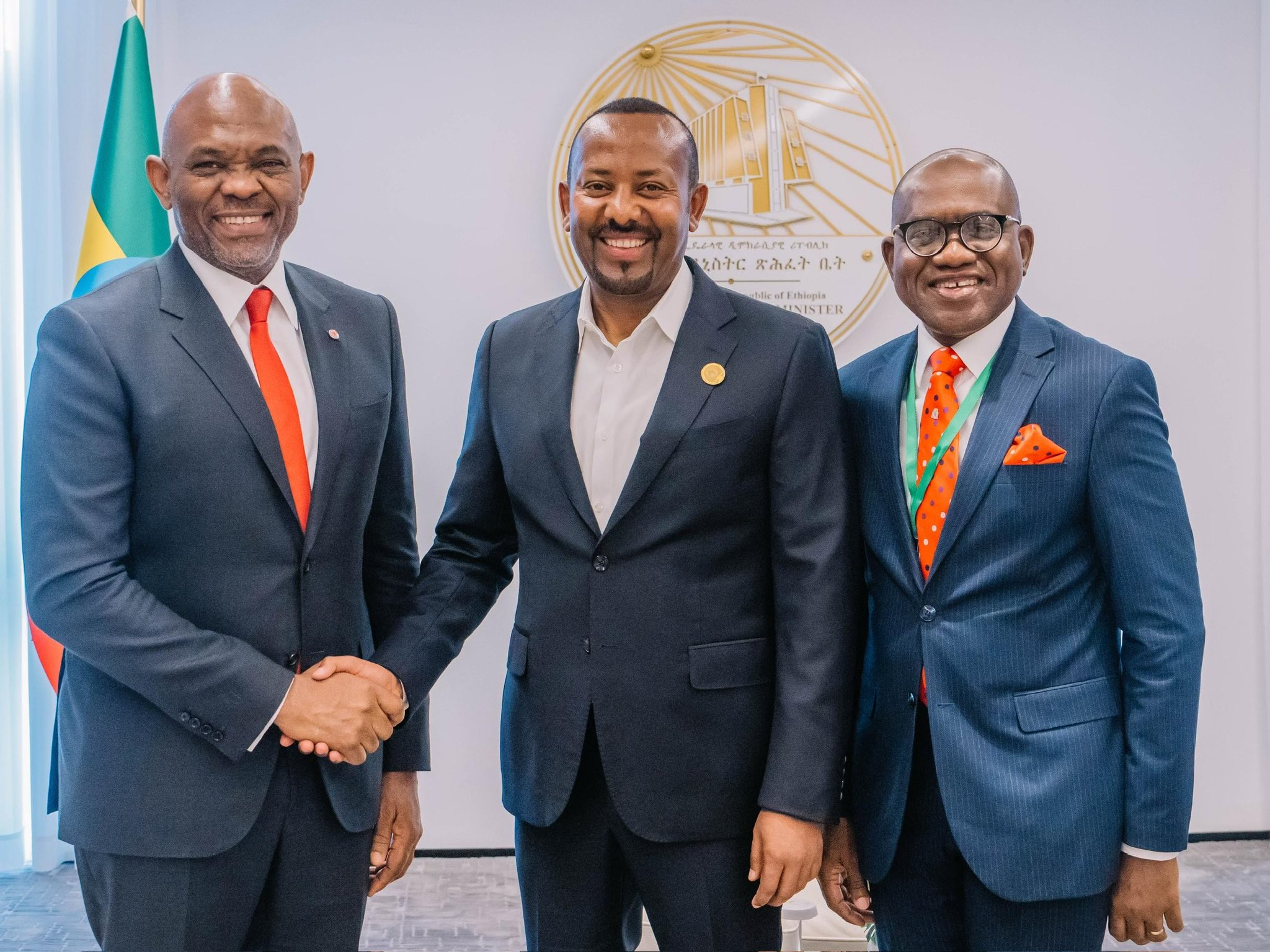
United Capital Group has again secured regulatory approvals to commence operations in Ethiopia.
Its Chairman, Tony Elumelu, broke the news on Tuesday, via his official X.
” This development is particularly noteworthy because Ethiopia only recently opened its financial sector to foreign participation, making United Capital’s entry a historic step for both the company and the ongoing integration of African capital markets,” said Elumelu.
Last month, United Capital commenced operations in Rwanda, marking its formal entry into East Africa and reinforcing its ambition to build a leading continental financial services institution.
The Group’s newly established entities include United Capital Trustees Rwanda Limited, licensed to provide trusteeship services, and United Capital Financial Services Rwanda Limited, licensed to offer investment management services, including portfolio management, investment advisory, capital mobilisation, capital market advisory, and fund management solutions.
With this development, United Capital now operates in 11 countries, including Nigeria, with a strong presence in key African markets, a recent expansion into the eight countries within the West African Economic and Monetary Union (WAEMU) region, alongside a growing footprint in East Africa.
According to Elumelu, African institutions are increasingly leading, competing, and succeeding across the continent.
For decades, Africa witnessed foreign capital flowing in while profits largely flowed out.
That narrative is beginning to change.
This is Africapitalism in action — a vision that recognizes the importance of both indigenous and international capital working together to finance Africa’s development and unlock shared prosperity.
Elumeu lauded the transformational Prime Minister of Ethiopia, His Excellency @AbiyAhmedAli , for promoting economic reforms and regional cooperation, the Director General of Ethiopian Capital Market Authority @CMAEthiopia , Ms. Hana Tehelku, and the team at @UnitedCap on this landmark achievement.
Business
Lagos developing world – class new business district —Sanwo-Olu
Sanwo-Olu said Lagos was deliberately building a globally competitive economy driven by innovation, infrastructure and private-sector participation.
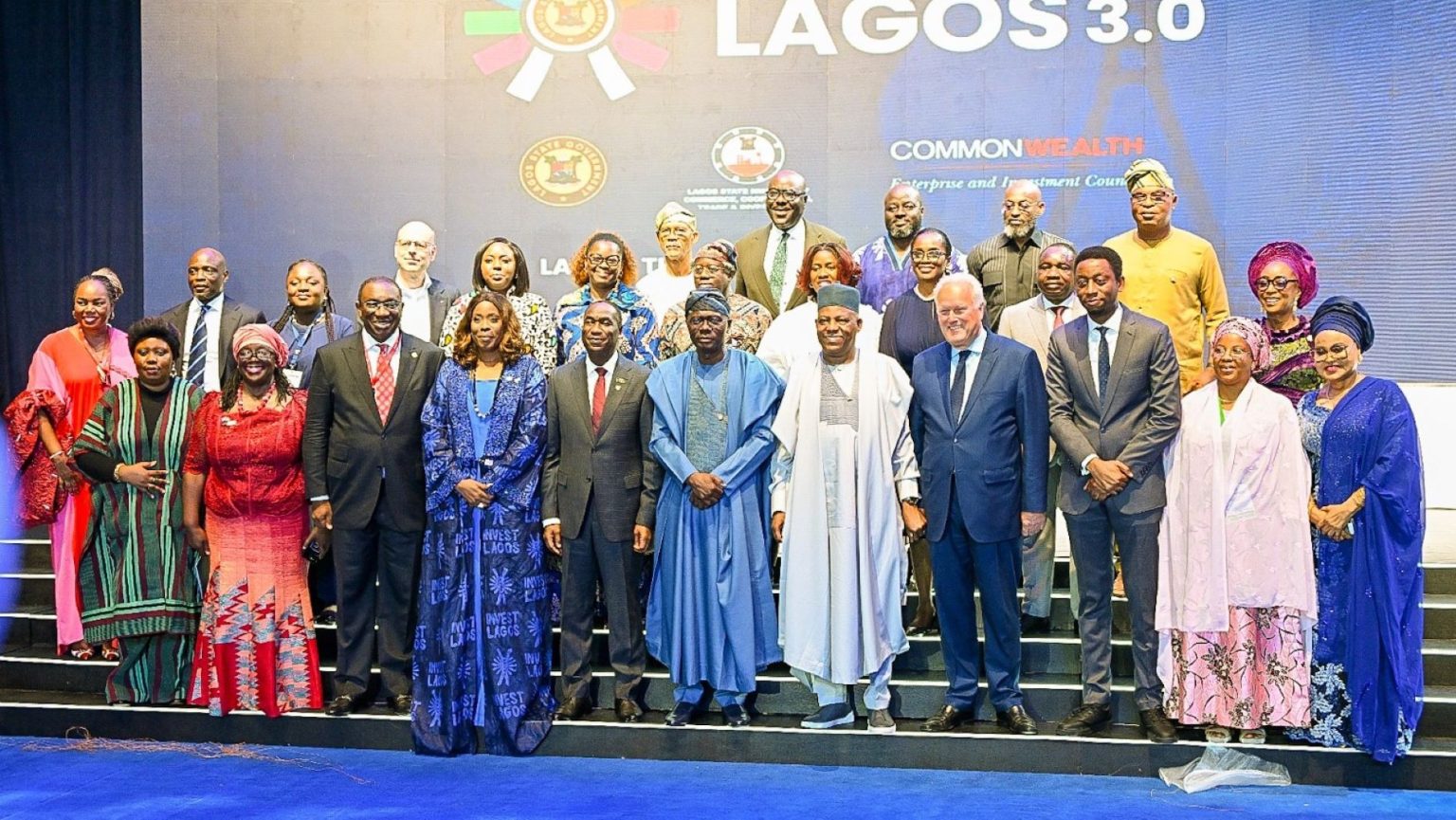
• Invest Lagos Summit 3.0: Secretary to the Lagos State Government, ‘Bimbola Salu-Hundeyin (right); Member, House of Representatives, Kafilat Ogbara; Commissioner for Innovation, Science and Technology, Tunbosun Alake; Chairman, Commonwealth Enterprise & Investment Council (CWEIC), Lord Jonathan Marland; Vice President Kashim Shettima; Governor of Lagos State, Babajide Sanwo-Olu; his Deputy, Dr. Obafemi Hamzat; Commissioner for Commerce, Cooperatives, Trade & Investment, Mrs Folashade Bada Ambrose-Medebem; Deputy Chief of Staff to the Governor, Sam Egube, Dr Toyosi Akerele-Ogunsiji and members of the State Executives Council at the opening of Invest Lagos 3.0, themed: “Lagos – The Business Gateway to Africa”, in Lagos, yesterday.
Lagos State Governor, Babajide Sanwo-Olu, has disclosed that as part of efforts to deepen access to global capital, his administration is developing the Lagos International Financial Centre (LIFC), envisioned as a world-class financial district that would strengthen the state’s position as a gateway for investment into Africa.
Speaking yesterday at the third edition of the Invest Lagos Summit, attended by Vice President Kashim Shettima, other governors, foreign investors, development finance institutions and business leaders, Sanwo-Olu said Lagos was deliberately building a globally competitive economy driven by innovation, infrastructure and private-sector participation.
Sanwo-Olu said that the state had recorded significant economic progress in recent years through targeted reforms across transportation, digital infrastructure and industrial development.
Highlighting key infrastructure achievements, Sanwo-Olu cited investments in road networks, waterways and rail transportation, describing them as critical enablers of economic growth and investor confidence.
The governor noted that Lagos was increasingly serving as a gateway to African markets and global capital, positioning itself at the centre of continental trade under the African Continental Free Trade Area (AfCFTA).
According to him, Lagos remains one of the continent’s most strategic economic hubs, with a population exceeding 25 million and a gross domestic product steadily approaching the $300 billion mark.
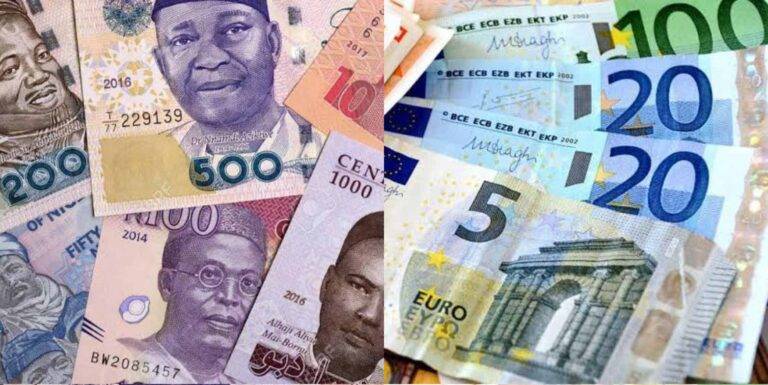
Official CBN Exchange Rates
US Dollar (USD) ₦1, 362.84
Great British Pound (GBP) ₦1,821. 30
EURO (EUR) ₦1,574. 53
SWISS FRANC (CHF) ₦1,714. 05
JAPANESE YEN (JPN) ₦8.52
CHINESE YUAN (CNY) ₦200.99
West African CFA (XOF) ₦2.42
West African Unit Account (WAUA) ₦1,863.83
SAUDI RIYAL (SAR) ₦302. 83
SOUTH AFRICAN RAND (ZAR) ₦82.75
Black Market Rates
US Dollar (USD) Buy ₦1,395 Sell ₦1,400
Great British Pound (GBP) Buy ₦1,860 Sell: ₦1, 880
EURO (EUR) Buy ₦1,000 Sell ₦1, 100
South African Rand (ZAR) Buy ₦75 Sell ₦90
UAE Dirham Buy ₦350 Sell ₦370
Chinese Yuan Buy ₦180 Sell ₦200
Ghana Cedi (GHS) Buy ₦100 Sell ₦115
West African CFA Buy ₦2,450 Sell ₦2550
Central African CFA Buy ₦2,320 Sell 2,400
Australian Dollar Buy ₦800 Sell ₦900
Sources: CBN / Aboki Forex


JUST IN: IED Explosion Kills One, Injures Seven on Anka-Bagega Road in Zamfara ( Photos)

FG Welcomes Positive IMF Assessment of Nigeria’s Economy, Vows to Sustain Reform Momentum

Tony Elumelu’s United Capital Secures approval to operate in Ethiopia

Tech Expert, Zuckerberg trains with UFC champions, Adesanya, Alexander

Organ Trafficking: Ekweremadu bags 10 years in UK prison

SAINT OBI: Between his marriage and his death
-
 News2 days ago
Court Voids ₦110bn N’Assembly Vehicles, Allowances
-
 Business2 days ago
Senate’s approval of Sugar – Sweetened Beverages Tax Bill, Shocking, says CPPE, Lobbying Reps for rejection
-
 News2 days ago
Court Declares National Assembly’s N110bn SUV and Allowance Schemes Unlawful
-
 News2 days ago
FG Clears Five-Month Allowance Arrears for University Lecturers
-

 News2 days ago
Lagos Begins 500-Tree Campaign to Tackle Extreme Heat
-

 Politics2 days ago
NDC Declares Party Supremacy, Approves Code of Conduct Committee
-

 Politics1 day ago
2027: Lagos APC picks Damilola as Hamzat ‘s Deputy Governor
-

 Entertainment2 days ago
Nigerian-British Singer Talay Riley Dies in London Stabbing, Others Mourn