
Politics
17 Lawmakers move to NDC from ADC
The defectors, who cut across Kano, Anambra, Lagos, Edo and Rivers states, read separate letters on the floor of the House, attributing their decision to what they described as “unresolved crises from the national to ward levels” in the ADC.

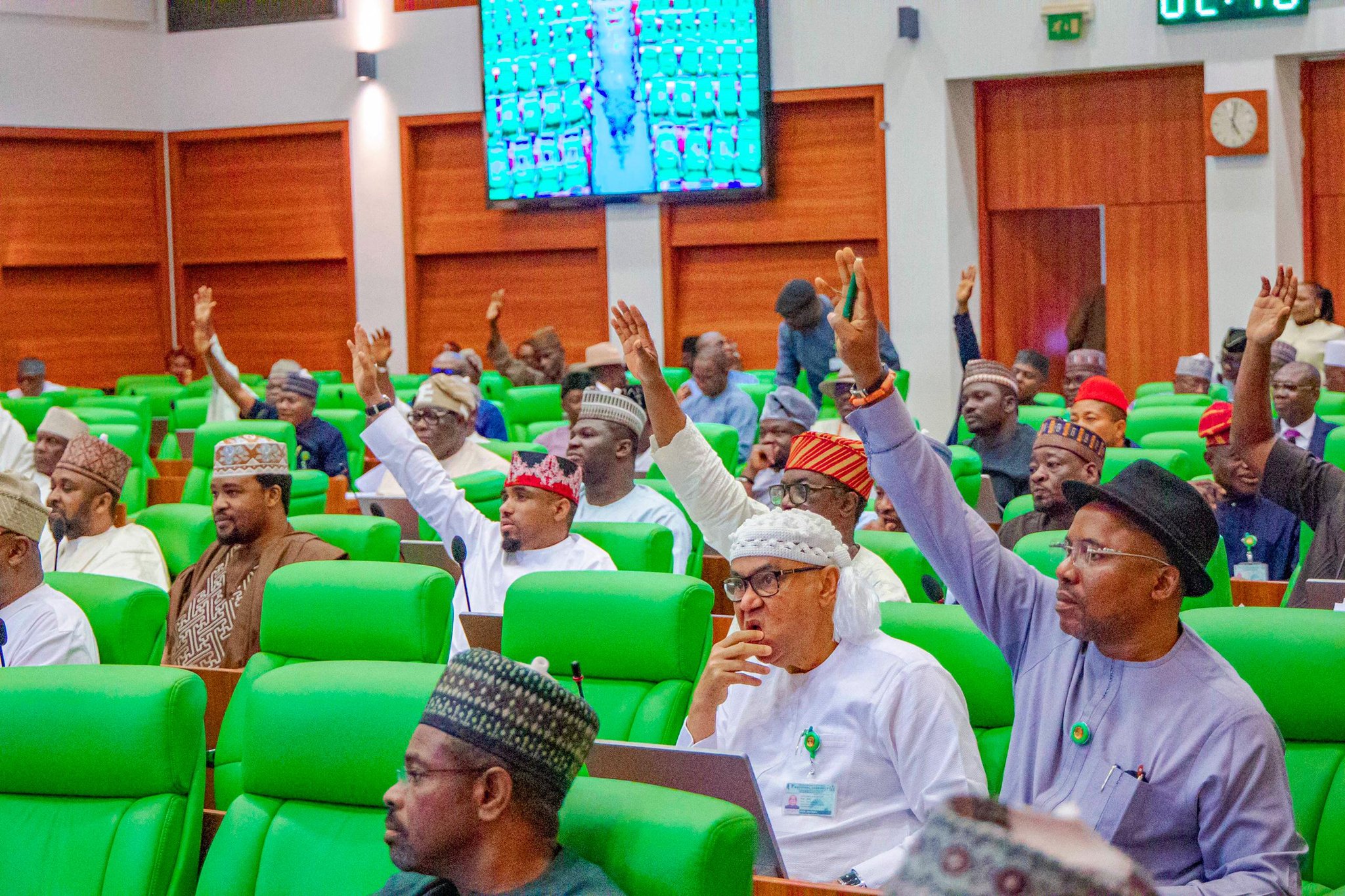
SEVENTEEN members of the House of Representatives on Tuesday formally announced their exit from the African Democratic Congress (ADC) to the National Democratic Congress (NDC) during plenary, citing internal crises within their former party.
The defectors, who cut across Kano, Anambra, Lagos, Edo and Rivers states, read separate letters on the floor of the House, attributing their decision to what they described as “unresolved crises from the national to ward levels” in the ADC.
Among those who defected is Yusuf Umar Datti, representing Kura/Madobi/Garun Mallam Federal Constituency of Kano State, who said the lingering instability within the ADC had made it difficult to effectively serve his constituents.
Similarly, Harris Okonkwo, who represents Idemili North/Idemili South Federal Constituency of Anambra State, said the decision was taken after “wide consultations with political stakeholders and constituents.”
Among those who defected is Yusuf Umar Datti, representing Kura/Madobi/Garun Mallam Federal Constituency of Kano State, who said the lingering instability within the ADC had made it difficult to effectively serve his constituents.
Other lawmakers who moved from ADC to NDC include Sani Adamu (Minjibir/Ungogo, Kano); Thaddeus Attah (Eti-Osa, Lagos); Deputy Minority Whip, George Ozodinobi (Njikoka/Anaocha/Dunukofia, Anambra); Lilian Obiageli (Awka North/Awka South, Anambra); and OluwaSeyi Sowunmi (Ojo, Lagos).
Similarly, Harris Okonkwo, who represents Idemili North/Idemili South Federal Constituency of Anambra State, said the decision was taken after “wide consultations with political stakeholders and constituents.”
Also among the defectors are Peter Anekwe (Anambra East/West); Zakari Umar Mukhtari (Tarauni, Kano); George Olawande (Amuwo Odofin, Lagos); Murphy Osaro Omoruyi (Egor/Ikpoba-Okha, Edo); Umezuruike Manuchim (Port Harcourt I, Rivers); Emeka Idu (Onitsha North/South, Anambra); and Jesse Onuakalusi (Oshodi-Isolo, Lagos).Others include Ifeanyi Uzokwe (Nnewi North/South/Ekwusigo, Anambra); Afam Ogene (Ogbaru, Anambra); and Kamilu Ado (Wudil/Garko, Kano).
Conversely, Leke Abejide, representing Yagba Federal Constituency, also announced his defection from the ADC to the All Progressives Congress (APC).






Politics
Again, Desmond Elliot begs political mentor,Gbajabiamila , “I’m sorry, Daddy”
The latest apology is not the first time Elliot has publicly sought forgiveness from Gbajabiamila over the political disagreement.
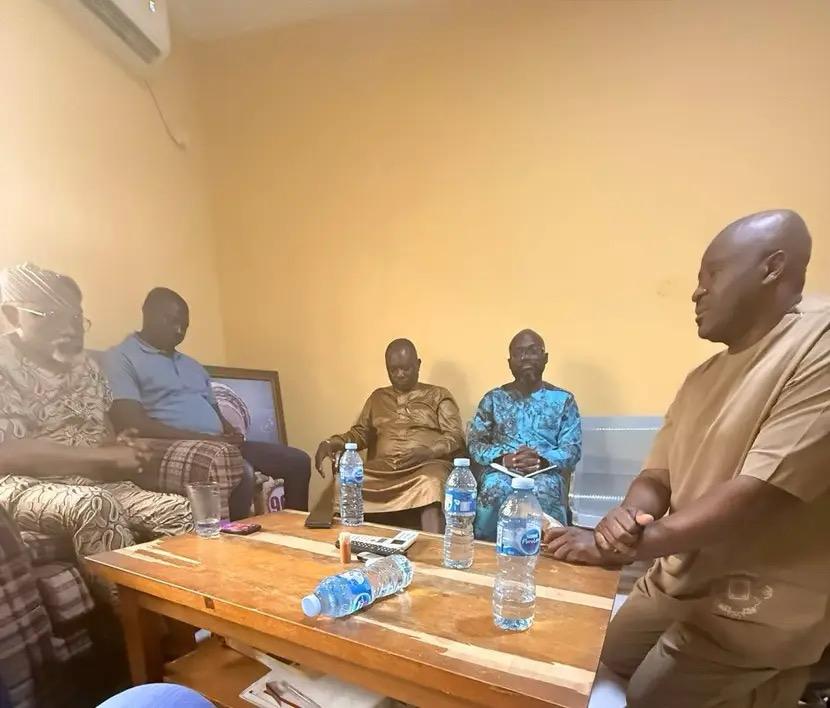
“I’m sorry. I have no excuse; I have nothing other than to say I’m deeply sorry. I’m deeply sorry, sir. And in our culture, we prostrate. Don’t be angry, Daddy.”
The above statement was made by
The lawmaker representing Surulere Constituency I in the Lagos State House of Assembly also reaffirmed his loyalty to the APC leadership and appealed for an end to any disagreement between him and Gbajabiamila.
The latest apology is not the first time Elliot has publicly sought forgiveness from Gbajabiamila over the political disagreement.
During an earlier appearance on TVC’s Your View, Elliot acknowledged that he may have offended his political mentor through his political engagements, while maintaining that any misunderstanding between them was not deliberate.
“I’m not saying, oh, yes, media will come out, oh yes, Desmond begs again. Yes, because he’s my egbon. And I grew up learning everything I knew in politics through him,” he said.
He added, “To err is human, to forgive is divine. So I’m sorry, my daddy, if I’ve offended you in any way.”
The dispute occurred amid the political tensions surrounding the Lagos State House of Assembly leadership crisis, during which Gbajabiamila said he faced difficulties at the Presidency over allegations concerning Elliot’s political activities.
Politics
I will concede defeat if 2027 election is credible — Obi
However, Obi maintained that he won the 2023 presidential election, saying those who conducted the poll knew what happened.
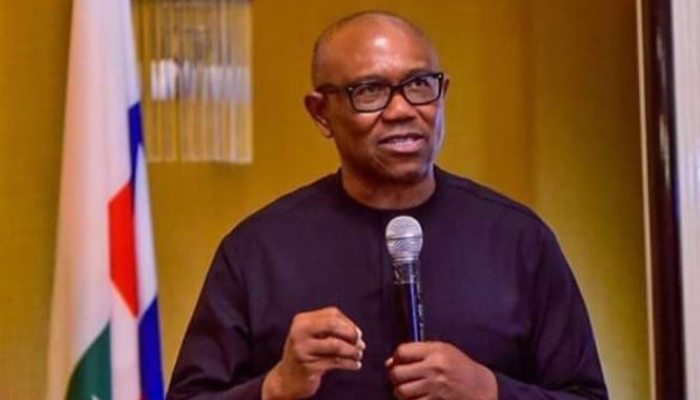
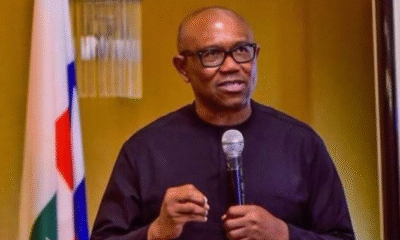
The presidential candidate of the Nigeria Democratic Congress (NDC), Peter Obi, has declared that he will concede defeat in the 2027 presidential election if the poll is free, fair and credible.
Obi stated this in an interview aired on Arise TV on Thursday, saying he would respect the will of Nigerians if they chose another candidate.
“If the election is free, fair and credible, I will because it’s an election. It’s the people that would say who they want to serve, and I will respect the will of the people; that’s democracy,” he said.
However, Obi maintained that he won the 2023 presidential election, saying those who conducted the poll knew what happened.
“I did, and I will maintain that as long as I live that I won the 2023 election. Those who conducted it know the records; they know why there was a glitch and what happened,” he said.
Fielding question on what about “turn-by-turn” presidency, Obi said elections should not be determined by tribe or religion.
“Election should not be driven by tribe or religion. Today, in terms of qualification, I’m qualified to be president of Nigeria. I have the competence; I have been all over the world studying what it takes to be president of a country, and I know what I can do to turn around this country in the right direction.”
Politics
Trump promises $5,000 ‘dividend’ to U.S. citizens if Republicans win midterms
It is estimated that the total proposed “Trump dividend” payout would cost more than $1 trillion — raising questions about how such an expense would be funded and its impact on fiscal strain facing the Federal budget.
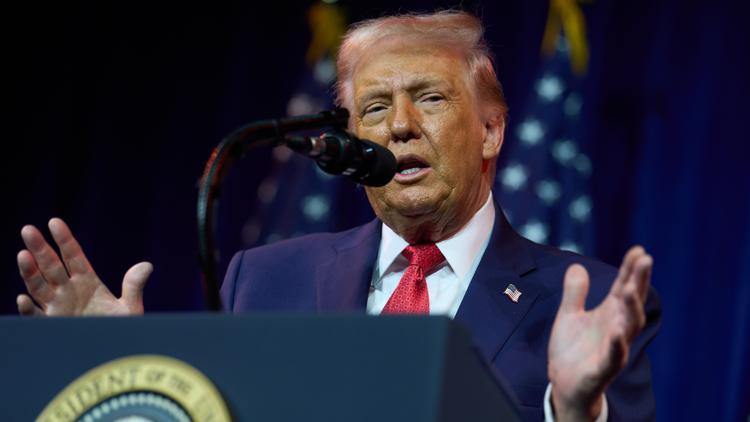
U.S. President Donald Trump has promised every adult American citizen a $5,000 “dividend” if the Republicans are victorious at the upcoming midterm elections.
Americans will vote in the midterms in early November, with the Democrats currently projected to win control of the House of Representatives.
Such a result would likely create barriers to Trump’s legislative agenda and send a signal about public opinion on the president’s policy mix throughout his second presidential term.
“Here is my promise: if the Republicans win the House of Representatives and the United States Senate, both of them… because of our tremendous strength and success economically, I will issue a dividend to every adult citizen in the United States of America for $5,000,” he told a crowd at the GOP’s midterm convention in Dallas.
“I’m asking you to pretend that I’m on the ballot,” he added.
It is estimated that the total proposed “Trump dividend” payout would cost more than $1 trillion — raising questions about how such an expense would be funded and its impact on fiscal strain facing the Federal budget.
The potential payout compares to the $1.27 trillion the U.S.


Congo military plane crash kills 13, including three officers

Manchester City Faces Expulsion For Breaching 114 EPL Financial Rules

TIME Names Moniepoint CTO Felix Ike Among 50 Global Executives of the Year

Tech Expert, Zuckerberg trains with UFC champions, Adesanya, Alexander

Organ Trafficking: Ekweremadu bags 10 years in UK prison

SAINT OBI: Between his marriage and his death
-
 Business3 days ago
FG Engages Stakeholders On Nigeria’s Rice Value Chain
-
 Business3 days ago
Naira To Dollar, Pound , Euro Rate Wednesday September 23
-
 Business3 days ago
Airtel Money Targets October Listing On London Stock Exchange
-
 Business2 days ago
MAN Urges CBN To Consider CRR Cut Next Phase of Monetary Easing
-
 Crime2 days ago
JUST IN: Zamfara LG Chairman Freed After 61 Days in Captivity
-

 Business3 days ago
Cardoso Says Multiple FX Windows Cost Nigeria 3% of GDP, Higher Than Fuel Subsidy
-
 Sports2 days ago
FIFA names Nigerian referee among 81 officials for U-17 World Cup
-

 News2 days ago
VP Shettima, Gov Mbah to address Over 500 editors on 2027 election issues