
News
SouthEast Bishops Declare Enugu Governor-Elect Unfit, Ask Police to Arrest Him for Forgery


Three days after the Southeast Zone of the Network of Evangelical Bishops of Nigeria (NEBN) accused the Enugu state branch of the Peoples Democratic Party (PDP) of being composed of “a tiny band of buccaneers” planning to “kidnap the finances of the state”, it has described the party’s gubernatorial candidate in the March 18 election, Peter Mbah, as unfit for public office.
“Mbah is fast gaining the reputation of a forger and blackmailer”, declared the bishops in a statement in Enugu today in reference to the National Youth Service Corps Discharge Certificate A808297 purportedly signed on January 6, 2003.
The NYSC director general, Brigadier General Yushau Dogara Ahmed, was on Arise Television on Friday morning to mark the organisation’s 50th anniversary and used the opportunity to refute the claim that the discharge certificate Mbah submitted to the Independent National Electoral Commission (NYSC) emanated from it.
The police should arrest Mbah immediately and prosecute him for forgery, according to the NEBN.
“He is not a fit and proper person to hold public office, let alone the exalted office of the Enugu State governor”, they stated.
“The NYSC DG has corroborated the statement by the NYSC Director of Certification, Alhaji Ibrahim A. Muhammadu, on February 1, 2023, that the certificate is false and forged”, said the bishops in the statement signed by their president, Bishop Samuel Ani, and the acting secretary, Bishop Emmanuel Eneh.
Mbah had on May 15 obtained an ex parte order from Justice Inyang Ekwo of the Federal High Court in Abuja to stop the NYSC from testifying on the authenticity of the discharge certificate and has even announced a N20bn libel suit against the NYSC for its position that the certificate is not genuine.
“Only a pathological liar, forger, and blackmailer would have the audacity to announce to sue the NYSC for N20b for telling the truth which everyone knows”, the religious leaders observed.
“Only a person with integrity can sue for libel where he or she will prove that his reputation has been tarnished by a publication.
“A forger has no reputation to protect and, therefore, does not have the grounds to sue for libel or slander”.
The bishops continued: “The PDP candidate is merely striking postures meant to cow the public institutions and our society at large, so that he can find himself into Government House on May 29 and begin to use the state resources and apparatus brazenly to barricade himself against the long arms of the law”.
On January 13, 2020, as David Lyon of the All Progressives Congress (APC) was preparing to be sworn in the next day as the Bayelsa State governor, the Supreme Court passed a judgment shattering his ambition because it was discovered that his deputy, Biobarakuma Degi-Eremioye, had presented false documents to the INEC.
President Muhammadu Buhari’s first Minister of Finance, Mrs Kemi Adeosun, was forced to resign on September 14, 2018, after it was reported that she presented a forged NYSC Discharge Certificate in her curriculum vitae (CV).
“Mbah can run, but can’t hide”, said the bishops who reiterated their position that “he is not the Enugu State governor-elect because he did not win.
“Hiring an almost countless number of the most paid Senior Advocates of Nigeria (SANs) from different parts of the country with resources of the Enugu State people to intimidate the judiciary in the name of representing him at the Election Petitions tribunal can’t help him.
“The Enugu people voted overwhelmingly for the Labour Party, the party that defeated Mbah’s foremost backer, Governor Ifeanyi Lawrence Ugwuanyi, in his polling booth, polling unit, and local government area when the outgoing governor sought to be voted into the Senate on February 25 on the PDP platform”.
The bishops also took a swipe at Justice Inyang Ekwo for granting Mbah the ex parte motion stopping the NYSC from testifying against the PDP candidate’s credentials and asked the National Judicial Council (NJC) to punish the judge.
“An ex parte order can be granted only in an emergency, but Nigerians are unable to see the emergency which prompted the order in this case”, they stated.
“For failing to heed the counsel by different Chief Justices in Nigeria over the years against granting frivolous injunctions, the National Judicial Council needs to remove people like Justice Inyang immediately from the Bench in the overriding national interest”.
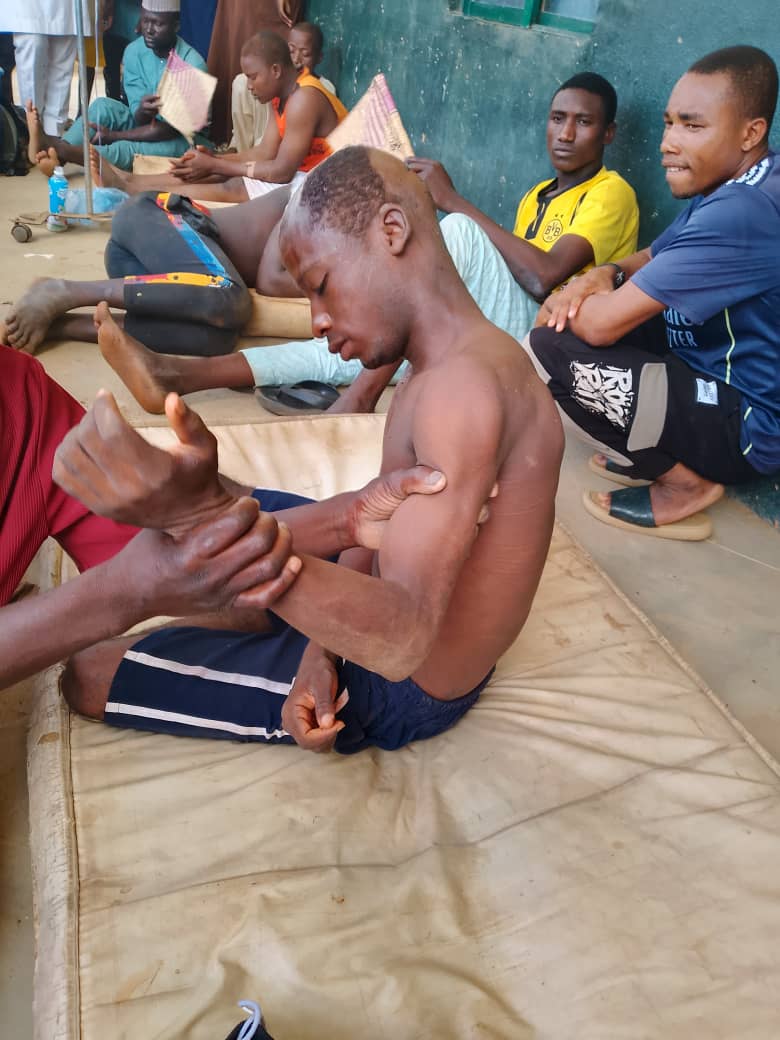
An Improvised Explosive Device (IED) exploded on the Anka-Bagega road on Tuesday, killing one person and injuring seven others.
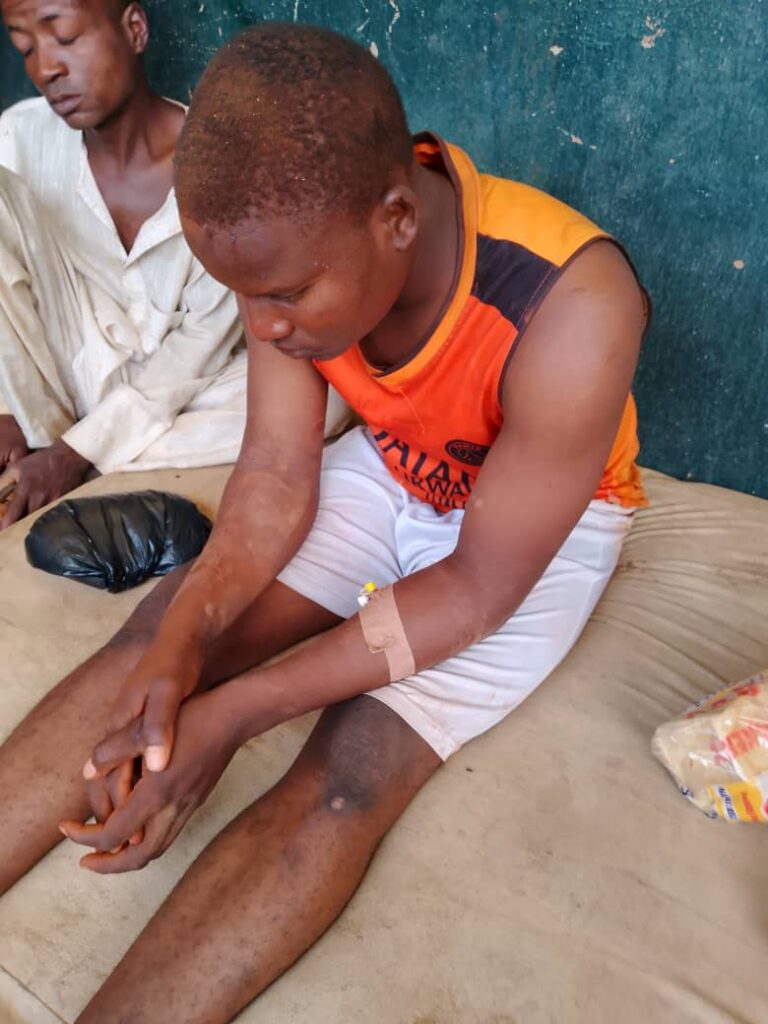
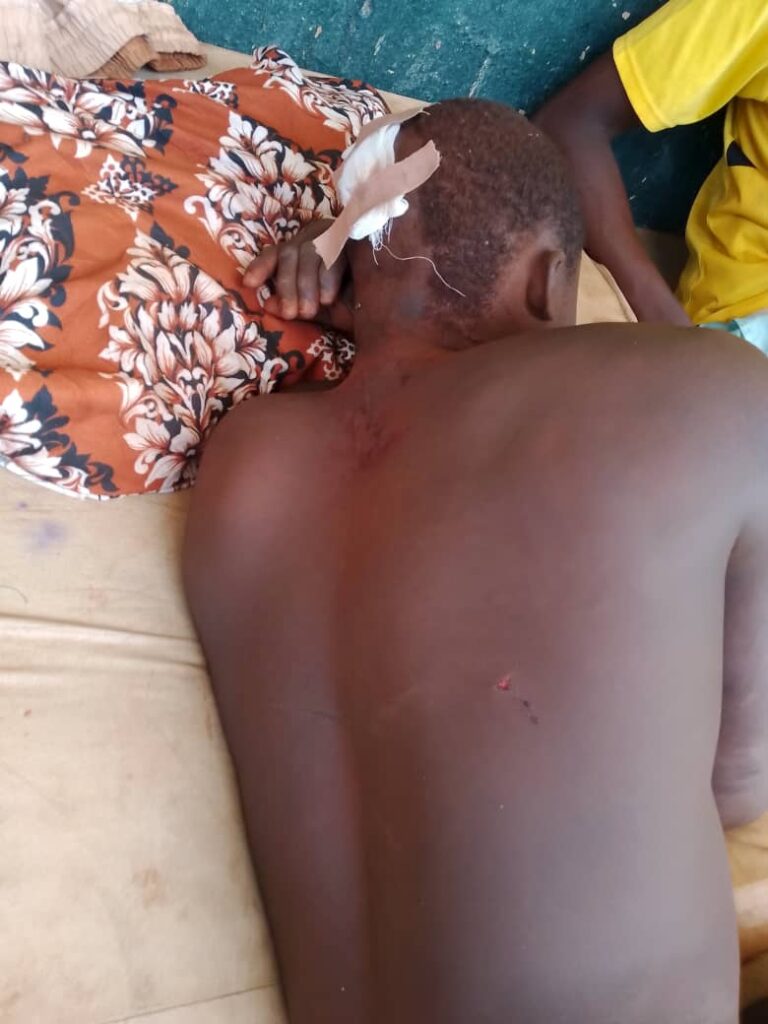
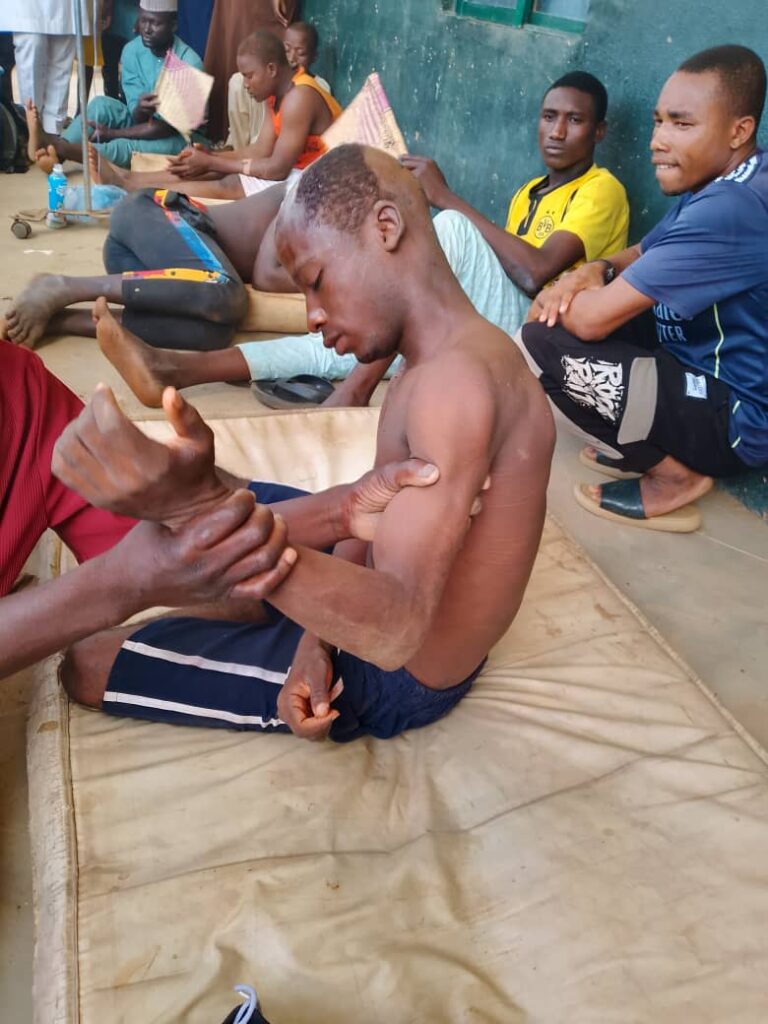
The blast struck a commercial Volkswagen Golf 3 Wagon carrying passengers travelling from Bagega village to Anka town. One passenger died on the spot, while the seven injured victims are receiving treatment at a primary healthcare facility in Bagega.

The explosion also caused significant damage to the vehicle, sparking fresh security concerns among commuters using the route.
This incident comes barely a month after a similar IED explosion occurred along the same road.
Zamfara State Commissioner of Police, Ahmad Bello, confirmed the attack. He said joint security forces have been deployed to assess the situation, clear the affected area, and restore normalcy on the route.
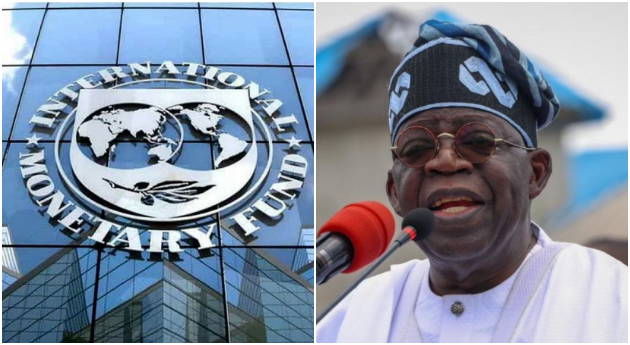
The Federal Government has welcomed the International Monetary Fund’s (IMF) 2026 Article IV Mission Concluding Statement, describing it as an independent validation of the success of President Bola Ahmed Tinubu’s economic reform programme.
In a statement, the government noted the IMF’s overall positive assessment, saying the Fund’s observations confirm that the bold reforms implemented over the past three years are strengthening macroeconomic stability, restoring investor confidence, and laying a solid foundation for sustainable and inclusive growth.
The IMF highlighted several key achievements, including improved functioning of the foreign exchange market, stronger external buffers, ongoing fiscal and revenue reforms, and resilience in the banking sector. These developments, the government said, have enhanced Nigeria’s ability to withstand external shocks compared to recent years.
Particular emphasis was placed on the impact of major policy decisions such as the removal of fuel subsidies, the end of deficit monetisation, the liberalisation of the foreign exchange market, and strengthened fiscal discipline. According to the statement, these measures have significantly reduced economic vulnerabilities and rebuilt confidence.
Despite new global challenges arising from the Middle East conflict — including higher energy and food prices, tighter financial conditions, and supply chain disruptions — the IMF acknowledged Nigeria’s notable resilience. The parallel market premium has remained below five percent, sovereign spreads have stayed broadly stable, and investor confidence has been preserved.
The Fund also noted that Nigeria is well positioned to benefit from elevated energy prices through increased export earnings, improved fiscal revenues, and higher foreign exchange inflows. The government said it will focus on translating these opportunities into lasting gains by ramping up crude oil production, expanding domestic refining capacity, boosting gas production and exports, and attracting fresh investments across the energy sector.
Addressing Poverty and Food Insecurity
The government acknowledged the IMF’s observation that poverty and food insecurity remain pressing challenges. While per capita income grew by nearly 10 percent in 2025, indicating a marked reduction in poverty levels, authorities stressed that macroeconomic stability alone is not enough.
To ensure inclusive growth, the government is strengthening social protection programmes, including direct cash transfers to vulnerable households, support for small businesses, student loans through NELFUND, consumer credit schemes, and healthcare investments.
In the agricultural sector, efforts are being scaled up through the Renewed Hope National Agricultural Mechanisation Programme and other initiatives aimed at boosting productivity, expanding irrigation, improving access to inputs and financing, and strengthening food security.
The government also welcomed the IMF’s recognition of progress in domestic revenue mobilisation and public financial management. It pledged to continue implementing new tax laws, digitising revenue collection, and improving transparency and accountability. Steps are already being taken to enhance fiscal data integrity and meet the highest international standards in economic and fiscal statistics.
Positive Medium-Term Outlook
The IMF projects continued economic growth above four percent over the medium term, alongside improving external reserves, rising investment, and stronger fiscal revenues. Public debt has declined as a percentage of GDP, while reserve buffers have strengthened significantly. These positive developments complement recent sovereign credit rating upgrades by international agencies.
The Federal Government reaffirmed its commitment to maintaining macroeconomic stability, accelerating inclusive growth, deepening structural reforms, improving the investment climate, expanding infrastructure, and enhancing human capital development and job creation.
“While challenges remain, the direction is clear and the foundations are stronger,” the statement said. “The ultimate objective of these reforms is not merely improved economic indicators, but better outcomes for all Nigerians — lower inflation, decent jobs, higher incomes, greater economic opportunity, and a better quality of life.
News
Nigerian labour leader dies while attending Geneva conference
A member of the Nigeria Civil Service Union (NCSU), Adeleke served as Chairman of the Lagos State Joint Negotiating Council, where he was involved in labour-related advocacy and workers’ welfare initiatives.

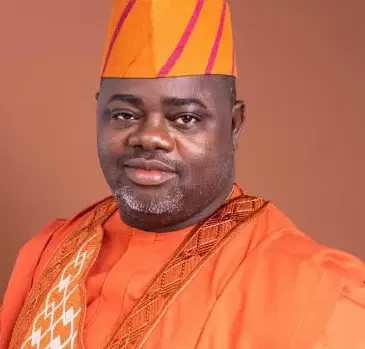
•Michael Adeleke
A Nigerian labour leader Domingo Michael Adeleke died today in Geneva, Switzerland, while attending the 114th Session of the International Labour Conference (ILC).
The Nigeria Labour Congress (NLC), confirmed the development this morning in a statement, saying that Adeleke was the Chairman of the Lagos State Joint Negotiating Council (JNC) of the union.
According to the statement, Adeleke was in Switzerland as part of Nigeria’s delegation to the conference when he reportedly became ill and was later taken for medical attention. He subsequently passed away.
A member of the Nigeria Civil Service Union (NCSU), Adeleke served as Chairman of the Lagos State Joint Negotiating Council, where he was involved in labour-related advocacy and workers’ welfare initiatives.


Peter Obi demands N5bn from Kenneth Okonkwo over defamation allegations

FG Plans to Extend Lagos Rail Line to Murtala Muhammed Airport Terminals

Exchange Rates Today, Wednesday 10 June, 2026

Tech Expert, Zuckerberg trains with UFC champions, Adesanya, Alexander

Organ Trafficking: Ekweremadu bags 10 years in UK prison

SAINT OBI: Between his marriage and his death
-
 News2 days ago
Court Voids ₦110bn N’Assembly Vehicles, Allowances
-
 Business3 days ago
Senate’s approval of Sugar – Sweetened Beverages Tax Bill, Shocking, says CPPE, Lobbying Reps for rejection
-
 News3 days ago
Court Declares National Assembly’s N110bn SUV and Allowance Schemes Unlawful
-
 News2 days ago
FG Clears Five-Month Allowance Arrears for University Lecturers
-

 News2 days ago
Lagos Begins 500-Tree Campaign to Tackle Extreme Heat
-

 Politics2 days ago
2027: Lagos APC picks Damilola as Hamzat ‘s Deputy Governor
-
 Politics2 days ago
NDC Declares Party Supremacy, Approves Code of Conduct Committee
-

 Entertainment2 days ago
Nigerian-British Singer Talay Riley Dies in London Stabbing, Others Mourn