
News
National grid collapses again
Distribution load figures released at 3:12 p.m. on December 29, 2025, showed that electricity supply to the country’s power distribution companies fell drastically, indicating a widespread system failure.

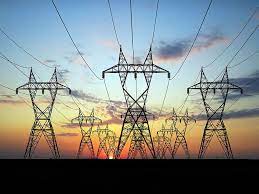
The national electricity grid collapsed again this afternoon with power supply across most parts of the country dropping to near zero.
Distribution load figures released at 3:12 p.m. on December 29, 2025, showed that electricity supply to the country’s power distribution companies fell drastically, indicating a widespread system failure.
Data from the Distribution Companies (DisCos) revealed that only two operators received electricity at the time of the collapse. Ibadan Electricity Distribution Company recorded a load of 30 megawatts (MW), while Abuja Electricity Distribution Company received 20 MW.
All other DisCos were allocated zero megawatts. Benin, Eko, Enugu, Ikeja, Jos, Kaduna, Kano, Port Harcourt and Yola electricity distribution companies all recorded 0 MW, pointing to a nationwide outage affecting major cities and regions.
In total, electricity distributed nationwide stood at just 50 MW, far below normal
normal operating levels and grossly insufficient to sustain power supply to homes, businesses and critical services across the country.
The latest incident adds to a series of grid collapses recorded in recent years, which have often resulted in nationwide blackouts and prolonged efforts to restore electricity supply.
The recurring failures have continued to raise concerns about the fragility of Nigeria’s power infrastructure and the reliability of the national grid.



News
FG launches new digital postcodes
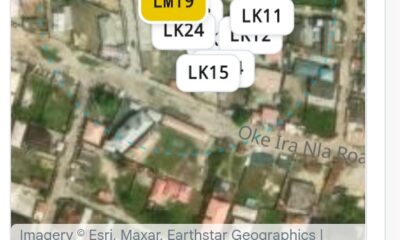
The code is designed to provide a precise, GIS-enabled reference for identifying locations.
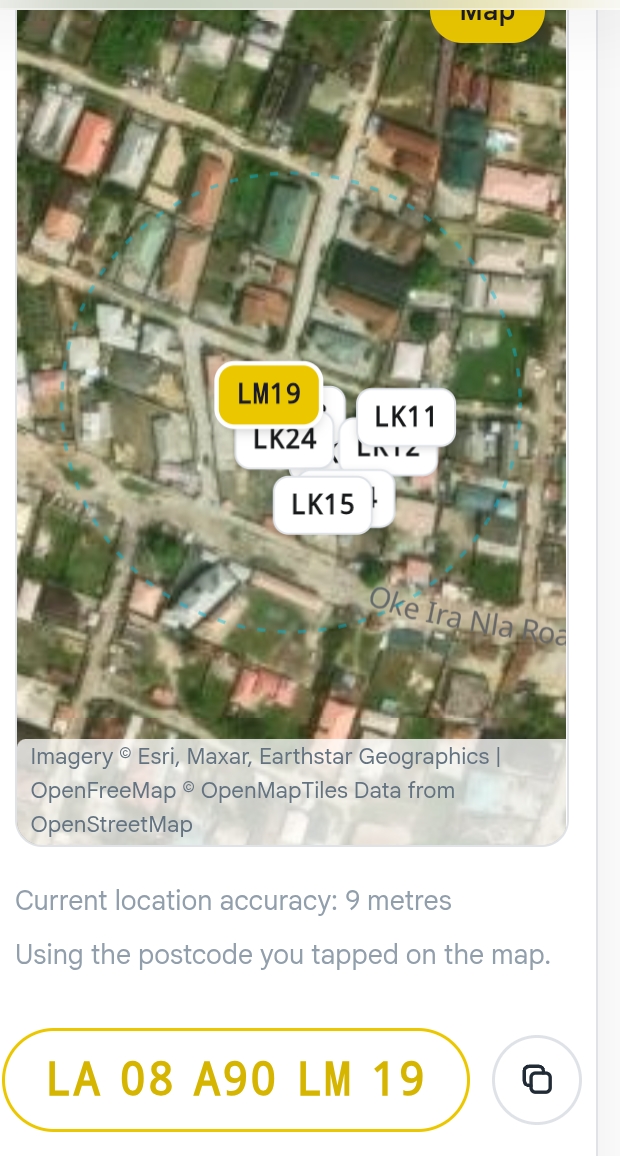
• Image credit: NIPOST
The Federal Government has launched the National Digital Alphanumeric Postcode System, urging Nigerians to find and begin using their postcodes.
The National Digital Alphanumeric Postcode, operated by the Nigerian Postal Service, gives every addressable building a unique 11-character code — the code is designed to provide a precise, GIS-enabled reference for identifying locations.system. Easier to find, share and use.
The Minister of Communications, Innovation and Digital Economy, Bosun Tijani announced the launch in a post on X on Thursday.
Tijani described the system as a step towards making locations across the country easier to identify and connecting people and businesses to services and opportunities.
Tijani said the system could help businesses reach customers beyond their immediate neighbourhoods, enable families to provide accurate locations during emergencies and help government agencies reach communities with essential services.
The minister encouraged Nigerians to search for their postcodes through the official Digital Postcode website, postcode.gov.ng, and share them with family members, friends and businesses.
News
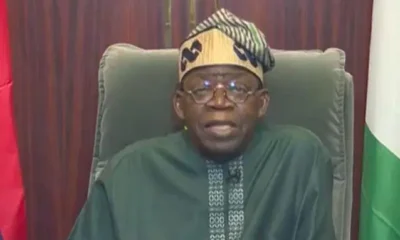
Nigeria @ 66: President Tinubu says next phase of reforms’ll cut cost of living
“Our reforms did not create the weaknesses in our economy. They confronted them,” he said, while warning against attempts to reverse the policies and return to what he described as the “abuse of addictive subsidies”.
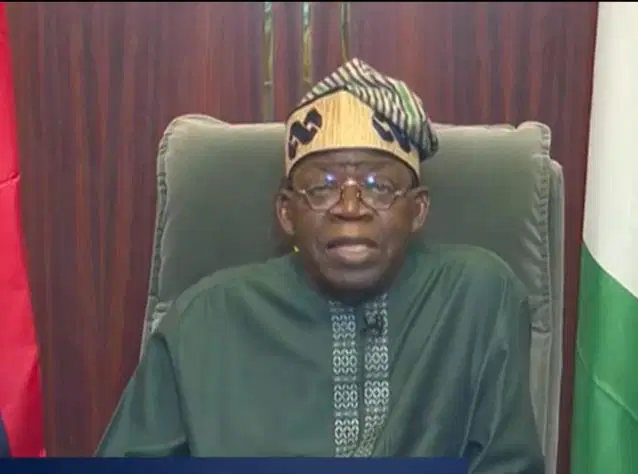
President Bola Tinubu has declared that the next phase of his administration’s reform will be focused on reducing the cost of living, creating jobs and ensuring that the benefits of economic growth were widely shared.
President Tinubu gave the assurance in his Independence Day address to mark Nigeria’s 66th anniversary, titled “From Reform to Prosperity”, in which he defended the economic policies of his administration and urged Nigerians to stay the course.
Tinubu said the reforms undertaken since his assumption of office had corrected the country’s economic direction, describing them as painful but necessary treatment for longstanding structural problems.
Using a cancer patient as an analogy, the President said Nigeria had for too long treated the symptoms of its economic problems rather than confronting their underlying causes.
“By 2023, poverty was rising, and hope was nearly gone. The country’s situation was darker than ever. We had no choice but to act,” he said.
Tinubu said previous administrations had chosen “morphine” by sustaining inefficient arrangements and postponing difficult decisions, while his administration chose to “excise the cancer”.
He acknowledged that the reforms had produced painful “side effects”, but argued that the hardship should not be confused with the underlying economic problems they were designed to address.
“Our reforms did not create the weaknesses in our economy. They confronted them,” he said, while warning against attempts to reverse the policies and return to what he described as the “abuse of addictive subsidies”.
The President’s speech came as some stakeholders and analysts regretted that, despite various reforms embarked upon by successive Federal Governments, the country was yet to come out of the woods economically and socially.


Former Vice President Atiku Abubakar has demanded the immediate release of five men arrested in Borno State for wearing T-shirts bearing the slogan “Tinubu Must Go.”
In a statement issued on Wednesday, the African Democratic Congress (ADC) presidential candidate condemned the arrests, describing the slogan as a legitimate political expression rather than a crime. He argued that wearing a T-shirt with a political message should not lead to detention in a democracy.
The five men — identified as Baba Aji Gremami, Mustapha Abba Yemen, Abacha Mohammed Ali, Adam Umar Gubio and Abdulhamid Mohammed — were reportedly arrested by the Borno State Police Command in Maiduguri and charged with offences including criminal conspiracy and inciting disturbance.
Atiku recalled that President Bola Tinubu had previously protested against the fuel pricing policies of the Goodluck Jonathan administration. He insisted that Nigerians must equally be free to express dissatisfaction with current government policies.
“‘Tinubu Must Go’ is a demand for political change. It is not a weapon, a threat or a crime,” Atiku said. “Tinubu was free to tell Jonathan that his policies were hurting Nigerians. Nigerians must be free to tell Tinubu that his policies are hurting them. Release these five citizens now.”
He called on the authorities to disclose the detainees’ whereabouts, grant them access to their families and lawyers, and free them if the political slogan was the sole basis for their arrest.


Naira Rates To Dollar, Pound ,Euro… Friday, October 2

Obafemi Hamzat promises to end ‘unauthorised levies’ in Lagos if he is elected

President Tinubu, Other Political Leaders Watch MKO Documentary

Tech Expert, Zuckerberg trains with UFC champions, Adesanya, Alexander

Organ Trafficking: Ekweremadu bags 10 years in UK prison

SAINT OBI: Between his marriage and his death
-
 Business1 day ago
Naira To Dollar, Pound, Euro… Rates Friday, October 1
-
 News1 day ago
Nigeria @ 66: President Tinubu says next phase of reforms’ll cut cost of living
-

 News2 days ago
FG Declares October 1 Public Holiday to Mark Independence Day Anniversary
-

 Business1 day ago
Court orders NMDPRA to continue issuing fuel import licences to Matrix Energy, AA Rano, AYM Shafa
-

 News2 days ago
Atiku Demands Release of 5 Arrested Over ‘Tinubu Must Go’ T-Shirts
-
 News1 day ago
FG launches new digital postcodes
-
 Business2 days ago
ON-GOING: Dangote $16 billion refinery groundbreaking holds in Kenya (Images)
-

 International2 days ago
Plane Makes Emergency Landing After Pilots Fight in Cockpit