
Business
How the Diaspora Is Shaping Real Estate Growth in Nigeria by Dennis Isong
Many Nigerians abroad also play a role in financing community development projects. Some pool resources with others to buy large parcels of land, build mini-estates, or even start property cooperatives.


A few years ago, a young Nigerian named Tunde moved to the United Kingdom to pursue a master’s degree in data analytics.
Like many Nigerians in the diaspora, he planned to work for a few years, save up, and return home someday to build something meaningful.
Years passed, and while he achieved career success abroad, he remained deeply connected to home through his family, friends, and memories.
One day, after a video call with his mother who mentioned how the family house in Lagos was falling apart, he decided to invest in a new property.
That simple decision opened his eyes to an entirely new world—the booming real estate opportunities in Nigeria being driven largely by people like him in the diaspora.Tunde’s story is not unique. Across Europe, North America, the Middle East, and even other parts of Africa, Nigerians abroad are becoming the backbone of property development back home.
In fact, this growing wave of diaspora investment is changing the face of Nigeria’s real estate industry.
It is fueling urban renewal, increasing property values, and inspiring developers to raise construction standards to meet global expectations.
This article explores how the diaspora is shaping real estate growth in Nigeria and why this influence continues to deepen each year.
1. A New Wave of Confidence: Trust Returns to Nigerian Real Estate
For years, one of the biggest obstacles Nigerians abroad faced when trying to buy property at home was trust.
Many had fallen victim to fraudulent agents, fake land titles, or uncompleted projects that drained their hard-earned savings.
This mistrust created hesitation, and for a long time, the diaspora community preferred to keep their money abroad.But in recent years, something has shifted. With the rise of credible real estate companies, transparent documentation processes, and digital innovations in property verification, the confidence level has soared.
Reputable developers now provide video updates, virtual tours, and even live streams of construction progress. Diaspora clients can inspect their homes in real time from thousands of miles away.
This restored trust is one of the main reasons how the diaspora is shaping real estate growth in Nigeria.
People who once swore never to invest again are now buying second and third properties.
Developers, in turn, are building better, smarter, and more secure homes to match the expectations of these overseas investors.For example, in Lagos—particularly areas like Lekki, Ajah, and Ibeju-Lekki—many estates are designed with foreign-based Nigerians in mind.
From modern architecture to advanced security systems and reliable estate management, the diaspora’s expectations are raising the bar for the entire industry.
2. The Power of Remittances and Its Ripple Effect
According to the World Bank, Nigeria receives billions of dollars annually in remittances from its diaspora population.
A growing portion of these funds now flows into real estate. Instead of just sending money for family upkeep or short-term projects, many Nigerians abroad are strategically investing in long-term assets like land and houses.
This financial shift has a ripple effect. Every property purchase from the diaspora supports jobs for architects, builders, artisans, agents, and legal professionals.
It fuels infrastructure development, boosts the economy, and encourages local banks to create mortgage products tailored for Nigerians living abroad.To understand how powerful this is, imagine an engineer living in Canada who buys a plot of land in Epe and builds rental apartments.
That one decision doesn’t just secure his financial future; it also provides work for local construction teams, artisans, and suppliers.
Over time, an entire community benefits.That’s the deeper reality behind how the diaspora is shaping real estate growth in Nigeria—it’s not only about individual ownership but also about the indirect growth it creates in the ecosystem.
Each investment contributes to employment, development, and local empowerment.Interestingly, many Nigerians in the diaspora are no longer just buying homes for themselves.
They are building rental apartments, short-let properties, and commercial spaces. The idea is no longer simply to “have a house at home” but to create income-generating assets that continue to appreciate in value.
This mindset shift is driving serious long-term growth in the sector.
3. Modern Taste, Global Standards, and Smart Living
Anyone who has visited new estates in Lagos, Abuja, or Port Harcourt recently would agree that the face of real estate in Nigeria is changing fast.
And a big reason for this transformation is the influence of diaspora investors.Diaspora Nigerians have been exposed to efficient housing systems, energy-saving technologies, smart home designs, and well-organized communities abroad.
They want the same standards back home, and developers are responding. Features like smart locks, solar panels, CCTV, motion sensors, and centralized waste systems—once rare in Nigeria—are becoming more common.
This modern taste explains how the diaspora is shaping real estate growth in Nigeria in a visible, physical way. Developers are no longer just building houses; they are building lifestyles. Estates are being designed with amenities like gyms, green parks, co-working spaces, and recreational centers.
The goal is to create communities that feel both Nigerian and international.In fact, some developers now specifically brand their projects as “diaspora-friendly estates.”
These developments often feature simplified documentation, flexible payment plans in foreign currencies, and legal guarantees to attract confidence from overseas buyers.
The result is a growing market where quality, comfort, and convenience go hand in hand.This evolution is not only changing how homes are built but also how they are marketed.
Online visibility, digital tours, and social media campaigns are now at the center of real estate marketing strategies because most of the target audience lives thousands of miles away.
4. Diaspora Investors and the New Urban Development Drive
When Nigerians abroad invest in property, they don’t just buy land—they ignite transformation in the communities around them.
This is one of the most powerful ways the diaspora is shaping real estate growth in Nigeria.Take Ibeju-Lekki for instance.
Just over a decade ago, the area was largely undeveloped and sparsely populated. But as more Nigerians abroad began to buy land there, the interest of local investors and developers grew too. Today, it is one of the fastest-growing real estate corridors in West Africa, home to the Lekki Free Trade Zone, Dangote Refinery, and numerous housing projects.
The same pattern is visible in parts of Ogun State, Abuja outskirts, and Enugu. Diaspora investments encourage urban expansion by creating demand where there used to be little or none. When land is bought, roads are built.
When roads come, electricity, schools, and shops follow. In this way, diaspora investments don’t just grow real estate—they grow cities.
Many Nigerians abroad also play a role in financing community development projects. Some pool resources with others to buy large parcels of land, build mini-estates, or even start property cooperatives.
This collective approach brings more professionalism into real estate, ensures transparency, and accelerates urban development.Interestingly, these developments often set new benchmarks for quality living.
The houses are better structured, the roads are properly laid, and there’s usually a plan for drainage, recreation, and green spaces.
All of these improvements contribute to a more organized and sustainable city structure.
5. The Emotional Connection and Future of Diaspora-Driven Real Estate
Beyond economics and technology, there’s something deeper driving this movement—the emotional connection. For many Nigerians abroad, owning property in Nigeria is not just a financial decision; it’s an emotional homecoming. It’s a way of saying, “I still belong here.”
The nostalgia of returning home for holidays and sleeping in your own house instead of a hotel is powerful. For some, it’s about providing comfort for aging parents.
For others, it’s about ensuring their children maintain a tangible connection to their roots.This emotional attachment explains why the diaspora is not just investing in houses but in homes—places that carry meaning and memory.
Developers who understand this emotional aspect are winning the trust of diaspora clients faster.
They go beyond selling land; they help people reconnect to where their story began.Looking ahead, the influence of the diaspora on Nigeria’s real estate market will only grow stronger.
Several trends are already shaping the future:Digital property transactions: More companies now allow buyers to complete the entire purchase process online, from viewing to payment and documentation.Joint ventures and co-ownership:
Dennis Isong is a TOP REALTOR IN LAGOS. He Helps Nigerians in Diaspora to Own Property In Lagos Nigeria STRESS-FREE.
Nigerians abroad are teaming up with locals to co-own property developments, reducing risks and maximizing returns.
Sustainable housing: The diaspora’s exposure to eco-friendly living is pushing developers to adopt greener designs, solar systems, and water recycling technologies.
All these trends point toward a more advanced, transparent, and investor-friendly real estate landscape.
Conclusion: The Diaspora as Builders of Tomorrow
When you step back and look at the big picture, it becomes clear that how the diaspora is shaping real estate growth in Nigeria goes beyond money or luxury homes.
It’s a story of reconnection, transformation, and progress. Every property bought from abroad represents faith in the future of Nigeria.
It is a declaration that home is still home, no matter how far away one lives.The diaspora community is helping redefine the meaning of development.
They are setting higher standards for builders, introducing modern tastes, fueling urban expansion, and reviving the sense of trust that was once missing in the sector. They are not just buying houses—they are building the next generation of Nigerian cities.
Just like Tunde, who now owns multiple properties in Lagos, many other Nigerians in the diaspora are realizing that investing in real estate back home is not just about owning property—it’s about contributing to the country’s growth story.
And as this movement continues, one thing is certain: the Nigerian real estate industry will never be the same again.
Dennis Isong is a TOP REALTOR IN LAGOS. He Helps Nigerians in Diaspora to Own Property In Lagos Nigeria STRESS-FREE.
For Questions WhatsApp/Call +2348164741041
Business
Supreme Court Overturns Appellate’s Ruling on $2bn Debt Recovery Battles Nestoil /Neconde Energy vs FBNQuest Merchant Bank
In the lead judgment read by Justice Mohammed Baba Idris, the five-member apex court panel held it was a “legal anomaly” to allow lawyers appointed by the Receiver/Manager to also represent the companies, citing a conflict of interest.

The Supreme Court of Nigeria on Friday ruled in favor of Nestoil and Neconde Energy, overturning a previous appellate court decision that disqualified their legal counsel, including Wole Olanipekun (SAN) and Muiz Banire (SAN).
The court upheld the companies’ right to appoint their own lawyers to challenge the ongoing receivership.
The apex court ruled that despite the receivership initiated by a consortium of banks, Nestoil and Neconde retain the right to appoint their own legal counsel to challenge that very receivership.
Nestoil Limited (an oil services firm) and its affiliate Neconde Energy Limited (which holds interests in Oil Mining Lease 42) are embroiled in a multi billion-dollar debt recovery suit filed by lenders, primarily FBNQuest Merchant Bank Limited and First Trustees Limited.
The lenders allege that Nestoil, Neconde, and their promoters (Ernest Azudialu-Obiejesi and Nnenna Azudialu-Obiejesi) owe over $2 billion (plus N430 billion in related liabilities) under financing arrangements, including a Common Terms Agreement.
In the lead judgment read by Justice Mohammed Baba Idris, the five-member apex court panel held it was a “legal anomaly” to allow lawyers appointed by the Receiver/Manager to also represent the companies, citing a conflict of interest.
The judgment affirms that the boards of the companies retain the authority to act in defense of the companies’ interests.
A receiver/manager was appointed over the companies’ assets and interests, leading to disputes over who controls the companies and who can represent them in court.
In January 2026, the Supreme Court sent related appeals back to the Court of Appeal to resolve the preliminary issue of legal representation before proceeding on the merits.
On January 23, 2026, the Court of Appeal disqualified senior advocates Wole Olanipekun (SAN) (for Neconde) and Muiz Banire (SAN) (for Nestoil), ruling that the Ernest Azudialu-Obiejesi-led boards lacked authority to appoint counsel once the receiver/manager was in place. It allowed counsel appointed by the receiver to represent the companies instead.
Nestoil/Neconde and their promoters appealed this disqualification to the Supreme Court (one key appeal being SC/CV/48B/2026 by Neconde).
The apex court had reserved judgment after hearing arguments from a five-member panel.
In Friday’s ruling, the Supreme Court upheld the appeal by Nestoil and Neconde (and their promoters).
It set aside the Court of Appeal’s judgment disqualifying the companies’ chosen counsel.
Their boards (led by Ernest Azudialu-Obiejesi) retain the authority to appoint counsel of their choice to defend their interests, particularly since the validity of the receivership itself is being challenged.
Allowing the receiver/manager’s counsel (appointed by the lenders) to represent the companies would create a serious conflict of interest and undermine fairness and independence in legal representation.
The arrangement involving the lenders (FBNQuest and First Trustees) as appointors of the receiver was deemed fundamentally flawed.
The appointments of Wole Olanipekun (SAN) and Dr. Muiz Banire (SAN) (along with their teams) as counsel for Neconde and Nestoil are restored.
The companies are now free to proceed with their preferred lawyers in the ongoing debt recovery proceedings.
The ruling is procedural (focused solely on representation) and does not decide the merits of the underlying debt claims or receivership.
Those substantive issues will now continue in the lower courts with the restored counsel.

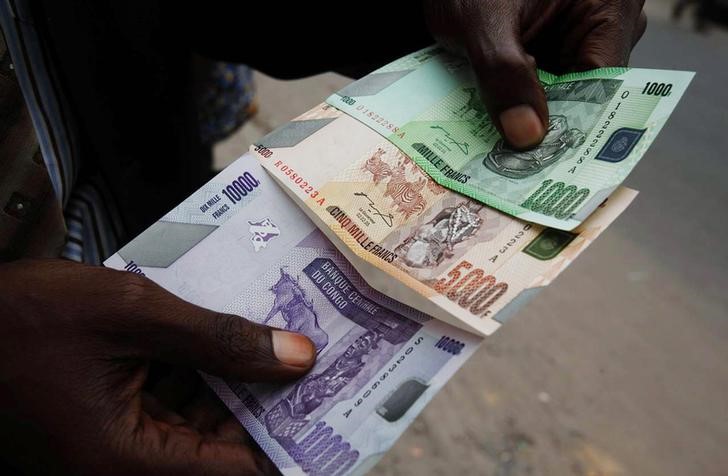
The Central Bank of the Democratic Republic of Congo (BCC) has announced plans to prohibit cash transactions in foreign currencies, including the US dollar, starting April 9, 2027, in a fresh attempt to promote the use of the local Congolese franc (CDF) and reduce dollarisation in the economy.
In a statement issued on Thursday, April 9, 2026, the BCC declared that from the effective date, “no person will be authorised to carry out cash transactions in foreign currencies,” and commercial banks will no longer be allowed to import or distribute physical foreign banknotes.
Under the new measure, payments in dollars, euros or other foreign currencies will still be permitted, but only through electronic means such as bank transfers, cards, or mobile money platforms. Cash dealings must be conducted exclusively in Congolese francs.
The BCC’s move aims to strengthen the national currency, enhance monetary sovereignty, and curb the widespread use of the US dollar, which dominates many business transactions in the country despite official policies favouring the CDF.
The Congolese economy has long been heavily dollarised, with foreign currency widely accepted even in everyday dealings.
This is not the first attempt by the BCC to limit dollar use. Previous efforts to ban or restrict foreign currency have largely failed to take full effect, as the dollar remains deeply entrenched in commerce, mining, and daily life across the vast Central African nation.
The announcement comes amid broader initiatives by the central bank, including interventions in the foreign exchange market and efforts to build gold reserves, to support the Congolese franc and reduce reliance on the US dollar.
Analysts and businesses are watching closely to see how the policy will be enforced, given past challenges in implementing similar restrictions in a country where cash remains king and banking penetration is relatively low.
The BCC has urged the public and financial institutions to prepare for the transition and to rely increasingly on formal banking and electronic payment systems.
Further details on implementation guidelines and penalties for non-compliance are expected in the coming months. The public is advised to monitor official communications from the Banque Centrale du Congo for updates.
Business
Crude Oil Prices Drop Below $95 After US-Iran Ceasefire
Earlier, crude prices had surged above $110 per barrel amid fears of supply disruptions as tensions escalated in the Middle East.

Crude oil prices fell below $95 per barrel in early trading on Wednesday following a ceasefire agreement between the United States and Iran.
The global oil benchmark fell by about 13% to around $94–$95 per barrel, marking one of the steepest single-day declines in recent years after weeks of war-driven price spikes.
The dramatic selloff came after U.S. President Donald Trump announced a conditional two-week ceasefire, pausing military operations in exchange for the reopening of the Strait of Hormuz—a critical route for global oil shipments.
West Texas Intermediate (WTI), the U.S. benchmark, also dropped significantly to around $95–$96 per barrel, reflecting a broad easing of geopolitical tensions and a rapid unwinding of the war risk premium in oil markets.
Earlier, crude prices had surged above $110 per barrel amid fears of supply disruptions as tensions escalated in the Middle East.
However, the ceasefire has restored some confidence that oil flows will resume, triggering a sharp correction in prices.


Gunmen Kill Traditional Ruler, Four Others in Imo State, Set Bodies Ablaze

Ex-senatorial candidate jailed 10 yrs for selling petrol to Boko Haram

Breaking: INEC postpones voter revalidation exercise till after 2027 elections

Tech Expert, Zuckerberg trains with UFC champions, Adesanya, Alexander

Organ Trafficking: Ekweremadu bags 10 years in UK prison

SAINT OBI: Between his marriage and his death
-

 Business3 days ago
Crude Oil Prices Drop Below $95 After US-Iran Ceasefire
-

 News1 day ago
CBN Debunks Viral Fake News of ₦5,000 Banknote Featuring President Tinubu’s Image
-

 Politics3 days ago
Rep Dasuki Joins ADC, says INEC Chair Becoming Threat to Nigeria’s Multi-party Democracy
-

 International3 days ago
Iran reopens Strait of Hormuz following two-week cease-fire agreement with Trump
-
 News2 days ago
INEC releases updated voters registration figure nationwide
-
 Crime2 days ago
Tinubu Mourns Soldiers Killed in Benisheikh Terror Attack
-

 Business1 day ago
DR Congo Central Bank Announces Ban on Foreign Currency Cash Transactions from 2027
-

 News2 days ago
US Declares 23 Nigerian States High-Risk for Citizens