
Business
Geometric Power Plant to Start Electricity Generation Within 2 Months, Says Prof Nnaji

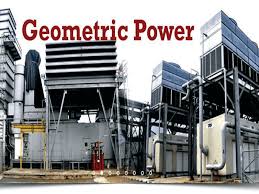
The 188-megawatt Geometric Power plant in the Osisioma Industrial Layout in Aba, Abia State, will start to generate electricity within two months, according to the Geometric Power group chairman, Professor Bart Nnaji, who is also a former Minister of Power.
Starting with one of its four General Electric brand turbines, the second will come on stream once the performance of the first turbine is declared satisfactory by the team of engineers led by KSE Energy of Turkey and Engineer Ben Caven, a former executive director of the National Electric Power Authority (NEPA) reputed to be the only person to have run the generation, engineering and transmission divisions of the state-owned utility.
“The generation of electicity from the Geometric Power plant will be a game changer in the socioeconomic development of not just Aba city but nine out of the 17 local government areas in Abia State serviced by Aba Power, a member of Geometric group”, Nnaji declared today to wildly cheering participants at the First African Continental Free Trade Area (AfCFTA) Market Opportunities Conference holding at the Technology Incubation Centre in Aba, organised by the Continental Export Import (CONEX) Ltd.
“We have completed building four brand new power substations and refurbishing three substations inherited from the Power Holding Company of Nigeria (PHCN), in addition to providing thousands of kilometres of cables and wires, as well as world-class tubular poles available in only highly industrialised cities such as Tokyo in Japan and San Francisco in California.
“All that remains now is to provide fuel or gas to the Geometric Power plant through the 27-kilometre gas pipeline from Owaza in Ukwa West LGA in Abia State to the Osisioma Industrial Layout on the Aba outskirts.
“Oilserv, Nigeria’s foremost indigenous gas pipeline builder, is doing a good job”.
Professor Nnaji, also a former Minister of Science and Technology who held the title of Distinguished Professor of Engineering in the United States, disclosed that though work has been completed on the seven substations, thousands of kms of wires as well as tubular poles, the power infrastructure will be put in use only when the Geometric Power plant becomes operational.
Th plant commissioning, he added, would bring about a dramatic improvement in not power supply but also its quality.
The Aba Integrated Power Project, he continued, “is the only electricity company in Nigeria that generates and also distributes power”.
He disclosed that he chose to cite Geometric Power to catalyse Aba’s development as the headquarters of indigenous technology and manufacturing, noting that with “constant, quality and affordable electricity soon, the cost of doing business in Abia State will reduce significantly and this will, in turn, impact on the national economy”.
He advised Aba business people to embrace the African Continental Free Trade Area, as it will elminate multiple taxes by various local and state governments as well as the Federal Government.
Nigeria has signed the agreement and ratified it, thus attaining the status of a state party whose goods and services can be exported to other African countries with relative ease.
Nnaji commended Aba businesses for excelling in textiles, leather products and metals which need large export markets.
Other participants in the two-day conference which will end tomorrow include the Nigerian Export Promotion Council, the Nigerian Shippers Council, United Bank for Africa, and the African Export Import Bank (AFREXIM Bank).
Business
Oil Rises As US Rejects Iran Proposal
Iran said it is waiting for a definitive US response to its seven-day proposal to reopen the strait and other demands, adding that it will not ease its conditions after Trump rejected Tehran’s latest plan.


Brent crude climbed above $106 per barrel on Monday, recovering losses from the previous session after President Donald Trump rejected Iran’s latest proposal to reopen the Strait of Hormuz, raising concerns that the restoration of oil flows through the critical waterway could face further delays.
Trump also said Tehran had overplayed its hand and expects negotiations to resume this week.
Meanwhile, Iran said it is waiting for a definitive US response to its seven-day proposal to reopen the strait and other demands, adding that it will not ease its conditions after Trump rejected Tehran’s latest plan.
Elsewhere in the Middle East, tensions remain high as Saudi Arabia intercepted Houthi drones heading toward Riyadh, along with a missile targeting Khamis Mushait in the south.
Alerts were also issued in Abha and Jazan, where Aramco operates energy facilities.
In the US, Trump is considering a ban on diesel exports as part of efforts to address elevated fuel prices.
Business
NGX Debuts Invest WhatsApp Channel
The channel provides investors with an additional, convenient way to participate in public offers.
Nigerian Exchange Group (NGX Group) has expanded access to its NGX Invest platform with the launch of a WhatsApp subscription channel.
The channel provides investors with an additional, convenient way to participate in public offers.
Investors can begin the subscription process by sending “Invest” to NGX Invest on WhatsApp at +234 812 731 9521.
They can then follow the prompts to view eligible offers and complete the required subscription steps without downloading a separate application.
As part of the process, investors will select a stockbroker through whom their application will be processed, ensuring that brokers remain an integral part of the investment journey.
(VANGUARD)
Business
SEC Highlights Focus of National Capital Market Conference 2026
The conference will be declared open by the Vice-President of the Federal Republic of Nigeria, Senator Kashim Shettima.
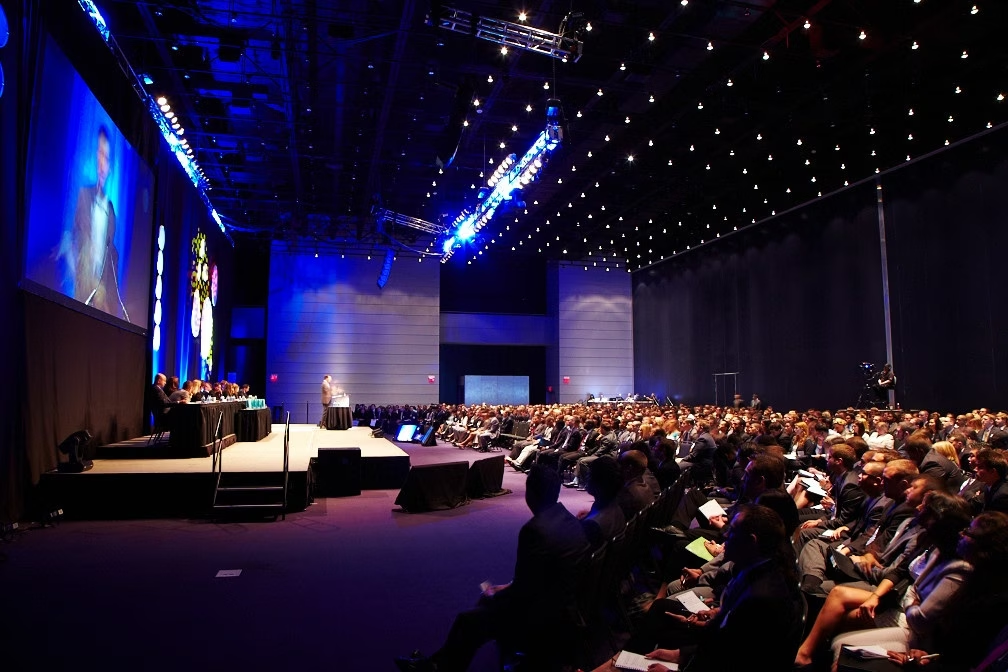
The Securities and Exchange Commission (SEC) says that its forthcoming National Capital Market Conference 2026 will be used to officially launch the Nigerian Capital Market Master Plan 2.0 (NCMMP), and the National Savings Scheme, among other activities.
The conference will be declared open by the Vice-President of the Federal Republic of Nigeria, Senator Kashim Shettima, and hosted by the Honourable Minister of Finance and Coordinating Minister of the Economy, Professor Taiwo Oyedele.
In a statement , SEC Director -General, Dr. Emomotimi Agama, disclosed that the conference scheduled for 19 October, in Abuja, will bring together key stakeholders from the public and private sectors to discuss strategic initiatives aimed at further deepening the Nigerian capital market, enhancing domestic resource mobilization, strengthening investor participation, and supporting sustainable economic growth and national development.


BREAKING: Tragic One-Way Crash Claims Tricycle Driver’s Life in Meiran Lagos

BREAKING: AAC sues Tinubu, NASS over Europe vacation

2027: Atiku, ADC Move to Amend Suit Challenging Tinubu’s Eligibility

Tech Expert, Zuckerberg trains with UFC champions, Adesanya, Alexander

Organ Trafficking: Ekweremadu bags 10 years in UK prison

SAINT OBI: Between his marriage and his death
-
 Business1 day ago
SEC Highlights Focus of National Capital Market Conference 2026
-
 Business1 day ago
NGX Debuts Invest WhatsApp Channel
-
 Sports1 day ago
Flamingos win WAFU B U-17 women’s tournament
-

 Business1 day ago
Naira To Dollar, Pound, Euro …Today, September 28
-

 Business1 day ago
Ghana Moves to Cut Domestic Airfares as Ticket Prices Stay High
-

 News1 day ago
Nigeria is 66, Thursday October 1
-

 News19 hours ago
JUST IN: Fire Engulfs Lagos Customs Command Office
-

 Entertainment1 day ago
Madonna and Taylor Swift win big at the MTV VMAs