
Entertainment
Gbenga Bada Urges NIJ Students: Embrace Passion, Professionalism in Entertainment Reporting

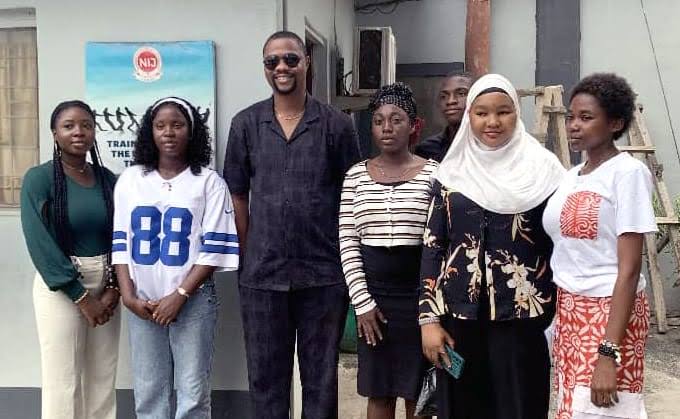
Seasoned Nigerian entertainment journalist Gbenga Bada has called on students of the Nigerian Institute of Journalism (NIJ) to approach entertainment reporting with unwavering passion and strict adherence to professional standards.
Speaking at a recent engagement with students at the prestigious journalism institution in Ogba, Lagos, Bada, who serves as Assistant Entertainment Editor at *The Nation* newspaper, emphasized that the dynamic field of entertainment journalism demands more than mere reporting—it requires genuine enthusiasm and ethical rigor to stand out in an increasingly competitive media landscape.
“Entertainment reporting is not just about chasing headlines or celebrity gossip,” Bada reportedly told the aspiring journalists. “It thrives on passion for the arts, culture, and stories that shape our society, combined with the professionalism that ensures accuracy, fairness, and credibility.
“Bada, known for his in-depth coverage of Nigeria’s vibrant entertainment industry—including music, film, and celebrity features—drew from his extensive experience to inspire the students.
He highlighted the importance of building strong ethical foundations amid the rise of digital media and social platforms, where misinformation can spread rapidly.
The session, part of NIJ’s ongoing efforts to bridge the gap between academia and industry practice, resonated with attendees, who praised Bada’s practical insights into navigating the challenges and opportunities in entertainment journalism.
As Nigeria’s creative sector continues to grow globally, voices like Bada’s underscore the need for a new generation of reporters equipped not only with skills but with the drive to elevate the profession.
Entertainment
Super Eagles Iwobi to launch music album ‘More To Life’
The Fulham FC star revealed that the exnded play (EP) will feature a blend of solo efforts and collaborations, with Iwobi working alongside artistes such as 24am, Teniola Time, Gidi, Fido and SPK.

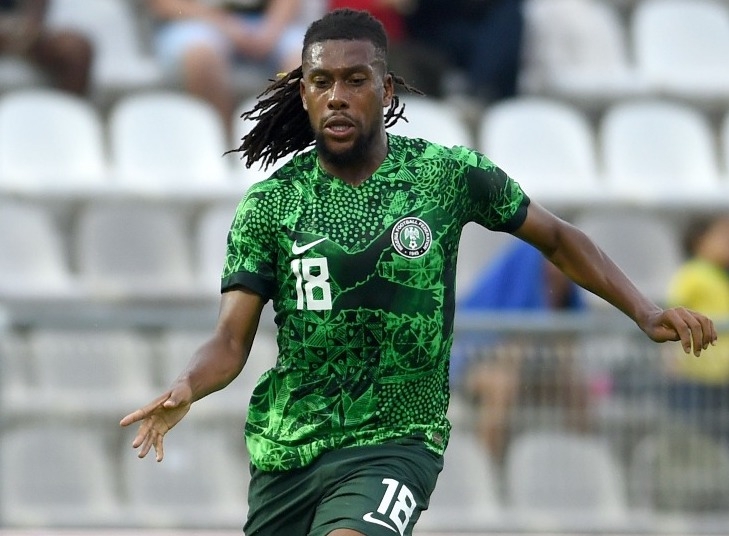
The Super Eagles midfielder Alex Iwobi has ventured into the music industry besides footballing, revealing on Instagram that he is set to release the first album, titled ‘More To Life,’ on April 9.
The Fulham FC star revealed that the exnded play (EP) will feature a blend of solo efforts and collaborations, with Iwobi working alongside artistes such as 24am, Teniola Time, Gidi, Fido and SPKS.
The announcement was accompanied by the album artwork and a full tracklist for the nine-song project.
Two of the tracks will see the midfielder perform solo, highlighting his growing confidence in music.Iwobi is no stranger to the studio, having previously collaborated with fellow footballer Chuba Akpom—who records under the alias Skoli—as well as British rapper Ramz on the track Hop Out.
Despite his ventures into music, the 29-year-old continues to play a key role on the pitch.
Entertainment
Superstory TV Drama Begins Today With ‘Game Boys’
The star-studded casts of Superstory include: Toyin Alausa; Gloria Anozie; Nifemi Bruce; Saheed Bayonle; Bukky Ogunnote; Abiola Ajibike; Adeyoju Oluwaferanmi; Tolu Ogungbade; Jerry Smart; Mercy Effiong; Omolara Adenuga; Ifeoluwa Shobande; Christiana Nnamani; Favour Tawo; Yarima Shammah; Eniola Matonle, and many of your favourite stars.
” From today March 26, 2026, episodes of Superstory: Game Boys will be airing weekly to viewers across Nigeria and several parts of Africa on NTA Network (Thursdays), wapTV (Thursdays), BCOS Ibadan (Saturdays), ITV Benin (Wednesdays), RSTV (Saturdays), ARTV (Tuesdays), PRTV (Saturdays), ITV Abuja (Wednesdays), MITV (Sundays ) and RAVE TV (Wednesdays); as well as online on YouTube: “waptvchannel.”
This is disclosed by the producer of Superstory TV Drama, Wale Adenuga Jnr., emphasising: “Superstory: Game Boys is a very captivating story which would hook viewers from the very first episode.”
Giving insights into the plot, Adenuga Jnr, said : “The Superstory: ‘Game Boys’ tells the story of Toyin, who dates a renowned internet fraudster, D-Boy, despite warnings from her brother, Ladi. All the while, she believes she is not directly committing any crimes.
“However, she soon finds herself drawn deeper into the dangerous world of cybercrime as her beauty catches the attention of bigger players who are ruthless and diabolical in nature.
“To save the family, Ladi must go to extreme lengths before it is too late.”
The star-studded casts of Superstory include: Toyin Alausa; Gloria Anozie; Nifemi Bruce; Saheed Bayonle; Bukky Ogunnote; Abiola Ajibike; Adeyoju Oluwaferanmi; Tolu Ogungbade; Jerry Smart; Mercy Effiong; Omolara Adenuga; Ifeoluwa Shobande; Christiana Nnamani; Favour Tawo; Yarima Shammah; Eniola Matonle, and many of your favourite stars.
In addition to the great production design and the multiple celebrities in it, the programme stands strong on the foundation of a very fascinating story, which is authentically African and relatable to viewers of all ages.
After Superstory recently won the ‘TV Drama of the Year’ award at the Nigeria Media Merit Awards (NMMA), we promised something extra special, and here it is.
Entertainment
AGN President Jetting to London for UK–Nigeria Creative Roundtable and Awards
I am honoured to participate in the creative roundtable and awards in collaboration with Elegant Flix 3D Magazine, themed: ‘Global Partnerships for Sustainable Cultural Heritage and Integrity’, which is in line with United Nations Social Development Goal17
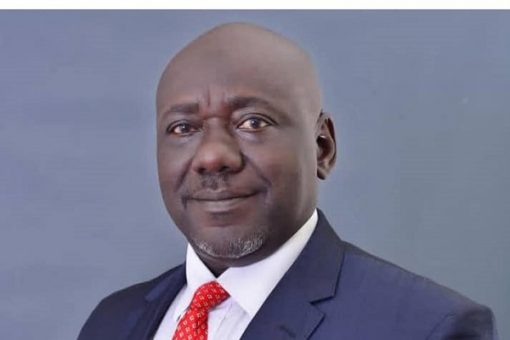
The President of the Actors Guild of Nigeria (AGN), Abubakar Sanusi Yakubu, has been billed to participate in the upcoming UK–Nigeria Creative Roundtable and Awards.
The event, scheduled to hold annually, will take place on Thursday, March 26, from 6:30 p.m. to 11:00 p.m. in London
Commenting on the event, Yakubu affirmed that his participation would focus on engaging global industry leaders and fostering collaborations that promote Nigerian culture and talent on the world stage.
He said, “I will be in London for our forthcoming international engagement. I am honoured to participate in the creative roundtable and awards in collaboration with Elegant Flix 3D Magazine, themed: ‘Global Partnerships for Sustainable Cultural Heritage and Integrity’, which is in line with United Nations Social Development Goal17.
“I am looking forward to the event, and I know it will be an interesting and fruitful venture.”
Key stakeholders expected at the gathering include: Hannatu Musawa, Minister of Art, Culture and the Creative Economy; founder, Elegant Flix 3DM Magazine – HRM Florence Okonkwo (Queen of the red carpet); Dr. Ejezie Emeka Rollas, (MON, emeritus president, AGN); Chief Steve Enoh (Chairman, organising committee); Hon. Desmond Elliot; Chioma Akpotha (host); Ifeoma Okeke – Ozzoude ( moderator/ event producer), among others.


Ebonyi: Gunmen Assasinate Another Traditional Ruler

From South Africa to US, ‘Cicada’ COVID-19 variant spreading

FIFA ranks Super Eagles third in Africa, 26th globally

Tech Expert, Zuckerberg trains with UFC champions, Adesanya, Alexander

Organ Trafficking: Ekweremadu bags 10 years in UK prison

SAINT OBI: Between his marriage and his death
-

 Business3 days ago
BUA Foods Plc Reports Strong 2025 Performance with ₦1.77 Trillion Revenue, Proposes Record ₦28 Dividend per Share
-

 News3 days ago
NELFUND Debunks Claims of ₦25,000 Student Upkeep Allowance
-
 Business2 days ago
33 Nigerian Banks Beat CBN’s Recapialisation with ₦4.65trn Combined Capital Base
-
 News3 days ago
Tinubu Appoints CAC, NPC, Officials, Names Adviser on Political Economy
-

 Sports3 days ago
Sportsville Awards: Olopade Leads NSC Delegation to Honour Dikko with Transformative Impact Award
-
 News3 days ago
Nigeria Welcomes African Games Bid Evaluation Committee
-

 Sports2 days ago
FirstBank Sponsors Samuel Okwaraji U-16 Football Championship 2026
-

 Politics1 day ago
BREAKING: INEC Withdraws Recognition of David Mark’s ADC