
Business
Senate will pass 2026 budget after Sallah break, says Akpabio
Earlier, the Senate Committee on Appropriations had tentatively fixed Tuesday, March 17, for the final consideration and passage of the ₦58.47 trillion 2026 Appropriation Bill.

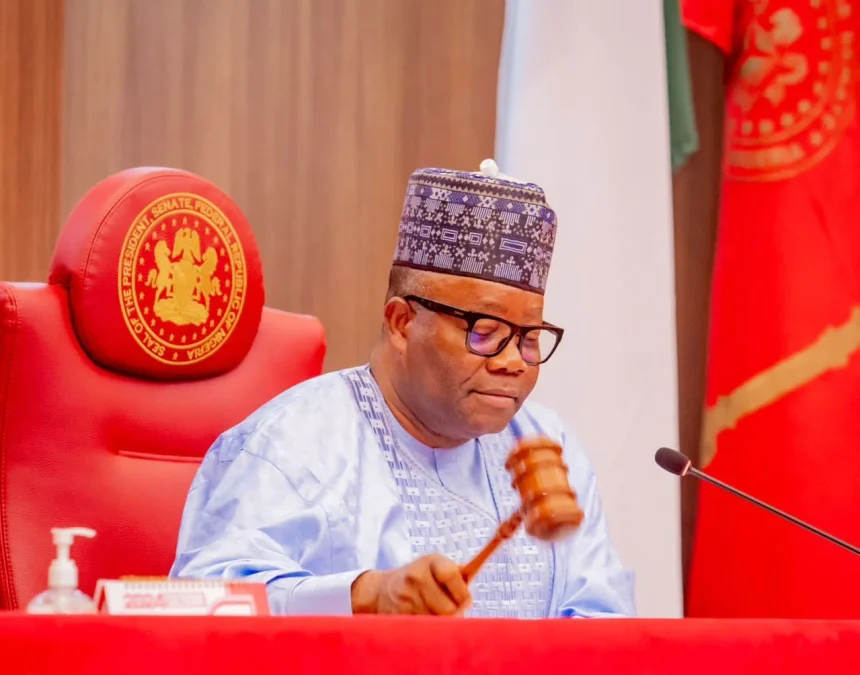
Godswill Akpabio, President of the Senate, said that the Senate will pass the 2026 Appropriation Bill on March 31.
Earlier, the Senate Committee on Appropriations had tentatively fixed Tuesday, March 17, for the final consideration and passage of the ₦58.47 trillion 2026 Appropriation Bill.
Speaking before the Senate adjourned plenary for the Sallah break, Akpabio said that the standing committees would continue working during the recess, particularly on ongoing budget defence sessions and coordination with the Senate Committee on Appropriations.
He said: “I hope the Leader will put pressure on the Committee on Appropriations to harmonise the report of the 2026 Appropriation Bill by that date.
“This is so that when we resume, we can try our best to pass the budget without requiring further concurrence or harmonisation.
“Leadership must work together to ensure everything is in order. The House of Representatives has already adjourned to conclude budget processes and will also reconvene on March 31.
“On that day, we hope to pass the national budget in tandem with the Senate,” said Akpabio.
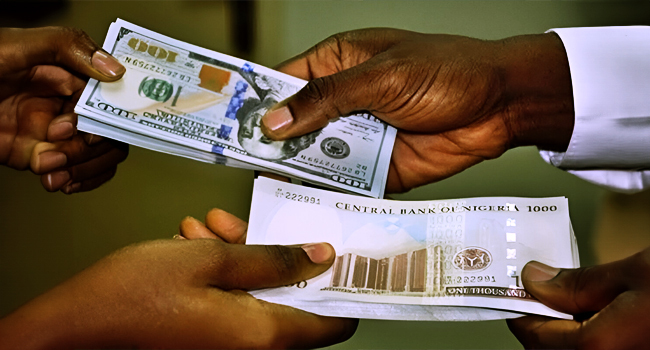
BLACK/ PARALLEL MARKET RATES
₦1370 DOLLAR (USD)
₦1800 POUND (GBP)
₦1510 EURO (EUR)
₦970 CANADIAN DOLLAR (CAD)
₦65 SOUTH AFRICAN RAND (ZAR)
₦350 UAE DIRHAM (AED)
₦190 CHINESE YUAN (CNY)
₦100 GHANAIAN CEDI (GHS)
₦2300 WEST AFRICAN CFA F.(XOF)
₦2200 CENTRAL AFRICAN CFA F.(XAF)
₦850 AUSTRALIAN DOLLAR AUSSIE (AUD)
CBN OFFICIAL RATES
DOLLAR (USD)₦1331.61
POUND (GBP)₦1764.26
EURO (EUR)₦1490.48
SWISS FRANC (CHF)₦1608.23
JAPANESE YEN (JPN)₦8.4
CFA FRANC (XOF)₦2.27
WEST AFRICAN UNIT OF ACCOUNT (WAUA)₦1802.33
CHINESE YUAN (CNY)₦199.01
SAUDI RIYAL (SAR)₦354.83
SOUTH AFRICAN RAND (ZAR)₦80.49
Business
WEF could appoint Lagarde as its next chair, sources say
The WEF’s Board of Trustees, which includes Lagarde herself, was due to meet on November 2 and could elect her as its next chair, said the people close to the organisation, who spoke on condition of anonymity due to the sensitivity of the matter.
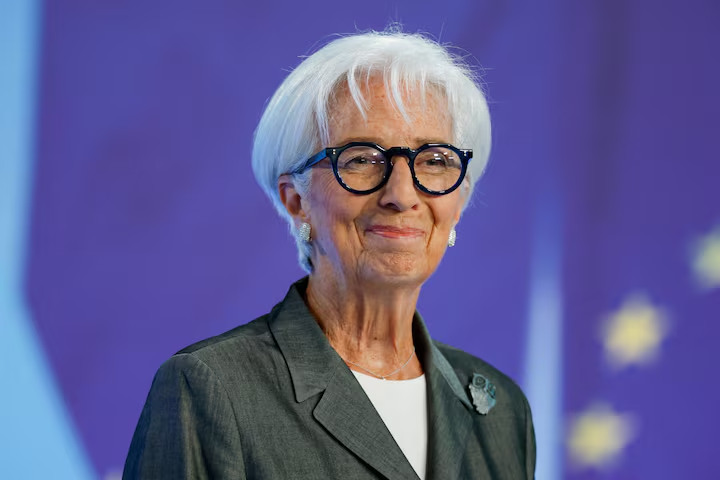
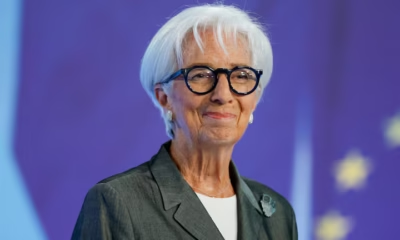
•European Central Bank President Christine Lagarde
The World Economic Forum could appoint Christine Lagarde as its next chair as soon as next month, four people close to the organisation told Reuters, meaning she would step down early as European Central Bank chief and trigger a wider reshuffle at the top of the ECB.Lagarde’s ECB term is scheduled to end in October 2027.
Leaving early would give European Union leaders a chance to pick a new ECB President before France’s spring presidential election, which opinion polls suggest the far-right could win, and could pave the way for a deal involving two other senior ECB roles.
The WEF’s Board of Trustees, which includes Lagarde herself, was due to meet on November 2 and could elect her as its next chair, said the people close to the organisation, who spoke on condition of anonymity due to the sensitivity of the matter.
No final decision has been taken yet, they said.
A spokesperson for the WEF said the forum could not confirm when the next full Board of Trustees meeting would take place, but that the aim was to hold one before the end of the year.
Business
Germany plans tax on sugary drinks
The tax is expected to generate additional revenue for the federal government of €690 million in 2027 and €925 million in 2028.
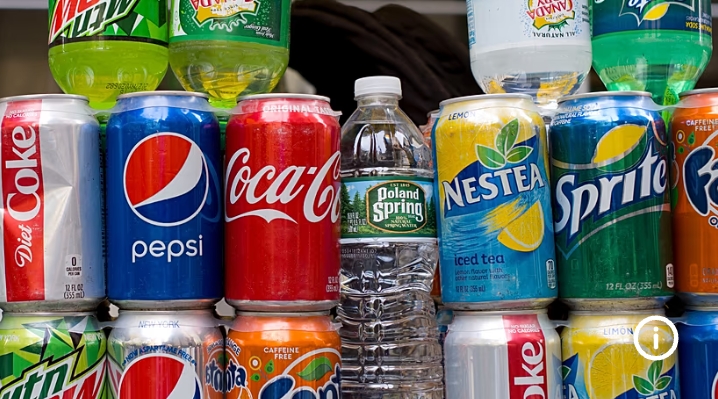
The German cabinet has approved draft legislation to tax sugary drinks in Europe’s biggest economy.
If passed by the German Bundestag, the tax will take effect on 1 July 2027.
The coalition aims to raise revenue for the federal budget while encouraging manufacturers to reduce sugar content and offer healthier products.
The levy is intended to ease pressure on the healthcare system, which faces costs of more than €2 billion every year linked to the high consumption of sugary drinks, which contributes to obesity, diabetes and tooth decay.
According to the federal government, Berlin is using the tax to implement “what associations from the fields of health, science, child protection, and consumer protection have long been demanding.”
The tax is expected to generate additional revenue for the federal government of €690 million in 2027 and €925 million in 2028.


JUST IN: Mob Sets BRT Bus Ablaze After Motorcyclist’s Death in Lagos

BREAKING: DSS Arrests Fugitive Maina Son, Hands Him to EFCC

BREAKING: 5 Arrested Over Imo NYSC Abduction

BREAKING: Lagos Govt Declares Today, Thursday Work-Free to Mark 2026 Ìṣẹ̀ṣe Day

Tech Expert, Zuckerberg trains with UFC champions, Adesanya, Alexander

Organ Trafficking: Ekweremadu bags 10 years in UK prison
-
 Business2 days ago
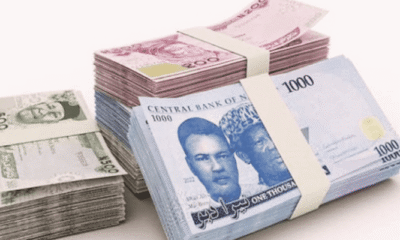
Naira Exchange Rates For Thursday, October 15
-
 Sports2 days ago
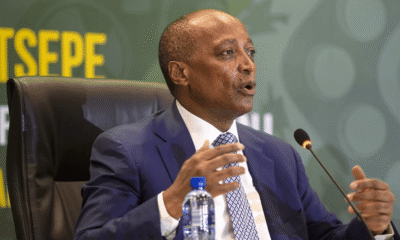
CAF Increases Annual Funding for Member Federations to $700,000
-

 News2 days ago
ASCON To Be Rebranded “National School Of Government”
-

 Business2 days ago
Germany plans tax on sugary drinks
-

 News3 days ago
Sanwo-Olu Appoints Olatunbosun Ogunbanwo, 5 Others as Perm Secs
-
 Business2 days ago
WEF could appoint Lagarde as its next chair, sources say
-

 International2 days ago
“Mother of all bombs,” Trump Plans To Hit Iran
-
 Crime22 hours ago
BREAKING: 5 Arrested Over Imo NYSC Abduction