
News
Face of North East’s Suicide Bombers Ringleader
According to consistent and corroborated statements, Shariff Umar was responsible for recruiting, preparing, directing, and dispatching suicide bombers to assigned targets, as well as coordinating logistics and delivery of Improvised Explosive Device (IED) components.

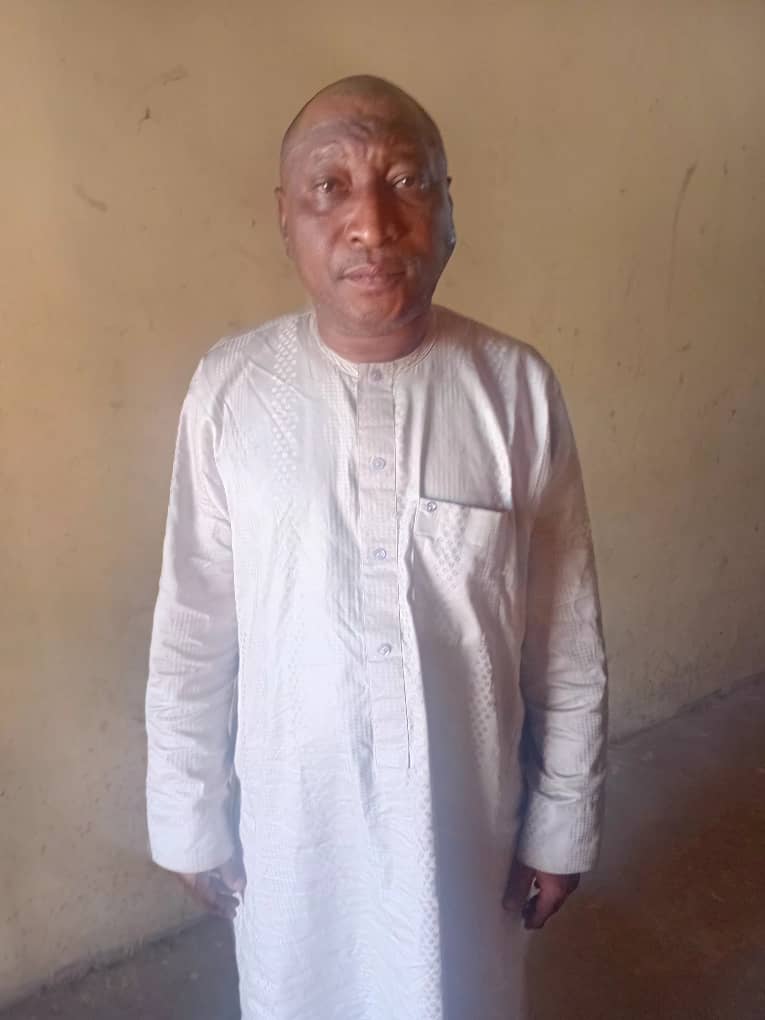
•Shariff Umar/ Operation HADIN KAI photo
Operation HADIN KAI (OPHK) has made a major breakthrough in its sustained counter-terrorism operations with the identification of Shariff Umar as the principal coordinator of suicide bombing activities responsible for recent attacks and attempted attacks within the North East.
This development followed intelligence-led cordon-and-search operations conducted at the Kalmari area of Maiduguri on 31 December 2025, during which 14 suspects linked to suicide bombing activities were arrested.
Subsequent detailed identification and investigative processes established the structure, roles, and operational linkages of the terror cell.
During the investigation, a suspected suicide bomber currently in custody, Ibrahim Muhammad, unequivocally identified Shariff Umar (also known as “Yusuf”) as the ringleader and coordinator of the terror network.
According to consistent and corroborated statements, Shariff Umar was responsible for recruiting, preparing, directing, and dispatching suicide bombers to assigned targets, as well as coordinating logistics and delivery of Improvised Explosive Device (IED) components.
Investigations further revealed that Shariff Umar directly coordinated the suicide bombing attack at the Gamboru Market Mosque on 24 December 2025, during which his accomplice, Adamu (now deceased), detonated a suicide vest.
He was also identified as the coordinator of the foiled suicide bombing attempt in Damaturu, personally handing over IED components to the suicide bomber in Maiduguri.
Additional links within the network were established, including the involvement of Shariff Umar’s wife, Yagana Modu, and the confirmation by his stepdaughter, Amina, who admitted to previously seeing the suspect bomber within their residence.
These findings significantly strengthened the investigative trail and exposed the domestic and community-based concealment methods employed by terrorist facilitators.
All suspects remain firmly in custody and are undergoing intensive, multi-layered investigations aimed at fully dismantling the network, identifying additional collaborators, and recovering any remaining explosives or logistical assets.
OPHK underscores that this success once again highlights the critical importance of effective collaboration between security forces and the civil populace.
Terrorist networks often survive by hiding within communities, exploiting silence, fear, or misplaced loyalty.
Timely information from law-abiding citizens remains one of the most powerful tools in preventing attacks and saving innocent lives.
Members of the public are therefore strongly urged to remain vigilant and report suspicious persons, movements, or activities to security agencies.
Cooperation and trust between the military and local communities are essential to completely rooting out terrorism and restoring lasting peace across the region.



The Federal High Court Lagos Division is set to fully transition to a digital era, as it mandates electronic filing for all new cases starting from April 27, 2026.
In a major push towards modernizing justice delivery, the court announced that manual filing of new cases will cease on April 24, 2026. From April 27 onwards, legal practitioners will be required to file all fresh matters exclusively through the court’s new e-filing platform.
Existing cases filed before the transition date will continue to be processed under the traditional manual system until final judgment is delivered, ensuring no disruption to ongoing litigation.
According to a statement from the court, any understatement of claims or misrepresentation of documents submitted via the platform will attract a penalty of ₦10,000 per filing, in addition to the payment of any outstanding fees.
To gain access to the e-filing system, lawyers must first obtain a Legal Mail account. Law firms are also required to upload their Corporate Affairs Commission (CAC) registration documents when creating their digital profiles.
Oath-related documents will be handled through the dedicated e-Affidavit portal. However, deponents will still be required to physically appear before a Commissioner for Oaths to complete the process.
This initiative forms part of the Federal High Court’s broader digital transformation drive aimed at enhancing efficiency, transparency, and accessibility in the justice system.
Legal practitioners are advised to familiarize themselves with the platform ahead of the deadline to avoid any hitches in filing new matters.
News
President Tinubu at 74, Donates Salaries to Armed Forces Welfare Fund
As a personal commitment, the President has pledged to contribute all his salaries since assuming office as seed funding for the initiative, reinforcing his resolve to ensure that those who have borne the cost of Nigeria’s peace and security are not forgotten.
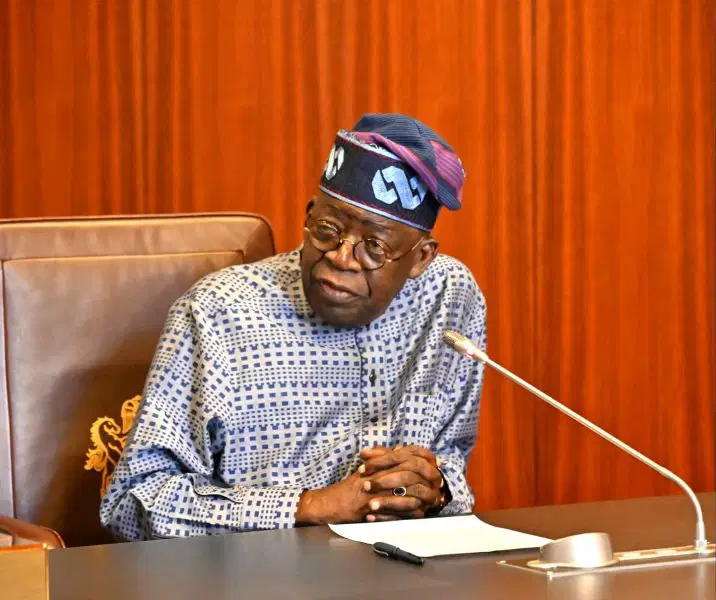
President Bola Ahmed Tinubu has announced the establishment of a dedicated support fund for members of Nigeria’s Armed Forces, those wounded in the line of duty, and the families of fallen heroes.
The President announced the initiative on Sunday, using the commemoration of his 74th birthday, to honour the courage, sacrifice, and service of the nation’s military personnel.
In a statement , Bayo Onanuga the Special Adviser to the President Information and Strategy, said that President Tinubu has directed the Accountant-General of the Federation to establish a special account for the fund, which will provide targeted support to injured service members, as well as to widows, widowers, and children of those who lost their lives in service to the country.
As a personal commitment, the President has pledged to contribute all his salaries since assuming office as seed funding for the initiative, reinforcing his resolve to ensure that those who have borne the cost of Nigeria’s peace and security are not forgotten.
The President called on State Governors, members of the National Assembly, the private sector, his friends, and well-wishers to support the initiative, noting that details of the fund will be made available in due course.
President Tinubu emphasised that the initiative is rooted in a solemn national obligation to care for those who stand in harm’s way and the families who carry the burden of their sacrifice, irrespective of insurance programmes available to members of the armed forces.
President Tinubu also stated that supporting members of the Armed Forces and their families is not an act of charity, but a duty that all must fulfil.
The President reaffirmed his administration’s commitment to strengthening the welfare of military personnel and ensuring that their service to the nation is matched with dignity, care, and sustained support.”
News
El-Rufai’ loses mother, Hajiya Umma
She died at a time El-Rufai remains in custody following his arraignment by the Independent Corrupt Practices and Other Related Offences Commission on a 10-count charge bordering on alleged conversion of public property and money laundering.
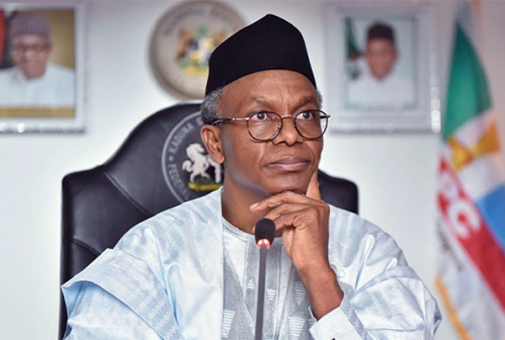
Hajiya Umma El-Rufai, the mother of detained former Kaduna State Governor Malam Nasir El-Rufai, is dead
Her grandson, Hon. Bello El-Rufai, confirmed the development on Friday in a Facebook post:
“Inna lillahi wa inna ilayhi raji’un. I would like to inform the public of the demise of my Grandmother, Hajiya Umma El-Rufai who passed away a few hours ago. She is the biological mother of our father, Mallam Nasir El-Rufai.
We are grateful for the life she lived and may Allah SWT bless her gentle soul. On behalf of our family, we seek your prayers.”
She died at a time El-Rufai remains in custody following his arraignment by the Independent Corrupt Practices and Other Related Offences Commission on a 10-count charge bordering on alleged conversion of public property and money laundering.


JUST IN: Terrorists Invade Kaduna Wedding Ceremony, Kill 13 Guests In Late-Night Attack

PDP Leadership Crisis: Faction Heads to Supreme Court as Tussle Deepens

12 killed in Plateau attack

Tech Expert, Zuckerberg trains with UFC champions, Adesanya, Alexander

Organ Trafficking: Ekweremadu bags 10 years in UK prison

SAINT OBI: Between his marriage and his death
-
 News3 days ago
Kano Deputy Governor Resigns
-
 News3 days ago
El-Rufai’ loses mother, Hajiya Umma
-

 Sports20 hours ago
CAF appoints Nigeria’s Samson Adamu as acting secretary general
-
 Politics1 day ago
JUST IN: Kwankwaso Set to Join ADC on Monday
-

 Business19 hours ago
Governor Otti Commissions Ultimum Manufacturing Plant in Aba
-
 News11 hours ago
President Tinubu at 74, Donates Salaries to Armed Forces Welfare Fund
-

 Politics10 hours ago
PDP will contest 2027 polls, says Wike
-
 News2 hours ago
Lagos High Court Embraces Full Digital Transformation with Mandatory E-Filing
Larry Thomas
January 6, 2026 at 2:33 am
Hello! I’ve been reading your weblog for some time now and finally got the bravery to go ahead and give you a shout out from Huffman Texas! Just wanted to tell you keep up the fantastic work!