
News
Dispute stalls Federal Govt, Emefiele plea bargain talks


The suspended Central Bank of Nigeria (CBN) Governor Godwin Emefiele and other top officials of the bank held by the Department of State Service (DSS), may face trial, this is according to the Nation newspaper.
This follows the stalling of the plea bargain move between the Federal Government and the embattled apex bank boss.
The Nation newspaper reported that Emefiele and the affected officials of the apex bank have “not made substantial concessions on some refunds expected from them, while sources said trillions of Naira were being tracked by a federal agency but only a few billions of naira was offered as refundable by some of those linked to the suspicious transactions.
It was gathered that some interceding forces and Emefiele have not made progress on the plea bargain terms.
Despite Emefiele’s offer to step aside in August, the other aspects of plea bargain process were “not substantially met.”
It has also been confirmed that the four deputy governors were dropped because of their alleged complacency when Emefiele was in the saddle at the apex bank.
It was learnt that the Presidency was shocked by the “massive scale of fraud and flagrant violations of the CBN Act,”.
It was also learnt that following interventions, the government’s investigation, initially coordinated by a security agency, had recommended plea bargain option with Emefiele, who wanted it.
Apart from Emefiele offering to step aside, other terms were the withdrawal of court cases against the government and the refund of substantial cash allegedly linked to him and others.
But there were strong indications that the plea bargain option may have suffered a setback.
“The engagement of the Special Investigator has also uncovered more mismanagement of resources and questionable expenditures in CBN than what some security agencies dug up.
A source within the Presidency, said the CBN was stinking. He declined to volunteer information on the plea bargain dimension.
The source said the government might prosecute anyone indicted.
He said: “I don’t know whether plea bargain has collapsed or not. I don’t even know if that is on the table to start with. But I know the CBN Governor and the Deputies have been removed.
“The investigations across board are going on and Iam sure the govt will prosecute anyone who has compromised the country.”
Investigation confirmed that the four deputy governors were replaced because of their alleged complacency.
The Presidency source said none of the deputy governors complained when Emefiele was allegedly mismanaging the CBN.
“Most of the DGs “actively collaborated with Emefiele on policies and decisions not in line with the CBN’s mandate,” he said.
Those affected were Folashodun Adebisi Shonubi (Deputy Gov Operations and Acting Governor); Aisha Ahmad (Deputy Governor, Financial System Stability): Adamu Lamtek (Deputy Gov Corporate Services) and Kingsley Obiora (Deputy Governor, Economic Policy).
The source added: “Investigation is still ongoing. The special investigator sure uncovered a lot of rots which implicated the Deputy Governors.
“There is no way the Deputy Governors would have remained with the scale of corruption, poor corporate governance and complacency that happened under Emefiele.
“Allowing them to remain will mean the government has condoned all that went down under their watch.”
Source: The Nation Newspaper








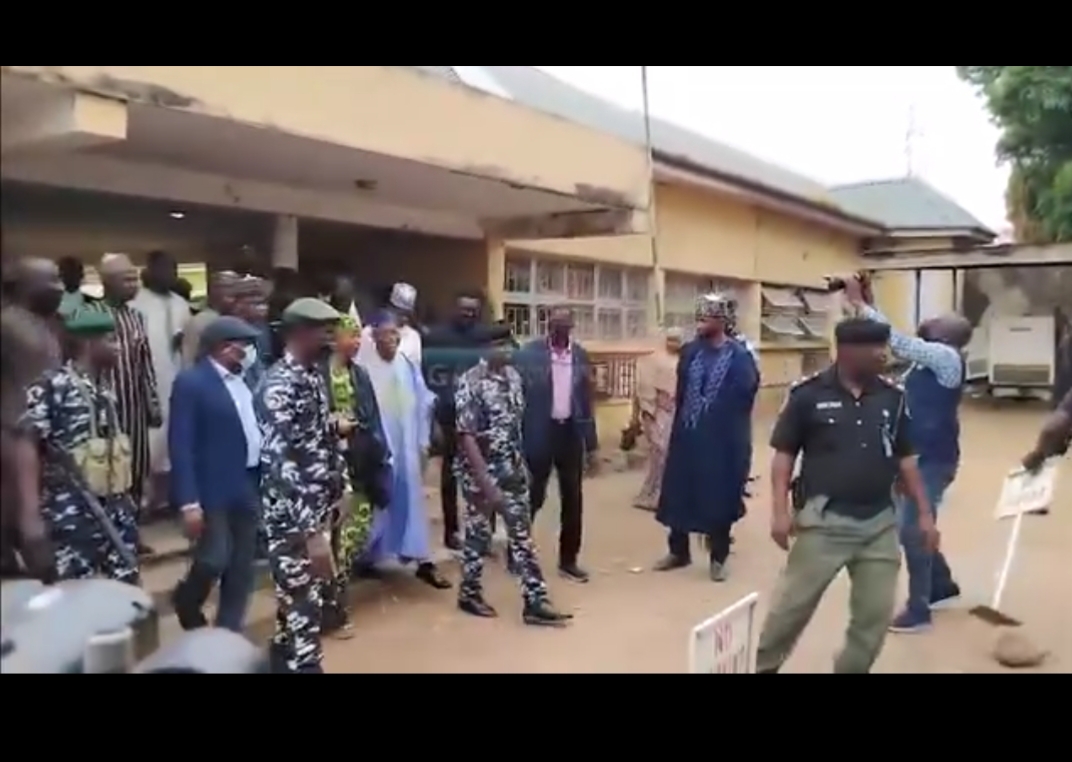
Former Kaduna State Governor, Nasir El-Rufai, has concluded proceedings at the State High Court in Kaduna and is now proceeding to the Federal High Court for the continuation of another suit.
El-Rufai, who was earlier present at the State High Court for the continuation of his trial, left the premises after the sitting ended.
He is expected to appear before the Federal High Court in Kaduna for further proceedings related to another case.
Security presence remained visible around both court premises as proceedings attracted attention from observers and supporters.
Details of the proceedings at the Federal High Court are expected to emerge as the matter continues.
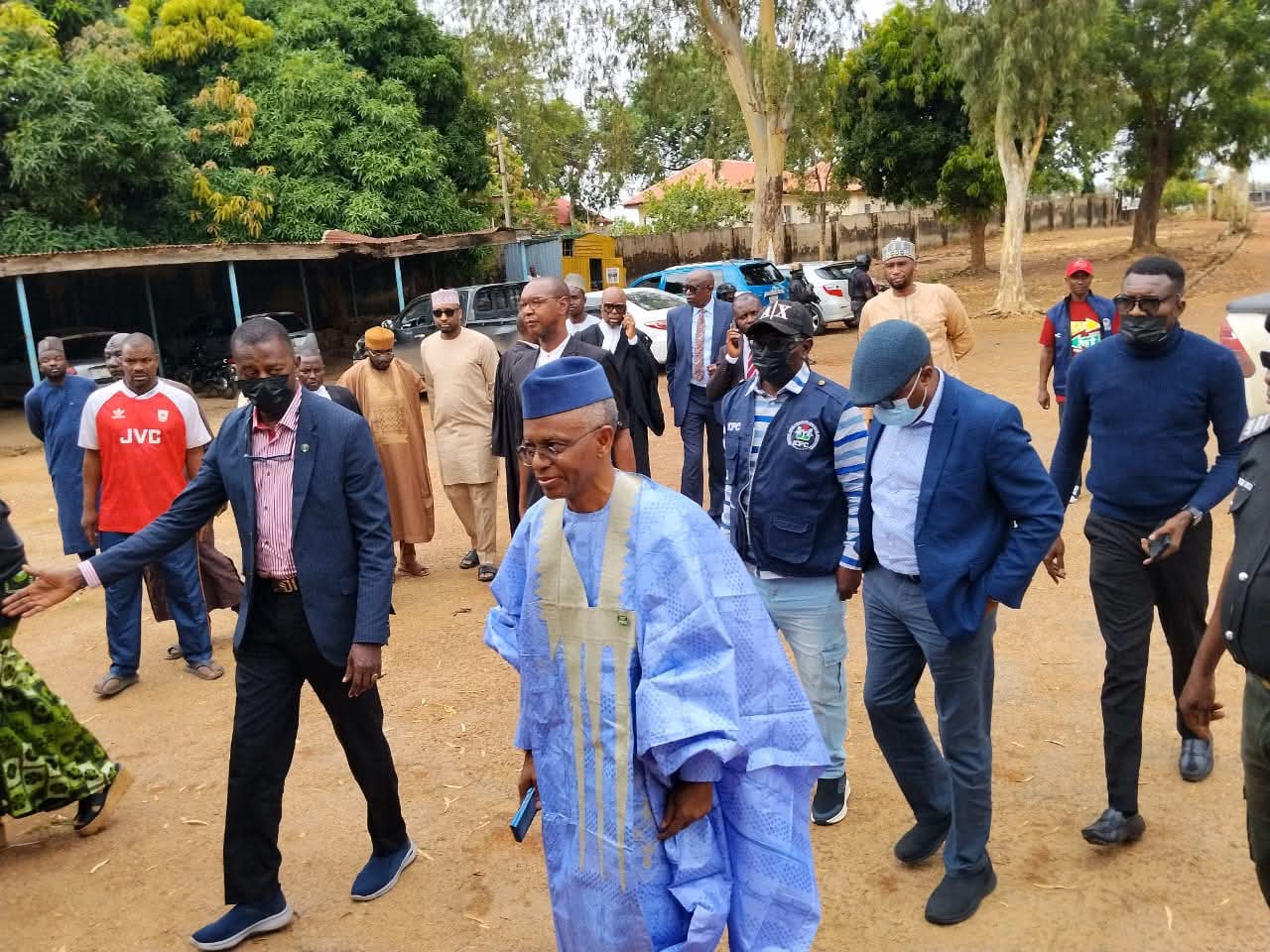
The former Kaduna State Governor, Nasiru El-Rufai, on Tuesday morning arrived at the Kaduna State High Court for the trial, and there after he is expected to proceed to the Federal High Courtfor continuation of his proceedings.
The former governor arrived at the Kaduna State High Court amid tight security presence, as legal teams from both sides prepare to continue hearing in the matter. El-Rufai is also scheduled to appear before the Federal High Court for continuation of related legal processes.
The case continues to attract significant public attention, with observers closely monitoring developments across both courts.
Details of the matters to be addressed in both courts have not been fully disclosed, but outcomes from the hearings are expected to influence the direction of the trial.
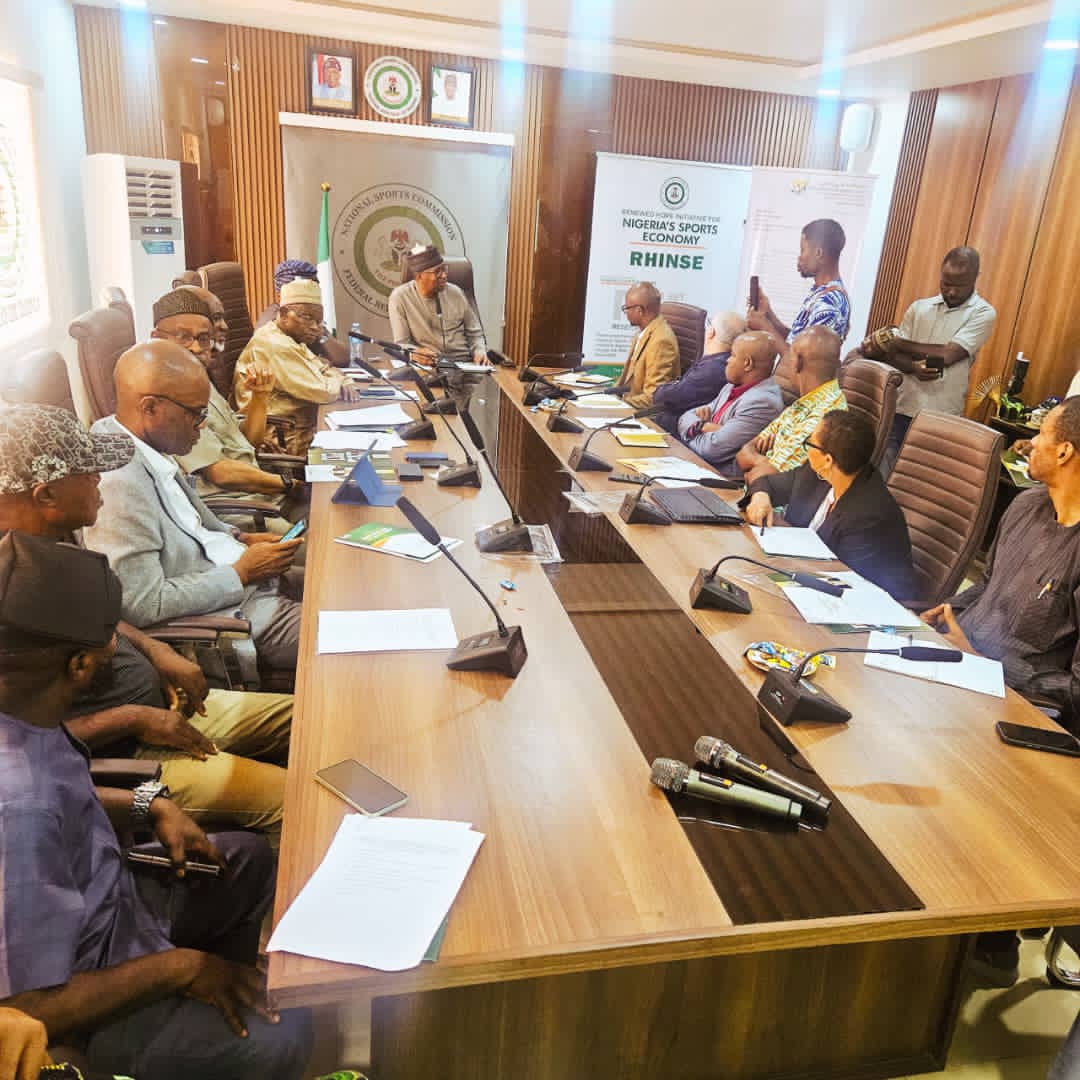
Nigeria officially welcomed the African Games Bid Evaluation Committee on Monday, marking a significant step in the nation’s quest to host the 2031 African Games.
The delegation, led by Dr. Decius Chipande, was received by top officials of the National Sports Commission (NSC) and treated to a comprehensive and compelling presentation showcasing Nigeria’s readiness, capacity, and vision to host a memorable Games.
Chairman of the NSC, Mallam Shehu Dikko, in his remarks, reaffirmed the solid support of the Federal Government for the bid.
He emphasized that hosting the African Games remains a national priority, backed by strong political will and a commitment to deliver world-class infrastructure, seamless organization, and a lasting legacy for African sports.
Director General of the Commission, Hon. Bukola Olopade, presented Nigeria’s strategic sponsorship and marketing framework, outlining innovative approaches to funding and commercial partnerships.
He noted that Nigeria’s large market, vibrant sports culture, and growing private sector interest provide a solid foundation for a financially successful Games.
Providing further depth to the bid, ace broadcaster and Bid Coordinator, Mainasara Ilo, delivered an engaging presentation on legacy, highlighting how the Games would catalyze youth development, infrastructure expansion, and community impact across the country.
On the technical front, former Director of Medicine at the Commission, Dr. Paul Onyedo, detailed Nigeria’s preparedness in sports medicine and its scientific approach to anti-doping, testing, and athlete health management, aligning with international best practices.
In addition, Dr. Emmanuel Igbinosa presented the country’s comprehensive welfare framework, assuring the Committee of Nigeria’s readiness to provide a safe, secure, and athlete-centered environment throughout the Games.
The Evaluation Committee commended Nigeria’s presentation, noting the clarity of vision, depth of planning, and strong alignment between government and private sector stakeholders.
The Committee commenced inspection of key facilities on Monday, with further assessments on Tuesday.
Nigeria remains confident that its compelling bid, backed by experience, infrastructure, and national commitment, positions the country strongly to host a historic and impactful African Games.


Afreximbank Leads $4bn Financing for Dangote Refinery with $2.5bn Commitment

JUST IN: El-Rufai Leaves State High Court for Federal High Court in Kaduna

El-Rufai Appear in State High Court, after Mother’s death, as Trial Continues

Tech Expert, Zuckerberg trains with UFC champions, Adesanya, Alexander

Organ Trafficking: Ekweremadu bags 10 years in UK prison

SAINT OBI: Between his marriage and his death
-
 Sports2 days ago
CAF appoints Nigeria’s Samson Adamu as acting secretary general
-

 Business2 days ago
Governor Otti Commissions Ultimum Manufacturing Plant in Aba
-
 Politics2 days ago
JUST IN: Kwankwaso Set to Join ADC on Monday
-
 News2 days ago
President Tinubu at 74, Donates Salaries to Armed Forces Welfare Fund
-

 Business6 hours ago
BUA Foods Plc Reports Strong 2025 Performance with ₦1.77 Trillion Revenue, Proposes Record ₦28 Dividend per Share
-

 Politics1 day ago
PDP Leadership Crisis: Faction Heads to Supreme Court as Tussle Deepens
-
 Politics2 days ago
PDP will contest 2027 polls, says Wike
-
 Business2 days ago
OPay launches new office in Jos