
News
David Mark Urges Tinubu to Immortalize Clark, Adebanjo • Pa Clark ‘s a Moral Compass- Akpabio
Senator Mark noted that Clark and Adebanjo may not have seen a Nigeria of their dreams but they have laid a solid foundation for future growth and development.

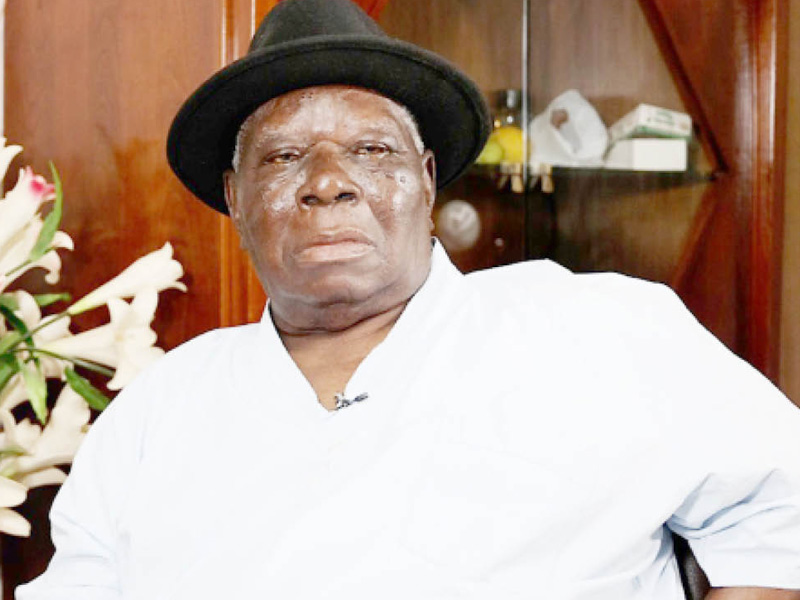
Former President of the Senate, Senator David MarkSenator Mark on Tuesday, urged President Bola Tinubu to immortalize Pa Edwin Kiagbodo Clark and Pa Ayo Adebanjo, for their selfless services and contributions to Nigeria.
Senator David Mark hopes that the ideals of patriotism, equal opportunities, unity, peace, and progress which the departed elder statesmen advocated will inspire Nigeria’s future growth.
The former Senate boss also consoles the immediate families, governments, and people of Ogun and Delta States just as he urged them to find solace in the credible legacies left behind by the two elder statesmen.
David Mark lamented over the demise of two elder statesmen and patriots: former Federal Commissioner for Information,
“Their demise marks the end of an era thus, creating a void in Nigeria’s socio-political landscape,” Mark stated.
Senator Mark described Clark and Adebanjo as the “last of the conscience of the nation, who tirelessly fought for a progressive Nigeria of equal opportunities for all.
“Both elder statesmen were united in their quest for an egalitarian society, free from oppression and marginalization.
” Senator Mark added that their exit is painful and regrettable, especially at this time when Nigeria needs men of good conscience and valour to address the numerous challenges.
However, Senator Mark noted that Clark and Adebanjo may not have seen a Nigeria of their dreams but they have laid a solid foundation for future growth and development.
He spoke truth to power, even when it was inconvenient, because he understood that leadership is not about comfort—it is about duty
Similarly, the President of the Senate, Senator Godswill Akpabio, in a deeply felt condolence message, described Pa Clark’s demise as a monumental loss to Nigeria, the Niger Delta, and all who cherish unity, fairness, and national progress.
“I am deeply saddened by the passing of Pa Edwin Clark, a renowned statesman, nationalist, and Ijaw leader.
His dedication to Nigeria’s unity and development will remain evergreen in the hearts of those who knew him. As a nation, we have lost a true patriot and a champion of justice.”
At 97 years old, Pa Clark stood as a bridge between generations—his life a testament to resilience, integrity, and an unwavering belief in the promise of Nigeria.
From his early days as a councillor, to his service as a federal minister, to his revered role as a political father and advisor to President Goodluck Jonathan, he was not just a leader—he was a moral compass, reminding us all of the responsibility that comes with governance.
He was a warrior for the Niger Delta, a fearless advocate for equity and resource control, and an unrelenting defender of the oppressed.
He spoke truth to power, even when it was inconvenient, because he understood that leadership is not about comfort—it is about duty.
“Pa Clark’s remarkable life was marked by strength and an undying commitment to the unity of this country.
His voice, though now silenced, will echo in the annals of our history, urging us always toward justice, fairness, and national cohesion.
” Beyond his national impact, I remember with deep gratitude his unwavering support for me, especially when I visited to seek his blessing and endorsement in my bid for the Senate Presidency.
His counsel was always rooted in wisdom, his encouragement a reflection of his deep commitment to responsible leadership.
In a moment now filled with sorrowful reflection, I recall that just a week before his passing, I sent emissaries to check on him, never imagining that it would be the last time we would reach out to him in this world.
I did not know that he was preparing for a greater journey, leaving behind the toils of this earth for the eternal peace of the better world beyond.
On behalf of my family, the people of Akwa Ibom North West Senatorial District, and the entire Senate, I extend my deepest condolences to his family, PANDEF, the people and government of Delta State, and every Nigerian who knew and loved him.”



The Federal Government has approved a ₦70,000 monthly transport intervention for public service workers across all levels for a period of six months, beginning in November 2026. The measure is intended to cushion the impact of rising living costs on employees.
The approval was one of the key resolutions reached at a conciliation meeting held on Tuesday, 27 October 2026, between the Federal Government and the leadership of the Nigeria Labour Congress (NLC) at the Federal Ministry of Labour and Employment in Abuja. The meeting followed an earlier conciliation session on 22 October and came amid renewed pressure from organised labour over the cost of living, workers’ welfare, and outstanding agreements.
According to the signed resolutions document, the transport intervention of Seventy Thousand Naira (₦70,000) “commencing from November 2026 would be paid across all levels for a period of six months.” The parties also agreed that payment of peculiar allowance arrears—effective from 1 May 2026—would be made in three equal monthly instalments beginning in November.
On the national minimum wage, both sides agreed to constitute the Minimum Wage Negotiation Committee and begin meetings immediately, though they did not reach consensus on the effective date for implementation. Additional resolutions addressed outstanding allowances for health workers (including settlement of 19 months’ arrears within three months starting December 2026), tax relief (to be referred to the National Economic Council), and other welfare matters.
The memorandum was signed by Minister of Labour and Employment Dr Muhammad Maigari Dingyadi, NLC President Joe Ajaero, Director-General of the Budget Office Tanimu Yakubu (also referred to as Timi Yakubu in some reports), Permanent Secretary (Service Welfare Office) Dr Garba Abdul, and other representatives. The Federal Government and the NLC further urged state and local governments to key into the intervention.
Further administrative details on disbursement timelines and exact modalities are expected to be clarified by the relevant authorities.
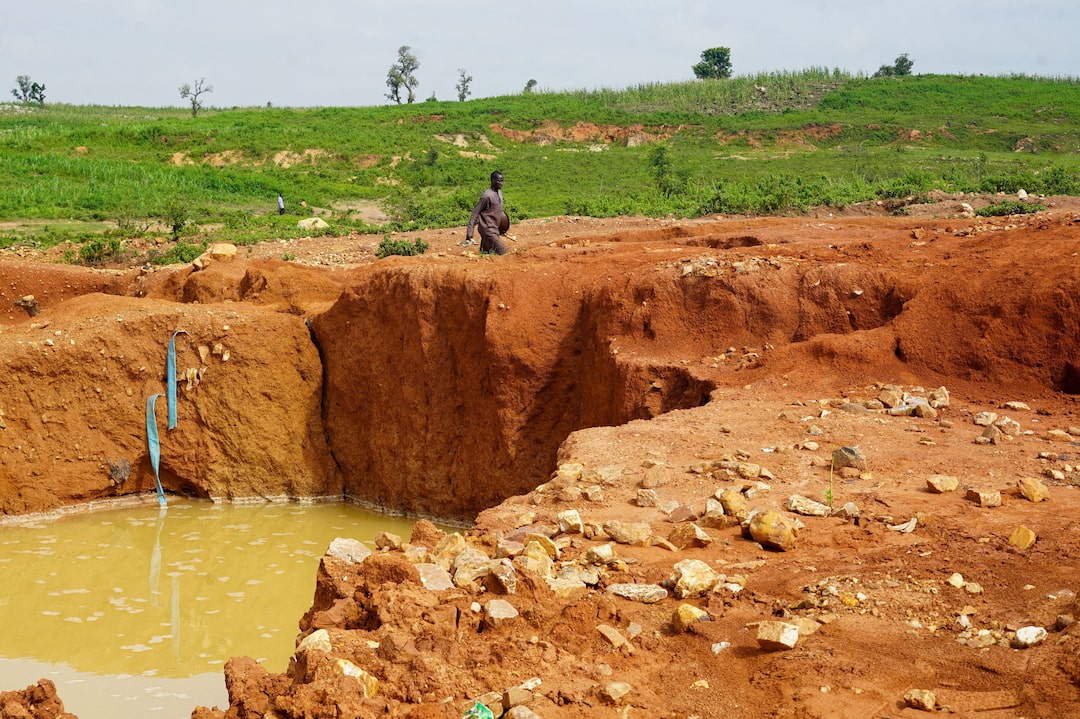
Severe overcrowding, dehydration and negligence by officers caused the deaths of 37 people held in Nigeria Security and Civil Defence Corps (NSCDC) custody in Minna, Niger State, a probe panel has concluded.
The independent ministerial committee submitted its final 65-page report to Interior Minister Olubunmi Tunji-Ojo in Abuja. The minister pledged full implementation of the findings and ordered the immediate suspension of officers implicated in alleged evidence tampering.
The report rejected earlier claims of a disease outbreak. It found that the victims died from environmental asphyxia and acute respiratory failure caused by prolonged confinement in an overcrowded cell, extreme heat and lack of water.
The incident followed raids on illegal mining sites around the M.I. Wushishi axis of Minna on 15 and 16 September. Investigators established that the operation was carried out without an operational order from NSCDC national headquarters and without the specialised Mining Marshals Unit.
By the evening of 16 September, 75 suspects — including men, women and children — had been detained. About 50 males were held in a cell measuring just 20 square metres.
Distress signals began as early as 7 p.m. that evening. Detainees banged on doors, shouted for help and repeatedly begged for water, but their pleas were allegedly ignored. When the cell was opened the next day, 33 people were dead, including 14 minors. Forty-one others survived.
Receiving the report, Minister Tunji-Ojo said the findings and recommendations would be carefully reviewed and fully implemented. He ordered the suspension of officers linked to alleged tampering with evidence, stressing the need for accountability.
Committee member Deji Adeyanju later raised concerns about a portion of the report but offered further clarification in a subsequent interview.
The report is expected to be forwarded to the Attorney-General of the Federation and Minister of Justice for further action. Attention is now focused on the Federal Government’s implementation of the panel’s recommendations.
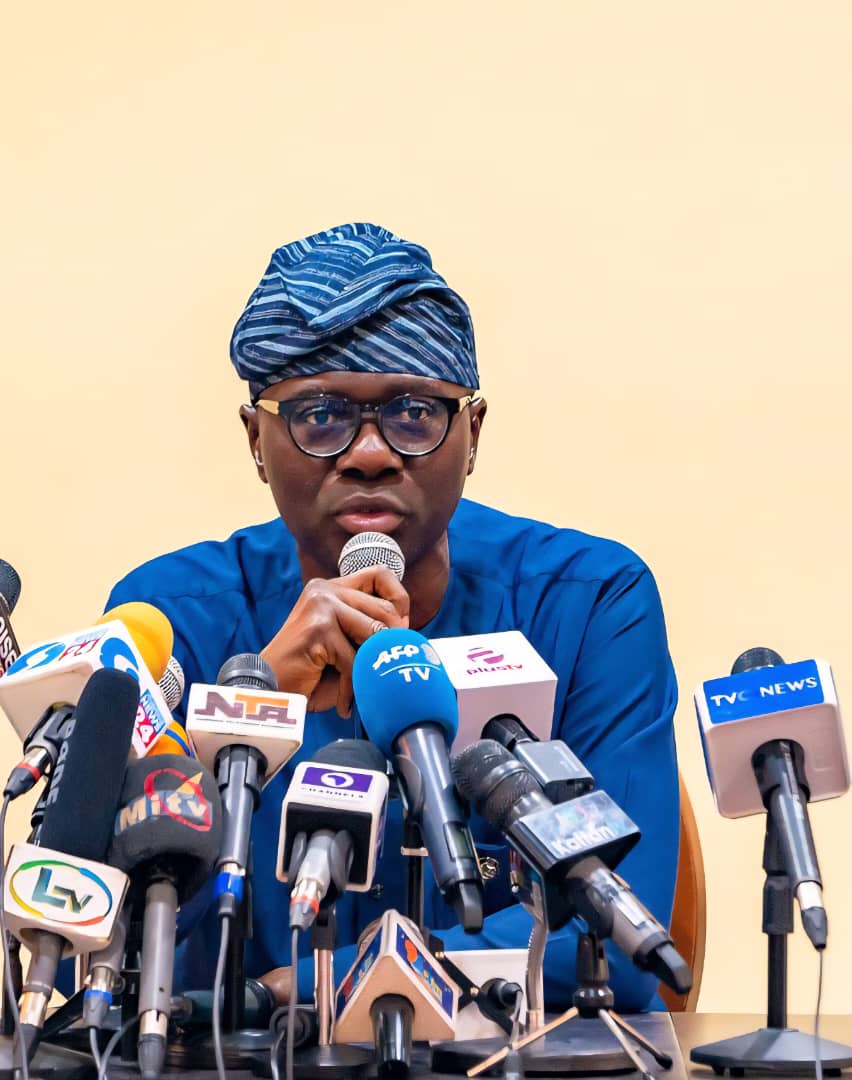
Lagos State Governor Babajide Sanwo-Olu has assured residents that the Opebi-Mende-Ojota Link Bridge will be opened to the public before Christmas, despite missing its earlier September completion target.
The governor gave the assurance on Sunday, October 25, 2026, during an inspection of the project to assess progress and determine the reasons for the delay. He said the distinctive steel superstructure on the bridge is about 80 per cent complete.
Sanwo-Olu explained that the complex architectural design — inspired by the area’s traditional cane-weaving heritage — involves installing more than 300 tonnes of steel at heights of up to 25 metres.
Three of the four major steel components have been completed, with work ongoing on the remaining one. LED lighting featuring the colours of Lagos State will also be installed to give the structure an iconic appearance.
He emphasised that the state government prioritises engineering quality and public safety over speed. Additional finishing works, including site cleaning, kerb repainting, restoration of affected areas and landscaping, will be carried out before the bridge opens.
The link bridge, which connects Opebi, Mende and Ojota, is expected to ease traffic congestion and provide an alternative route for motorists in the Ikeja, Maryland and surrounding corridors.


FG Approves ₦70k Transport Allowance for Civil Servants

Suffocation, Overcrowding Kill 37 Niger Miners – Panel

Nigeria’s First Imported Ebola Patient Moved to Switzerland

BREAKING: Lagos Govt Declares Today, Thursday Work-Free to Mark 2026 Ìṣẹ̀ṣe Day

Tech Expert, Zuckerberg trains with UFC champions, Adesanya, Alexander

Organ Trafficking: Ekweremadu bags 10 years in UK prison
-

 News2 days ago
BREAKING: Former Arise News Anchor, Constance Ikokwu Appointed NDC National Campaign Council Spokesperson
-
 Business2 days ago
Dangote Visit London Stock Exchange Ahead of November Cement Listing
-

 International2 days ago
Brazil’s Lula Wins Fourth Term In Presidential Runoff
-
 Health2 days ago
EBOLA: Lagos Heightens Watch at Airports After Abuja Case
-
 Business2 days ago
History of Naira Revaluation and Devaluation (1973–2026) (Part 2)
-
News2 days ago
Sanwo-Olu: Opebi-Ojota Link Bridge Will Open Before Christmas
-

 Business2 days ago
Naira To Dollar, Pound, Euro…Rate Monday, October 26
-
 Business2 days ago
Olagunju to head JPMorgan’s Proposed Nigerian Merchant Bank