
Business
CIBN Commissions Bankers Hall at Olabisi Onabanjo University
From L to R The Registrar, Olabisi Onabanjo University Mr Femi Ogunwomoju, , Vice Chancellor, Olabisi Onabanjo University; Professor Ayodeji Johnson Agboola, Pro-Chancellor and Chairman of Council, Olabisi Onabanjo University ;Prof. Oluwatoyin Ashiru, President/Chairman of Council, CIBN; Ken Opara, Ph.D FCIB; 1st Vice President, CIBN, Prof Deji Olanrewaju, FCIB, Chairman Odua Investment, Otunba Bimbo Ashiru at the Commissioning of CIBN Bankers Hall at Olabisi Onabanjo University yesterday

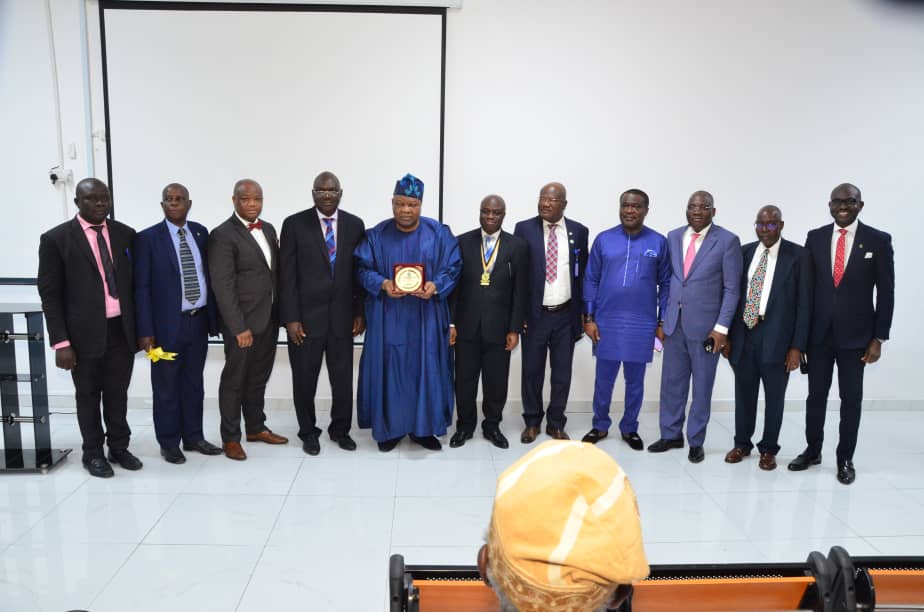
The Chartered Institute of Bankers of Nigeria has reiterated its resolve to strengthen banking and finance education in the country through the injection of professionalism into the teaching and learning of the course.
The CIBN Bankers Hall was commissioned at Olabisi Onabanjo University, Ago-Iwoye on Tuesday, 25 July, 2023. The exquisite ultramodern edifice is a legacy project bestowed to Olabisi Onabanjo University, Ago-Iwoye by The Chartered Institute of Bankers of Nigeria.
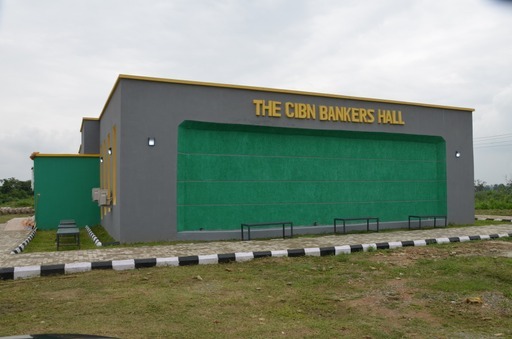
The state-of-the-art edifice is one of the seven model projects across the six geo-political zones endowed to various Institutions by the Institute. Olabisi Onabanjo University was chosen based on its pioneering role as the first tertiary institution in the CIBN linkage programme.
The smart, ultramodern edifice, which serves as a lecture theatre, demonstration class and multipurpose centre was commissioned by the President/Chairman of Council of CIBN, Ken Opara, Ph.D, FCIB and the Pro-Chancellor and Chairman of Council, Olabisi Onabanjo University, Prof. Oluwatoyin Ashiru.
While performing the commissioning ceremony, the Pro-Chancellor and Chairman of Council, Olabisi Onabanjo University expressed his profound appreciation for the thoughtful gesture of the CIBN and their extraordinary act of philanthropy and corporate responsibility. “This noble gesture identifies with the spirit of collaboration between Academia and Corporate world. By working together Academia and Industry can bridge the gap between theoretical knowledge and practical application”.
In his remarks, the President/Chairman of Council, CIBN, Ken Opara, Ph.D, FCIB congratulated Olabisi Onabanjo University for being the first tertiary institution in the CIBN linkage institution, an accomplishment which amongst others afforded the Institution the rare privilege of being one of the beneficiaries of the Institute’s Legacy Project.
He said, “It gladdens my heart to note that the linkage collaboration which was consummated between our Institute and Olabisi Onabanjo University on May 4, 1998, is waxing stronger and this building that is being commissioned today, is endowed to this institution in recognition of its pioneering role as the first institution in Nigeria to embrace what has now become a global phenomenon”.
“The Success story of CIBN linkage at this institution led other Universities and even professional bodies to embrace the Linkage scheme. Following the success recorded here in OOU, the Linkage Programme was extended to the Polytechnics in 2009, eleven years after Olabisi Onabanjo University blazed the trail. Today, out of the seventy-seven (77) institutions on the scheme nationwide, twenty-four (24) are polytechnics and four (4) of these Polytechnics are beneficiaries of the Legacy Project. It is also instructive to note that Olabisi Onabanjo University has produced a total of 496 Associates through the Linkage programme from inception to date while a good number of Associates obtained first degree in Banking and Finance through the scheme”.
This is the seventh legacy building to be commissioned by the Institute, in Six geo-political zones. The previously commissioned Legacy Projects are endowed at The Polytechnic Ibadan (South-West Zone), Abubakar Tafawa Balewa University (ATBU) Bauchi (North-East Zone), Federal Polytechnic, Nekede (South-East Zone), Rivers State University (South-South Zone), Kano State Polytechnic (North-West Zone) and the Federal Polytechnic, Nasarawa, (North-Central Zone).
Dr. Opara noted that through the CIBN BANKERS HALL, we aim to bridge the gap between theory and practice, the academia and industry, by providing a world-class learning environment where students can gain practical exposure and hands-on experience. This state-of-the-art facility will serve as a hub for innovation, research, and exchange of ideas thereby fostering a culture of excellence in banking education. I therefore would like to seize this opportunity to urge the students who are the ultimate beneficiaries to use the facility responsibly, so it can serve successive generations.
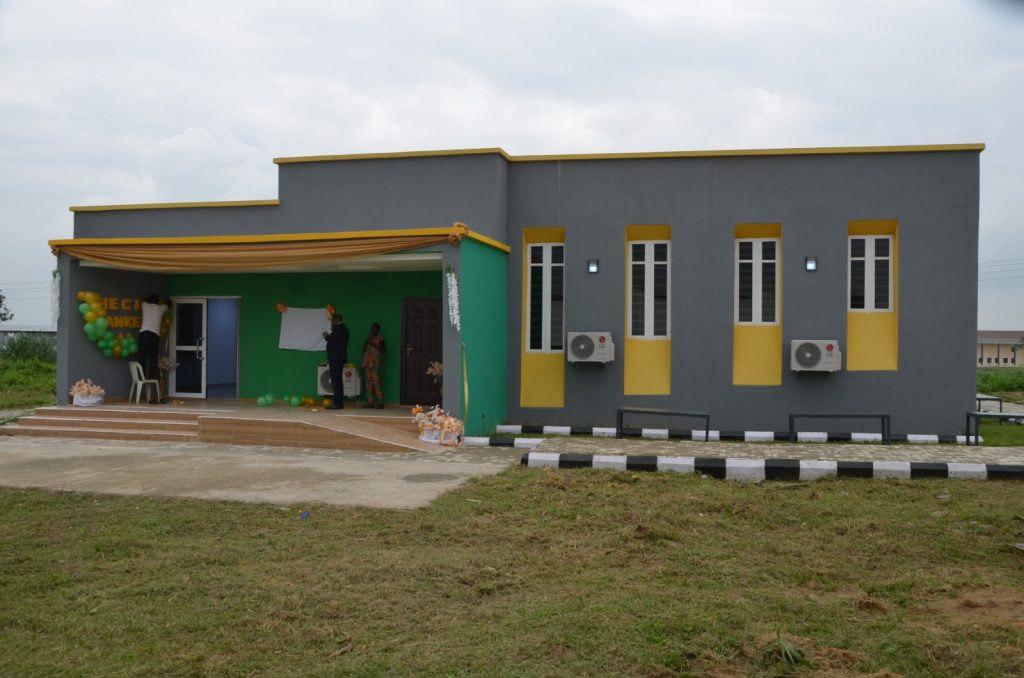
“I also want to appeal to the Management to give priority attention to the maintenance of this beautiful edifice, so it can retain its functional utility and aesthetic value”.
“As the conscience of the banking and finance industry, you can be rest assured that the Institute is resolute and committed to the observance and maintenance of ethics and professionalism among practitioners in the industry.
“The Institute will continue to foster and ensure that the highest standard of ethics is observed by practitioners in the discharge of their responsibilities to the banking public as well as enhancing the knowledge and capacity of all practicing bankers and those who desire to become one, with the best- in-class learning models.
He mentioned that the Institute will be celebrating its 60th Anniversary this year beginning with a youth focused programme tagged Generation Next Forum, a gathering of over five thousand youths scheduled to hold on Thursday, August 3, 2023, in Lagos with the option of virtual participation for youths across the globe.
Dignitaries at the event cut across all strata of the society just as the Polytechnic community came out en masse to savour the euphoria of the ceremony. Among those in attendance were; The pro Chancellor, Prof. Oluwatoyin Ashiru; The Vice Chancellor, Olabisi Onabanjo University, Professor Ayodeji Johnson Agboola; Ebumawe of Ago-Iwoye, His Royal Highness, Obama Abdul Razak Adenugba; The 1st Vice President, Prof. Plus Deji Olanrewaju, FCIB; The 2nd Vice President, Mr. Dele Alabi, FCIB; The National Treasurer, Mrs Mojisola Bakare-Asieru, FCIB; Esteemed Past President of the Institute , Prof Wole Adewunmi , FCIB; Esteemed Past President of the Institute , Dr. Bayo Olugbemi , FCIB; Chairman, Odu’a Investment Company Limited, Otunba Bimbo Ashiru, FCIB; Members of the CIBN Governing Council; Members of the Governing Council, Olabisi Onabanjo University; The Chairman of Ago Iwoye Central Devt Council.

BLACK/ PARALLEL MARKET RATES
₦1370 DOLLAR (USD)
₦1800 POUND (GBP)
₦1510 EURO (EUR)
₦970 CANADIAN DOLLAR (CAD)
₦65 SOUTH AFRICAN RAND (ZAR)
₦350 UAE DIRHAM (AED)
₦190 CHINESE YUAN (CNY)
₦100 GHANAIAN CEDI (GHS)
₦2300 WEST AFRICAN CFA F.(XOF)
₦2200 CENTRAL AFRICAN CFA F.(XAF)
₦850 AUSTRALIAN DOLLAR AUSSIE (AUD)
CBN OFFICIAL RATES
DOLLAR (USD)₦1331.61
POUND (GBP)₦1764.26
EURO (EUR)₦1490.48
SWISS FRANC (CHF)₦1608.23
JAPANESE YEN (JPN)₦8.4
CFA FRANC (XOF)₦2.27
WEST AFRICAN UNIT OF ACCOUNT (WAUA)₦1802.33
CHINESE YUAN (CNY)₦199.01
SAUDI RIYAL (SAR)₦354.83
SOUTH AFRICAN RAND (ZAR)₦80.49
Business
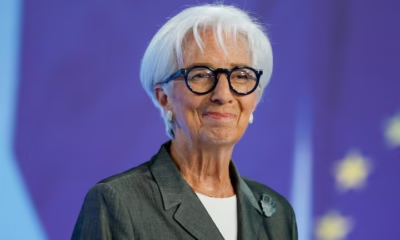
WEF could appoint Lagarde as its next chair, sources say
The WEF’s Board of Trustees, which includes Lagarde herself, was due to meet on November 2 and could elect her as its next chair, said the people close to the organisation, who spoke on condition of anonymity due to the sensitivity of the matter.

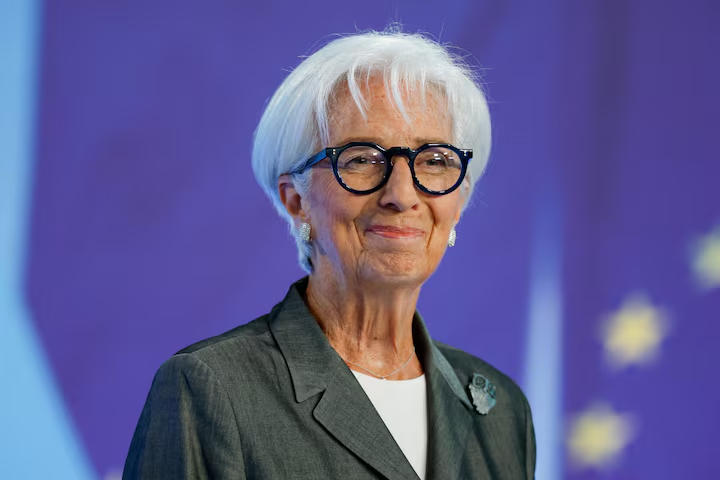
•European Central Bank President Christine Lagarde
The World Economic Forum could appoint Christine Lagarde as its next chair as soon as next month, four people close to the organisation told Reuters, meaning she would step down early as European Central Bank chief and trigger a wider reshuffle at the top of the ECB.Lagarde’s ECB term is scheduled to end in October 2027.
Leaving early would give European Union leaders a chance to pick a new ECB President before France’s spring presidential election, which opinion polls suggest the far-right could win, and could pave the way for a deal involving two other senior ECB roles.
The WEF’s Board of Trustees, which includes Lagarde herself, was due to meet on November 2 and could elect her as its next chair, said the people close to the organisation, who spoke on condition of anonymity due to the sensitivity of the matter.
No final decision has been taken yet, they said.
A spokesperson for the WEF said the forum could not confirm when the next full Board of Trustees meeting would take place, but that the aim was to hold one before the end of the year.
Business
Germany plans tax on sugary drinks
The tax is expected to generate additional revenue for the federal government of €690 million in 2027 and €925 million in 2028.

The German cabinet has approved draft legislation to tax sugary drinks in Europe’s biggest economy.
If passed by the German Bundestag, the tax will take effect on 1 July 2027.
The coalition aims to raise revenue for the federal budget while encouraging manufacturers to reduce sugar content and offer healthier products.
The levy is intended to ease pressure on the healthcare system, which faces costs of more than €2 billion every year linked to the high consumption of sugary drinks, which contributes to obesity, diabetes and tooth decay.
According to the federal government, Berlin is using the tax to implement “what associations from the fields of health, science, child protection, and consumer protection have long been demanding.”
The tax is expected to generate additional revenue for the federal government of €690 million in 2027 and €925 million in 2028.


JUST IN: Mob Sets BRT Bus Ablaze After Motorcyclist’s Death in Lagos

BREAKING: DSS Arrests Fugitive Maina Son, Hands Him to EFCC

BREAKING: 5 Arrested Over Imo NYSC Abduction

BREAKING: Lagos Govt Declares Today, Thursday Work-Free to Mark 2026 Ìṣẹ̀ṣe Day

Tech Expert, Zuckerberg trains with UFC champions, Adesanya, Alexander

Organ Trafficking: Ekweremadu bags 10 years in UK prison
-

 Business3 days ago
Naira Exchange Rates For Thursday, October 15
-

 News3 days ago
ASCON To Be Rebranded “National School Of Government”
-
 Sports3 days ago
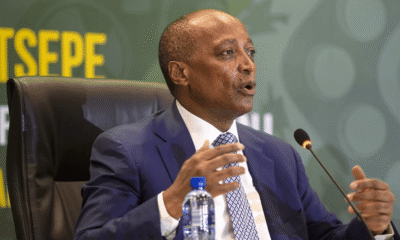
CAF Increases Annual Funding for Member Federations to $700,000
-

 Business3 days ago
Germany plans tax on sugary drinks
-
 Business3 days ago
WEF could appoint Lagarde as its next chair, sources say
-

 International3 days ago
“Mother of all bombs,” Trump Plans To Hit Iran
-

 Business2 days ago
Naira Exchange Rates Friday, October 16
-
 Crime1 day ago
BREAKING: 5 Arrested Over Imo NYSC Abduction