
Business
CBN’s Cardoso Assures Nigeria ‘ll Get Out of Economic Woes

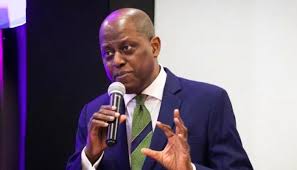
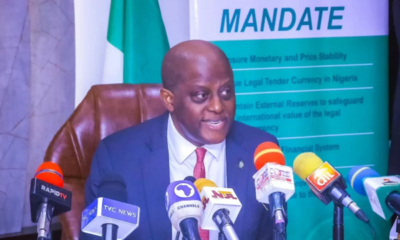
The Governor of the Central Bank of Nigeria (CBN), Olayemi Cardoso, has expressed optimism that despite all the difficulties, there is light at the end of the tunnel, “As long as the country can sustain a positive trajectory, Nigeria will get out of its economic woes and the foreign exchange market will begin to moderate itself.”
Csrdoso expressed this conviction during the opening ceremony of the 2024 First Plenary Assembly of the Catholic Bishops Conference of Nigeria (CBCN) with the theme, “Synod on Synodality: Areas of Concern for the Church in Nigeria.”
The banker blamed the high inflation rate in the country on so much liquidity in the market, and noted that as a result of some of the recent efforts of the CBN, over the course of the last week, about $1.8 billion came into the markets.
The CBN Governor said that in another week, the Apex Bank will have the Monetary Policy Committee meeting, where very critical decisions will be made to continue making the economy more investor-friendly.
He also said that an attempt to merge the outside rates with the official rates and the black market rate has been made, and that the difference between the two is now significantly lower.
Cardoso said, “There is a positive outlook on that. The positive outlook comes from the fact that a series of reforms have been made by the Federal Government and the Central Bank, which are now paying off in such a way that international investors are coming back in again.”
The President of CBCN, Archbishop Lucius Ugorji, said the country is experiencing the worst times, especially in the areas of security and the economy during the administration of President Bola Tinubu.
He stated that the reform agenda of the Federal Government has worsened the plight of Nigerians, with the withdrawal of fuel subsidies and the unification of the foreign exchange market, leading to a sharp increase in the pump price of petroleum products and a steep decline in the value of the Naira.
He said as the government demands additional sacrifice from the struggling masses, there should be a drastic cut in the cost of governance at all levels, adding that on the contrary, top government officials live by the sweat, toil and tears of the poor as they continue spending huge public funds on ostentatious and luxurious lifestyles and seem incapable of feeling compassion for the poor.
Every day, outrageous and spine-chilling stories are told in the media about different public servants who have stolen staggering amounts of money from public coffers in a country where millions of citizens live in deep and debilitating poverty.
“We cannot easily overlook the sordid roles of many fraudulent politicians and Bank Executives in fleecing the whole nation and destroying our national economy through the dirty game of corruption, causing untold hardship and untimely deaths across the nation,” said Archbishop Ugorji.





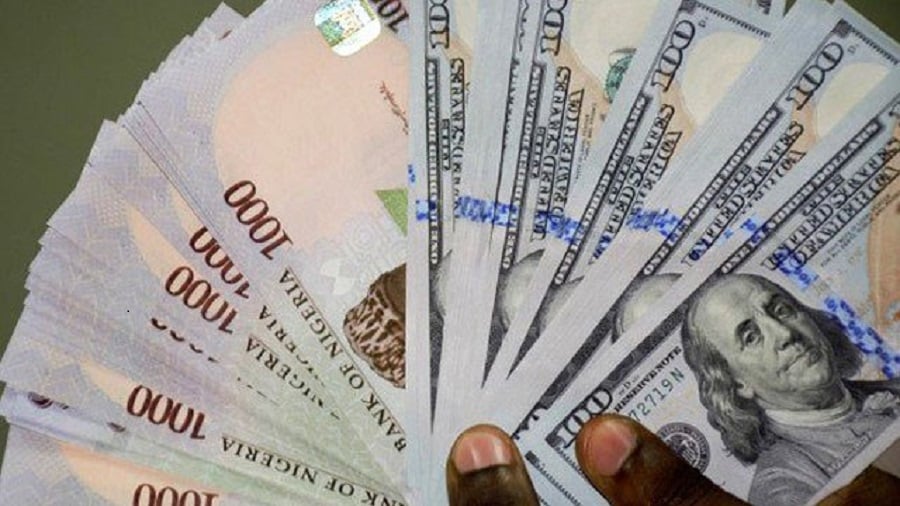
BLACK MARKET RATES
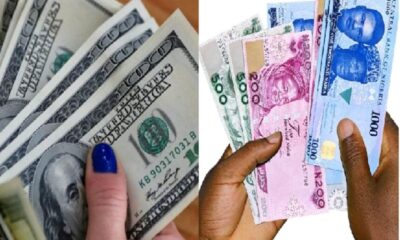
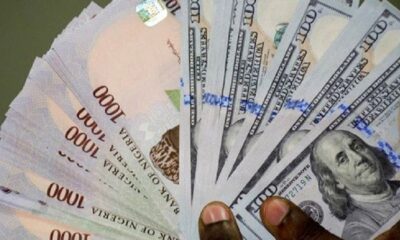
US DOLLAR (USD) Buy ₦1,416 Sell ₦1,423
GREAT BRITISH POUND (GBP) Buy ₦1,890 Sell: ₦1,910
EURO (EUR) Buy ₦1,590 Sell ₦1,610
CANADIAN DOLLAR (CAD) Buy ₦1,020 Sell ₦1,080
SOUTH AFRICAN RAND (ZAR) Buy ₦75 Sell ₦90
UAE DIRHAM Buy ₦350 Sell ₦370 CHINESE YUAN Buy ₦190 Sell ₦205
GHANA CEDI (GHS) Buy ₦95 Sell ₦110
WEST AFRICAN CFA Buy ₦2, 300 Sell ₦2, 400
CENTRAL AFRICAN CFA Buy ₦2,150 Sell 2,250
AUSTRALIAN DOLLAR Buy ₦800 Sell ₦900
CBN Exchange Rates
US DOLLAR (USD) ₦1,357. 65
GREAT BRITISH POUND (GBP) ₦1,834.04
EURO (EUR) ₦1,567.00
SWISS FRANC (CHF) ₦1,671. 98
JAPANESE YEN (JPN) ₦8.53
CHINESE YUAN (CNY) ₦201. 34
WEST AFRICAN CFA (XOF) ₦2. 39
WEST AFRICAN UNIT ACCOUNT (WAUA) ₦1,858.02
SAUDI RIYAL (SAR) ₦361.62
SOUTH AFRICAN RAND (ZAR) ₦84.23
Business
Traders shut down Enugu ‘s Obollo-Afor market over N25,000 haulage levy
However, Chairman of ESIRS, Emmanuel Nnamani, in a letter to the traders, said the haulage levy was not paid by traders buying or selling goods in the markets, but was applicable strictly to truck drivers plying interstate routes.

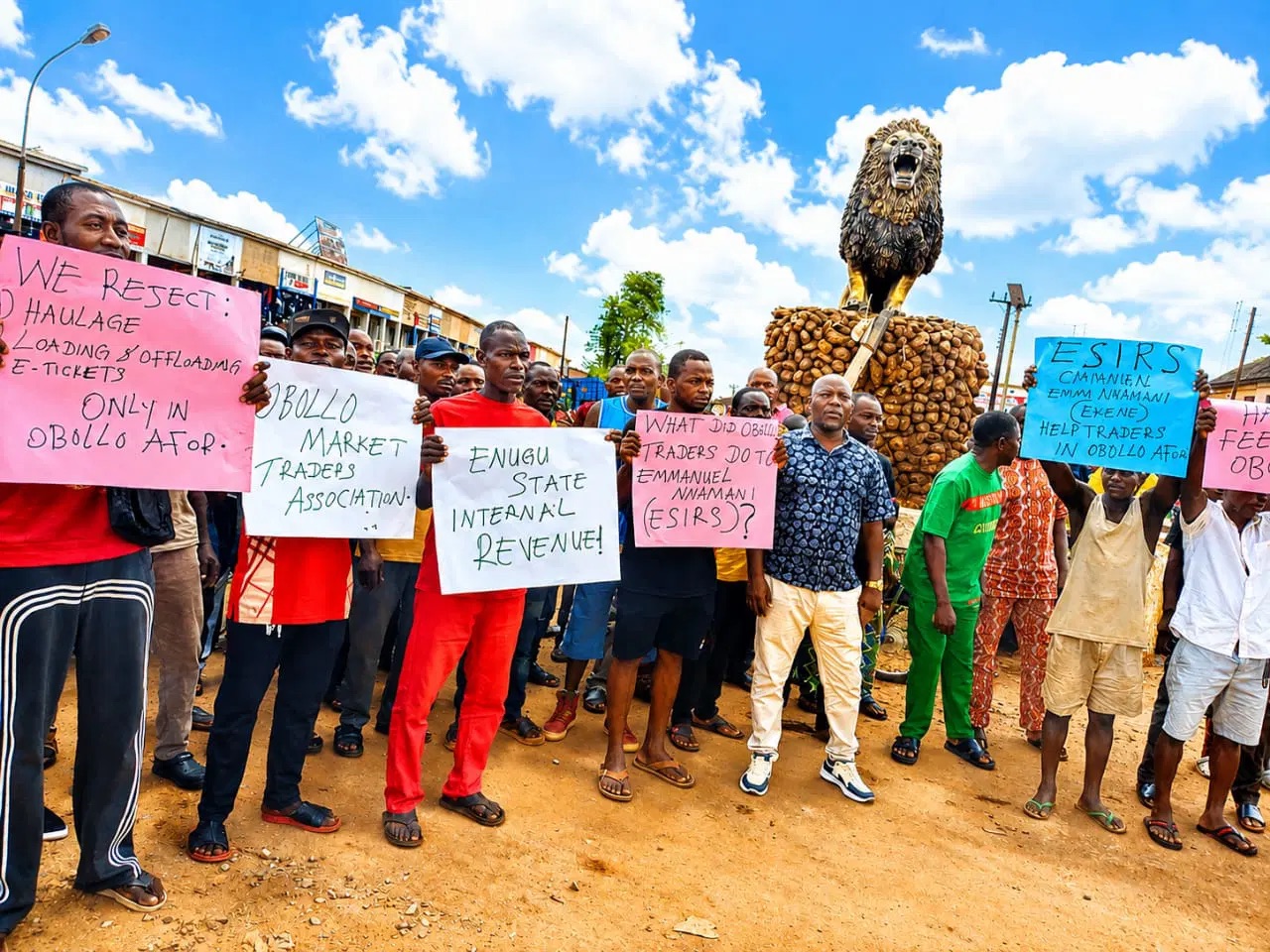
All shops and markets at Obollo-Afor, Udenu Local Government Area of Enugu State were shut yesterday, as traders staged a peaceful protest against alleged selective collection of a N25,000 haulage levy in the market.
The traders, who locked their shops and took to the streets in large numbers, carried placards with various inscriptions, alleging that the Enugu State Internal Revenue Service (ESIRS) had singled out Obollo-Afor Market for the collection of N25,000 haulage fee on every truckload of goods loaded or offloaded in the market.
However, Chairman of ESIRS, Emmanuel Nnamani, in a letter to the traders, said the haulage levy was not paid by traders buying or selling goods in the markets, but was applicable strictly to truck drivers plying interstate routes.
Addressing officials of the Udenu Local Government Council at the council secretariat, where the protesters marched to present their grievances, Chairman, Obollo-Afor Market Traders Association, Charles Eze, lamented that truck operators bringing foodstuffs, building materials, and other commodities to the market had stopped coming because of the levy.
Business
Nigeria’s oil production dropped by 4% in July – NUPRC
“In the month under review, the daily peak production of crude oil and condensate was 1.78mbpd, while the lowest daily production was 1.57mbpd.”

The Nigerian Upstream Regulatory Commission (NUPRC) data has shown Nigeria’s average daily oil production fell by four percent in July, 2026.
According to the NUPRC, Nigeria produced 1.505 million barrels per day (bpd) of crude oil and 0.17 million bpd of condensate, bringing the combined daily production to 1.67 million bpd.
The commission said the country met and exceeded its Organisation of the Petroleum Exporting Countries (OPEC) quota of 1.5 million bpd for the third consecutive month.
“In the month under review, the daily peak production of crude oil and condensate was 1.78mbpd, while the lowest daily production was 1.57mbpd.”


HAPPENING NOW: Security Beefed up at INEC Office in Osun Ahead of Saturday’s Governorship Election

Gov Mbah Invest in world-class Enugu International Hospital

Committees hit the ground running for 8th Kwara State Sports Festival

Tech Expert, Zuckerberg trains with UFC champions, Adesanya, Alexander

Organ Trafficking: Ekweremadu bags 10 years in UK prison

SAINT OBI: Between his marriage and his death
-
 Business2 days ago
FG approves tax waivers for 4,000 electric vehicles
-
 Business2 days ago
Naira Exchange Rates Thursday, August 13
-

 Business2 days ago
Azikel Refinery in Bayelsa Set To Add 25,000 bpd To National Capacity
-
 Business2 days ago
Guaranty Trust Bank doubles naira card international spending limit to $40,000
-

 Business2 days ago
Nigeria’s oil production dropped by 4% in July – NUPRC
-

 Sports2 days ago
Katsina United player declared dead found alive in mortuary
-
 Business3 days ago
Naira Exchange Rates Wednesday, August 12
-
 Politics2 days ago
Osun Polls: INEC Includes SDP Candidate, Deputy On Ballot Papers