
Politics
INEC to Unveil Revised Timetable for 2027 General Elections Amid Electoral Act Updates

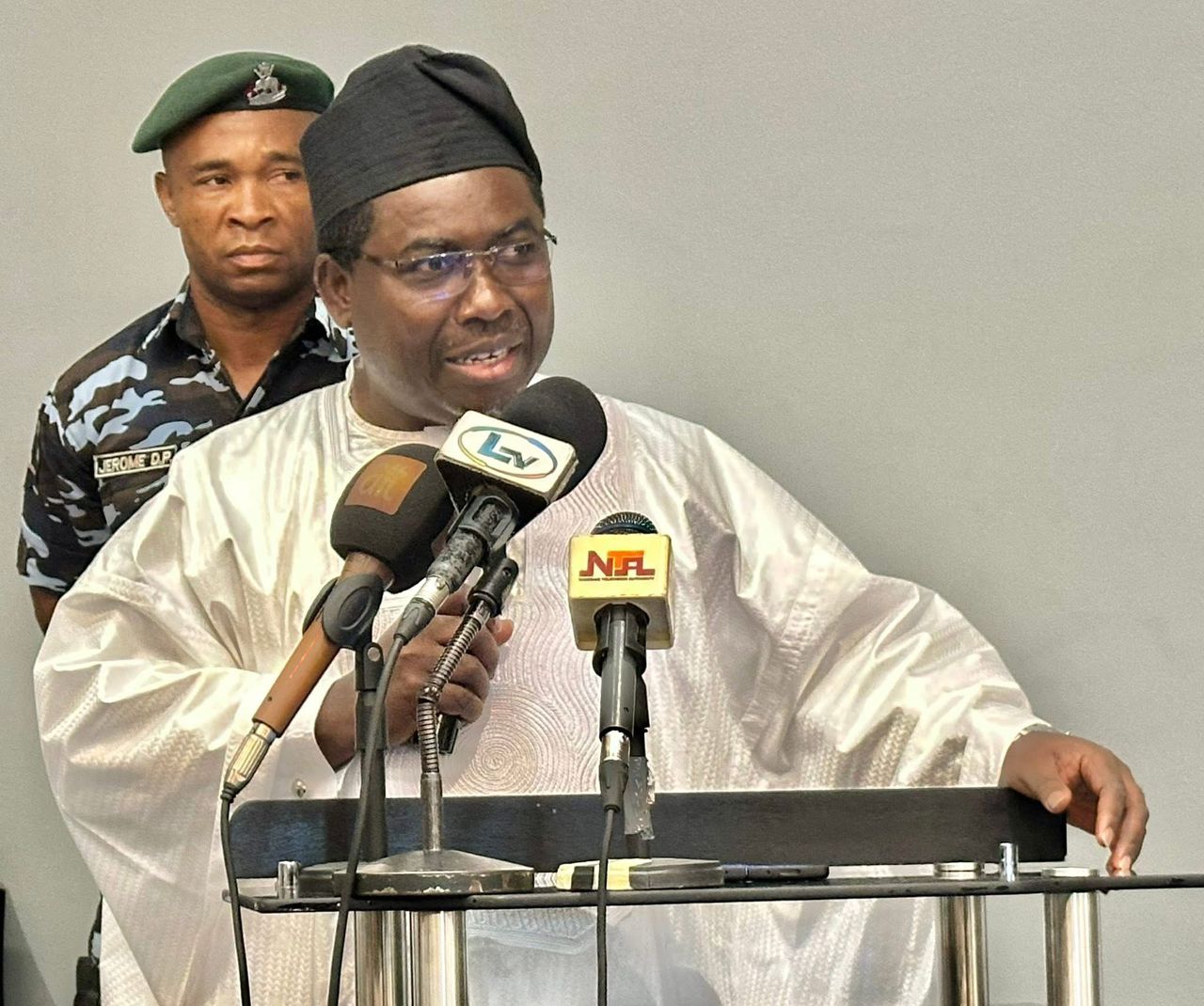
The Independent National Electoral Commission (INEC) has confirmed it will soon release a revised timetable and schedule of activities for Nigeria’s 2027 general elections to ensure full alignment with the recently enacted Electoral Act 2026.
The announcement comes after INEC initially set the presidential and National Assembly elections for Saturday, February 20, 2027, and the governorship and state Houses of Assembly polls for Saturday, March 6, 2027, in a notice released on February 13, 2026.
Adedayo Oketola, Chief Press Secretary and Media Adviser to INEC Chairman Prof. Joash Amupitan, stated that the commission is reviewing the new Act and will publish a “revised timetable” accordingly.
This follows legislative amendments, including a reduction in the mandatory notice period for elections from 360 days to 300 days under revised Clause 28 of the Act, granting INEC greater flexibility in scheduling to avoid potential conflicts, such as overlaps with religious observances like Ramadan in 2027.
Political party leaders and stakeholders have pushed for the review, emphasizing the need for compliance with the updated legal framework. INEC has also debunked circulating false claims about an official timetable release, reiterating that the authentic schedule will be issued in due course and in strict adherence to constitutional provisions and the Electoral Act.
The forthcoming timetable is expected to detail critical milestones, including party primaries, campaign periods, voter registration updates, and ongoing nationwide voter revalidation efforts aimed at enhancing electoral integrity ahead of the polls.
INEC assured Nigerians that preparations for the 2027 elections are progressing steadily, with the revised timetable set to provide clarity and guide all stakeholders.





Politics
Obafemi Hamzat promises to end ‘unauthorised levies’ in Lagos if he is elected
“Nobody should stand at junctions to collect anything from anybody,” he said.

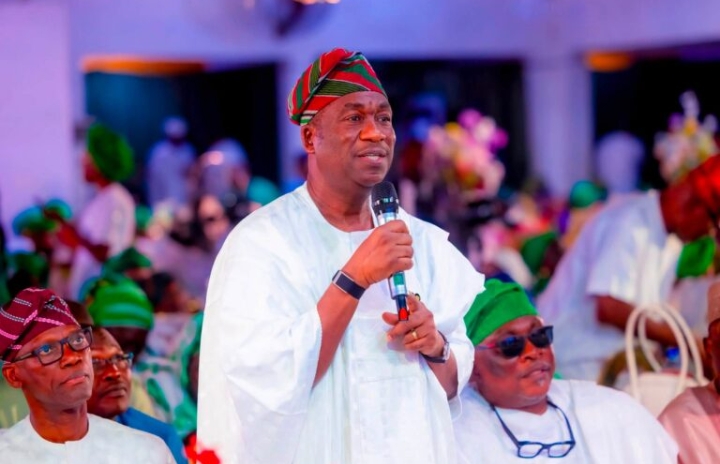
Obafemi Hamzat, governorship candidate of the All Progressives Congress (APC) in Lagos, says his administration will end arbitrary levies in the state if elected.
Hamzat, the Lagos deputy governor, spoke on Thursday during an appearance on The Platform, an Independence Day programme organised by Covenant Christian Centre.
” What we will do is to make sure that any levy that is unauthorised, that is not known, that even we can’t track, must go,” Hamzat said.
He said the state government would establish an economic council to coordinate with the local governments, because they “are attending to the same citizens”
.According to the deputy governor, businesses in the state should know exactly what they are required to pay in so they can plan their budgets accordingly.
“Nobody should stand at junctions to collect anything from anybody,” he said
(The Cable)

The African Action Congress (AAC) has filed a lawsuit at the Federal High Court in Abuja against President Bola Tinubu, the National Assembly, and the Attorney General of the Federation over the President’s prolonged Europe vacation.
In an originating summons filed on Monday, September 28, 2026, the party alleges that Tinubu breached Section 145(1) of the 1999 Constitution by leaving the country without transmitting a written declaration to the Senate President and the Speaker of the House of Representatives. The suit, variously reported under suit numbers including FHC/ABJ/CS/2358/2026, lists Tinubu, the AGF, Senate President Godswill Akpabio, House Speaker Tajudeen Abbas, and the National Assembly as defendants.
According to the AAC, Tinubu departed Nigeria for Europe on August 30, 2026, and remained abroad as of the date the suit was filed. The party claims the failure to notify lawmakers before the trip was undemocratic and a gross violation of the Constitution. It further argues that the National Assembly failed in its duty under Section 145(2) by not passing a resolution to authorise Vice President Kashim Shettima to act as President after the absence exceeded 21 days.
The AAC is seeking declarations that Tinubu’s actions and the National Assembly’s inaction were unconstitutional, as well as a perpetual injunction restraining the President (and future presidents) from embarking on any vacation—within or outside Nigeria—without first transmitting the required written declaration. The suit was filed through the party’s National Legal Adviser, Inibehe Effiong.
Tinubu’s trip, initially described by the Presidency as a three-week working vacation that began in London and continued in Paris, was later extended. The development has drawn criticism from opposition figures who question compliance with constitutional handover provisions.

Former Vice President Atiku Abubakar and the African Democratic Congress (ADC) are set to amend their lawsuit challenging President Bola Tinubu’s eligibility to contest the 2027 presidential election.
Legal sources close to the matter confirmed that the planned amendment seeks to strengthen the grounds of the suit, which questions Tinubu’s constitutional qualification to run for a second term.
The original filing is expected to be updated with additional arguments and supporting documents before the next court hearing.
Atiku and the ADC have maintained that the challenge is rooted in constitutional provisions regarding eligibility. The move comes amid growing political activity ahead of the 2027 general elections, with opposition figures intensifying scrutiny of the president’s candidacy.
Tinubu’s camp has previously dismissed similar eligibility challenges as baseless and politically motivated. No formal response to the planned amendment has been issued yet.
The case is being closely watched by political observers as parties position themselves for the next electoral cycle.
Further details on the amended suit are expected in the coming days.


Naira Rates To Dollar, Pound ,Euro… Friday, October 2

Obafemi Hamzat promises to end ‘unauthorised levies’ in Lagos if he is elected

President Tinubu, Other Political Leaders Watch MKO Documentary

Tech Expert, Zuckerberg trains with UFC champions, Adesanya, Alexander

Organ Trafficking: Ekweremadu bags 10 years in UK prison

SAINT OBI: Between his marriage and his death
-

 Sports3 days ago
NBA closes basketball academy in Africa
-

 Entertainment3 days ago
Nollywood actor Cjay Nwokafor dies
-

 Sports3 days ago
Messi acquires second club, CD Eldense
-
 Politics2 days ago
Obafemi Hamzat promises to end ‘unauthorised levies’ in Lagos if he is elected
-
 Entertainment3 days ago
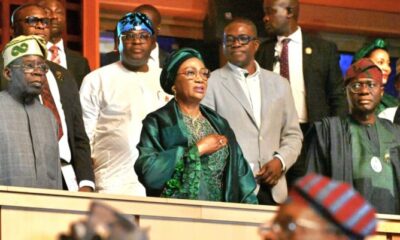
President Tinubu, Other Political Leaders Watch MKO Documentary
-
 Business2 days ago
Naira Rates To Dollar, Pound ,Euro… Friday, October 2