
Business
Peter Obi : Why doesn’t Nigeria have oil reserve?
“Countries that plan build buffers against shocks, while those that fail to plan remain vulnerable,” Obi stated.

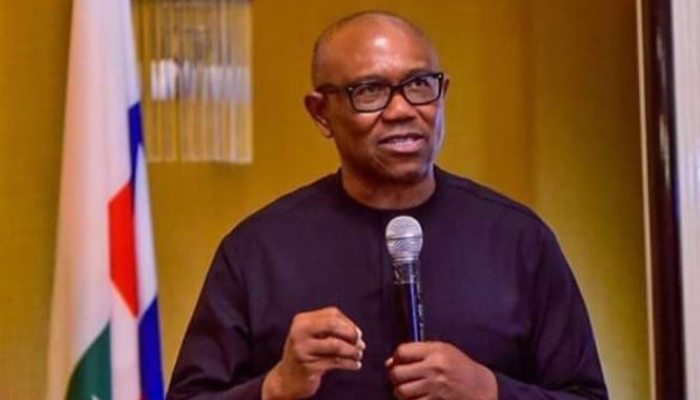
Peter Obi said on Friday that Nigeria’s recurring vulnerability to global economic shocks, particularly in the energy sector, is a direct consequence of poor planning and the absence of strategic buffers.
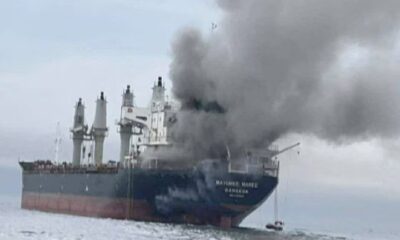
Obi made the observation in a post on his official X while reacting to the recent increase in fuel prices in the country, following rising tensions involving Iran which pushed global crude oil prices upward.
According to him, petrol, which sold for less than ₦1,000 per litre only a few weeks ago, now costs over ₦1,200 per litre in many parts of the country.
Diesel prices have also surged from below ₦1,000 per litre to more than ₦1,500 per litre within the same isglobal developments can impact Nigeria’s economy.
Obi explained that many countries across the world, whether they are oil-producing nations or not, maintain strategic petroleum reserves to cushion the impact of supply disruptions or sudden price spikes in the global market.
Such reserves, he noted, allow governments to release stored fuel during crises in order to stabilise supply and moderate price increases.
However, he said Nigeria lacks such a buffer, leaving the country immediately exposed whenever global oil prices rise or geopolitical tensions disrupt supply chains.
According to the former Anambra State governor, the situation highlights a broader issue of inadequate long-term planning in the country’s economic management.
“Countries that plan build buffers against shocks, while those that fail to plan remain vulnerable,” Obi stated.
He added the recurring fuel price hikes affecting Nigerians underscore the need for more deliberate and strategic economic planning.
He reiterated his position that with prudent management of resources and proper planning, Nigeria can build stronger economic safeguards and reduce its exposure to external shocks





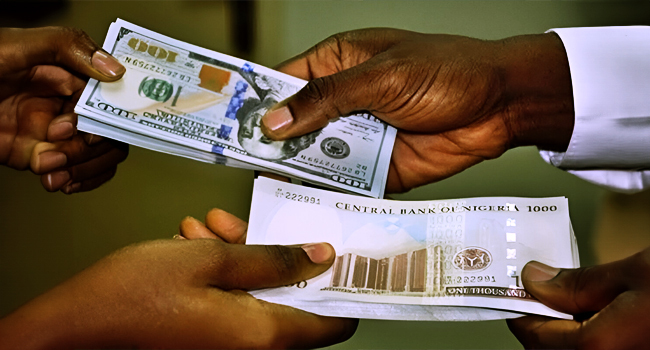
BLACK/ PARALLEL MARKET RATES
₦1370 DOLLAR (USD)
₦1800 POUND (GBP)
₦1510 EURO (EUR)
₦970 CANADIAN DOLLAR (CAD)
₦65 SOUTH AFRICAN RAND (ZAR)
₦350 UAE DIRHAM (AED)
₦190 CHINESE YUAN (CNY)
₦100 GHANAIAN CEDI (GHS)
₦2300 WEST AFRICAN CFA F.(XOF)
₦2200 CENTRAL AFRICAN CFA F.(XAF)
₦850 AUSTRALIAN DOLLAR AUSSIE (AUD)
CBN OFFICIAL RATES
DOLLAR (USD)₦1331.61
POUND (GBP)₦1764.26
EURO (EUR)₦1490.48
SWISS FRANC (CHF)₦1608.23
JAPANESE YEN (JPN)₦8.4
CFA FRANC (XOF)₦2.27
WEST AFRICAN UNIT OF ACCOUNT (WAUA)₦1802.33
CHINESE YUAN (CNY)₦199.01
SAUDI RIYAL (SAR)₦354.83
SOUTH AFRICAN RAND (ZAR)₦80.49
Business
WEF could appoint Lagarde as its next chair, sources say
The WEF’s Board of Trustees, which includes Lagarde herself, was due to meet on November 2 and could elect her as its next chair, said the people close to the organisation, who spoke on condition of anonymity due to the sensitivity of the matter.
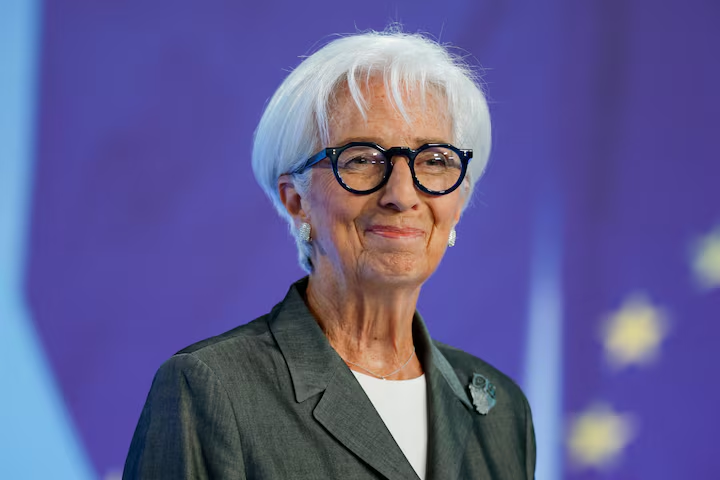
•European Central Bank President Christine Lagarde
The World Economic Forum could appoint Christine Lagarde as its next chair as soon as next month, four people close to the organisation told Reuters, meaning she would step down early as European Central Bank chief and trigger a wider reshuffle at the top of the ECB.Lagarde’s ECB term is scheduled to end in October 2027.
Leaving early would give European Union leaders a chance to pick a new ECB President before France’s spring presidential election, which opinion polls suggest the far-right could win, and could pave the way for a deal involving two other senior ECB roles.
The WEF’s Board of Trustees, which includes Lagarde herself, was due to meet on November 2 and could elect her as its next chair, said the people close to the organisation, who spoke on condition of anonymity due to the sensitivity of the matter.
No final decision has been taken yet, they said.
A spokesperson for the WEF said the forum could not confirm when the next full Board of Trustees meeting would take place, but that the aim was to hold one before the end of the year.
Business
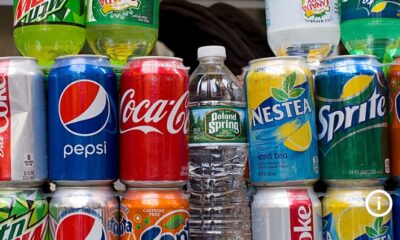
Germany plans tax on sugary drinks
The tax is expected to generate additional revenue for the federal government of €690 million in 2027 and €925 million in 2028.
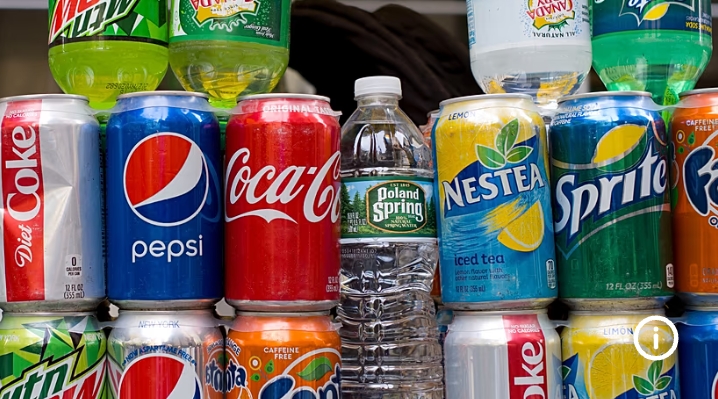
The German cabinet has approved draft legislation to tax sugary drinks in Europe’s biggest economy.
If passed by the German Bundestag, the tax will take effect on 1 July 2027.
The coalition aims to raise revenue for the federal budget while encouraging manufacturers to reduce sugar content and offer healthier products.
The levy is intended to ease pressure on the healthcare system, which faces costs of more than €2 billion every year linked to the high consumption of sugary drinks, which contributes to obesity, diabetes and tooth decay.
According to the federal government, Berlin is using the tax to implement “what associations from the fields of health, science, child protection, and consumer protection have long been demanding.”
The tax is expected to generate additional revenue for the federal government of €690 million in 2027 and €925 million in 2028.


JUST IN: Mob Sets BRT Bus Ablaze After Motorcyclist’s Death in Lagos

BREAKING: DSS Arrests Fugitive Maina Son, Hands Him to EFCC

BREAKING: 5 Arrested Over Imo NYSC Abduction

BREAKING: Lagos Govt Declares Today, Thursday Work-Free to Mark 2026 Ìṣẹ̀ṣe Day

Tech Expert, Zuckerberg trains with UFC champions, Adesanya, Alexander

Organ Trafficking: Ekweremadu bags 10 years in UK prison
-

 Business3 days ago
NAFDAC scolds fake manufacturers: “You are killing Nigerians in order to make money”
-
 Business2 days ago
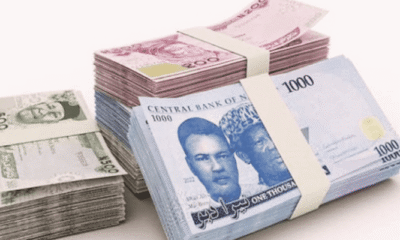
Naira Exchange Rates For Thursday, October 15
-
 Business3 days ago
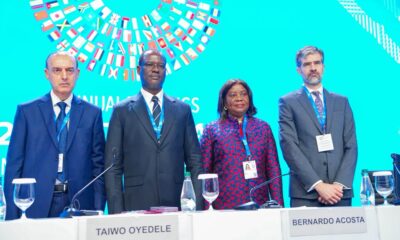
Oyedele Chairs G-24 Call for Fairer Global Financial System, Affordable Development Financing
-
 Sports2 days ago
CAF Increases Annual Funding for Member Federations to $700,000
-
 Politics2 days ago
Exclusion of candidates from INEC list: CD cautions INEC against manipulation by politicians
-
 Business1 day ago
Germany plans tax on sugary drinks
-

 News2 days ago
Sanwo-Olu Appoints Olatunbosun Ogunbanwo, 5 Others as Perm Secs
-
 News2 days ago
ASCON To Be Rebranded “National School Of Government”