
Health
Why Do People Collapse And Die?
Checks by Ohibaba.com, show that there are various reasons why people may collapse and die suddenly.


Last week, one of the twin sons of my deceased brother, collapsed at work and died.
The incident happened in Abuja. Immediately, I was contacted with the sad news, I inquired if he was sick.
Her sister replied “No”
Did he go to work on an empty tummy or take medication on an empty tummy?
Again, the response was, “No “Did he have high blood pressure? “No,” was the answer.
Hmmm…
Similarly, the FCT Head of Service, Mrs Grace Adayilo, died in the same manner.
Media reports said that Mrs Adayilo slumped and passed out early this morning, September 1.
The report said that Mrs Adayilo, an indigene of Abuja and incidentally, the first female ever to occupy the position in the FCT Administration, attended a church service on Sunday and even donated to the congregation.
These cases among millions got me wondering: Why do people collapse and die?
Checks by Ohibaba.com, show that there are various reasons why people may collapse and die suddenly.
According to Meta AI, some common causes include:
Medical Conditions
1. Heart conditions: Heart attacks, cardiac arrhythmias, or other cardiovascular conditions can cause sudden collapse and death.
2. Stroke or brain aneurysm: A stroke or brain aneurysm can cause sudden loss of consciousness and death.
3. Seizures or epilepsy: Severe seizures or epilepsy can lead to loss of consciousness and, in rare cases, death.
External Factors
1. Trauma or injury: Severe head trauma, spinal cord injuries, or other serious injuries can cause collapse and death.
2. Heatstroke or dehydration: Extreme heat or dehydration can lead to collapse and, if untreated, death.
3. Electrocution: Electrical shock can cause cardiac arrest and death.
Other Causes
1. Sudden cardiac arrest: Unexpected cardiac arrest can occur without warning, often due to underlying heart conditions.
2. Anaphylaxis: Severe allergic reactions can cause rapid collapse and, if untreated, death.
3. Poisoning or overdose: Ingestion of toxic substances or overdose of medications can lead to collapse and death.
It’s essential to seek immediate medical attention if someone collapses suddenly. Prompt medical care can help identify the underlying cause and provide appropriate treatment.


Health
Ebola: President Tinubu approves N10bn to strengthen NCDC preparedness
This follows the rapidly expanding outbreak that has already killed at least 349 people across the Democratic Republic of Congo and Uganda, with the World Health Organisation declaring it a Public Health Emergency of International Concern.

President Bola Tinubu has approved the immediate release of N10 billion to strengthen the operational preparedness of the Nigeria Centre for Disease Control and prevention and support critical national public health emergency response activities.
The President also established a Presidential Task Force on Ebola Virus Disease Preparedness and Control.
This follows the rapidly expanding outbreak that has already killed at least 349 people across the Democratic Republic of Congo and Uganda, with the World Health Organisation declaring it a Public Health Emergency of International Concern.
A statement by the Special Adviser to the President on Information and Strategy, Bayo Onanuga, said the task force would be chaired by the Chief of Staff to the President, Femi Gbajabiamila, with membership drawn from relevant ministries, departments and agencies .
The task force was constituted following a stakeholder meeting convened by Gbajabiamila to review Nigeria’s preparedness.
It was attended by representatives from the Ministry of Interior, the Federal Airports Authority of Nigeria, the Nigeria Immigration Service, the Nigerian Civil Aviation Authority and the Lagos State Government, among others.
Health
Senate passes bill to establish Malaria Elimination Agency
The bill, sponsored by Ned Nwoko, scaled third reading on Wednesday after the Senate considered and adopted the report of its Committee on Health (Secondary and Tertiary), chaired by Ipalibo Banigo.
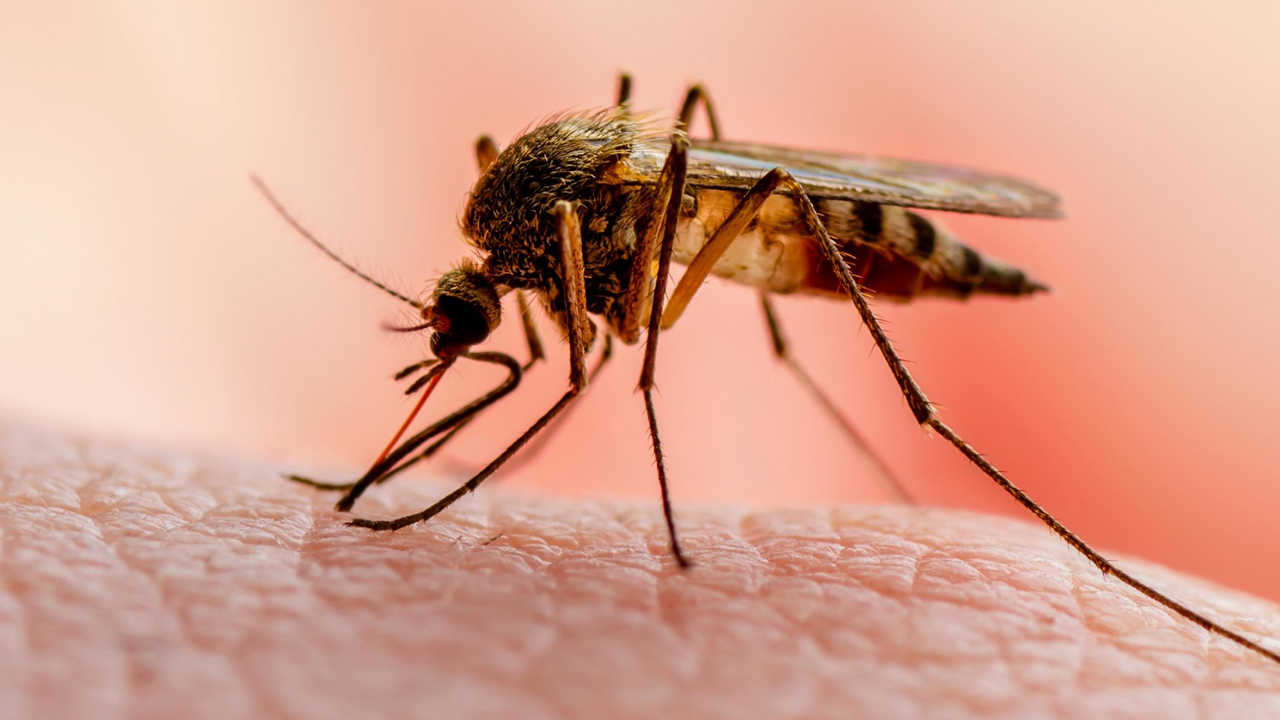
The Senate has passed a bill seeking to establish a National Agency for Malaria Elimination saddled with the responsibility of preventing, controlling and ultimately eliminating malaria in Nigeria.
The bill, sponsored by Ned Nwoko, scaled third reading on Wednesday after the Senate considered and adopted the report of its Committee on Health (Secondary and Tertiary), chaired by Ipalibo Banigo.
Presenting the report on behalf of Banigo, Sampson Ekong said the proposed agency would serve as the central body responsible for coordinating national efforts aimed at preventing, controlling and ultimately eliminating malaria in Nigeria.
The Senate said the agency seeks to mark a shift in the country’s approach to malaria management from treatment-focused interventions to preventive and elimination strategies.
“The agency, when established, will help shift the country’s approach from curative measures to prevention and eventual elimination of malaria,” it stated.
(Source: The SUN)
Health
Cross River restores molecular laboratoy for TB, HIV, Mpox testing
This place is arranged to address issues of TB, HIV and other outbreaks. Mpox, Lassa fever and even Ebola-related surveillance can be handled here. Most of the essential services have now been restored,” he said.

Photo : Governor Bassey Otu of Cross River State
The Cross River State Government has announced that the molecular laboratory services at Dr. Lawrence Henshaw Memorial Hospital now conducts molecular testing for tuberculosis, HIV and Mpox while retaining the capacity to support surveillance and response efforts for emerging public health threats..
The Commissioner for Health, Dr. Egbe Ayuk, disclosed this on Tuesday during an inspection tour of the hospital alongside journalists in Calabar.
Ayuk said that the molecular laboratory, which serves as one of the state’s key public health surveillance centres, has resumed most of its essential functions following rehabilitation efforts supported by the state government and development partners.
“This place is arranged to address issues of TB, HIV and other outbreaks. Mpox, Lassa fever and even Ebola-related surveillance can be handled here. Most of the essential services have now been restored,” he said.
The commissioner explained that although the facility suffered extensive damage during the EndSARS unrest, significant progress has been made in rebuilding critical infrastructure and restoring laboratory operations.


Bamidele tasks 11th Senate to consider single term for President, govs

President Tinubu Commissions new EFCC office in Ekiti

Peter Obi demands N5bn from Kenneth Okonkwo over defamation allegations

Tech Expert, Zuckerberg trains with UFC champions, Adesanya, Alexander

Organ Trafficking: Ekweremadu bags 10 years in UK prison

SAINT OBI: Between his marriage and his death
-

 News2 days ago
Court Voids ₦110bn N’Assembly Vehicles, Allowances
-

 Business3 days ago
Senate’s approval of Sugar – Sweetened Beverages Tax Bill, Shocking, says CPPE, Lobbying Reps for rejection
-

 News3 days ago
Court Declares National Assembly’s N110bn SUV and Allowance Schemes Unlawful
-

 News2 days ago
FG Clears Five-Month Allowance Arrears for University Lecturers
-

 News2 days ago
Lagos Begins 500-Tree Campaign to Tackle Extreme Heat
-

 Politics2 days ago
2027: Lagos APC picks Damilola as Hamzat ‘s Deputy Governor
-

 Politics2 days ago
NDC Declares Party Supremacy, Approves Code of Conduct Committee
-

 Entertainment2 days ago
Nigerian-British Singer Talay Riley Dies in London Stabbing, Others Mourn