
News
Tinubu: Data Now Nigeria’s “New Oil,” Key to Progress


President Bola Tinubu has declared data as “the new oil,” emphasising its critical role in governance and Nigeria’s global standing.
He announced a directive for all ministries, departments, and agencies to capture, safeguard, and responsibly release data to drive public value and facilitate international benchmarking.
This strategic emphasis on data comes as Galaxy Backbone launches its 1Government Cloud Academy, an initiative designed to equip civil servants with the essential digital skills for Nigeria’s transition to a paperless public sector.
According to a statement from Galaxy Backbone on Wednesday, the set up of the academy is a strategic move to advance Nigeria’s transition to a paperless civil service and enhance communication across Ministries, Departments, and Agencies.
The announcement was a key highlight of the 2025 International Civil Service Conference in Abuja, attended by President Tinubu, members of the Federal Executive Council, the diplomatic community, industry leaders, and civil servants.
In his opening remarks, President Tinubu reinforced the strategic significance of data, describing it as “the new oil.”
He clarified that unlike traditional oil, data’s value appreciates with refinement and responsible utilisation.
The President mandated all MDAs to diligently capture and safeguard data under the Nigerian Data Protection Act (2023), and to release it in ways that generate public value, ensuring strict adherence to international data privacy standards.
“We must let our data speak for us. We must publish verified data assets locally and share them globally. This will enable international benchmarking and strengthen Nigeria’s standing on the world stage,” he stated.
He further emphasised the need for data sovereignty and privacy to be rigorously protected within local and allied data centers.
Galaxy Backbone’s new 1Government Cloud Academy aims to train selected civil servants and public sector stakeholders in technical tools crucial for successful digital transformation.
This move is a strategic step towards advancing Nigeria’s digital public service and improving communication across MDAs.
The Programme Director of the 1Government Cloud initiative, Mr. Wumi Oghoetuoma, while speaking on a panel at the event, underscored the paramount importance of trust and understanding in the successful adoption of digital tools.
“Many digital solutions have failed not because they were ineffective, but because users didn’t trust or fully understand them,” Oghoetuoma noted.
He lauded the Head of the Civil Service of the Federation for her decisive reform efforts in public sector digitalization, highlighting that the academy’s training encompasses both technical competencies and vital soft skills for transformation.
The 1Government Cloud Academy will serve as a central hub for training and certifying government personnel, particularly ECM Project Managers.
These civil servants are selected as “transformation champions” within their departments, acting as in-house digital guides to help colleagues overcome initial challenges and build confidence in new tools.
“This approach builds trust, improves usability, and encourages widespread adoption across MDAs,” Oghoetuoma explained, adding, “Many tools are abandoned not because they don’t work, but due to lack of communication and internal support.”
Oghoetuoma pointed out that even basic issues, like poor WiFi connectivity, often remain unresolved because ministry staff fail to engage with their IT departments, and those departments, in turn, don’t escalate the issues to Galaxy Backbone.
“This silent communication breakdown creates a false perception that the system is broken, when in reality, it’s an unreported or unresolved issue,” he said.
To tackle this, the academy is also offering specialized certification courses for IT departments to boost responsiveness and cross-functional collaboration.
He stressed that the challenge isn’t a lack of digital literacy, as most civil servants are proficient with smartphones and social media. Instead, it’s a matter of “mindset, motivation, and ongoing support.”
Oghoetuoma emphasized, “Digital transformation hinges on people, processes, and technology.”
He concluded, “With strong personnel and well-documented processes already in place, the missing link is often technology adoption, and the glue that holds it all together is communication. Sustainable digitalisation in the public sector requires making people feel like active participants, not passive users.”
Head of the Civil Service of the Federation, Mrs. Didi Esther Walson-Jack, highlighted that Nigeria’s digital reforms as a model for other nations.
She cited the automation of processes through the Enterprise Content Management system, the introduction of a Performance Management System, and the deployment of ServiceWise GPT, which aligns individual roles with national priorities.
The British High Commissioner to Nigeria, Richard Montgomery, commended Nigeria’s reform agenda under President Tinubu, stating,“
These are bold and necessary steps for long-term development.”
He underscored that the success of these reforms hinges on efficient service delivery and integrity within the civil service.

In a remarkable feat that has captured national attention, 16-year-old student Osasere Okundaye has emerged as Nigeria’s youngest chartered accountant, shattering the previous record set in 2022.
Okundaye successfully completed the professional examinations of the Institute of Chartered Accountants of Nigeria (ICAN), earning widespread acclaim as a shining example of youthful excellence and determination. Her achievement comes at an age when many peers are still navigating secondary education or early university studies.
Minister of Youth Development Ayodele Olawande congratulated the young prodigy, describing her accomplishment as an inspiring milestone. “I heartily congratulate Miss Osasere Okundaye on her outstanding achievement of becoming Nigeria’s youngest Chartered Accountant at just 16 years of age,” the minister said, highlighting her hard work and resilience as a symbol of the potential within Nigerian youth.
Okundaye’s success surpasses the record previously held by Jonathan Adewale (also known as Ojo Jonathan Adewale), who qualified as a chartered accountant at age 17 in 2022. Her qualification has sparked pride across the country and renewed focus on empowering young Nigerians in professional fields.
While full ICAN membership typically requires additional practical experience (usually three years), Okundaye’s completion of the rigorous exams marks a historic breakthrough. Details about her educational background and the journey to this achievement are still emerging, but her story is already motivating aspiring accountants and students nationwide.
This milestone underscores the growing narrative of exceptional young talent driving Nigeria forward in various sectors. Congratulations poured in from across social media and media outlets, celebrating Okundaye as a beacon of hope for the nation’s future.
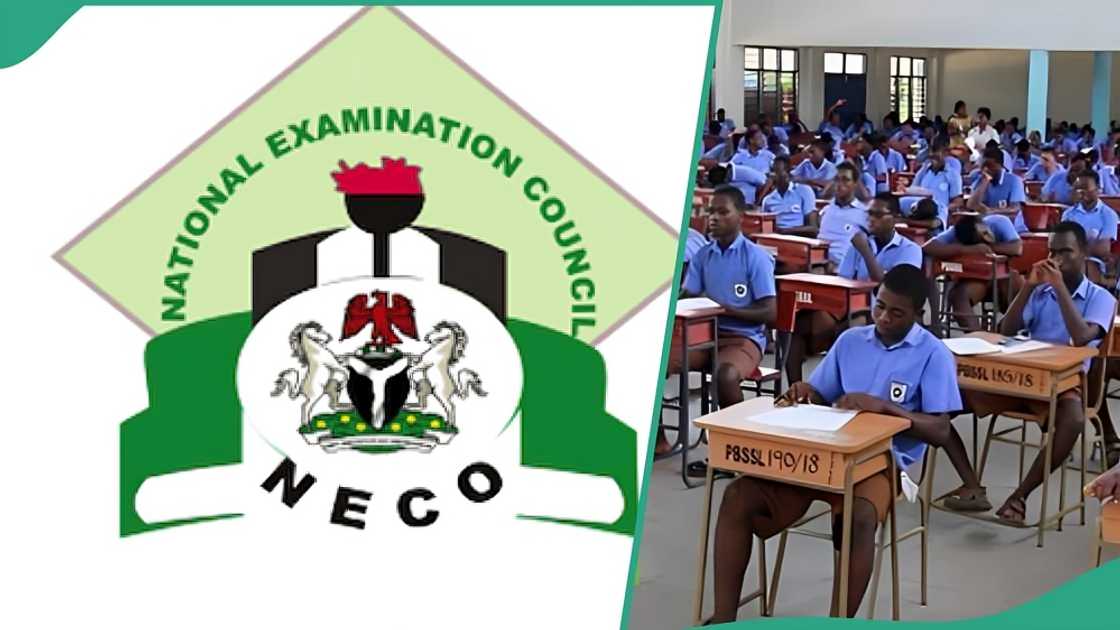
Local vigilante groups have successfully rescued several students of the National Examinations Council (NECO) who were abducted in Borno State, security sources confirmed on Monday.
The students were reportedly kidnapped while traveling or residing in the area for examination purposes. Details of the exact number rescued and the circumstances of the abduction remain limited, but eyewitness accounts indicate that vigilante fighters acting on intelligence engaged the kidnappers, leading to the release of the captives without major casualties reported among the students.
A community leader in the affected area praised the swift response of the vigilantes, stating that their deep knowledge of the local terrain played a crucial role in tracking the abductors. “These boys and girls were on their way to pursue their education. We thank God and our local defenders for bringing them back safely,” he said.
Borno State has faced persistent security challenges, including banditry and insurgent activities that have occasionally targeted schools and students. The rescue operation highlights the growing reliance on community-based security networks in complementing efforts by the Nigerian military and police in the region.
Authorities are yet to issue an official statement on the incident, but sources say efforts are ongoing to reunite the rescued students with their families and provide necessary medical and psychological support. Investigations into the kidnapping are also underway to apprehend those responsible.
This latest incident comes amid broader concerns over the safety of students in northern Nigeria during examination periods.
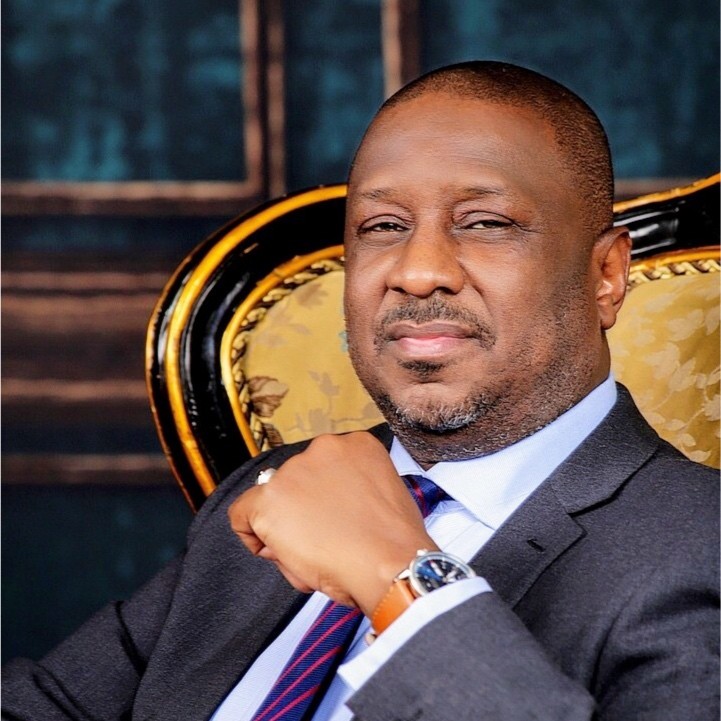
Nigeria’s anti-graft agency, the Economic and Financial Crimes Commission (EFCC), has filed separate money laundering charges against the immediate past Managing Directors of the Port Harcourt Refining Company (PHRC) and the Warri Refining and Petrochemical Company (WRPC).
The accused are Ahmed Adamu Dikko, former MD of the Port Harcourt Refinery, and Jimoh Olasunkanmi Yisawu, former MD of the Warri Refinery. The charges stem from the alleged diversion and laundering of funds earmarked for the rehabilitation of Nigeria’s state-owned refineries.
According to court documents and investigations by PREMIUM TIMES, the EFCC accused the former officials of abusing their positions by receiving and laundering large sums of money through third parties in connection with controversial turnaround maintenance contracts.
The probe forms part of a broader investigation into alleged fraud involving billions of dollars linked to the rehabilitation of the Port Harcourt, Warri, and Kaduna refineries. EFCC sources have indicated that the total amount under scrutiny runs into billions, with earlier recoveries reported at ₦38.66 billion alongside other properties.
The charges include multiple counts of money laundering, with Dikko and Yisawu allegedly involved in diverting public funds meant for critical refinery upgrades. This comes amid ongoing scrutiny of officials from the Nigerian National Petroleum Company Limited (NNPCL) and contractors involved in the projects.
The development is the latest in a series of actions by the EFCC targeting alleged corruption in Nigeria’s oil sector, where massive investments in refinery rehabilitation have yielded limited operational improvements despite significant expenditures.
As of the time of filing, court proceedings for the arraignment of the former MDs were underway. The EFCC has not yet issued an official statement on the matter.


16-Year-Old Osasere Okundaye Becomes Nigeria’s Youngest Chartered Accountant

JUST IN: Vigilante Groups Rescue Kidnapped NECO Students in Borno State

EFCC Charges Former Port Harcourt, Warri Refinery MDs with Money Laundering

Tech Expert, Zuckerberg trains with UFC champions, Adesanya, Alexander

Organ Trafficking: Ekweremadu bags 10 years in UK prison

SAINT OBI: Between his marriage and his death
-

 Crime3 days ago
BREAKING: JTF Rescues Five Kidnap Victims Along Benin-Ore Expressway
-

 News3 days ago
Lagos Urges Students to Lead Fight Against Sickle Cell Disorder
-
 News2 days ago
NDLEA, Army, NAFDAC, Agunechemba, Others Rally Against Drug Abuse in Anambra
-

 Business18 hours ago
Naira Exchange Rates Monday, 29 June 2026
-

 News3 days ago
DSS Releases, Compensates Man Wrongfully Held Over Boko Haram Links
-

 Health17 hours ago
WHO Confirms 1,300 deaths in Europe heatwaves
-

 Crime3 days ago
NDLEA Seizes 10,000kg Drugs, Convicts 173 in Niger
-

 News2 days ago
Sanwo-Olu Addresses PSP Operator’s Challenges , Announces Measures to Boost Waste Management (Photos)