
Business
Emirates To Launch onboard Utensils Made From Plastics Waste


By Ocheneyi Alli
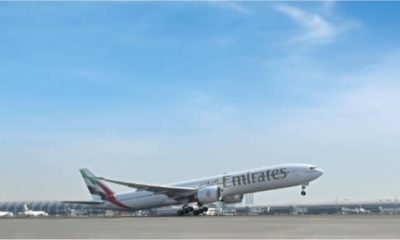
Emirates Airline says that it will this month, launch onboard items such as plastic trays, bowls, snack and casserole dishes irecycled from Plastics waste nto fresh, ready-to-use Emirates meal service products.
In a statement to mark this year’s edition of the United Nations World Environment Day with theme, #BeatPlasticPollution, Emirates said that it will introduce the new recycled utensils onboard from June 2023.
The airline recently entered into partnership with deSter FZE UAE, to recycling millions of the onboard used items.
Emirates says that the project is in line with its commitment to consuming responsibly, adding that the new initiative is a transition to the principles of a circular economy, whereby items are reduced, reused, and recycled.
” Millions of old and damaged meal service items from Economy and Premium Economy Class dining will be collected after flights, washed and checked for damage, transported to a facility in Dubai to be ground down, reprocessed, and manufactured into new dishes, bowls and trays – before being sent to Emirates Flight Catering to be used again for thousands of meals in the sky,” said the Airline.
Commenting on the partnership with deSter FZE UAE, Emirates explains that deSter is a leading provider of service ware concepts to the aviation industry, and expert in closed loop manufacturing.
” Emirates will be reusing plastic materials that have already reached their end of life and would otherwise need to be written off.
The new trays, casseroles, snack dishes and bowls, potentially containing around 25% reused material (recyclate), will be brought back into service on aircraft across the globe, and the proportion will continue to increase over time.
” The team at deSter are members of the CE100 network, which includes some of the world’s leading circular economy companies and have also been awarded the ‘Gold’ Sustainability rating from Ecovadis – a globally recognized certification for sustainable practices.
Emirates elected to work with deSter once a facility in UAE was ready to facilitate the huge scale of Emirates’ requirement – substantially reducing the carbon footprint of sending the products to another country to be recycled.
The deSter factory also incorporates sustainable design principles focusing on solar power, efficient use of water and minimization of waste,” it said.
Emirates’ commitment to reducing plastic waste
Emirates Airline is committed to reducing plastic waste and has already implemented several initiatives in addition to the new closed loop recycling project.
Emirates has diverted over 150 million single-use plastic items from landfill each year by replacing plastic straws, inflight retail bags, and stirrers with responsibly sourced paper and wooden alternatives.
Blankets Recycled From Plastic Bottles
Economy and Premium Economy Class passengers can get comfortable with soft blankets onboard, where each blanket is manufactured from 28 recycled plastic bottles.
Over the course of one year, this initiative saves 88 million plastic bottles from landfill.
Emirates’ current range of inflight toy bags, baby amenity kits and plush toys are made from recycled plastic bottles, and over 8 million plastic bottles were repurposed during 12 months of amenity kit production.
The hygiene covers for bowls on Emirates meal trays and plastic tumblers are made from 80% recycled plastic (rPET).
Emirates Economy and Premium Economy amenity kits are made from alternative materials such as kraft paper, rice paper and recycled plastic, reducing the consumption of virgin plastic.
Emirates Cabin Crew segregate glass and plastic bottles for recycling in Dubai, diverting about 500,000 kilograms of plastic and glass from landfill in 2022.”









BLACK/ PARALLEL MARKET RATES
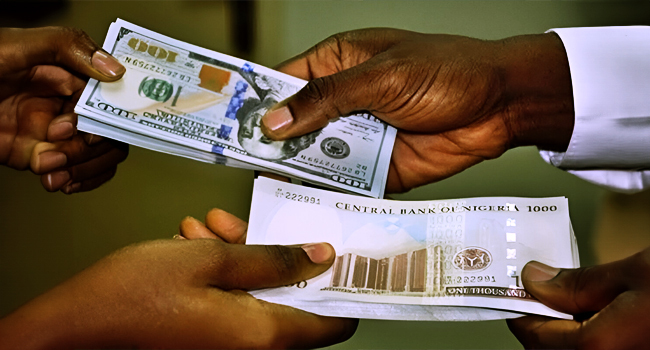
₦1370 DOLLAR (USD)
₦1800 POUND (GBP)
₦1510 EURO (EUR)
₦970 CANADIAN DOLLAR (CAD)
₦65 SOUTH AFRICAN RAND (ZAR)
₦350 UAE DIRHAM (AED)
₦190 CHINESE YUAN (CNY)
₦100 GHANAIAN CEDI (GHS)
₦2300 WEST AFRICAN CFA F.(XOF)
₦2200 CENTRAL AFRICAN CFA F.(XAF)
₦850 AUSTRALIAN DOLLAR AUSSIE (AUD)
CBN OFFICIAL RATES
DOLLAR (USD)₦1331.61
POUND (GBP)₦1764.26
EURO (EUR)₦1490.48
SWISS FRANC (CHF)₦1608.23
JAPANESE YEN (JPN)₦8.4
CFA FRANC (XOF)₦2.27
WEST AFRICAN UNIT OF ACCOUNT (WAUA)₦1802.33
CHINESE YUAN (CNY)₦199.01
SAUDI RIYAL (SAR)₦354.83
SOUTH AFRICAN RAND (ZAR)₦80.49
Business
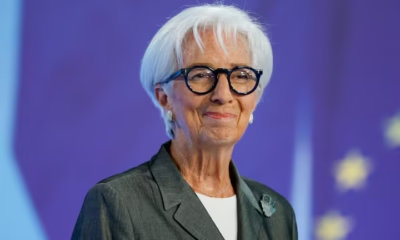
WEF could appoint Lagarde as its next chair, sources say
The WEF’s Board of Trustees, which includes Lagarde herself, was due to meet on November 2 and could elect her as its next chair, said the people close to the organisation, who spoke on condition of anonymity due to the sensitivity of the matter.

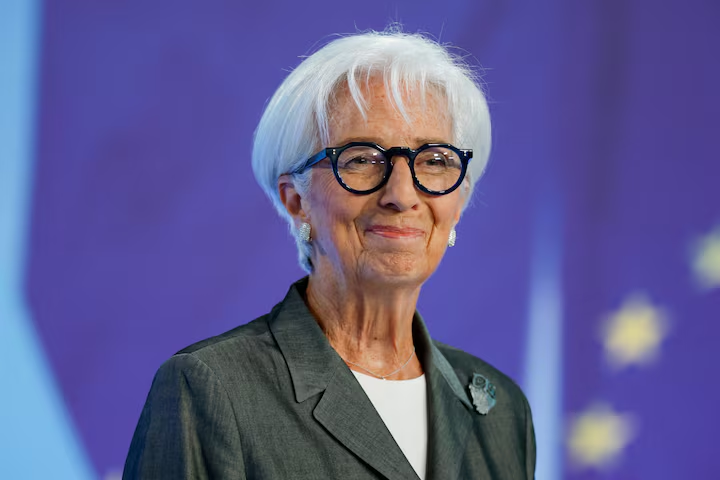
•European Central Bank President Christine Lagarde
The World Economic Forum could appoint Christine Lagarde as its next chair as soon as next month, four people close to the organisation told Reuters, meaning she would step down early as European Central Bank chief and trigger a wider reshuffle at the top of the ECB.Lagarde’s ECB term is scheduled to end in October 2027.
Leaving early would give European Union leaders a chance to pick a new ECB President before France’s spring presidential election, which opinion polls suggest the far-right could win, and could pave the way for a deal involving two other senior ECB roles.
The WEF’s Board of Trustees, which includes Lagarde herself, was due to meet on November 2 and could elect her as its next chair, said the people close to the organisation, who spoke on condition of anonymity due to the sensitivity of the matter.
No final decision has been taken yet, they said.
A spokesperson for the WEF said the forum could not confirm when the next full Board of Trustees meeting would take place, but that the aim was to hold one before the end of the year.
Business
Germany plans tax on sugary drinks
The tax is expected to generate additional revenue for the federal government of €690 million in 2027 and €925 million in 2028.
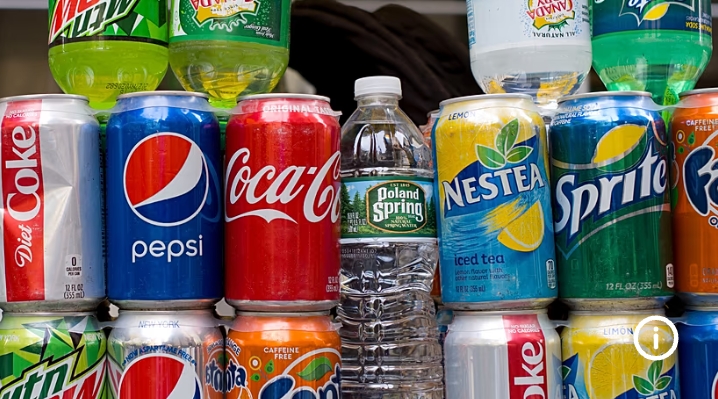
The German cabinet has approved draft legislation to tax sugary drinks in Europe’s biggest economy.
If passed by the German Bundestag, the tax will take effect on 1 July 2027.
The coalition aims to raise revenue for the federal budget while encouraging manufacturers to reduce sugar content and offer healthier products.
The levy is intended to ease pressure on the healthcare system, which faces costs of more than €2 billion every year linked to the high consumption of sugary drinks, which contributes to obesity, diabetes and tooth decay.
According to the federal government, Berlin is using the tax to implement “what associations from the fields of health, science, child protection, and consumer protection have long been demanding.”
The tax is expected to generate additional revenue for the federal government of €690 million in 2027 and €925 million in 2028.


JUST IN: Mob Sets BRT Bus Ablaze After Motorcyclist’s Death in Lagos

BREAKING: DSS Arrests Fugitive Maina Son, Hands Him to EFCC

BREAKING: 5 Arrested Over Imo NYSC Abduction

BREAKING: Lagos Govt Declares Today, Thursday Work-Free to Mark 2026 Ìṣẹ̀ṣe Day

Tech Expert, Zuckerberg trains with UFC champions, Adesanya, Alexander

Organ Trafficking: Ekweremadu bags 10 years in UK prison
-
 Business3 days ago
Naira Exchange Rates For Thursday, October 15
-
 Sports3 days ago
CAF Increases Annual Funding for Member Federations to $700,000
-

 News3 days ago
ASCON To Be Rebranded “National School Of Government”
-
 Business3 days ago
Germany plans tax on sugary drinks
-
 International2 days ago
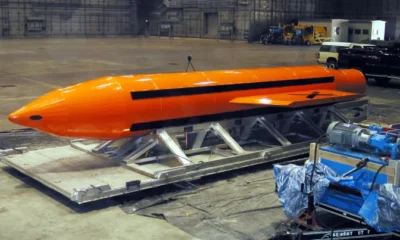
“Mother of all bombs,” Trump Plans To Hit Iran
-
 Business3 days ago
WEF could appoint Lagarde as its next chair, sources say
-
 Business2 days ago
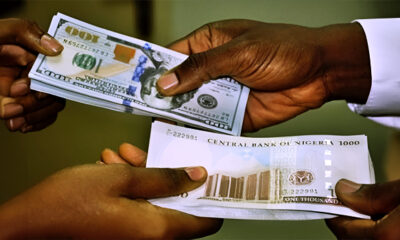
Naira Exchange Rates Friday, October 16
-
 Crime1 day ago
BREAKING: 5 Arrested Over Imo NYSC Abduction