
Business
Trump slams 14% reciprocal tariffs on Nigeria
The 14 percent tariffs imposed on Nigeria, according to Trump, is against 27 percent charged to the US by Nigeria.

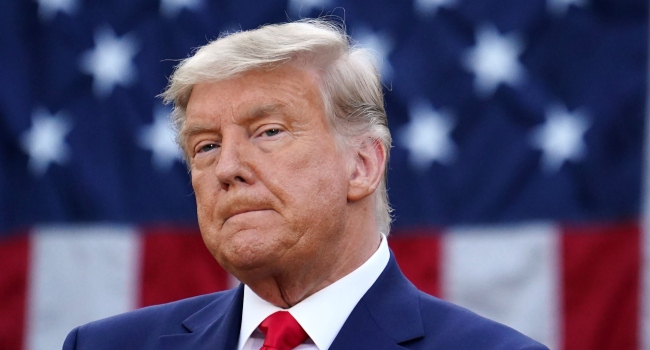
US President Donald Trump has slammed a 14 percent reciprocal tariff on all Nigerian goods entering the US as the much talked about “Liberation Day” tariffs comes into effect.
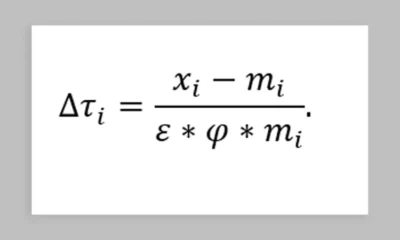
Trump had said that countries would face a tariff rate at half the level they charge the US, as deemed by the White House, with a minimum tariff rate of 10 percent, saying that the calculation included non-monetary trade barriers and currency manipulation.
The 14 percent tariffs imposed on Nigeria, according to Trump, is against 27 percent charged to the US by Nigeria.
The new tariffs, which affected 185 countries, has therefore, ended months of anxious wait and uncertainty, which had plummeted stocks around the US, Europe and Asian markets.
The moves today are the latest escalation of a trade war that also includes plans to impose 25 percent tariffs on all foreign-made vehicles this week.
Accordingly, Trump slammed a baseline tariff of 10 percent across all countries, while upping the duties for various partners whom he described as bad actors with country like Lesotho getting as much as 50 percent levies on their exports to America.
The tariffs will be not a full reciprocal,” he said. “I could have done that, yes, but it would have been tough for a lot of countries who didn’t want to do that.”Auto tariffs of 25 percent will go into effect tomorrow as planned.





BLACK MARKET RATES
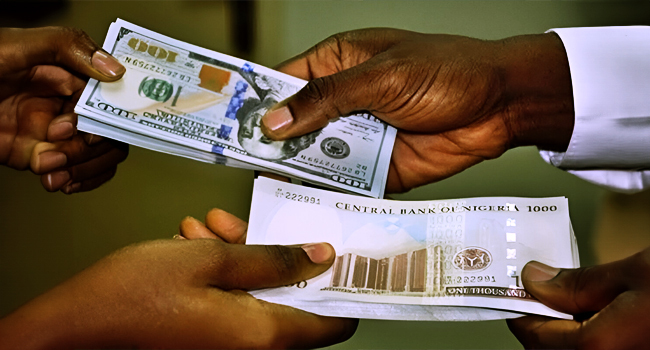
US DOLLAR (USD) Buy ₦1, 397 Sell ₦1,405
GREAT BRITISH POUND (GBP) Buy ₦1,850 Sell: ₦1,865
EURO (EUR) Buy ₦1, 580 Sell ₦1,600
CANADIAN DOLLAR (CAD) Buy ₦1,030 Sell ₦1,100
SOUTH AFRICAN RAND (ZAR) Buy ₦75 Sell ₦90
UAE DIRHAM Buy ₦350 Sell ₦370
CHINESE YUAN Buy ₦180 Sell ₦200
GHANA CEDI (GHS) Buy ₦95 Sell ₦110
WEST AFRICAN CFA Buy ₦2, 380 Sell ₦2, 460
CENTRAL AFRICAN CFA Buy ₦2, 220 Sell 2,300
AUSTRALIAN DOLLAR Buy ₦800 Sell ₦900
CBN OFFICIAL EXCHANGE RATES
US DOLLAR (USD) ₦1,370.15
GREAT BRITISH POUND (GBP) ₦1,832.17
EURO (EUR) ₦1,568.28
SWISS FRANC (CHF) ₦1,1705.44
JAPANESE YEN (JPN) ₦8. 51
CHINESE YUAN (CNY) ₦201. 80
WEST AFRICAN CFA (XOF) ₦2.38
WEST AFRICAN UNIT ACCOUNT (WAUA) ₦1,859. 98
SAUDI RIYAL (SAR) ₦364.91
SOUTH AFRICAN RAND (ZAR) ₦84. 32
The Presidency says the bodies allegedly used by Adeyemi—including the so-called Presidential Economic Advisory Council, Presidential Foreign Investment Promotion Council, and Presidential Foreign Intervention Promotion Council—do not exist as government agencies.
The Presidency says a man identified as Prince Adeniyi Adeyemi Matthew allegedly created and operated fake government agencies, forged appointment letters, and falsely claimed to have been appointed by Femi Gbajabiamila.
According to the statement:
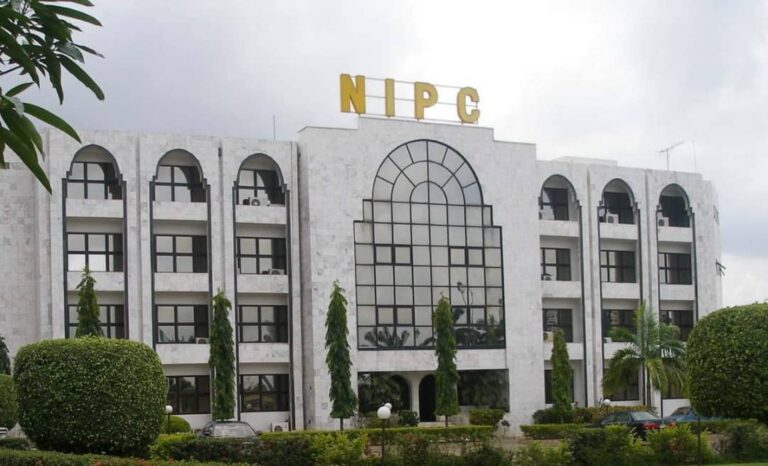
The Office of the Chief of Staff discovered the alleged scheme after complaints from the Nigerian Investment Promotion Commission (NIPC) that an unauthorized body was operating in a way that conflicted with its functions.
The Chief of Staff petitioned the Department of State Services and the Nigeria Police Force in October 2025 to investigate alleged forged appointment letters.
The Presidency says the bodies allegedly used by Adeyemi—including the so-called Presidential Economic Advisory Council, Presidential Foreign Investment Promotion Council, and Presidential Foreign Intervention Promotion Council—do not exist as government agencies.
Investigators allege Adeyemi operated from an office in the Federal Secretariat Complex, held meetings with diplomats, and sought diplomatic support to obtain U.S. visas for members of the alleged organization.
Police reportedly recovered forged documents and other exhibits during searches of his office and residence.
The investigation allegedly found that Adeyemi operated 34 bank accounts, including several in the names of fictitious organizations, and used forged documents to open a Central Bank of Nigeria account.
The Presidency says no government funds were paid into that account.
Police charged Adeyemi and two others before the Federal High Court on multiple counts, including forgery, impersonation, and obtaining by false pretence. The case is scheduled for hearing on July 27.
The Presidency also denied claims that Gbajabiamila appointed Adeyemi, stating that appointments to federal offices are issued through the Office of the Secretary to the Government of the Federation, not the Office of the Chief of Staff.
Current status
The Presidency maintains that:
the agencies in question are fictitious,
the appointment letter was forged,
Adeyemi is an impostor,
and the allegations against him should be resolved by the court.
As the case is pending before the court, the allegations remain subject to judicial determination.
BLACK MARKET RATES
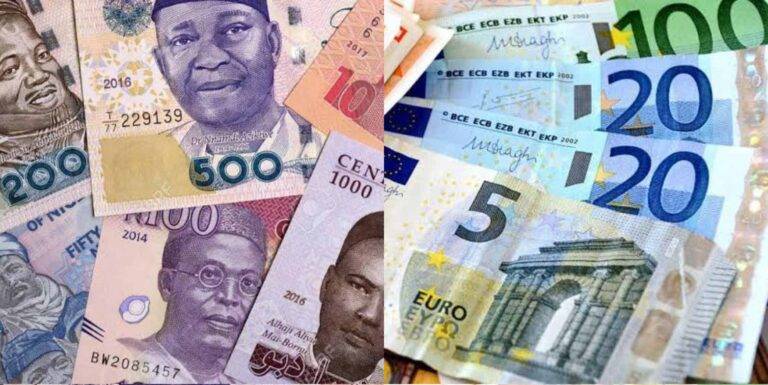
US DOLLAR (USD) Buy ₦1, 395 Sell ₦1, 403
GREAT BRITISH POUND (GBP) Buy ₦1,845 Sell: ₦1,865
EURO (EUR) Buy ₦1, 585 Sell ₦1,600
CANADIAN DOLLAR (CAD) Buy ₦1,030 Sell ₦1,100
SOUTH AFRICAN RAND (ZAR) Buy ₦75 Sell ₦90
UAE DIRHAM Buy ₦350 Sell ₦370CHINESE YUAN Buy ₦180 Sell ₦200
GHANA CEDI (GHS) Buy ₦95 Sell ₦110
WEST AFRICAN CFA Buy ₦2, 380 Sell ₦2, 460
CENTRAL AFRICAN CFA Buy ₦2, 220 Sell 2,300
AUSTRALIAN DOLLAR Buy ₦800 Sell ₦900
CBN OFFICIAL EXCHANGE RATES
US DOLLAR (USD) ₦1,372.41
GREAT BRITISH POUND (GBP) ₦1,821.73
EURO (EUR) ₦1,565.37
SWISS FRANC (CHF) ₦1,695.42
JAPANESE YEN (JPN) ₦8.45
CHINESE YUAN (CNY) ₦201.98
WEST AFRICAN CFA (XOF) ₦2.40
WEST AFRICAN UNITACCOUNT (WAUA) ₦1,870. 31
SAUDI RIYAL (SAR) ₦365.45
SOUTH AFRICAN RAND (ZAR) ₦83.80


A Review of Akwa Ibom State Government’s July Delivery Meeting

Explosion rocks Apapa tank farm; NPA, NIMASA move to curtail spread

FG slams 8-count charges on Adeyemi over fake agency ” I’m not a criminal”, he defends

Tech Expert, Zuckerberg trains with UFC champions, Adesanya, Alexander

Organ Trafficking: Ekweremadu bags 10 years in UK prison

SAINT OBI: Between his marriage and his death
-

 Sports3 days ago
Two Dead In World Cup Celebrations In Mexico City
-
 News3 days ago
Tinubu to Send Off Team Nigeria to 2026 Commonwealth Games Thursday
-

 International3 days ago
South Africa Anti-Immigration Peaceful Protests To Continue Weekly Till Demands Are Met
-

 Sports3 days ago
Nigerian Emenalo steps down as Saudi Pro League football chief
-
 Business3 days ago
FG Moves to Sheild Pig Industry from Deadly Swine Fever
-
 Business2 days ago
Naira Exchange Rates Thursday July 2, 2026
-
 Business3 days ago
Naira Exchange Rates Wednesday July 1, 2026
-

 News2 days ago
FG Launches Digital Education Database, Seeks Full School Participation