
News
141 million Nigerian households to live in poverty this year – Report
The projection is contained in PwC’s Nigeria Economic Outlook 2026, titled “Turning macroeconomic stability into sustainable growth.”

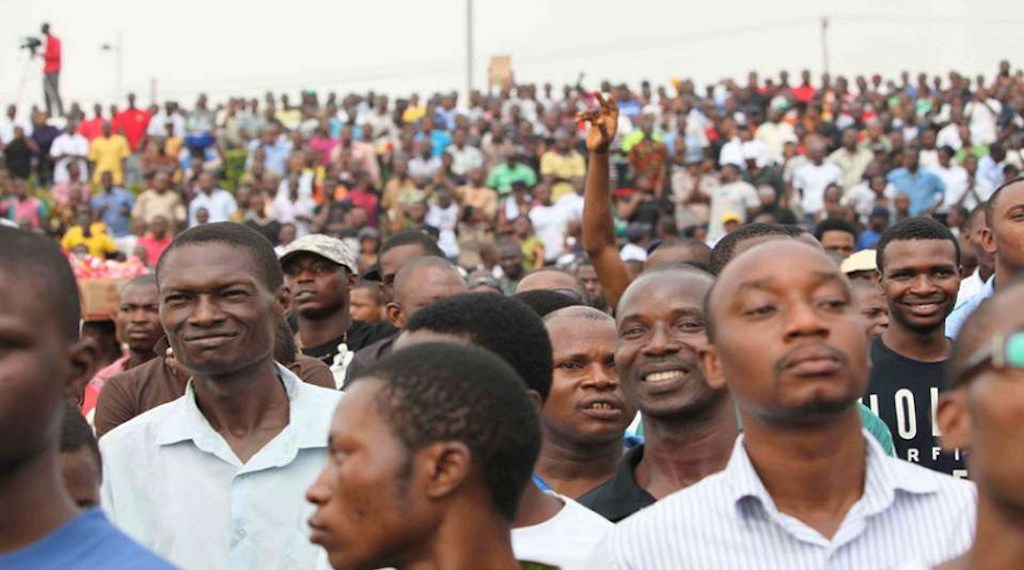
• Nigerians
Are most Nigerians poor because they are lazy? What is your opinion? Well, a report by the PwC has projects that the poverty rate in Nigeria will likely rise sharply to 62 percent this year, with about 141 million people expected to be living below the poverty line.
The projection is contained in PwC’s Nigeria Economic Outlook 2026, titled “Turning macroeconomic stability into sustainable growth.”
The report notes that despite recent policy actions aimed at restoring macroeconomic stability, weak growth in real incomes and persistently high living costs are likely to push more households into poverty over the next two years.
PwC estimates that most Nigerians will struggle to record income gains strong enough to offset rising prices in the near term, particularly as inflation continues to erode purchasing power.
“Poverty is projected to rise to 62 per cent (141 million people) by 2026, reflecting weak real income growth and lingering inflation effects
While inflation is expected to ease gradually, the firm warned that the underlying cost structure of the economy would limit meaningful affordability gains for households,” PwC noted.
News
Troops rescue Mrs Rabe Abubakar from bandits
In the course of the encounter, the bandits shot Mrs Abubakar before abandoning her and fleeing due to the overwhelming pressure from advancing troops.
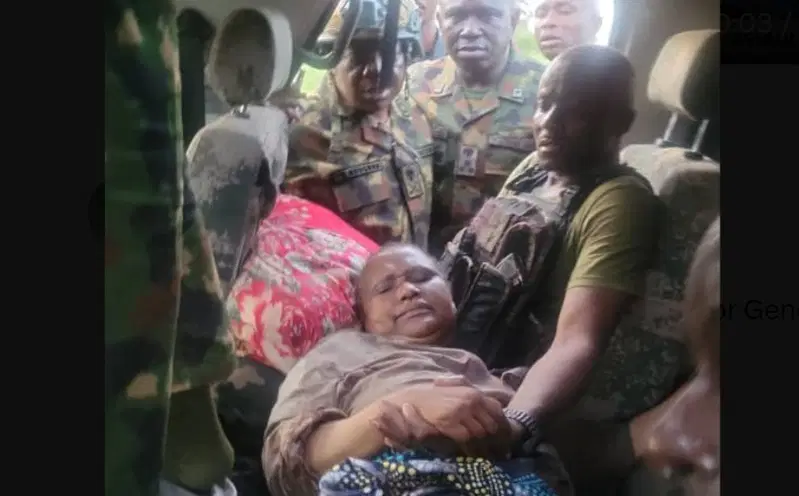
Troops of the Nigerian Army, with the support of the Nigerian Air Force, have successfully rescued Mrs Amina Abubakar, wife of the late Major General Rabe Abubakar and former Director of Defence Information, who was abducted by bandits alongside her husband a few weeks ago.
Director of Defence Information, Major General Samaila Uba, while making this known on Monday, said, “The rescue operation followed intensified search-and-rescue efforts conducted by troops of Operation Fansan Yamma.
“During sustained offensive operations and pressure mounted on the criminal elements, troops made contact with the bandits at Tunga Village, leading to the successful recovery of Mrs Abubakar.
In the course of the encounter, the bandits shot Mrs Abubakar before abandoning her and fleeing due to the overwhelming pressure from advancing troops.
Mrs Abubakar was immediately evacuated and is currently receiving medical attention at a military hospital, where she is responding to treatment.
(Vanguard News)
News
Lagos Police impound 50 vehicles on first day of number plate enforcement
The enforcement exercise, which commenced across the state on Monday, is in line with the directive of the Inspector-General of Police, Olatunji Disu, aimed at strengthening security and preventing the use of concealed number plates for criminal activities.
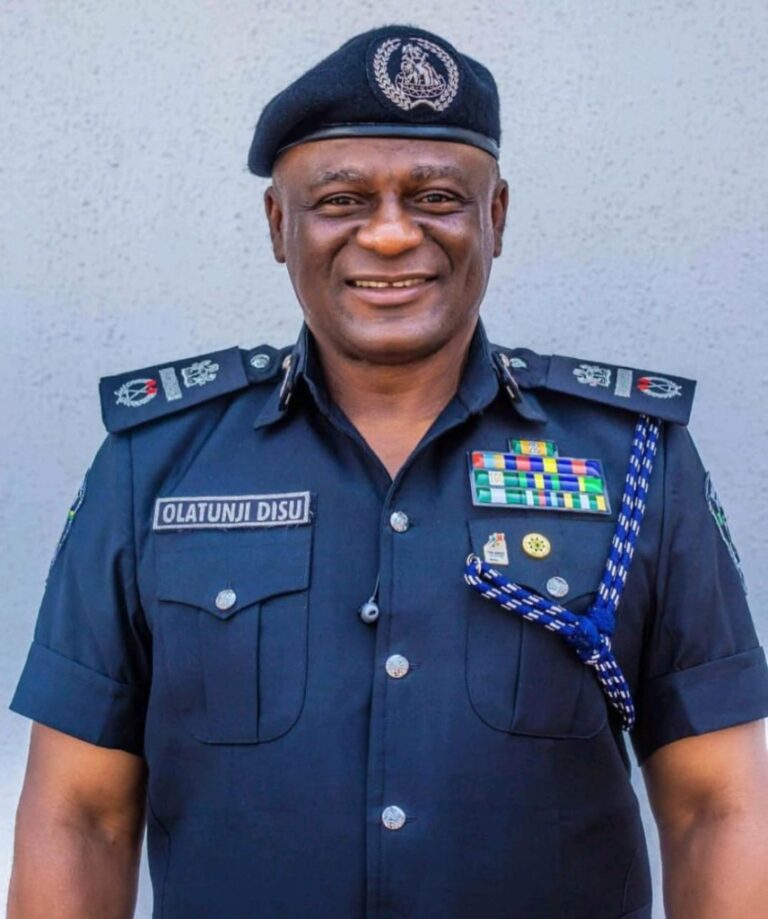
• IGP Tunji Disu
The Lagos State Police Command on Monday impounded more than 50 vehicles on the first day of enforcement of the ban on covered, obscured and unauthorised vehicle registration number plates.
The enforcement exercise, which commenced across the state on Monday, is in line with the directive of the Inspector-General of Police, Olatunji Disu, aimed at strengthening security and preventing the use of concealed number plates for criminal activities.
The Commissioner of Police, Lagos State Command, CP Fatai Tijani, personally led the operation in the Ikoyi area of Lagos, where several offending vehicles were impounded.
Police operatives from various Area Commands were also deployed to strategic locations across the state, resulting in the arrest of additional violators and the impoundment of their vehicles.
News
Police begins enforcement on vehicles with covered number plates
Lagos State police public relations officer SP Abimbola Adebisi, in a statement, explained that ,” The exercise will commence today, June 15, 2026, and will be led by the Commissioner of Police,Tijani Fatai.
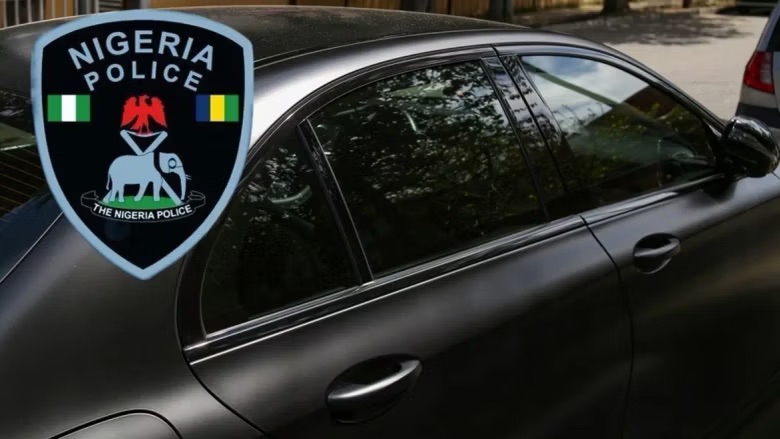
The Lagos State Police Command has directed all Area Commanders, Divisional Police Officers (DPOs), across the State to commence enforcement exercise against vehicles with covered, obscured, unauthorised, defaced or no registration number plates.
This was n compliance with the directive of the Inspector-General of Police, IGP Olatunji Disu.
The Command said that the enforcement is aimed at enhancing public safety, strengthening security, and denying criminal elements the opportunity to conceal their identities and activities.
Lagos State police public relations officer SP Abimbola Adebisi, in a statement, explained that ,” The exercise will commence today, June 15, 2026, and will be led by the Commissioner of Police,Tijani Fatai.
He further directed that any vehicle found violating the directive be impounded and subjected to thorough investigation in accordance with extant laws and established procedures.


Troops rescue Mrs Rabe Abubakar from bandits

UK PM announces ban on social media for under-16s

Lagos Police impound 50 vehicles on first day of number plate enforcement

Tech Expert, Zuckerberg trains with UFC champions, Adesanya, Alexander

Organ Trafficking: Ekweremadu bags 10 years in UK prison

SAINT OBI: Between his marriage and his death
-

 Crime2 days ago
BREAKING: Retired General Dies in Kidnappers’ Captivity, Demand Release of Gang Members
-
 Crime2 days ago
Bandits Kill 19 Farmers, Injure 12 Others in Fresh Attack in Zamfara
-

 Sports2 days ago
Balogun: This is something I dreamed of for a long time
-

 Sports2 days ago
FIFA World Cup 2026 Day 3: Qatar draws Switzerland 1: 1
-

 Sports17 hours ago
World Cup: Sweden beats Tunisia 5-1
-
 News16 hours ago
DHQ vows justice for slain retd Gen Rabe
-

 Politics6 hours ago
FHC Abuja Okays Deregistration of ADC , four other parties • The Judgement Can’t Stand—David Mark
-

 Business6 hours ago
AFC Backs Dangote Fertiliser With $600m Loan for Expansion