
Business
Why You Should Explore Property Options in Ajah, Lagos State by Dennis Isong
Major projects like the Lekki F⁸ree Trade Zone, the Dangote Refinery, and the proposed Lekki International Airport are also nearby.

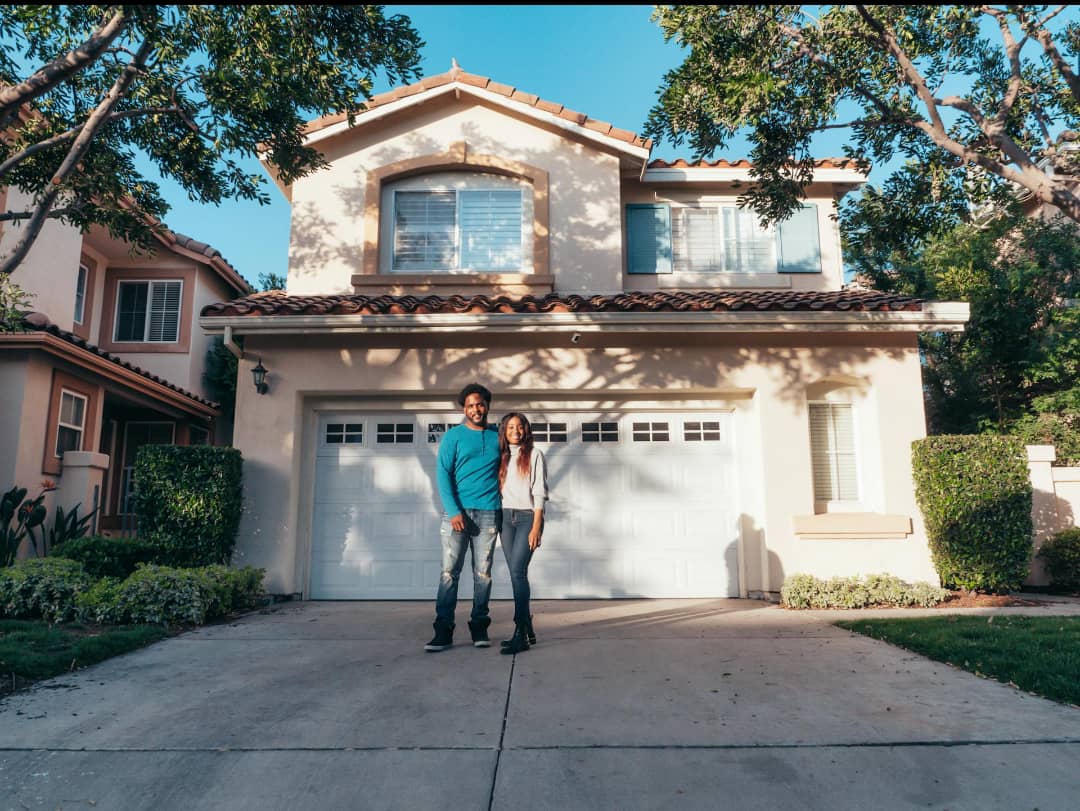
If you’re thinking about buying land or a home in Lagos, Ajah should be on your radar.
It’s one of the few places in Lagos where you can still get good value for money without sacrificing accessibility and modern comforts.
Whether you’re an investor, a first-time buyer, or just looking for a place to call home, Ajah has a lot to offer.
1. Affordable Compared to Other Prime Lagos Areas Buying property in Ikoyi or Victoria Island is like trying to buy a plot on the moon—very expensive.
Even Lekki Phase 1 is getting out of reach for many buyers. But Ajah? Ajah is still relatively affordable. You can get a decent plot of land in Ajah at a fraction of the price of similar land in Lekki. And the best part?
Ajah is growing fast. So, buying now means you’ll enjoy significant appreciation in the coming years.
2. Strategic Location
Ajah sits between the busy Lekki Phase 1 and the fast-growing Ibeju-Lekki. This means you’re close to major business hubs without being stuck in the thick of the congestion.
The area is well-connected by the Lekki-Epe Expressway, making it easy to move around. Whether you work on the Island or have business in Lagos Mainland, Ajah gives you access to both sides without too much hassle.
3. Growing Infrastructure
Ajah is developing rapidly, and property prices are rising. If you buy land or a house now, you’ll likely sell it at a much higher price in a few years.
A few years ago, Ajah was mostly waterlogged and difficult to navigate. But today, things have changed. Roads are being fixed, drainage systems are improving, and there’s better power supply in many parts.
Major projects like the Lekki F⁸ree Trade Zone, the Dangote Refinery, and the proposed Lekki International Airport are also nearby.
These developments will boost property value and make Ajah an even more attractive place to live and invest in.
4. Wide Range of Property Options
Whether you want the land to be built from scratch or a finished apartment, Ajah has something for you. From affordable mini-flats to luxurious duplexes in estates, you’ll find properties that suit your budget and lifestyle.
Many developers in Ajah offer flexible payment plans, making it easier for buyers to own property without breaking the bank. If you can’t pay all at once, installment plans are often available.
5. Perfect for Family Living If you have a family or are planning to start one, Ajah is a great place to consider.
It’s quieter than many parts of Lagos, with less noise and pollution. Many estates in Ajah come with security, good roads, and access to schools, supermarkets, and hospitals.
Schools like Caleb British International School and Green Springs School provide top-quality education, so you don’t have to worry about sending your kids far away for good schooling.
6. A Hub for Business and Investment
Ajah is not just for residential living. If you’re a business-minded person, you’ll love the opportunities here. Shops, supermarkets, hotels, and offices are springing up daily.
With more people moving in, businesses in Ajah are thriving.
If you’re an investor, rental income is promising here. Many people who work in Lekki and Victoria Island prefer to rent in Ajah because it’s more affordable. This makes it a great spot for buy-to-let investments.
7. Estates Everywhere
If security and community living are important to you, you’ll love the estate options in Ajah.
Popular estates like Abraham Adesanya Estate, Crown Estate, and Royal Gardens offer modern living with good security and amenities.
Living in an estate means you don’t have to worry about bad roads, unreliable power supply, or water issues—things that can be a problem in other parts of Lagos.
8. Future Appreciation
Ajah is developing rapidly, and property prices are rising. If you buy land or a house now, you’ll likely sell it at a much higher price in a few years.
With the ongoing expansion of the Lekki-Epe Expressway and the development of new estates and business hubs, property value in Ajah will only go up. If you want to invest in a place with high returns, Ajah is a smart choice.
How to Get Started with Buying Property in Ajah
If you’re convinced that Ajah is a good place to buy property, the next step is knowing how to go about it. Buying property in Lagos can be tricky if you’re not careful, so here are some tips to guide you:
1. Work with a Trusted Real Estate Agent
Not all land or houses in Ajah are genuine. Some properties have issues like land disputes, double allocation, or fake documents.
That’s why you need a reliable real estate expert who knows the area well. An experienced agent will help you find the right property, verify the ownership, and guide you through the buying process.
2. Do a Proper Land Search
Before paying for any land or house, make sure you check its legal status. Visit the Lagos State Land Bureau to confirm if the land has proper documentation and isn’t under government acquisition.
For houses, ensure the title documents (Certificate of Occupancy, Governor’s Consent, Deed of Assignment, etc.) are authentic. Don’t rely on what the seller tells you—verify!
3. Consider an Estate Property If you don’t want to stress about land verification and legal issues, buying in a registered estate is a safer option.
Estate developers usually provide proper documentation, making it easier for buyers to secure their investment. Some well-known estates in Ajah include:
● Abraham Adesanya Estate (Great for family living)
● Crown Estate (Luxury and comfort)
● Royal Gardens Estate (Well-planned and secure)
● Lafiaji Estate (Close to Lekki and affordable) These estates offer good security, steady electricity, and modern facilities, making them a smart choice for both living and investment.
4. Think Long-Term
Ajah is still growing, so don’t just look at its present state—think of the future. If you buy land in an area that looks undeveloped today, it could be worth millions in a few years.
For example, some parts of Ibeju-Lekki, which were once considered too far, are now in high demand because of projects like the Lekki Free Trade Zone and Dangote Refinery.
So, if your budget is small, don’t be afraid to buy in the outskirts of Ajah. Development will catch up soon, and your property value will appreciate.
5. Negotiate and Compare Prices Property prices in Ajah vary depending on location, estate, and seller. Before making a payment, compare prices in different areas.
Don’t just settle for the first option you see—there’s always room for negotiation. A professional real estate agent can help you get the best deal without overpaying.
6. Have a Budget Beyond Just Buying the Property Many people forget that buying property comes with extra costs.
Apart from the purchase price, you may need to budget for: ● Legal fees (to process your documents) ● Survey and land registration ● Development fees (if buying in an estate) ● Building costs (if you’re buying land to develop later)
Understanding these costs will help you plan better and avoid surprises.
Ajah is one of the few places in Lagos where you can still find affordable property with great future potential.
As development continues, prices will keep rising, and opportunities will become limited. If you’ve been thinking about buying property in Lagos, Ajah is a smart place to invest.
Whether you’re looking for land, a house, or rental property, there’s something for everyone.
But don’t wait too long—the best time to buy property in Ajah is now!
Business
RMRDC Taking 2027 Africa Raw Materials Summit To Kenya
Speaking with newsmen during the conclusion of the ARMS 2026, Ike-Muonso said Nigeria is the only county that has an organisation, government-owned organisation in the continent that is fully dedicated to adding value to raw materials.
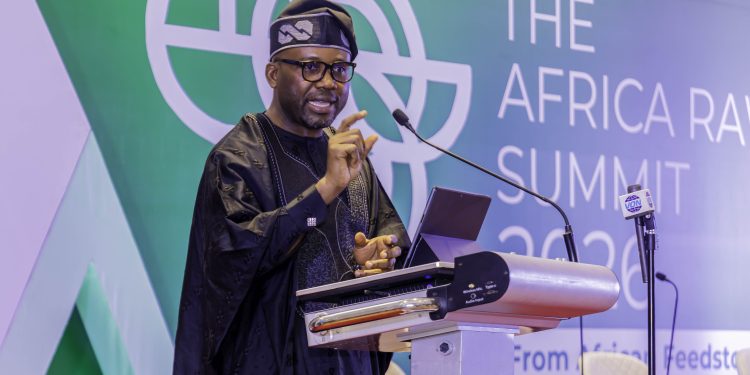
• Photo: Hon.Minister, Federal Ministry of Innovation, Science and Technology (FMIST), Dr Kingsley Udeh, declaring the event open.
The third edition of the Africa Raw Materials Summit (ARMS) 2027, would be used to garner support for setting up a centralised continental database for raw processing and value addition that is accessible to investors and industrialists.
The Director-General of the Raw Materials Research and Development Council (RMRDC), Prof. Nnanyelugo Ike-Muonso, disclosed this during the ARMS 2026 Summit , held in Abuja, themed, ‘From African Feedstock To Factories.’
Building enthusiasm ahead of the next year’s event scheduled to hold in Kenya, East Africa, Ike-Muonso explained that the decision to take the summit to Kenya was reached following what he described as the East Africa country participants’ dominance in the first and second edition of the summit.
Ike-Muonso said Nigeria is the only county that has an organisation, government-owned organisation in the continent that is fully dedicated to adding value to raw materials.
Business
JPMorgan Eyeing Entry Into Nigeria’s Banking Industry
J.P. Morgan operates in more than 100 countries worldwide, providing financial services, investment banking, asset management, and commercial banking across major global markets in the Americas, Europe, the Middle East, Africa, and Asia-Pacific.

JPMorgan Chase & Co has deposited N50 billion with the Central Bank of Nigeria as part of efforts to secure a merchant banking licence and expand its operations in Nigeria .
J.P. Morgan operates in more than 100 countries worldwide, providing financial services, investment banking, asset management, and commercial banking across major global markets in the Americas, Europe, the Middle East, Africa, and Asia-Pacific
Bloomberg reported that the CBN deposit, valued at about $38m, meets a key requirement in the American lender’s application and signals its readiness to establish a licensed banking operation in Nigeria.
However, the payment does not guarantee approval, as the CBN is yet to make a final decision on the application.
People familiar with the process, said the deposit was one of the final regulatory requirements for the licence.
They added that the bank expects to obtain approval by the end of 2026 or in early 2027, subject to the regulator’s decision.
Business
How I steal ATM users’ PINs, defraud them
“I do go to the ATM machine to lie in wait for gullible customers who believe whatever I may tell them, and people that seek for help too,” he said.
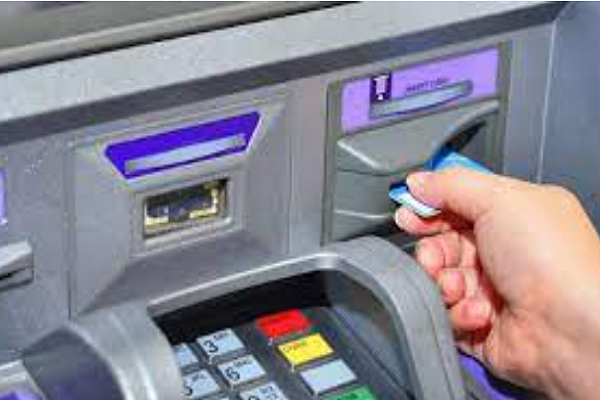
A fraudster has confessed to the police how he stole bank customers’ PINs by pretending to help them operate automated teller machines
The suspect, whose identity was not disclosed in a statement by the Cross River State Police Command, said that he targeted customers who needed assistance at ATM points, withheld their cards and observed them entering their PINs before leaving the premises.
The Cross River State Police Command’s Public Relations Officer, ASP Sunday Eitokpah, disclosed this in a video uploaded to the command’s Facebook page on Tuesday.
Eitokpah said the suspect was arrested on October 6, 2026, over alleged fraud involving unsuspecting ATM users.
Explaining the alleged method, the suspect said he approached customers who appeared to need help and exploited their willingness to trust him.
“I do go to the ATM machine to lie in wait for gullible customers who believe whatever I may tell them, and people that seek for help too,” he said.
He added, “So, if you call for help or assistance from me, what I do is I put the ATM on the cardless transaction mode and withhold your card. You’ll be thinking your card is inside, but your card is not inside.”
According to the suspect, he watched as customers selected the transactions they wanted to carry out and entered their PINs.
He said, “And you’ll choose a transaction which you want to perform. It’s either withdrawal or transfer or inquiry. By the time you click on any of them, ask you to put your password, to put your password, and confirm your password, I will leave the premises.”
Eitokpah said the suspect allegedly memorised customers’ PINs as they entered them, then left the ATM point with the information needed to carry out fraudulent transactions elsewhere.
The customers would subsequently discover that their cards were missing and their accounts had been debited.


JUST IN: Gas Emissions Hit Ogun Schools, Hundreds of Pupils Hospitalised

Ebola In Nigeria: Symptoms, Spread and How To Protect Yourself

NDC Plans Fresh Congresses To Replace Defector Members

BREAKING: Lagos Govt Declares Today, Thursday Work-Free to Mark 2026 Ìṣẹ̀ṣe Day

Tech Expert, Zuckerberg trains with UFC champions, Adesanya, Alexander

Organ Trafficking: Ekweremadu bags 10 years in UK prison
-

 Sports2 days ago
Mbappé wins Onze d’Or award for 2025/26 season
-

 Business11 hours ago
Naira Exchange Rates Wednesday, October 21, 2026
-

 Business11 hours ago
Currency Words You Should Know
-

 News2 days ago
JUST IN: Ex-Delta Gov Uduaghan Dies at 71, Oborevwori Mourns
-

 Sports2 days ago
Ronaldo Gets 30-Day Suspension For Portugal Camp Walkout
-

 Business10 hours ago
NCC, CBN To Warn Companies By Flagging Fraudulent Phone Numbers
-
Business9 hours ago
JPMorgan Eyeing Entry Into Nigeria’s Banking Industry
-

 Health1 day ago
BREAKING: Nigeria Confirms First Ebola Case