
News
The Profitable Venture of Building Warehouses on Land Property in Nigeria

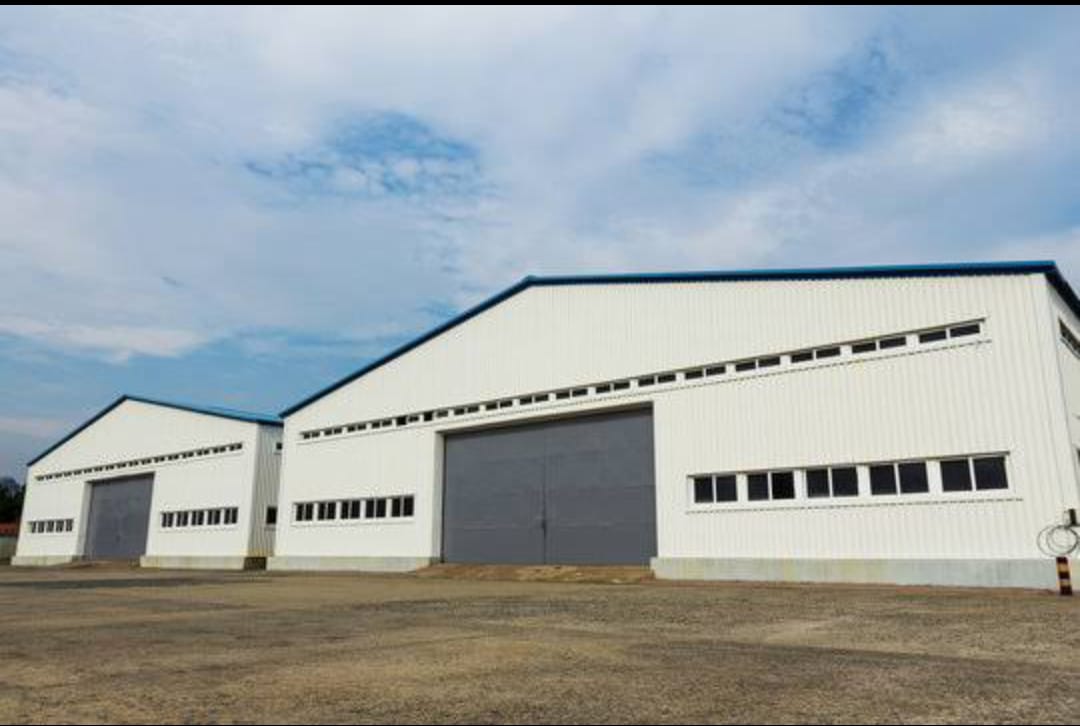
By Dennis Isong
INVESTING in real estate has always been a reliable pathway to wealth generation, particularly in Nigeria, where the demand for land and property consistently rises due to rapid population growth. Among the various forms of real estate investments, building a warehouse on your land property stands out as a highly profitable venture.
What is a Warehouse?
A warehouse is a large building or structure primarily used for storing goods, merchandise, and materials. Warehouses serve as key nodes in the supply chain, where goods are received from suppliers, stored, and then distributed to retailers or customers.
They can range from small storage spaces to massive complexes covering thousands of square meters. The design of a warehouse is typically utilitarian, focusing on functionality, safety, and efficiency, with features like high ceilings, loading docks, and climate control systems to protect perishable items.
Uses of a Warehouse
- Storage of Goods: The primary function of a warehouse is to store goods, ranging from raw materials to finished products. This storage capability helps businesses manage their inventory and meet customer demands without the risk of stockouts.
- Distribution Hub: Warehouses often serve as distribution centers, where goods are received from various suppliers and then dispatched to retail stores, customers, or other warehouses.
- Order Fulfillment: In e-commerce, warehouses play a crucial role in order fulfillment, where products are picked, packed, and shipped to customers after an online purchase.
- Cross-Docking: This is a process where products from a supplier or manufacturing plant are distributed directly to customers or retail chains with minimal handling or storage time, reducing the need for warehouse space and speeding up delivery times.
- Product Consolidation: Warehouses can consolidate smaller shipments from different suppliers into a larger, single shipment, reducing transportation costs and increasing efficiency.
- Seasonal Storage: Businesses often need additional storage space for seasonal products. A warehouse provides the necessary space to store these goods until they are needed, such as holiday decorations or seasonal clothing.
- Inventory Management: Modern warehouses are equipped with inventory management systems that track the movement of goods, manage stock levels, and ensure efficient operations.
- Buffer Storage: Warehouses act as a buffer between production and consumption, allowing businesses to store excess inventory during times of low demand and release it when demand spikes.
- Packaging and Labeling: Many warehouses offer packaging and labeling services, where goods are repackaged, labeled, or customized before being shipped to their final destination.
- Product Testing and Inspection: Some warehouses are equipped with facilities for testing, inspecting, and even repairing products before they are shipped out to ensure quality and customer satisfaction.
Benefits of Warehouse Property Investment in Nigeria
- High Demand for Storage Space: Nigeria’s booming population and growing economy have led to an increase in the production and consumption of goods. This, in turn, has driven the demand for storage facilities, making warehouses a sought-after commodity. Companies in industries such as manufacturing, agriculture, retail, and e-commerce all require warehouse space to store their products and manage their supply chains effectively.
- Steady Rental Income: One of the primary benefits of building a warehouse on your land property is the potential for steady rental income. Companies are willing to pay premium prices to lease well-located and well-maintained warehouses. This provides property owners with a reliable and consistent source of income, often with long-term lease agreements that offer financial stability.
- Appreciation of Property Value: Investing in warehouse property not only generates rental income but also contributes to the appreciation of the property’s value over time. As urban areas expand and industrial zones develop, the value of land with functional warehouses increases. This makes it a lucrative investment for the future.
- Low Vacancy Rates: Warehouses, especially those located in strategic areas like Lagos, Abuja, and Port Harcourt, tend to have low vacancy rates. The consistent demand for storage space ensures that warehouse properties are rarely left unoccupied, reducing the risk for investors.
- Diverse Tenant Base: Warehouses attract a wide range of tenants from various industries, including logistics, manufacturing, retail, and e-commerce. This diversity reduces the risk of dependency on a single tenant or industry, providing a more stable investment.
- Scalability: Unlike residential or commercial properties, warehouses offer scalability. As your business grows, you can expand the warehouse space by acquiring adjacent land or optimizing the existing layout. This flexibility allows you to cater to larger tenants or store more goods, increasing your income potential.
- Tax Incentives: The Nigerian government, recognizing the importance of infrastructure and storage facilities, offers various tax incentives for warehouse construction and operation. These incentives can significantly reduce the overall cost of investment and increase profitability.
- Inflation Hedge: Real estate, including warehouse properties, is considered an effective hedge against inflation. As inflation rises, the value of the property and rental income tends to increase as well, preserving the purchasing power of your investment.
- Strategic Location Advantages: Warehouses strategically located near ports, airports, major highways, or industrial zones have a significant advantage. These locations reduce transportation costs and improve logistics efficiency for tenants, making such warehouses highly desirable.
- Potential for Conversion: Warehouses offer the potential for future conversion to other uses, such as retail spaces, offices, or residential units. This versatility adds to the long-term value of the investment.
How Warehouse Investment is Profitable for Nigerians in the Diaspora
For Nigerians in the diaspora, investing in warehouse property in Nigeria presents a unique opportunity to build wealth and maintain a connection to their homeland.
Nigerian tax laws offer various incentives and deductions for real estate investments, including warehouse properties.
Here’s how this investment can be particularly profitable:
- Currency Exchange Benefits:
Diaspora investors often have access to foreign currencies, which are stronger than the Nigerian Naira. Investing in warehouse properties allows them to take advantage of favorable exchange rates, reducing the overall investment cost while earning rental income in Naira. - Passive Income:
For Nigerians living abroad, managing day-to-day operations in Nigeria can be challenging. Warehouse investment offers a low-maintenance option to generate passive income. Once a warehouse is leased to a reliable tenant, it requires minimal oversight, allowing diaspora investors to enjoy steady income with limited involvement. - Portfolio Diversification:
Many Nigerians in the diaspora invest in real estate as a way to diversify their portfolios. Warehouse properties provide a unique asset class that offers both income generation and capital appreciation, helping to balance investment risk. - Leverage Local Knowledge and Networks:
- Diaspora investors can leverage local knowledge and networks to identify prime warehouse locations and negotiate favorable deals. Collaborating with local real estate experts ensures that they make informed decisions and maximize their returns.
- Contributing to Nigeria’s Economic Growth: By investing in warehouse properties, Nigerians in the diaspora contribute to the development of the country’s infrastructure. This investment helps create jobs, support businesses, and stimulate economic growth, which in turn, enhances the stability and value of their investments.
- Legacy Building:
Investing in warehouse property is a long-term venture that can be passed down to future generations. Diaspora investors can build a legacy for their families by acquiring valuable assets in Nigeria that will continue to generate income and appreciate in value over time. - Remote Management Solutions:
Advances in technology have made it easier for diaspora investors to manage their properties remotely. From digital lease agreements to online rent collection and property management platforms, investors can efficiently oversee their warehouse investments from anywhere in the world. - Tax Efficiency:
Nigerian tax laws offer various incentives and deductions for real estate investments, including warehouse properties. Diaspora investors can take advantage of these tax benefits to reduce their tax liabilities and increase their net returns. - Risk Mitigation through Property Management Companies:
For those concerned about managing properties from abroad, hiring a reputable property management company in Nigeria can mitigate risks. These companies handle tenant relations, maintenance, rent collection, and legal compliance, ensuring that the investment remains profitable without the investor’s constant involvement. - Potential for High Returns:
Given the high demand for warehouse space in Nigeria, especially in urban and industrial areas, the potential for high returns is significant. Diaspora investors can capitalize on this demand by investing in well-located warehouses, securing long-term tenants, and enjoying substantial rental income and property appreciation.
■ For personalized assistance with your property needs, contact Dennis Isong, a top Lagos realtor specializing in helping Nigerians in the diaspora own property stress-free.
Contact: +2348164741041














An angry mob has set a Bus Rapid Transit (BRT) bus on fire after it reportedly crushed a commercial motorcyclist to death at Ogolonto Bus Stop along Ikorodu Road in Lagos State.
The incident occurred on Friday, October 16, 2026. Eyewitness accounts and social media reports indicate that the motorcyclist was riding alone along the restricted BRT lane when the collision happened. He died at the scene.
Enraged residents and youths then attacked the bus driver and set the vehicle ablaze. Police officers and officials of the Lagos Neighbourhood Safety Corps (LNSC), who were nearby, intervened promptly and rescued the driver unharmed.
The identity of the deceased motorcyclist and the exact circumstances of the crash had not been officially confirmed at the time of filing this report. It was also unclear whether any arrests had been made in connection with the burning of the bus.
News
ARISE News Wins Seven Honours At Nigerian Broadcasters Merit Awards
The awards recognised the network’s achievements in television journalism and programming, with ARISE News winning the Best TV Channel (Viewer’s Choice) category.

• ARISE News Anchor and host of What’s Trending Ojy Okpe was named Best Newscaster (TV – Female)
ARISE News has emerged as one of the major winners at the just ended Nigerian Broadcasters Merit Awards (NBMA).
ARISE News won seven honours across television broadcasting, news reporting, presentation and production during the ceremony.
The awards recognised the network’s achievements in television journalism and programming, with ARISE News winning the Best TV Channel (Viewer’s Choice) category.
The network’s flagship breakfast programme, The Morning Show, also won the Best TV Talk Show award, further strengthening its recognition in television broadcasting.
ARISE News Anchor and host of What’s Trending Ojy Okpe was named Best Newscaster (TV – Female).
Rufai Oseni was named Nigerian Broadcaster of the Year (Male), while Vimbai Mutinhiri-Ekpeyong received the Nigerian Broadcaster of the Year (Female) award.
The recognition extended to the network’s newsroom, with Ovieteme George winning Best TV News Reporter (Male) for his contributions to television news reporting.
Behind the camera, Sam Adeyemi received the Best Camera Operator/Cinematographer award, recognising his work in television production and visual storytelling.
News
Meta removes 3.7 million accounts in West Africa scam crackdown
The joint operation led to 28 arrests, identified more than 30 suspected scam centres and rescued 117 people allegedly trafficked and forced to work in scam compounds in Ghana.

Meta, the parent company of Facebook and Instagram, has removed more than 3.7 million Facebook and Instagram accounts, pages and groups linked to suspected scam networks operating in West Africa.
The joint operation led to 28 arrests, identified more than 30 suspected scam centres and rescued 117 people allegedly trafficked and forced to work in scam compounds in Ghana.
The company announced the crackdown in a statement on Tuesday, October 13, 2026. It involved 14 technology companies and law enforcement agencies from 10 countries.
The United Kingdom’s National Crime Agency coordinated the operation with the US Department of Justice, the Federal Bureau of Investigation and other agencies. Nigerian authorities were involved.
Other countries included Ghana, Australia, Canada, New Zealand and India.Tech companies that took part included Google, Microsoft, OpenAI, Coinbase, Starlink and Adobe.
Meta said the partnership let participants share intelligence across digital platforms, countries and financial systems to identify criminal networks.


JUST IN: Mob Sets BRT Bus Ablaze After Motorcyclist’s Death in Lagos

BREAKING: DSS Arrests Fugitive Maina Son, Hands Him to EFCC

BREAKING: 5 Arrested Over Imo NYSC Abduction

BREAKING: Lagos Govt Declares Today, Thursday Work-Free to Mark 2026 Ìṣẹ̀ṣe Day

Tech Expert, Zuckerberg trains with UFC champions, Adesanya, Alexander

Organ Trafficking: Ekweremadu bags 10 years in UK prison
-

 Business3 days ago
Naira Exchange Rates For Thursday, October 15
-

 News3 days ago
ASCON To Be Rebranded “National School Of Government”
-

 Sports3 days ago
CAF Increases Annual Funding for Member Federations to $700,000
-

 Business2 days ago
Germany plans tax on sugary drinks
-

 Business2 days ago
WEF could appoint Lagarde as its next chair, sources say
-

 International2 days ago
“Mother of all bombs,” Trump Plans To Hit Iran
-

 Business2 days ago
Naira Exchange Rates Friday, October 16
-
 Crime1 day ago
BREAKING: 5 Arrested Over Imo NYSC Abduction