International
Buhari satisfied with 2023 general elections


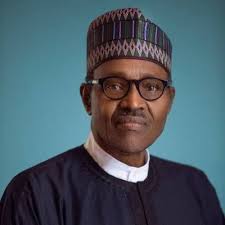
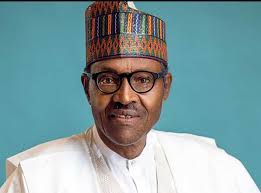
President Muhammadu Buhari has expressed satisfaction in London with the conduct of the 2023 general elections in Nigeria considering the turnout of voters and the generally peaceful atmosphere under which it took place. He added that the country learnt lessons which would make subsequent polls even better.
The President stated this while addressing his colleagues at the Commonwealth Leaders Summit as part of the major events leading to the coronation of His Majesty King Charles III as King of the United Kingdom and Leader of the Commonwealth.
The theme of the event focused on the future of the Commonwealth as a body and the role of the Youth.
According to the President, “these elections saw a remarkable turnout of voters and proof that Nigeria’s democracy is maturing. Despite some pockets of violence, we have demonstrated that a government can be elected peacefully and fairly.
“Lessons have been learnt and moving forward, we hope to perform even better. Based on this, I am delighted to note that we have taken another step towards deepening our democracy with peaceful, transparent and credible outcomes. Though we are aware that challenges still exist, we are committed to working towards a greater participation of all Nigerians in the democratic process, including those in the diaspora.”
While thanking the Commonwealth for sending a team to witness the conduct of the elections, he noted that the elections were generally free and fair, and the mood of the Nation after the announcement of the winners so far shows that democracy in Nigeria is maturing and can only get better.
President Buhari highlighted the key role Nigerian youths played during the elections as well as in support of national development, attributing a great part of this youth participation in the General Elections to the assent of ‘Not Too Young To Run’ Bill signed into law by his Administration in 2018.
He announced that Nigeria would also host the Commonwealth Youth and Students Summit for African Region, with the theme, ‘Making Change Happen’ in Abuja from May 9-11, this year.
The Nigerian leader used the opportunity to bid farewell to his colleagues, expressing joy at shared aspirations and values within the period:
“As I come before you today, I am also mindful that this would be my last official engagement with His Majesty The King and some of you as I leave office on 29 May 2023. I, therefore, feel both humble and grateful for this extraordinary and significantly important moment.
“Over the years, I have worked cordially with the leaders of Commonwealth to achieve the values and principles of the Commonwealth which are shared by its members – the aspirations of the Commonwealth family which include positioning it to be a strong and respected voice in the world and improving the lives of all its citizens are being vigorously pursued,” he said.





International
Brazil’s Lula Wins Fourth Term In Presidential Runoff
Flávio Bolsonaro rejected the runoff result, describing it as “inexplicable” and calling for the election to be annulled.


Brazil’s left-wing President Luiz Inácio Lula da Silva has won a fourth term in office after defeating right-wing challenger Flávio Bolsonaro in a closely fought presidential runoff.
The 80-year-old secured just under 52 per cent of the vote, overturning Bolsonaro’s first-round lead in a surprise victory that runs against a wider shift towards right-wing leadership across Latin America.
Addressing cheering supporters in São Paulo, Lula thanked voters for what he described as their defence of Brazilian democracy.
The victory follows a bitter election campaign between the veteran left-wing leader and Bolsonaro, whose father, former President Jair Bolsonaro, is serving a prison sentence under house arrest for plotting a coup after losing the previous presidential election.
Flávio Bolsonaro rejected the runoff result, describing it as “inexplicable” and calling for the election to be annulled.

Four Philippine Air Force pilots died Friday after two SF-260 trainer aircraft collided mid-air during a training flight and crashed at Fernando Air Base in Lipa City, Batangas, south of Manila, the air force confirmed Saturday.
The accident occurred at about 3:51 p.m. local time on October 23, 2026. Both single-propeller planes went down within the base perimeter. No other casualties were reported on the ground.
Philippine Air Force spokesman Colonel Alvin Capinguian (also referred to as Alvin Jay Capinguian) said the aircraft were involved in a training flight. Officials with knowledge of the incident, speaking anonymously, and local reports confirmed the planes collided while flying at low altitude. Some accounts noted they were part of a larger formation or flyby rehearsal, with other aircraft landing safely.
The air force described it as an “aviation accident” and said an investigation is underway to determine the cause. As a precaution, the entire fleet of SF-260 aircraft has been temporarily grounded. The air force is coordinating assistance with the families of the deceased and asked the public to respect their privacy. One of the pilots was later identified in some reports as 1st Lt. Angeleo Adrian Peñaflor.
The SF-260 is a light Italian-designed trainer used by the Philippine Air Force. The incident is the latest fatal crash involving the type; two pilots were killed in a similar SF-260 training accident in Benguet province in May.
International
“Mother of all bombs,” Trump Plans To Hit Iran
The 21,600-pound airburst weapon is designed to affect surface targets over a wide area and has so far not been deployed by the U.S. in previous strikes on targets inside Iran. It was used in Afghanistan in 2017 during the previous Trump administration.
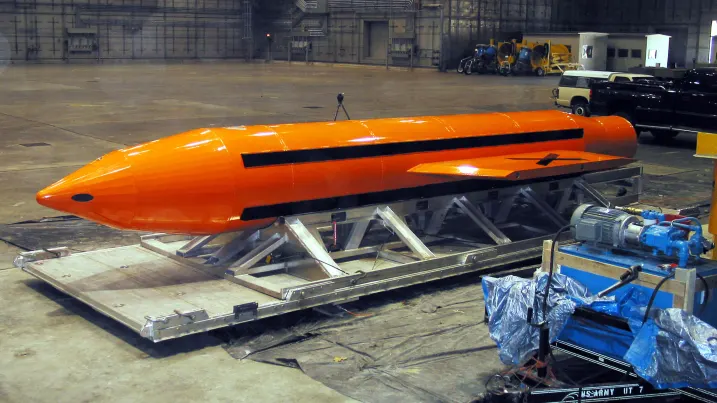
The U.S. military is considering use of the GBU-43/B Massive Ordnance Air Blast (MOAB) bomb if it resumes strikes inside Iran, CNN reported Thursday, citing U.S. officials.
The 21,600-pound airburst weapon is designed to affect surface targets over a wide area and has so far not been deployed by the U.S. in previous strikes on targets inside Iran. It was used in Afghanistan in 2017 during the previous Trump administration.
Trump said Oct. 8 that he would not resume U.S. strikes on Iran before the Nov. 3 midterm elections, while attacks on shipping near the Strait of Hormuz and deadly Houthi strikes in Saudi Arabia have raised regional tensions.
Iranian Parliament Speaker Mohammad Bagher Ghalibaf said Tehran will combine military capabilities and negotiations to press its demands.


Nigeria’s First Imported Ebola Patient Moved to Switzerland

Dangote Refinery’s IPO Ends Tomorrow

Ebola: Nigeria Sends Back Swiss Woman Via Medivac Plane

BREAKING: Lagos Govt Declares Today, Thursday Work-Free to Mark 2026 Ìṣẹ̀ṣe Day

Tech Expert, Zuckerberg trains with UFC champions, Adesanya, Alexander

Organ Trafficking: Ekweremadu bags 10 years in UK prison
-

 News1 day ago
BREAKING: Former Arise News Anchor, Constance Ikokwu Appointed NDC National Campaign Council Spokesperson
-

 International3 days ago
JUST IN: Four Pilots Die After Mid-Air Collision of Military Planes in Philippine
-

 Business1 day ago
Naira To Dollar, Pound, Euro…Rate Monday, October 26
-
 Business1 day ago
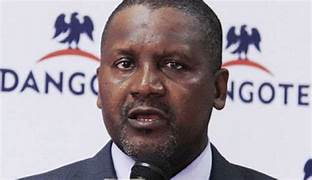
Dangote Visit London Stock Exchange Ahead of November Cement Listing
-

 International1 day ago
Brazil’s Lula Wins Fourth Term In Presidential Runoff
-
 Health2 days ago
EBOLA: Lagos Heightens Watch at Airports After Abuja Case
-
 Business2 days ago
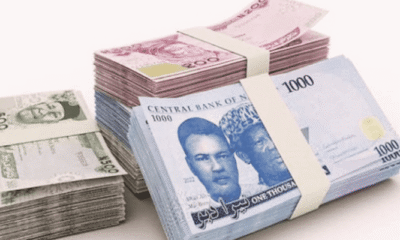
History of Naira Revaluation and Devaluation (1973–2026) (Part 2)
-
News1 day ago
Sanwo-Olu: Opebi-Ojota Link Bridge Will Open Before Christmas