
Politics
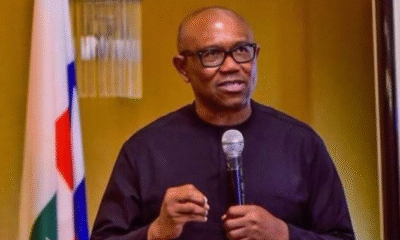
Peter Obi can win 2027 election without coalition, says NLC
For as long as INEC conducts a free and fair election, he will win. He can also leverage his local and international connections to make it happen,”


The Nigeria Labour Congress (NLC) is confident that Peter Obi, who ran for president with the Labour Party in 2023, doesn’t need help from the PDP or political figures like Atiku Abubakar or Nasir El-Rufai to win the 2027 presidential election.
In an interview with The Punch, Prof. Theophilus Ndubuaku, Deputy President of the NLC Political Commission, said Obi is popular enough to beat President Bola Tinubu in a fair election.
He rejected rumours about Obi returning to the PDP, calling it a party in crisis with few members left.
“Peter Obi doesn’t need any coalition to win the 2027 presidential election. He is a sellable candidate. If you recall, he was already coasting to victory in the 2023 elections before the controversial glitches. He even defeated Tinubu in his own stronghold in Lagos, which shows Nigerians want him in power.”
“For as long as INEC conducts a free and fair election, he will win. He can also leverage his local and international connections to make it happen,” Ndubuaku added.









Politics
Bamidele tasks 11th Senate to consider single term for President, govs
… If you know you are there for six years, only one tenure, you put in your best from day one. You know this is the only chance that you have.

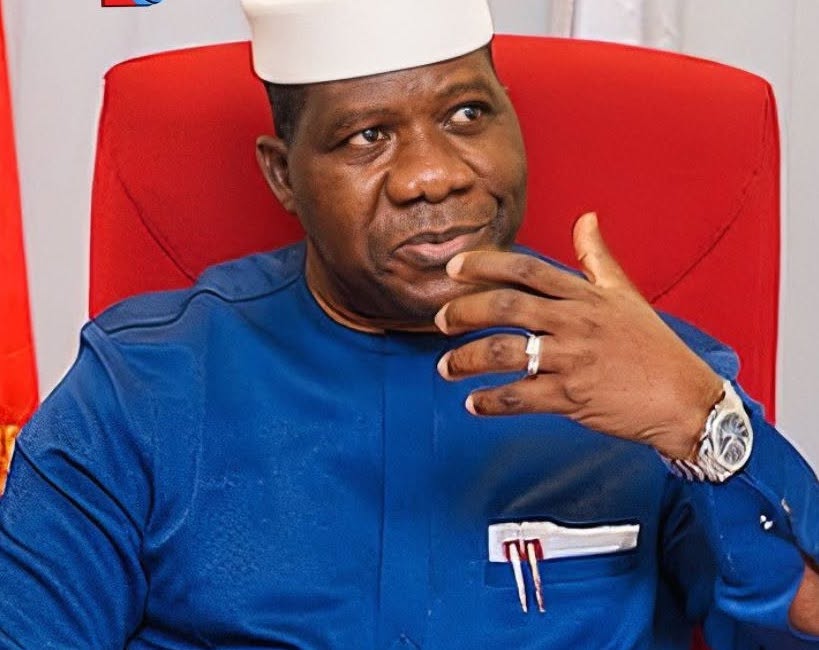
•Senate Leader, Opeyemi Bamidele
Senate Leader, Opeyemi Bamidele, has proposed a six-year single term for the President and governors to enable them to put in their best from the moment they are voted in after 2027 elections.
In South Africa ,the Constitution limits the president’s time in office to two five-year terms.
Speaking to journalists during an interactive session ahead of the 3rd anniversary of the 10th Senate, in Abuja, Bamidele said: “I now see why one of the first sets of bills that I look forward to moving by God’s grace when we come back for the 11th Senate is for a bill that will only make it possible for anyone who wants to be President of this country or governor in any state of this country to spend only one tenure of six years.
“With this, you don’t even have to worry about wasting almost one and a half years of your first term thinking and struggling and looking forward to how you’ll be re-elected. If you know you are there for six years, only one tenure, you put in your best from day one. You know this is the only chance that you have.”
The Senate Leader also strongly defended the 10th Senate against allegations that it functioned as a rubber-stamp legislature, insisting that the upper chamber deliberately adopted a strategy of constructive engagement with the executive to address Nigeria’s economic and governance challenges rather than pursuing public confrontations.
Politics
Peter Obi demands N5bn from Kenneth Okonkwo over defamation allegations
Okonkwo allegedly claimed that “Obi, together with the leaders of the Nigeria Democratic Congress (NDC) in the South-East, informed the party’s aspirants that any person seeking to contest as a member of the House of Representatives must, after paying the prescribed expression of interest fee, pay a bribe of Ten Million Naira (N10,000,000.00) to the NDC and to the Caucus leaders.”
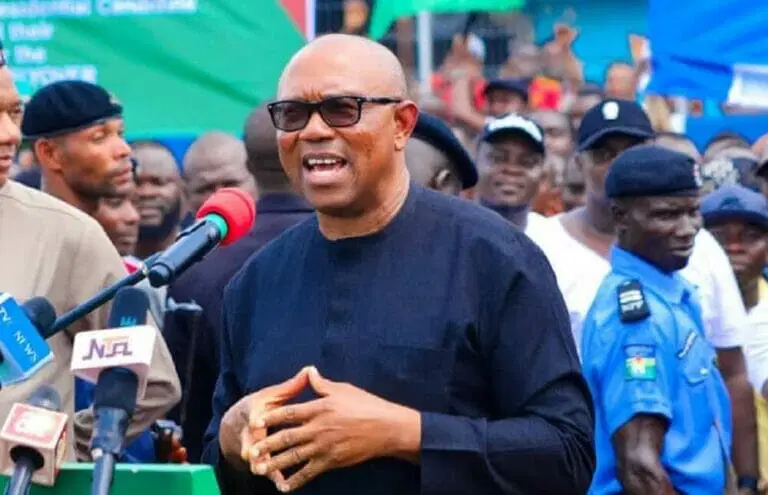
The presidential candidate of the Nigeria Democratic Congress, Peter Gregory Obi, has demanded N5 billion in damages and a public apology from actor-turned-politician Kenneth Okonkwo over alleged defamatory statements made during a television appearance.
In a letter dated June 9, 2026, Obi’s lawyers, led by Alex Ejesieme (SAN), accused Okonkwo of making false, malicious and defamatory allegations against their client during an appearance on Channels Television’s Sunrise Daily programme on Monday, June 8.
The legal team said that the remarks were subsequently published and circulated by several media organisations and online platforms.
According to the letter, Okonkwo allegedly claimed that “Obi, together with the leaders of the Nigeria Democratic Congress (NDC) in the South-East, informed the party’s aspirants that any person seeking to contest as a member of the House of Representatives must, after paying the prescribed expression of interest fee, pay a bribe of Ten Million Naira (N10,000,000.00) to the NDC and to the Caucus leaders.”
The lawyers also alleged that Okonkwo claimed there was documentary evidence of the payments, that Obi personally compiled the party’s list of candidates from a hotel room, warned aspirants that Obi would “scam” them, collected money from people abroad and was involved in criminal activities alongside other party leaders.
The letter stated that the allegations portrayed Obi as a person engaged in bribery, extortion, fraud, financial dishonesty and criminal conduct.


The All Progressives Congress (APC) in Lagos State has officially named Princess Damilola Sonayon-James as the deputy governorship candidate to pair with Dr. Kadri Obafemi Hamzat, the party’s flagbearer for the 2027 election.
The announcement was made following extensive consultations and a rigorous selection process by the party leadership. Sonayon-James, who currently serves as the Lagos State Deputy Woman Leader of the APC, is a 40/41-year-old Badagry princess with a strong background in public policy, community development, agriculture, women’s empowerment, and social services.
Lagos APC Chairman Cornelius Ojelabi praised her competence, loyalty, and grassroots appeal, describing the Hamzat-Sonayon-James ticket as a powerful combination of experience, innovation, and visionary leadership that will continue to drive development across the state.
The selection is seen as a strategic move to strengthen the ticket’s appeal, particularly by providing representation from Badagry and boosting support among women and younger voters ahead of the February 2027 polls. Supporters have welcomed the choice, hailing it as a balanced and progressive pairing.
Dr. Hamzat, the incumbent Deputy Governor, emerged as the APC’s consensus governorship candidate earlier in 2026 and is widely viewed as the frontrunner to succeed Governor Babajide Sanwo-Olu, who is completing his second term.
This development marks another key step in the APC’s preparations for the 2027 elections in Nigeria’s commercial capital.


Bamidele tasks 11th Senate to consider single term for President, govs

President Tinubu Commissions new EFCC office in Ekiti

Peter Obi demands N5bn from Kenneth Okonkwo over defamation allegations

Tech Expert, Zuckerberg trains with UFC champions, Adesanya, Alexander

Organ Trafficking: Ekweremadu bags 10 years in UK prison

SAINT OBI: Between his marriage and his death
-

 News2 days ago
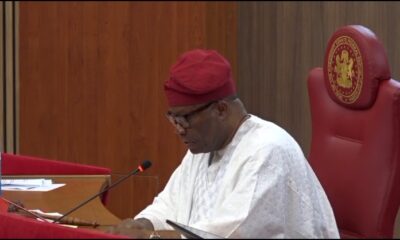
Court Voids ₦110bn N’Assembly Vehicles, Allowances
-
 Business3 days ago
Senate’s approval of Sugar – Sweetened Beverages Tax Bill, Shocking, says CPPE, Lobbying Reps for rejection
-
 News2 days ago
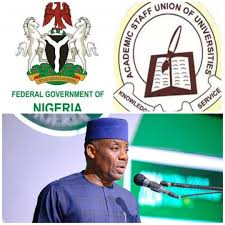
FG Clears Five-Month Allowance Arrears for University Lecturers
-

 News2 days ago
Lagos Begins 500-Tree Campaign to Tackle Extreme Heat
-
 News3 days ago
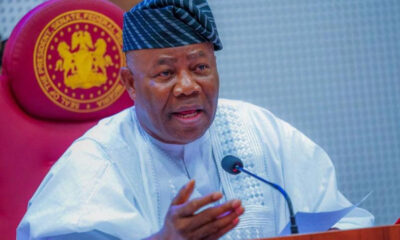
Court Declares National Assembly’s N110bn SUV and Allowance Schemes Unlawful
-
 Politics2 days ago
NDC Declares Party Supremacy, Approves Code of Conduct Committee
-

 Politics2 days ago
2027: Lagos APC picks Damilola as Hamzat ‘s Deputy Governor
-

 Entertainment2 days ago
Nigerian-British Singer Talay Riley Dies in London Stabbing, Others Mourn