
Business
Oyetola Queries NIMASA over foreign contracts breach allegations

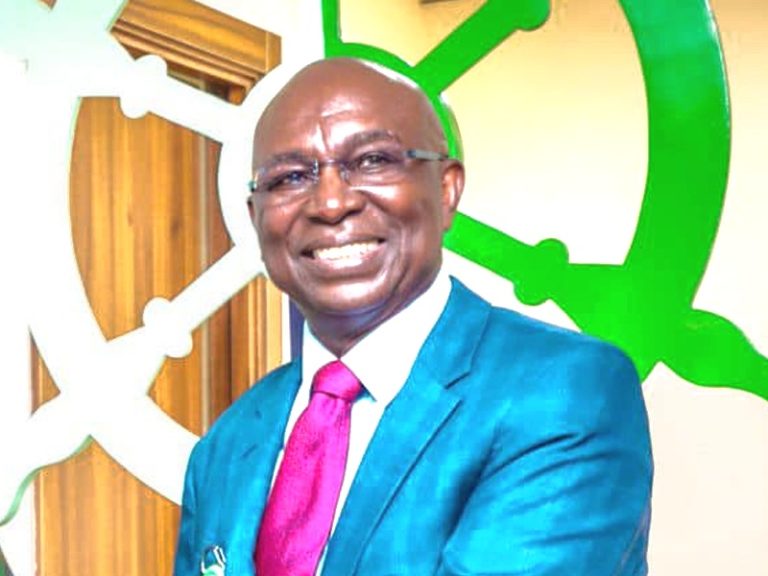
▪︎Dayo Mobereola, DG NIMASA
The Minister of Marine and Blue Economy, Adegboyega Oyetola has ordered a probe into series of allegations against the Nigerian Maritime Administration and Safety Agency (NIMASA).
This follows the alleged deportations of 296 cadets by the Springdale Academy of Maritime Education and Training Trust (SAMET) in India.
SAMET is a vendor of the National Seafarers Development Programme (NSDP).
Daily Trend, reported that SAMET in a petition dated July 19, 2024 through its Nigerian legal firm, Kunle Adegoke & Co and signed by Kunle Adegoke, accused the NIMASA, to have renegotiated the terms of the MoU in an “unconventional manner”, contrary to provisions of the said MoU and with an alleged “intention to achieve personal gratification.”
Consequently, the Minister of Marine and Blue Economy, Adegboyega Oyetola have subsequently, issued a query to the Director – General of NIMASA, Dr Dayo Mobereola to answer to these allegations in seven days.
The Query was signed by Director of Maritime Security and Safety in the Ministry of Marine and Blue Economy, Mr Babatunde Bombata on behalf of the Minister.
In Specific terms, the query letter dated August 25th, 2024 asked the NIMASA DG and his Executive Directors to respond to the allegations by the Kunle Adegoke, Lawyers to the Vendor.
SAMET in India had petitioned the NIMASA DG over alleged breach of contractual agreement with Maritime Labour and Cabotage Services.
SAMET in the petition dated July 19, 2024 through its Nigerian legal firm, Kunle Adegoke & Co and signed by Kunle Adegoke, demanded an immediate payment of all sums due and payable as per the invoices already submitted to the Agency in line with the obligations contained in the Memorandum of Understanding (MoU) between the parties.
Titled “Breach Of Contractual Engagement As Contained In The Memorandum Of Understanding Duly Executed Between Nigerian Maritime Administration And Safety Agency (NIMASA) And Springdale Academy Of Maritime Education & Training Trust (SAMET), India.”
the Indian company appealed to NIMASA DG to thoroughly investigate its complaint against the Executive Director, ML & CS; Mr Jibril Abba, with unbiased mind.



BLACK/ PARALLEL MARKET RATES
₦1370 DOLLAR (USD)
₦1800 POUND (GBP)
₦1510 EURO (EUR)
₦970 CANADIAN DOLLAR (CAD)
₦65 SOUTH AFRICAN RAND (ZAR)
₦350 UAE DIRHAM (AED)
₦190 CHINESE YUAN (CNY)
₦100 GHANAIAN CEDI (GHS)
₦2300 WEST AFRICAN CFA F.(XOF)
₦2200 CENTRAL AFRICAN CFA F.(XAF)
₦850 AUSTRALIAN DOLLAR AUSSIE (AUD)
CBN OFFICIAL RATES
DOLLAR (USD)₦1331.61
POUND (GBP)₦1764.26
EURO (EUR)₦1490.48
SWISS FRANC (CHF)₦1608.23
JAPANESE YEN (JPN)₦8.4
CFA FRANC (XOF)₦2.27
WEST AFRICAN UNIT OF ACCOUNT (WAUA)₦1802.33
CHINESE YUAN (CNY)₦199.01
SAUDI RIYAL (SAR)₦354.83
SOUTH AFRICAN RAND (ZAR)₦80.49
Business
WEF could appoint Lagarde as its next chair, sources say
The WEF’s Board of Trustees, which includes Lagarde herself, was due to meet on November 2 and could elect her as its next chair, said the people close to the organisation, who spoke on condition of anonymity due to the sensitivity of the matter.

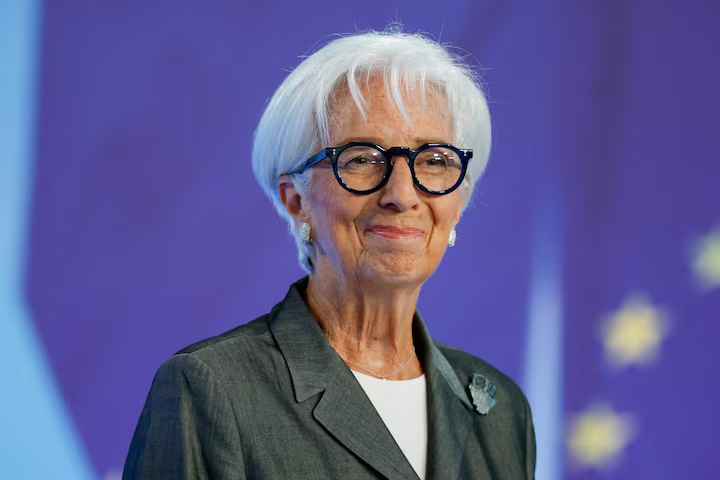
•European Central Bank President Christine Lagarde
The World Economic Forum could appoint Christine Lagarde as its next chair as soon as next month, four people close to the organisation told Reuters, meaning she would step down early as European Central Bank chief and trigger a wider reshuffle at the top of the ECB.Lagarde’s ECB term is scheduled to end in October 2027.
Leaving early would give European Union leaders a chance to pick a new ECB President before France’s spring presidential election, which opinion polls suggest the far-right could win, and could pave the way for a deal involving two other senior ECB roles.
The WEF’s Board of Trustees, which includes Lagarde herself, was due to meet on November 2 and could elect her as its next chair, said the people close to the organisation, who spoke on condition of anonymity due to the sensitivity of the matter.
No final decision has been taken yet, they said.
A spokesperson for the WEF said the forum could not confirm when the next full Board of Trustees meeting would take place, but that the aim was to hold one before the end of the year.
Business
Germany plans tax on sugary drinks
The tax is expected to generate additional revenue for the federal government of €690 million in 2027 and €925 million in 2028.
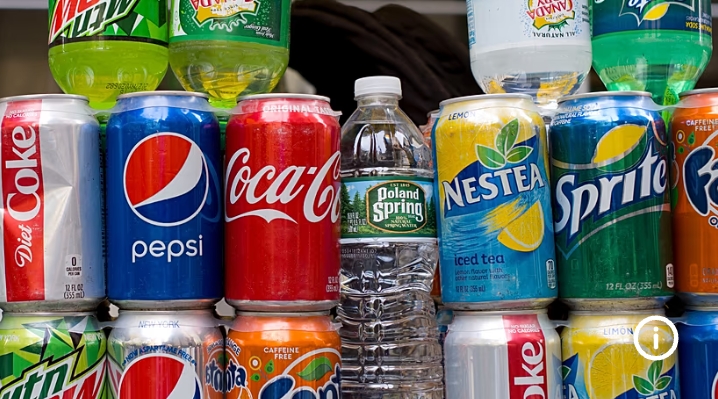
The German cabinet has approved draft legislation to tax sugary drinks in Europe’s biggest economy.
If passed by the German Bundestag, the tax will take effect on 1 July 2027.
The coalition aims to raise revenue for the federal budget while encouraging manufacturers to reduce sugar content and offer healthier products.
The levy is intended to ease pressure on the healthcare system, which faces costs of more than €2 billion every year linked to the high consumption of sugary drinks, which contributes to obesity, diabetes and tooth decay.
According to the federal government, Berlin is using the tax to implement “what associations from the fields of health, science, child protection, and consumer protection have long been demanding.”
The tax is expected to generate additional revenue for the federal government of €690 million in 2027 and €925 million in 2028.


ARISE News Wins Seven Honours At Nigerian Broadcasters Merit Awards

Meta removes 3.7 million accounts in West Africa scam crackdown

Naira Exchange Rates Friday, October 16

Tech Expert, Zuckerberg trains with UFC champions, Adesanya, Alexander

BREAKING: Lagos Govt Declares Today, Thursday Work-Free to Mark 2026 Ìṣẹ̀ṣe Day

Organ Trafficking: Ekweremadu bags 10 years in UK prison
-
Sports3 days ago
Rwanda to host F1’s first race in Africa since 1993
-
 News3 days ago
UNCTAD Warns Debt Burden Threatens Future of 3.7bn People
-
 News3 days ago
Nigeria, AfDB Agree Portfolio Review (Photos)
-

 Politics3 days ago
APC Makes Wike, Soludo, Adeleke State’s Campaign Coordinator
-

 News3 days ago
NAF Crash: Residents Fear Disease as Body Parts Foul Community River
-

 Business3 days ago
FAO Names 22 African Women Agrifood Heroes, Nigeria Missing
-

 Business2 days ago
NAFDAC scolds fake manufacturers: “You are killing Nigerians in order to make money”
-

 Business1 day ago
Naira Exchange Rates For Thursday, October 15