
News
Nigerians groan over effects of 7.5% VAT on petrol prices


Nigerians have begun to lament the effects of the introduction of a 7.5 per cent Value-Added Tax on the price of premium motor spirit, otherwise known as petrol.
This comes barely a month after President Bola Tinubu removed the subsidy on petrol during his inaugural speech on May 29, raising the price of PMS from N188 to about N580 in different states of the federation.
Recall that the Minister of Finance, Budget and National Planning, Zainab Ahmed, announced that the Finance Act 2020 raised the previous 5 per cent VAT of the country to 7.5 per cent on commodities including automobile gas oil and it was implemented on February 20, 2020.
But the VAT-exempt items include honey, bread, cereals, cooking oils, culinary herbs, fish, flour, starch, fruits, meat, poultry, milk, nuts, pulses, roots, salt, vegetables, water, sanitary pads, tampons, tertiary, secondary, primary and nursery tuition.
While other commodities have been VAT-compliant, PMS was not until recently because it was being subsidised by the Federal Government.
However, the new development has hit Nigerians hard, as many have called for an utmost review of it, especially because of the recent removal of fuel subsidies.
See reactions below:
A user, Ingawa said, “That means for every litre of AGO you will buy, you have to pay 7.5% Consumer Tax (VAT) of the Pump Price. For example; If 1 litre of AGO is N650 at the filling station, then you have to pay an additional N48.75 being payment for 7.5% VAT. The total price per litre will be N698.75 per litre.”
Another user, Angry Non-Nigerian, said, “When Tinubu said ‘widen the tax net, you people thought he was joking. The only thing that man knows is tax, tax and tax. As Lagosians.”
One Oyo said, “The Citizens will be the main IGR for this government. There is no single move to cut the cost of government from the Senate to the House to other departments. They went to education first by trying to add tuition fees, now 7.5% VAT on PMS. Everything directly to the common man.”
Akwa Ibom 1st son opined, “So after the removal of subsidy and the price of fuel jumped to 530, they’ve now decided to add 7.5%. VAT on AGO. In all of these, what are the politicians losing, and what are they sacrificing?”
“7.5% VAT on diesel after subsidy on petrol was removed? They will show you people shege banza pro max air 2. The government is after our lives bro!.
“Even those that were shouting ‘Akanbi’ will not be left out. They might even end up being the most affected. The evil will go round. I swear!
“Good governance is not attained by wishful thoughts, things don’t work that way. Now, Tinubu is going for a check-up after ruining the economy with senseless policies.
“His supporters have been crying since last week because the pressure is going around. We must all learn a lesson,” Madu Obi wrote.

The Federal Government has approved a ₦70,000 monthly transport intervention for public service workers across all levels for a period of six months, beginning in November 2026. The measure is intended to cushion the impact of rising living costs on employees.
The approval was one of the key resolutions reached at a conciliation meeting held on Tuesday, 27 October 2026, between the Federal Government and the leadership of the Nigeria Labour Congress (NLC) at the Federal Ministry of Labour and Employment in Abuja. The meeting followed an earlier conciliation session on 22 October and came amid renewed pressure from organised labour over the cost of living, workers’ welfare, and outstanding agreements.
According to the signed resolutions document, the transport intervention of Seventy Thousand Naira (₦70,000) “commencing from November 2026 would be paid across all levels for a period of six months.” The parties also agreed that payment of peculiar allowance arrears—effective from 1 May 2026—would be made in three equal monthly instalments beginning in November.
On the national minimum wage, both sides agreed to constitute the Minimum Wage Negotiation Committee and begin meetings immediately, though they did not reach consensus on the effective date for implementation. Additional resolutions addressed outstanding allowances for health workers (including settlement of 19 months’ arrears within three months starting December 2026), tax relief (to be referred to the National Economic Council), and other welfare matters.
The memorandum was signed by Minister of Labour and Employment Dr Muhammad Maigari Dingyadi, NLC President Joe Ajaero, Director-General of the Budget Office Tanimu Yakubu (also referred to as Timi Yakubu in some reports), Permanent Secretary (Service Welfare Office) Dr Garba Abdul, and other representatives. The Federal Government and the NLC further urged state and local governments to key into the intervention.
Further administrative details on disbursement timelines and exact modalities are expected to be clarified by the relevant authorities.
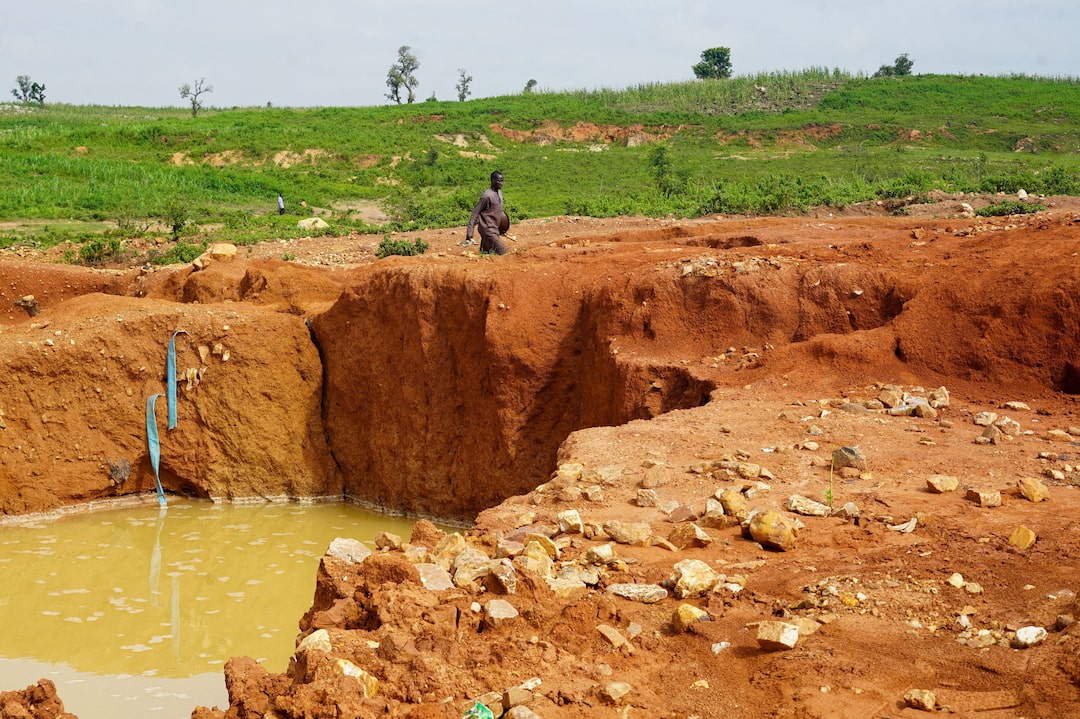
Severe overcrowding, dehydration and negligence by officers caused the deaths of 37 people held in Nigeria Security and Civil Defence Corps (NSCDC) custody in Minna, Niger State, a probe panel has concluded.
The independent ministerial committee submitted its final 65-page report to Interior Minister Olubunmi Tunji-Ojo in Abuja. The minister pledged full implementation of the findings and ordered the immediate suspension of officers implicated in alleged evidence tampering.
The report rejected earlier claims of a disease outbreak. It found that the victims died from environmental asphyxia and acute respiratory failure caused by prolonged confinement in an overcrowded cell, extreme heat and lack of water.
The incident followed raids on illegal mining sites around the M.I. Wushishi axis of Minna on 15 and 16 September. Investigators established that the operation was carried out without an operational order from NSCDC national headquarters and without the specialised Mining Marshals Unit.
By the evening of 16 September, 75 suspects — including men, women and children — had been detained. About 50 males were held in a cell measuring just 20 square metres.
Distress signals began as early as 7 p.m. that evening. Detainees banged on doors, shouted for help and repeatedly begged for water, but their pleas were allegedly ignored. When the cell was opened the next day, 33 people were dead, including 14 minors. Forty-one others survived.
Receiving the report, Minister Tunji-Ojo said the findings and recommendations would be carefully reviewed and fully implemented. He ordered the suspension of officers linked to alleged tampering with evidence, stressing the need for accountability.
Committee member Deji Adeyanju later raised concerns about a portion of the report but offered further clarification in a subsequent interview.
The report is expected to be forwarded to the Attorney-General of the Federation and Minister of Justice for further action. Attention is now focused on the Federal Government’s implementation of the panel’s recommendations.
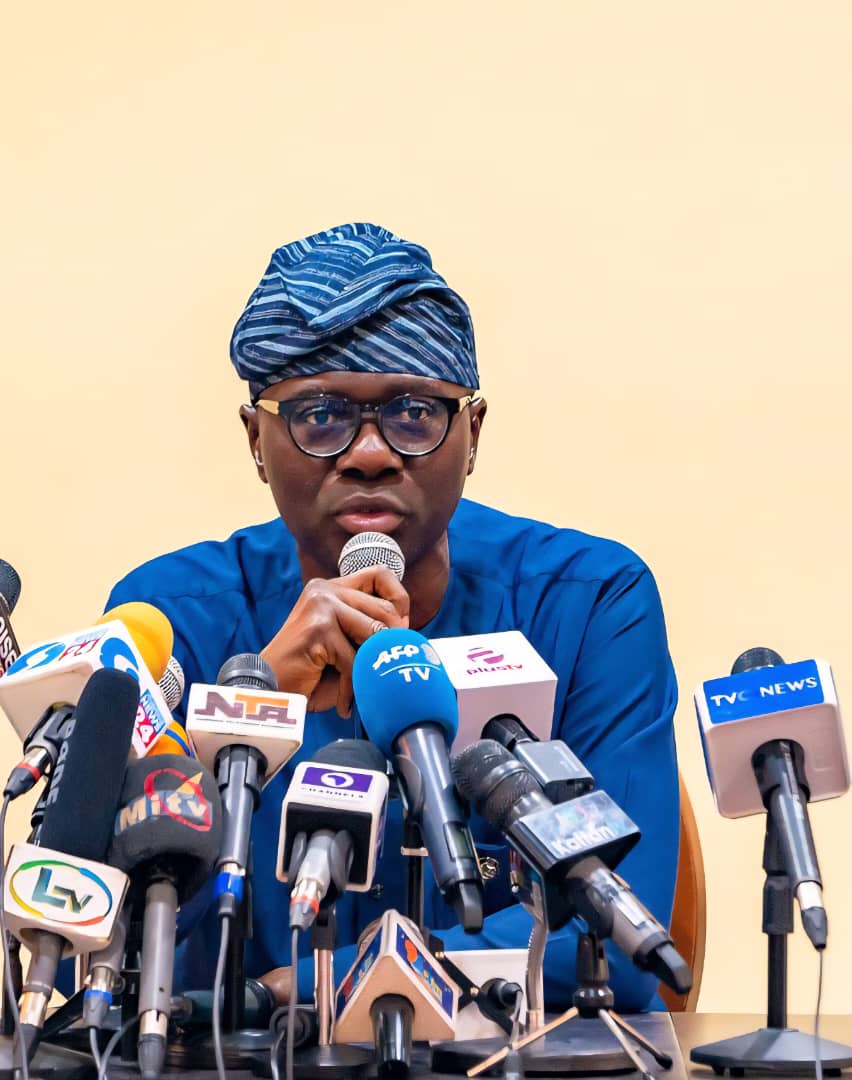
Lagos State Governor Babajide Sanwo-Olu has assured residents that the Opebi-Mende-Ojota Link Bridge will be opened to the public before Christmas, despite missing its earlier September completion target.
The governor gave the assurance on Sunday, October 25, 2026, during an inspection of the project to assess progress and determine the reasons for the delay. He said the distinctive steel superstructure on the bridge is about 80 per cent complete.
Sanwo-Olu explained that the complex architectural design — inspired by the area’s traditional cane-weaving heritage — involves installing more than 300 tonnes of steel at heights of up to 25 metres.
Three of the four major steel components have been completed, with work ongoing on the remaining one. LED lighting featuring the colours of Lagos State will also be installed to give the structure an iconic appearance.
He emphasised that the state government prioritises engineering quality and public safety over speed. Additional finishing works, including site cleaning, kerb repainting, restoration of affected areas and landscaping, will be carried out before the bridge opens.
The link bridge, which connects Opebi, Mende and Ojota, is expected to ease traffic congestion and provide an alternative route for motorists in the Ikeja, Maryland and surrounding corridors.


FG Approves ₦70k Transport Allowance for Civil Servants

Suffocation, Overcrowding Kill 37 Niger Miners – Panel

Nigeria’s First Imported Ebola Patient Moved to Switzerland

BREAKING: Lagos Govt Declares Today, Thursday Work-Free to Mark 2026 Ìṣẹ̀ṣe Day

Tech Expert, Zuckerberg trains with UFC champions, Adesanya, Alexander

Organ Trafficking: Ekweremadu bags 10 years in UK prison
-

 News2 days ago
BREAKING: Former Arise News Anchor, Constance Ikokwu Appointed NDC National Campaign Council Spokesperson
-
 Business2 days ago
Dangote Visit London Stock Exchange Ahead of November Cement Listing
-

 International2 days ago
Brazil’s Lula Wins Fourth Term In Presidential Runoff
-
 Health2 days ago
EBOLA: Lagos Heightens Watch at Airports After Abuja Case
-

 Business2 days ago
Naira To Dollar, Pound, Euro…Rate Monday, October 26
-

 Health2 days ago
Ebola: Nigeria Sends Back Swiss Woman Via Medivac Plane
-
 Business2 days ago
History of Naira Revaluation and Devaluation (1973–2026) (Part 2)
-
News2 days ago
Sanwo-Olu: Opebi-Ojota Link Bridge Will Open Before Christmas