
International
Kenyan President Promises End To Abductions

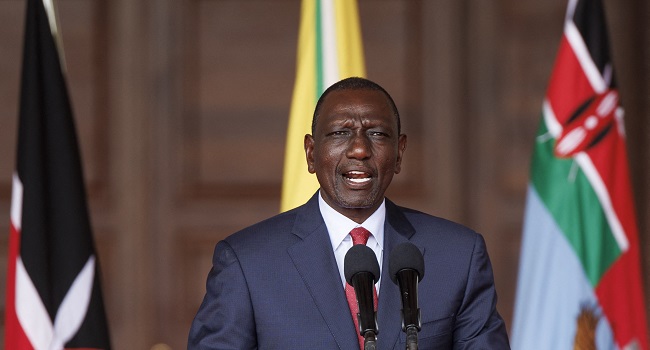
Kenyan President William Ruto has promised an end to abductions, following the latest spate of disappearances that have been condemned by rights groups, lawyers and politicians.
Security forces in the East African nation have been accused of carrying out dozens of illegal detentions since youth-led anti-government demonstrations in June and July.
The latest disappearances have primarily involved young men who have criticised Ruto online, with rights groups dismissing police denials of involvement and calling for action.
Speaking to a crowd Friday in Homa Bay, a town in western Kenya, Ruto promised an end to the abductions but also told parents to “take responsibility” of their children.
“We are going to stop the abductions so that our youth can live peacefully,” he said, according to local media reports.
Ruto had addressed the issue in his annual state of the nation speech in November, condemning “any excessive or extrajudicial” action.
But he also said many of the detentions were legitimate arrests against “criminals and subversive elements”.
Anger has continued to grow in the country, with the latest abductions sparking small-scale protests in at least one town.
Police have denied involvement but activists have questioned why they appear to not be investigating the disappearances.
“If indeed the police are not complicit,” the Law Society of Kenya said, they must immediately “investigate and prosecute those responsible”.
Human Rights Watch said earlier this year that its research pointed towards a unit drawn from multiple security agencies.
Ruto’s remarks follow recent comments by former deputy president Rigathi Gachagua, who alleged a secret unit was behind the disappearances.
“Abducting these children and killing them is not a solution… This is the first administration in the history of this country to target children for repression,” Gachagua claimed.
International
Iran reopens Strait of Hormuz following two-week cease-fire agreement with Trump
Pakistan, which has mediated between Tehran and Washington, said that an immediate ceasefire between Iran and the US had taken effect.

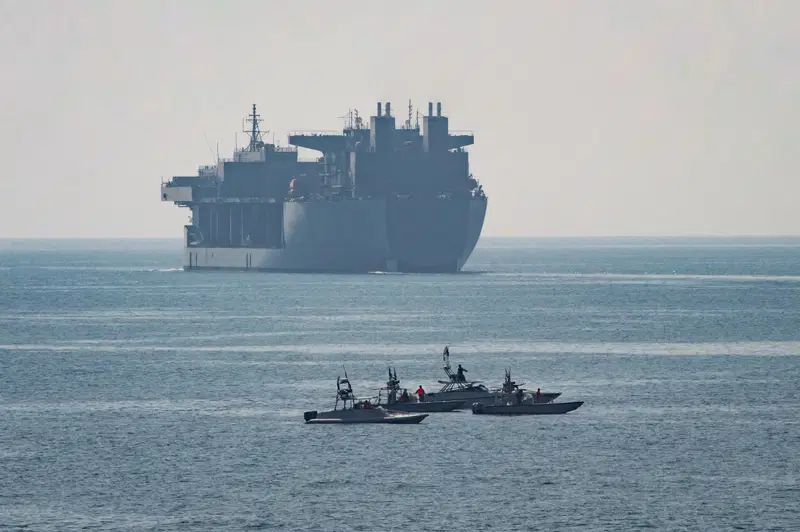
Iranian Foreign Minister Abbas Araghchi said safe passage through the Strait of Hormuz would be possible for two weeks in coordination with Iran’s armed forces “and with due consideration of technical limitations.”
The development follows a two-week ceasefire announced by U.S. President Donald Trump, the Tasnim news agency, which is close to the Islamic Revolutionary Guard Corps (IRGC), reported early on Wednesday.
Pakistan, which has mediated between Tehran and Washington, said that an immediate ceasefire between Iran and the US had taken effect.
Prime Minister Shehbaz Sharif wrote on X that the Islamic Republic of Iran and the U.S., along with their allies, had agreed to an “immediate ceasefire everywhere,” including in Lebanon.“
Trump had made reopening the waterway a condition for the ceasefire and had threatened to target Iran’s energy sector and infrastructure, including bridges, if Tehran failed to comply, setting a deadline of 0000 GMT.
The Strait of Hormuz, crucial to global oil and gas trade, has been largely closed since the United States and Israel launched large-scale attacks on Iran on Feb. 28.
According to a senior U.S. official, Israel will also adhere to what Trump described as a “double sided CEASEFIRE.”
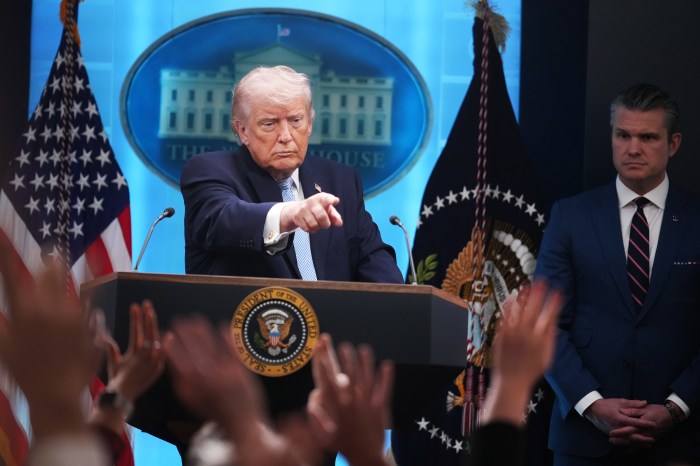
Oil prices climbed sharply while global stocks wavered and mostly declined on Tuesday as President Donald Trump’s looming deadline for Iran to reopen the Strait of Hormuz or face escalated U.S. strikes heightened geopolitical tensions and investor anxiety.
Brent crude futures rose about 1% to trade near $111 per barrel, with U.S. West Texas Intermediate crude also pushing higher amid fears that prolonged disruption to the critical waterway through which a significant portion of global oil supplies passes could worsen energy shortages. Oil has surged more than 50% since the conflict intensified.
Meanwhile, major U.S. stock indexes showed mixed but largely cautious trading, with many shares slipping as investors weighed the risk of further military escalation, including potential strikes on Iranian power plants and infrastructure.
European and Asian markets were similarly tentative, reflecting broader concerns over inflation, energy costs, and economic fallout from the ongoing Middle East conflict.
Trump has set a firm deadline of 8 p.m. ET Tuesday (1 a.m. GMT Wednesday) for Iran to reach a deal and reopen the strait, warning of decisive action if unmet. He has threatened to “decimate” Iranian bridges and power plants, stating the country “could be taken out in one night.
”Iran has rejected recent ceasefire proposals, calling instead for a permanent end to hostilities, while markets remain on edge with no clear resolution in sight.
Analysts warn that sustained high oil prices could fuel global inflation and slow economic growth, though some investors still hope for a last-minute diplomatic breakthrough.
The developments come as the International Energy Agency has described the current oil and gas crisis linked to the Hormuz blockade as potentially more severe than previous major shocks combined.
International
Trump warns Entire Iran could be ‘taken out’ Tuesday night
” The entire country could be taken out in one night, and that night might be Tuesday night,” he said.
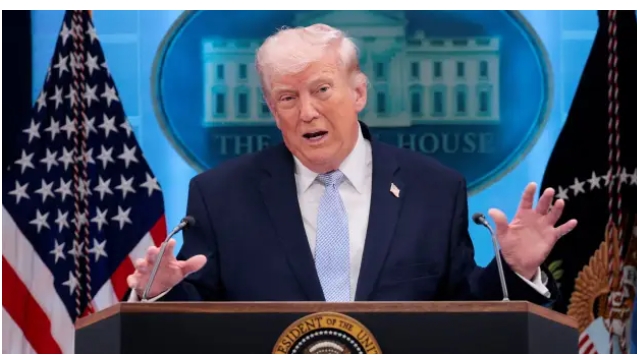
US President Donald Trump says Iran could be “taken out” in one night as the deadline set for the country to open the Strait of Hormuz to shipping traffic approaches.
On Saturday, Trump gave Iran 48 hours to comply or risk facing “hell”.
He later threatened that the US would blow up Iran’s power plants and bridges if Tehran failed to adhere to his warning.
The US president said Iran had until Tuesday at 8 p.m. ET (1 am WAT) to make a deal.
In a press conference on Monday, Trump reiterated and intensified his threats.
“The entire country could be taken out in one night, and that night might be Tuesday night,” he said.


Dozens Feared Dead in Nigerian Air Force Airstrike on Jilli Market in Yobe State (Images)

FG Unmasks 60 Persons and Corporates Behind Terrorism Financing, Order Banks To Freeze Their Accounts

Police reopens, handover PDP Hqtrs to Wike backed Faction

Tech Expert, Zuckerberg trains with UFC champions, Adesanya, Alexander

Organ Trafficking: Ekweremadu bags 10 years in UK prison

SAINT OBI: Between his marriage and his death
-

 News2 days ago
CBN Debunks Viral Fake News of ₦5,000 Banknote Featuring President Tinubu’s Image
-
 Politics2 days ago
2027: Bode George warns INEC, Judiciary Drifting Nigeria Towards ” One Party Rule”
-
 Business2 days ago
DR Congo Central Bank Announces Ban on Foreign Currency Cash Transactions from 2027
-
 Crime3 days ago
Tinubu Mourns Soldiers Killed in Benisheikh Terror Attack
-

 Politics2 days ago
NBA Cautions Lawyers Against Involvement in Political Party Disputes
-

 Business2 days ago
Supreme Court Overturns Appellate’s Ruling on $2bn Debt Recovery Battles Nestoil /Neconde Energy vs FBNQuest Merchant Bank
-

 News3 days ago
Police Debunk Viral “Terror Attack” Video in Abuja, Launch Investigation
-
 News2 days ago
Plateau Community Laments ‘ No Security To Repel Attackers’