
Health
Father’s Day: LAAF Acknowledges Men’s Daily Challenges, holds Conference in Lagos (Photos)


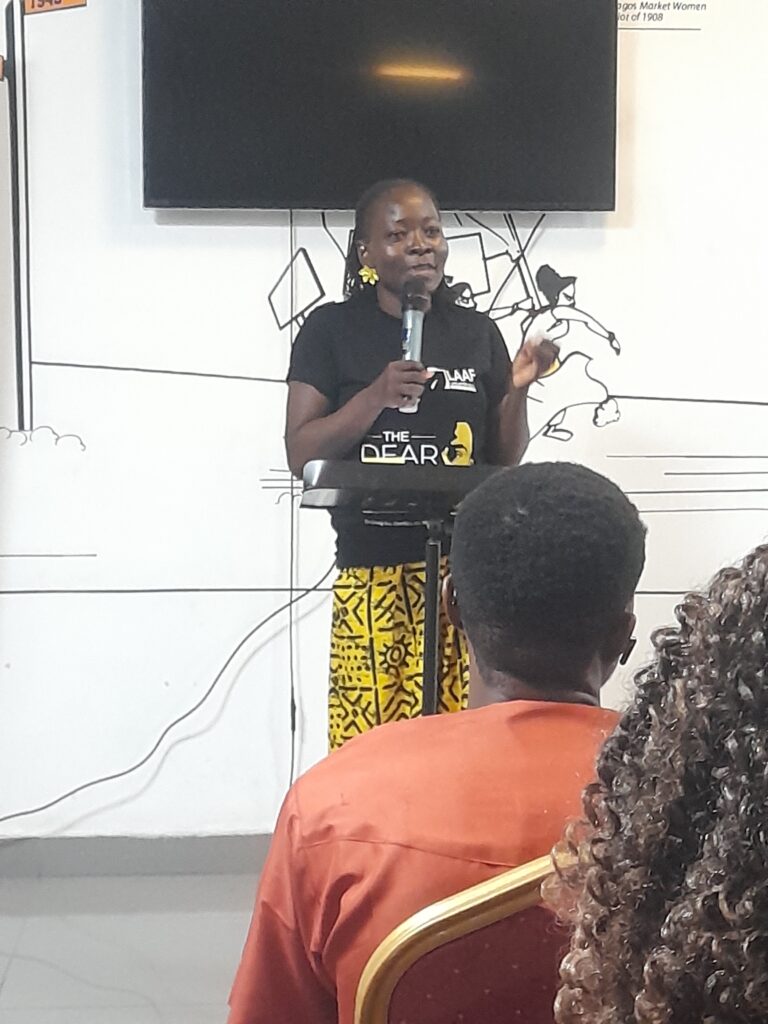
A globally recognized women-led non-profit organization, the Life After Abuse Foundation (LAAF), has organised a conference for men, with the theme: “The Dear Men”,which focuses on the struggles and silence of men after facing some sort of emotional bullying/trauma.
The event was held on the 14th of June, 2025 in Lagos State.
According to the convener, Halima Layeni, Founder & Executive Director, the group aims to create a more inclusive and supportive global community where the well-being of men is prioritized and supported.
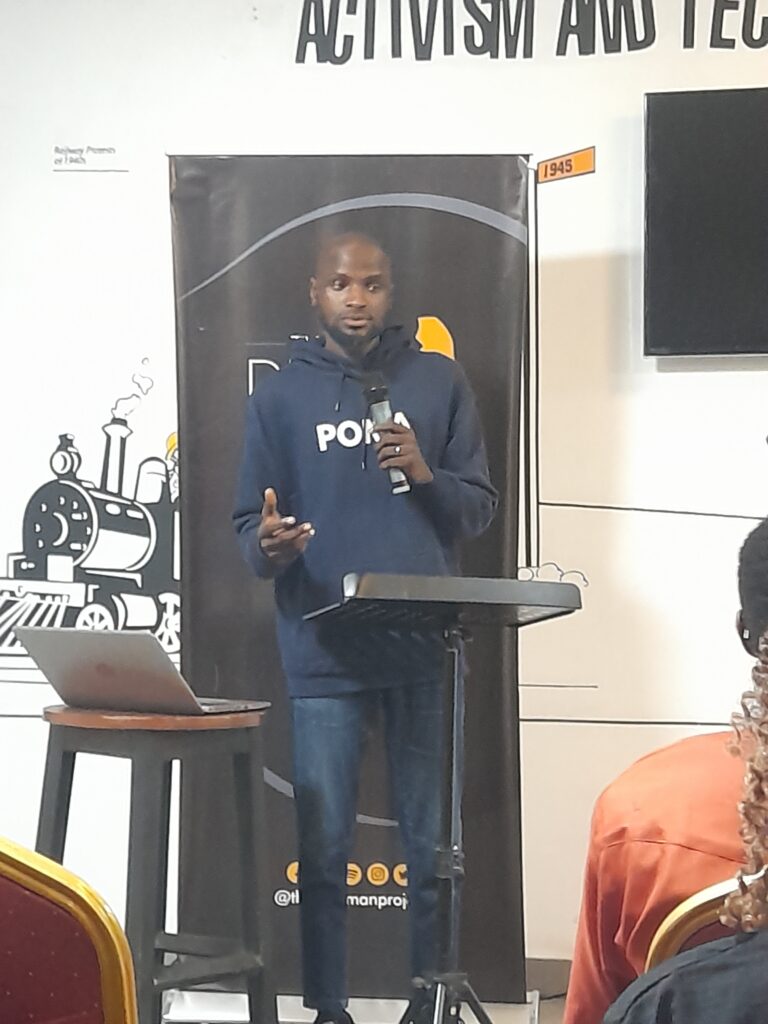
First speaker: Paul Oyewusi (Founder of Circle Men)
He spoke on “Understanding Trauma in Men”.
He said, “though the society has made the men not to speak up about their daily trauma and emotional stress, but it is imminent for such men to start speaking up and stop being shy. He said, no man planned the trauma they pass through while growing up, which has made most men to live the way are currently living.
He however urged such men to man-up, speak up and change the narrative, instead of bottling up the anger, the hatred and the negative character which was born out of their life experience.
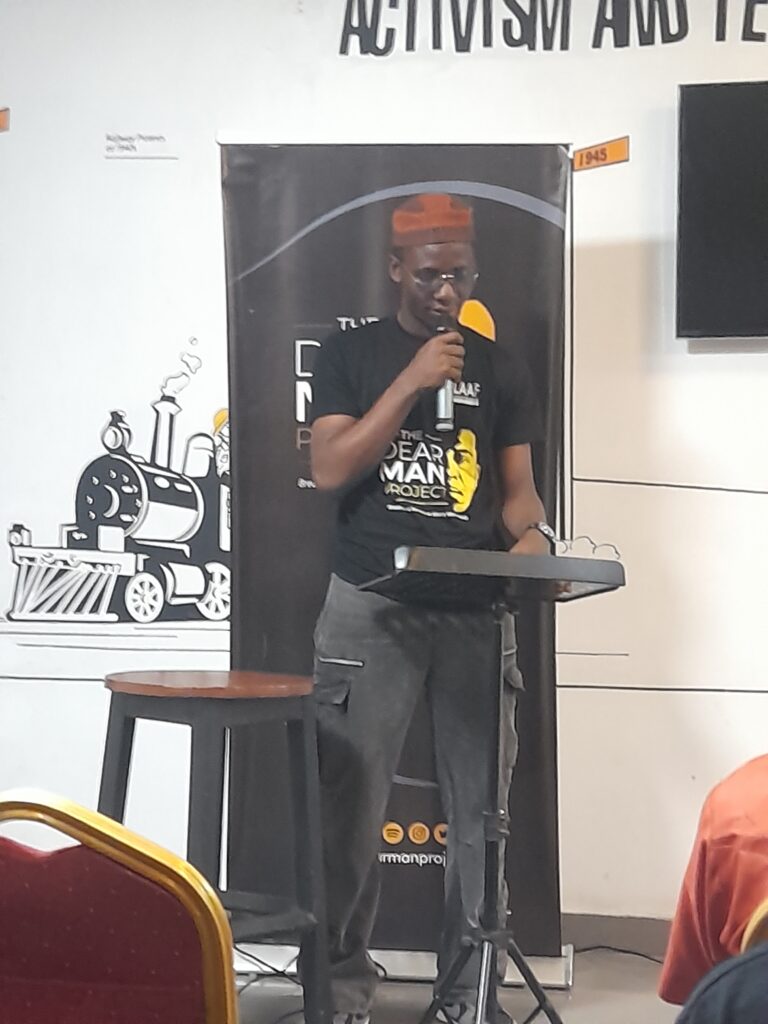
Second speaker: Samuel Joseph
He spoke on how Drug and substance abuse affects mental health.
He said “the use of hard drugs and other substances are a major reason why most men are subjected to suicide. He said such drugs affects their mental health and drain them to the state of being unwanted. He also urged the men to speak up whenever they are in such state.
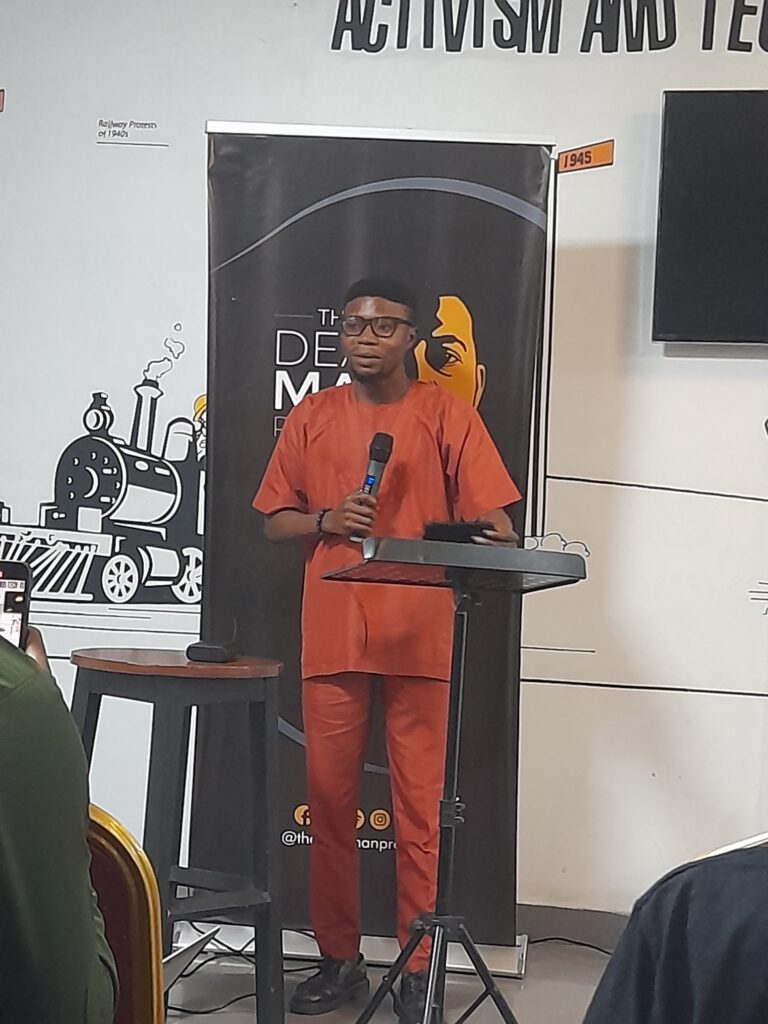
Third Speaker: Shola Adigun (Founder of Father Figure Initiative)
He spoke on Healing the father wound, understanding the impact of an absent father.
He urged the men to fix the issues fathers face in life. Issues which includes backlash from their father, mother or step-father and step-mother which has gravely affected their life as they advance in life.
He also joined other speakers to urge such men to man-up, speak up and change the narrative, instead of bottling up anger, hatred and negative character.
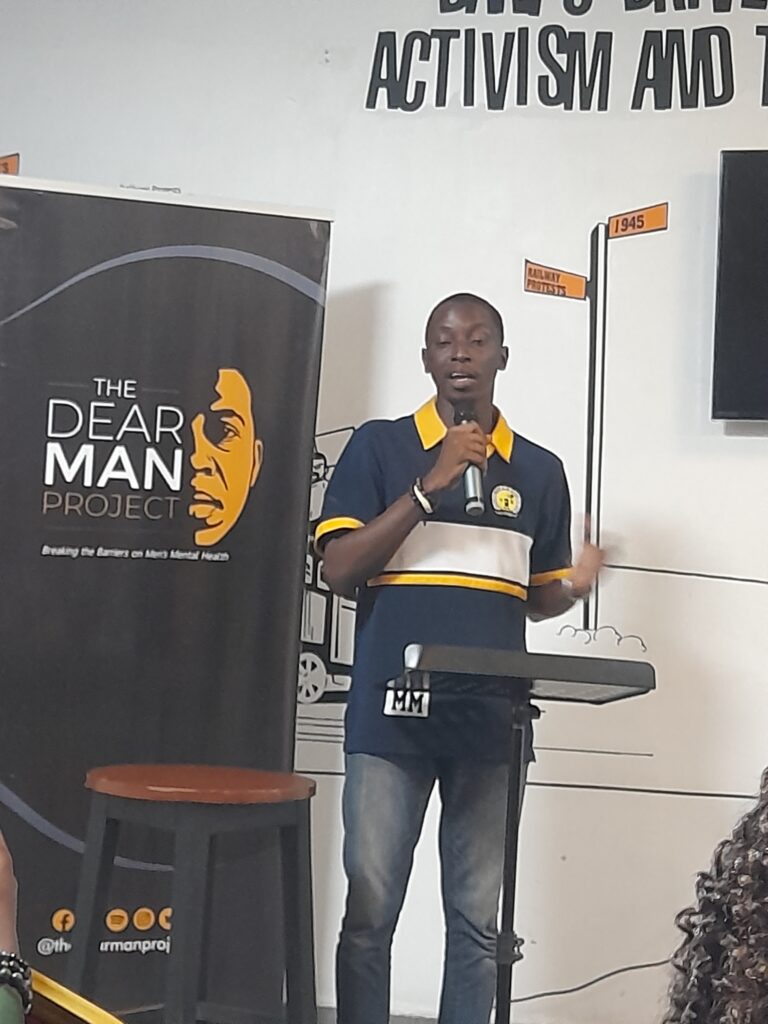
Fourth Speaker: Mustalpha Adeyemi (President KB Club)
He spoke on Emotional Vulnerability in Men.
He stressed that men should open up, engage with someone, explaining what they are going through. According to him, the men are seen as super humans who hardly show their feelings, which makes the society feel they are less vulnerable.
Mustalpha also said, at least 40 percent of men face series of maltreatments but are shy to speak up due to condemnations or being seen as a weakling.
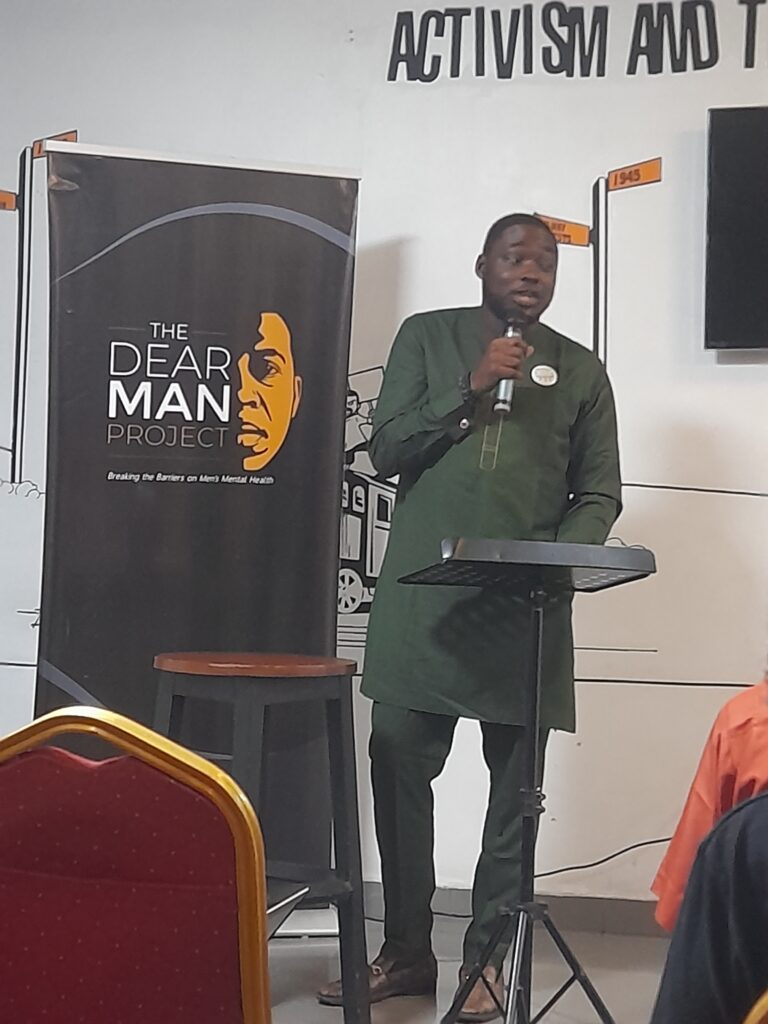
Fifth Speaker: Barr. Dare Asobele, Founder and coordinator of Anti Suicide prevention squad.
He addressed the men on Toxic Masculinity and Healthy Masculinity.
He encouraged the men not to allow trauma take the best part of them. In his words, he said: “do not bottle your emotions”, Find a safe space to take, get help, do regular exercise, find an enabling environment, seek a therapist, do not allow trauma to define who you are, let go of the past, forgive yourself, forgive your parent or whomever that have caused you trauma, and see how you can become a better man in the society.
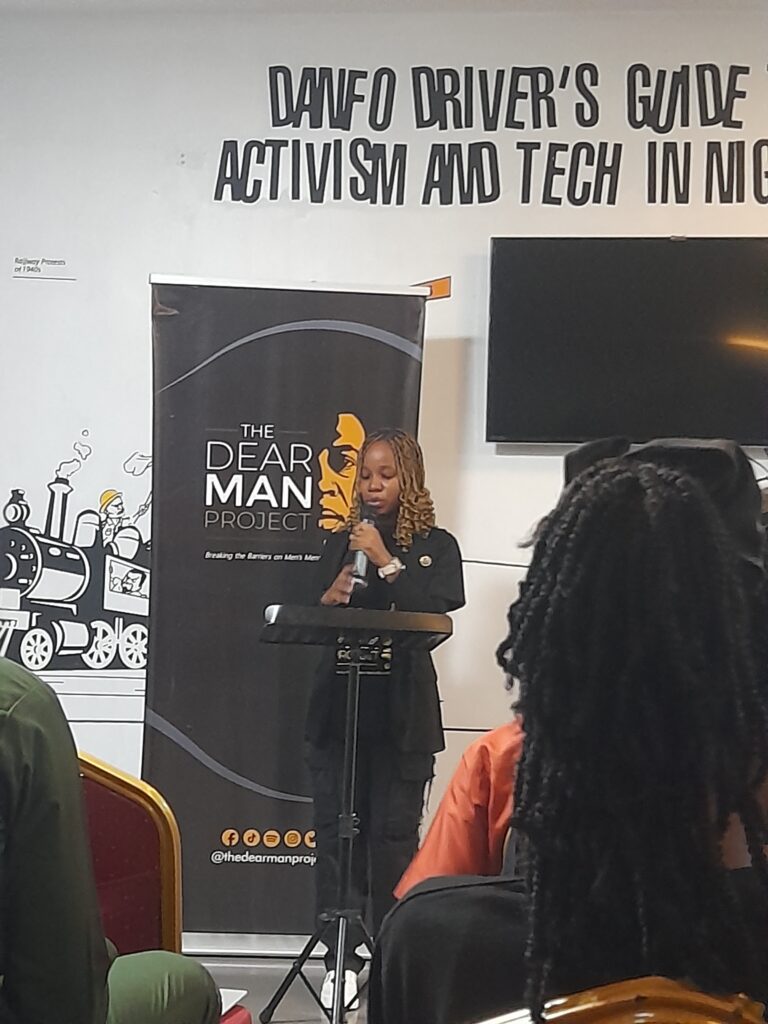
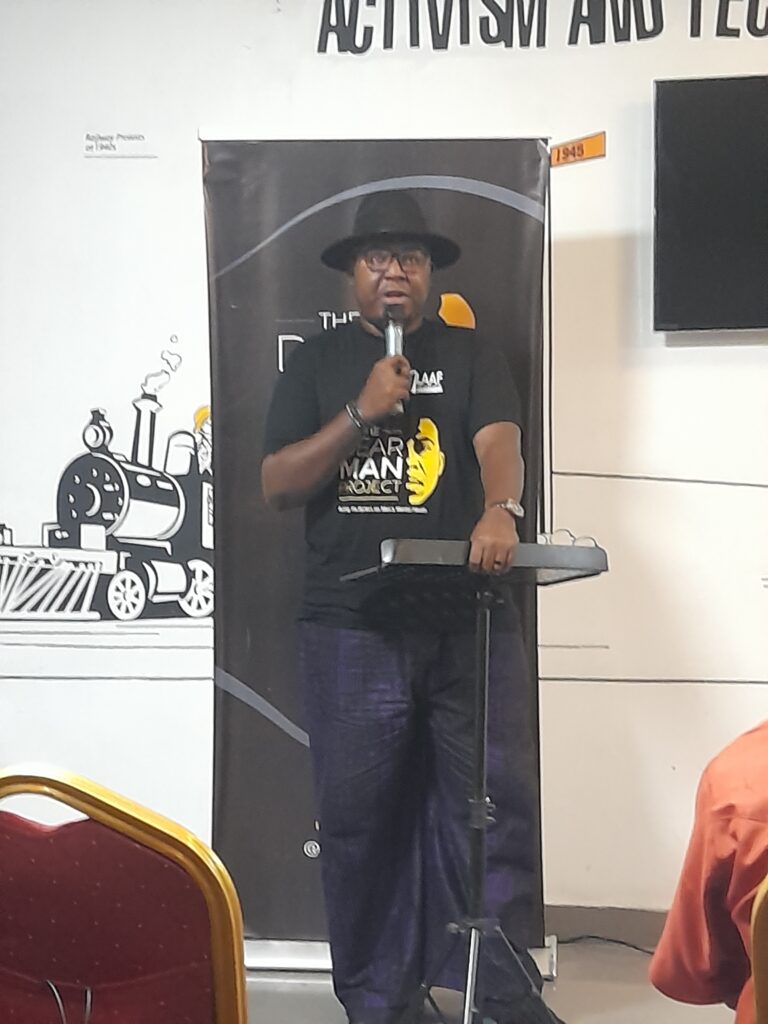
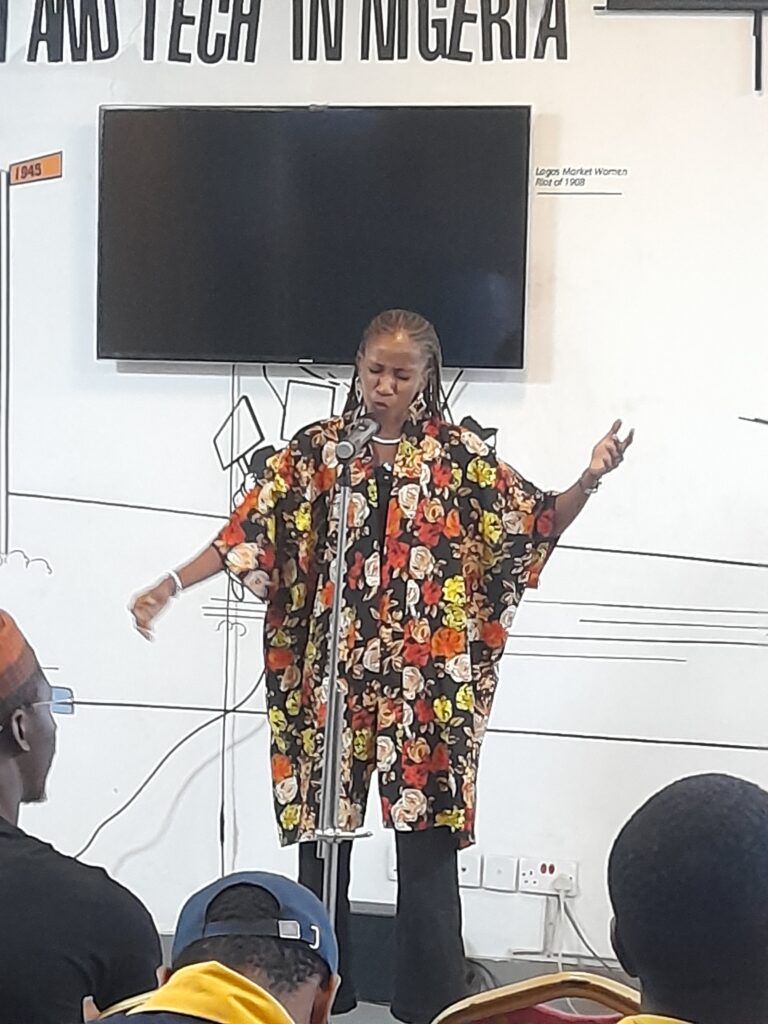
Other photos:











Health
From South Africa to US, ‘Cicada’ COVID-19 variant spreading
According to the latest available data from the health authorities, this variant has been spotted in 23 countries and in wastewater from 25 US states.

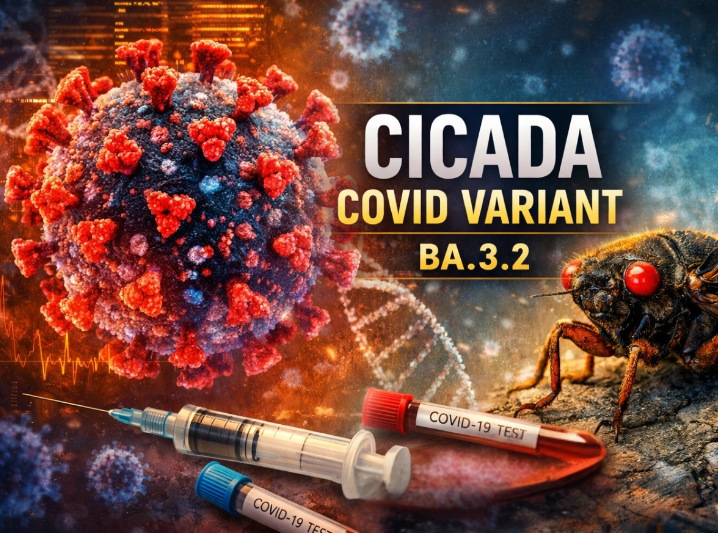
• New Cicada COVID variant detected across US states.
“Cicada” a nickname given to BA.3.2, a COVID-19 variant, is spreading around the world , according to the U.S. Centers for Disease Control and Prevention and the World Health Organization.
Like most other variants, the symptoms of the Cicada variant are the same as those of other COVID-19 variant infections.
According to the CDC, these includes:
Runny or stuffy nose, Fever, Headache, Fatigue, Sneezing, Sore throat,Cough, Muscle pain or body aches Vomiting, Diarrhea, and Changes to the sense of smell or taste.
According to the latest available data from the health authorities, this variant has been spotted in 23 countries and in wastewater from 25 US states.
In November 2024, BA.3.2 popped up in a nose swab of a 5-year-old boy in South Africa, and it looked very different than its parent virus.
It was first picked up in the US last summer, in a traveler from the Netherlands.
In January , the first clinical sample from a sick patient turned out to be BA.3.2.
It appears to be circulating in the US at low levels, although testing has been scaled back since the height of the pandemic, so it may be more widespread than currently known.
Health
Fire Razes Ebonyi Ministry of Health Section
” Different vaccines like BCG, penta, HPV vaccine etc that were all stored in that cold room were burnt”.

A section of the Ebonyi State Ministry of Health, weekend , was gutted by fire with property worth hundreds of millions of naira destroyed.
The inferno destroyed the cold store housing immunisation and solar units which contained vaccines, vaccine carriers, cold chain boxes, laptops, documents, five refrigerators, two solar refrigerators, 45 solar batteries, inverters, including hospitals beds and foams received from the National Primary Health Care Development Authority (NPHCDA), Abuja, for distribution to local government areas across the state, among others.
The State Commissioner for Health, Dr Moses Ekuma, lamented the disaster and thanked God that no life was lost. He thanked the Commissioner for Power and Energy, the fire service personnel, and the security men who alerted him on time for their prompt response, which made the fire not spread to other parts of the building.
He said, “Different vaccines like BCG, penta, HPV vaccine etc that were all stored in that cold room were burnt”.
Health
Health Workers Protest Against Regulatory Bill
They maintain that all health professions have their regulatory bodies, and that the new bill was seeking to make other health professionals second-class to medical doctors.

Health workers under the Joint Health Sector Unions and the Assembly of Healthcare Professional Associations are protesting against the proposed health sector regulatory bill, which is before the National Assembly.
They said that if allowed to pass, the law would subject every medical profession to the regulation of the Medical and Dental Council of Nigeria.
They maintain that all health professions have their regulatory bodies, and that the new bill was seeking to make other health professionals second-class to medical doctors.
The protesters plan to also go to the National Assembly, where they hope to present their case to lawmakers.


INEC Dismisses Calls for Chairman’s Removal

Ebonyi: Gunmen Assasinate Another Traditional Ruler

From South Africa to US, ‘Cicada’ COVID-19 variant spreading

Tech Expert, Zuckerberg trains with UFC champions, Adesanya, Alexander

Organ Trafficking: Ekweremadu bags 10 years in UK prison

SAINT OBI: Between his marriage and his death
-
 Business2 days ago
33 Nigerian Banks Beat CBN’s Recapialisation with ₦4.65trn Combined Capital Base
-
 Politics2 days ago
BREAKING: INEC Withdraws Recognition of David Mark’s ADC
-

 Sports2 days ago
FirstBank Sponsors Samuel Okwaraji U-16 Football Championship 2026
-

 News2 days ago
JUST IN: Tinubu Heads to Jos Tomorrow, Postpones Ogun Trip for 5-State Visits
-
 News2 days ago
Easter: FG declares Friday, Monday public holidays
-

 Entertainment2 days ago
Super Eagles Iwobi to launch music album ‘More To Life’
-

 News2 days ago
Gas Leak in Ogun School: 30 Students, Teacher Hospitalised
-

 Politics2 days ago
Arise News Anchor Ikokwu in Political Race for Reps Seat