
Business
Dangote Says Oil Cabals Still Fighting Against His Refinery
Dangote vowed to push his $20bn refinery to full operational capacity despite what he said were challenges from oil importers seeking to undermine his venture to retain their dominance in the country’s energy sector.

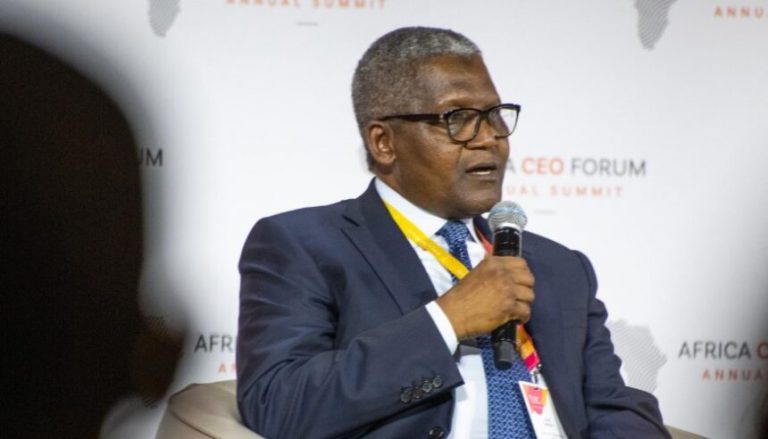
The President of Dangote Group, Alhaji Aliko Dangote, says that some individuals who “for a very, very long time” have “made a lot of money from” government-subsidized oil imports into Nigeria, are still trying to sabotage his 650,000 barrels per day oil refinery in Lekki, Lagos.
Dangote disclosed this at an investor forum in Lagos on Friday.
Dangote expressed optimism that he would win the fight for the refinery, stating his determination to fight on.
Semafor, an international news medium, reported that Dangote’s latest comments came as Nigeria plans to increase its capacity to stockpile petroleum products, to prepare against shocks to the global oil market following US President Donald Trump’s shake-up of international trade with the threat of tariffs.
Dangote has since last year raised the alarm that some mafias were sabotaging his refinery. He specifically mentioned that some international oil companies were sabotaging his investment by denying the facility adequate crude supply despite the domestic crude supply obligation.
Dangote had alleged that the Nigerian Midstream and Downstream Petroleum Regulatory Authority was issuing licences to marketers to import substandard petroleum products into the country.
Dangote vowed to push his $20bn refinery to full operational capacity despite what he said were challenges from oil importers seeking to undermine his venture to retain their dominance in the country’s energy sector.








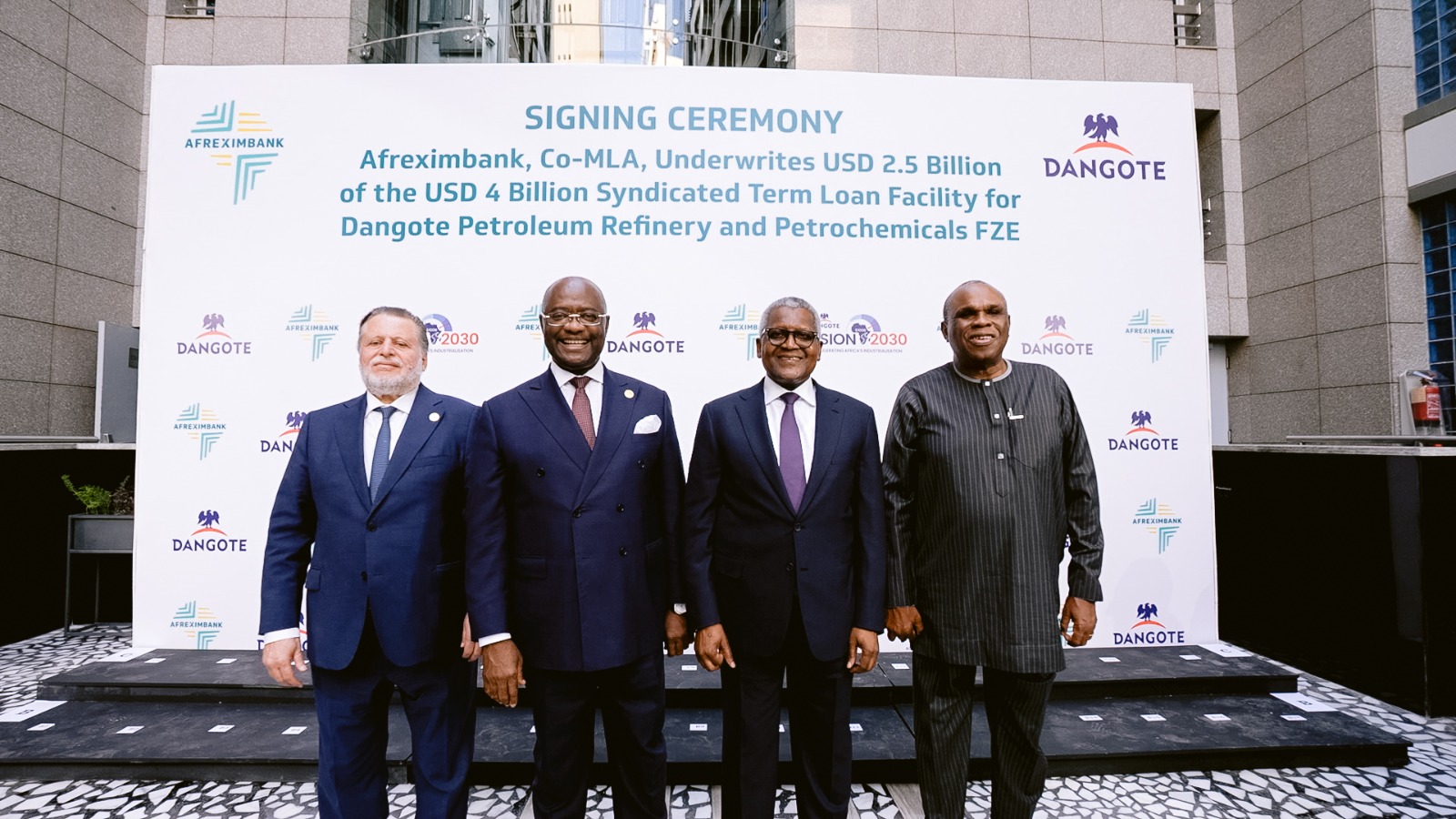
African Export-Import Bank has underwritten $2.5 billion in a $4 billion senior syndicated term loan for Dangote Petroleum Refinery and Petrochemicals, in a move aimed at strengthening the refinery’s financial position and supporting its long-term growth and expansion strategy.
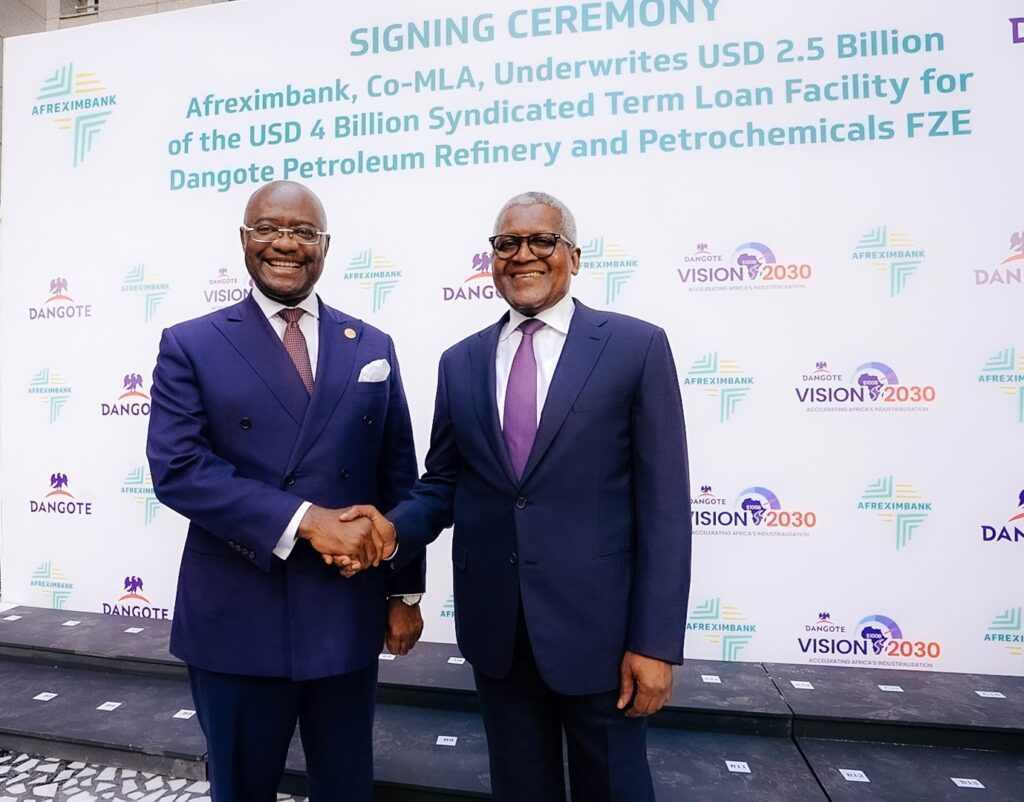
The five-year facility, arranged alongside Access Bank as co-Mandated Lead Arrangers, is designed to consolidate existing debt, optimise the refinery’s capital structure and align its financing with current operational realities.
The transaction marks a significant milestone for the Dangote Refinery, Africa’s largest refining and petrochemical complex with a capacity of 650,000 barrels per day.
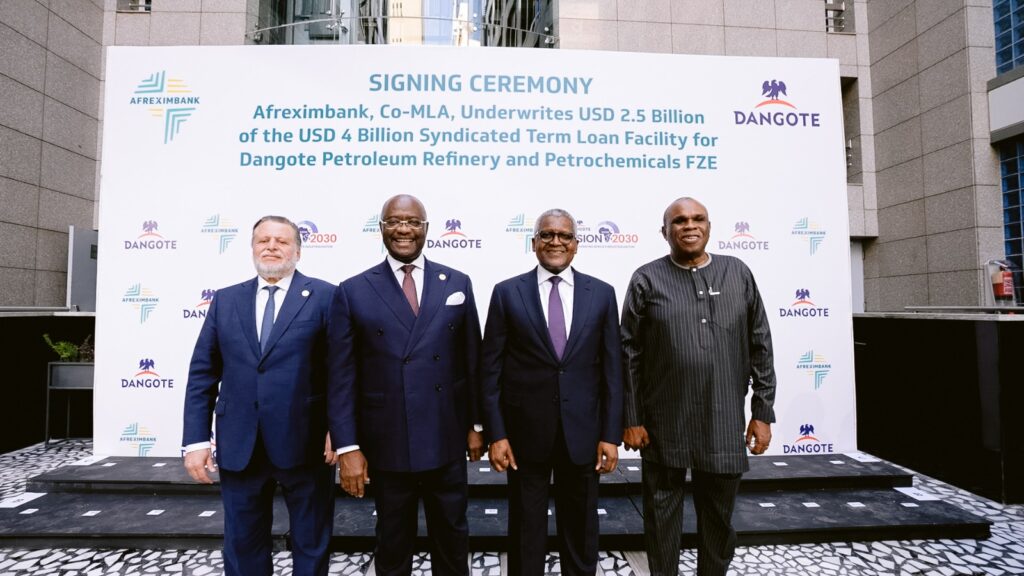
Afreximbank’s $2.5 billion participation represents the largest share of the syndicate, underscoring its strategic role in mobilising capital for industrial projects across the continent.
The bank said the financing aligns with its mandate to promote industrialisation, reduce reliance on imported petroleum products and deepen intra-African trade.
Since refining operations commenced in February 2024, Afreximbank has played a key role in supporting the project, including providing a $1 billion working capital facility and acting as financial adviser on the Naira-for-Crude initiative, which facilitates crude procurement and product sales in local currency.
Speaking during a strategy session in Cairo, Egypt, President and Chairman of the Board of Directors of Afreximbank, George Elombi, said the bank’s continued backing reflects confidence in indigenous African enterprises.
“We take immense pride in being the single largest provider of financing to the Dangote Group. We do so primarily because Dangote is African,” he said.
“When we invest in ourselves, we do more than create jobs and wealth or expand government revenues; we build a secure and resilient future for our continent”
Elombi disclosed that Afreximbank has committed about $15 billion to Dangote Group since 2015, highlighting the scale of its long-term partnership with the conglomerate.
President and Chief Executive of Dangote Industries Limited, Aliko Dangote, described the financing as a critical step in positioning the refinery for its next phase of expansion.
“This financing marks an important step in strengthening the financial foundation of Dangote Petroleum Refinery & Petrochemicals and positions the business for the next phase of its growth,” he said.
“We appreciate Afreximbank’s continued support and confidence in our vision to build world-class industrial capacity that serves Nigeria, Africa and global markets.”
The syndicated loan attracted strong participation from a mix of African and international financial institutions, reflecting sustained investor confidence in the refinery as a transformative industrial asset in advancing Africa’s energy security, reducing import dependence and supporting the continent’s broader industrialisation agenda.
Business
BUA Foods Plc Reports Strong 2025 Performance with ₦1.77 Trillion Revenue, Proposes Record ₦28 Dividend per Share

Leading Nigerian food manufacturer BUA Foods Plc has announced robust full-year 2025 audited results, with revenue climbing 16% to ₦1.77 trillion from ₦1.53 trillion in 2024.
The growth was driven by sustained consumer demand for the company’s core staples sugar, flour, pasta, and rice alongside higher sales volumes and strategic pricing amid a challenging economic environment marked by inflationary pressures on households.
Profit after tax nearly doubled, rising 95% to ₦518.4 billion, while gross profit surged to ₦737.3 billion from ₦540.8 billion the previous year.
Operating profit also increased significantly to ₦656.6 billion.In a strong signal of confidence in its outlook and commitment to shareholder value, the Board of Directors has proposed a final dividend of ₦28 per ordinary share of 50 kobo.
This represents a 115% increase from the ₦13 per share paid in 2024, translating to a total payout of approximately ₦504 billion, subject to approval by shareholders at the company’s 2026 Annual General Meeting.
Chairman Abdul Samad Rabiu highlighted the results, stating that the substantial dividend hike underscores the company’s dedication to rewarding investors while continuing to invest in business expansion and operational efficiency.
BUA Foods, a major player in Nigeria’s food processing sector controlled by billionaire Abdul Samad Rabiu, has continued to benefit from scale advantages, market expansion, and resilient demand for essential food products despite broader economic headwinds.
The company’s shares have reacted positively in recent trading, reflecting investor optimism over the strong earnings and generous dividend proposal.
Full details of the financial statements were filed with the Nigerian Exchange (NGX) on Monday.
Analysts view the performance as a testament to BUA Foods’ robust business model and ability to navigate Nigeria’s macroeconomic challenges through volume growth and cost discipline.
Business
OPay launches new office in Jos
” Opening this office in Jos allows us to stay closer to the people we serve, better understand their needs, and continue to provide fast, secure, and reliable financial services that improve everyday life.”
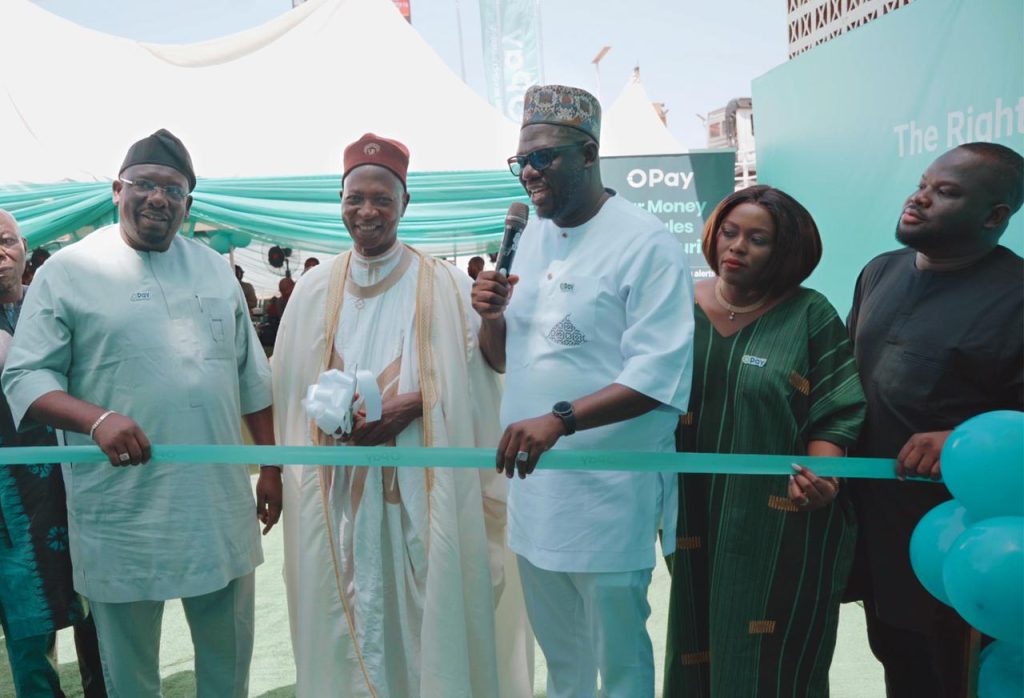
OPay has officially launched its new office in Jos, Plateau State.
Speaking at the event, OPay’s Chief Operations and Technology Officer, Dotun Adekunle, said that the new Jos office reflects OPay’s continued commitment to putting customers first and advancing financial inclusion across Nigeria.
He said :” Our customers are at the center of everything we do.
Opening this office in Jos allows us to stay closer to the people we serve, better understand their needs, and continue to provide fast, secure, and reliable financial services that improve everyday life.”


Afreximbank Leads $4bn Financing for Dangote Refinery with $2.5bn Commitment

JUST IN: El-Rufai Leaves State High Court for Federal High Court in Kaduna

El-Rufai Appear in State High Court, after Mother’s death, as Trial Continues

Tech Expert, Zuckerberg trains with UFC champions, Adesanya, Alexander

Organ Trafficking: Ekweremadu bags 10 years in UK prison

SAINT OBI: Between his marriage and his death
-
 Business2 days ago
Governor Otti Commissions Ultimum Manufacturing Plant in Aba
-

 Sports2 days ago
CAF appoints Nigeria’s Samson Adamu as acting secretary general
-

 Politics1 day ago
PDP Leadership Crisis: Faction Heads to Supreme Court as Tussle Deepens
-
 Politics2 days ago
JUST IN: Kwankwaso Set to Join ADC on Monday
-
 News2 days ago
President Tinubu at 74, Donates Salaries to Armed Forces Welfare Fund
-
 Business8 hours ago
BUA Foods Plc Reports Strong 2025 Performance with ₦1.77 Trillion Revenue, Proposes Record ₦28 Dividend per Share
-
 Politics2 days ago
PDP will contest 2027 polls, says Wike
-

 Business2 days ago
OPay launches new office in Jos