
Business
Full Year 2023: UBA Gross Earnings Rises by 143% YoY, Profit hits N757.7bn

….Declares N2.30 kobo Final Dividend
….Total Assets Rise by 90.2% to N20.65 trillion
….Shareholders’ Funds Hits N2.0tn, achieving an impressive growth of 120.2%.
In another unprecedented performance, Africa’s Global Bank, United Bank for Africa (UBA) Plc, has released its audited financial results for the full year ended December 31, 2023, showing exceptional and impressive performance across all its major indicators.
The 2023 financials, filed by the Bank at Nigerian Exchange Limited (NGx) on Monday, showed an impressive leap in gross earnings, as it grew from N853.2 billion recorded at the end of 2022 to close at N2.08tn; representing a strong 143 percent growth.
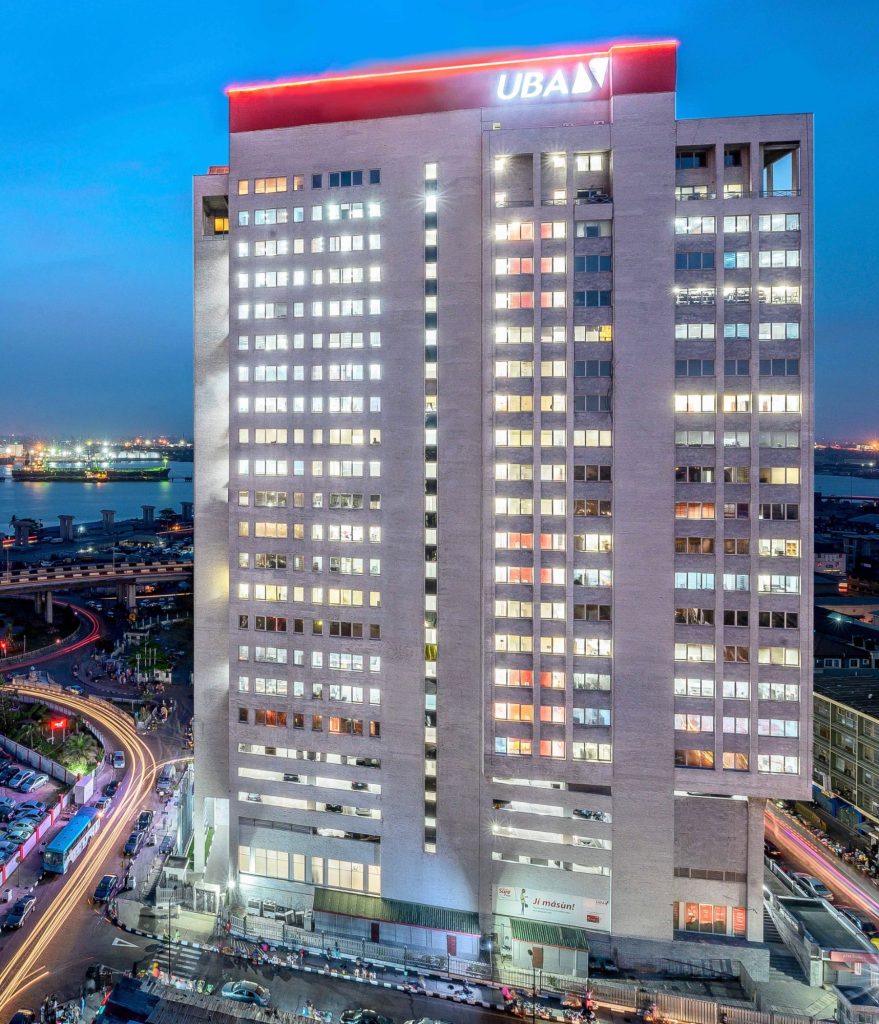
The banks’ total assets also rose remarkably by 90.22 percent, doubling the N10 trillion mark, to close at N20.65 trillion in December 2023; up from N10.86 trillion in 2022. This leap remains a very significant achievement and milestone in the history of the financial powerhouse.
Despite the highly challenging global economic and business environment, UBA recorded a laudable profit before tax, with an exponential growth of 277 percent, to close the year under review at N758billion, rising from N201 billion recorded at the end of the 2022 financial year; while profit after tax (PAT) grew by 257 percent from N170 billion in 2022, to N608 billion in the year under consideration.
Consequently, UBA Group Shareholders’ Funds rose from N922 billion as at December 2022 to close the 2023 financial year at N2.0tn, achieving an impressive growth of 120.2%, compared to prior year.
In the year under consideration, UBA Group cost-to-income ratio dropped from 59.2%, in 2022, to 37.2 per cent pointing at the Group’s improving efficiency.
In fulfilment of the promise made by the UBA Group Chairman, Tony Elumelu, to shareholders at the last Annual General Meeting, the Bank proposed a final dividend of N2.30 kobo for every ordinary share of 50 kobo, for the financial year ended December 31, 2023. The final dividend is subject to the ratification of the shareholders during its upcoming annual general meeting (AGM).
Also worthy of note, UBA recorded a 61.3 percent growth in loans to customers, moving up to N5.5 trillion in 2023, whilst customer deposits improved by 90.31 percent to N14.9 trillion, compared to N7.8 trillion recorded in the corresponding period of 2022, reflecting increased customer confidence, enhanced customer experience, successes from the ongoing business transformation programme and the deepening of its retail banking franchise.
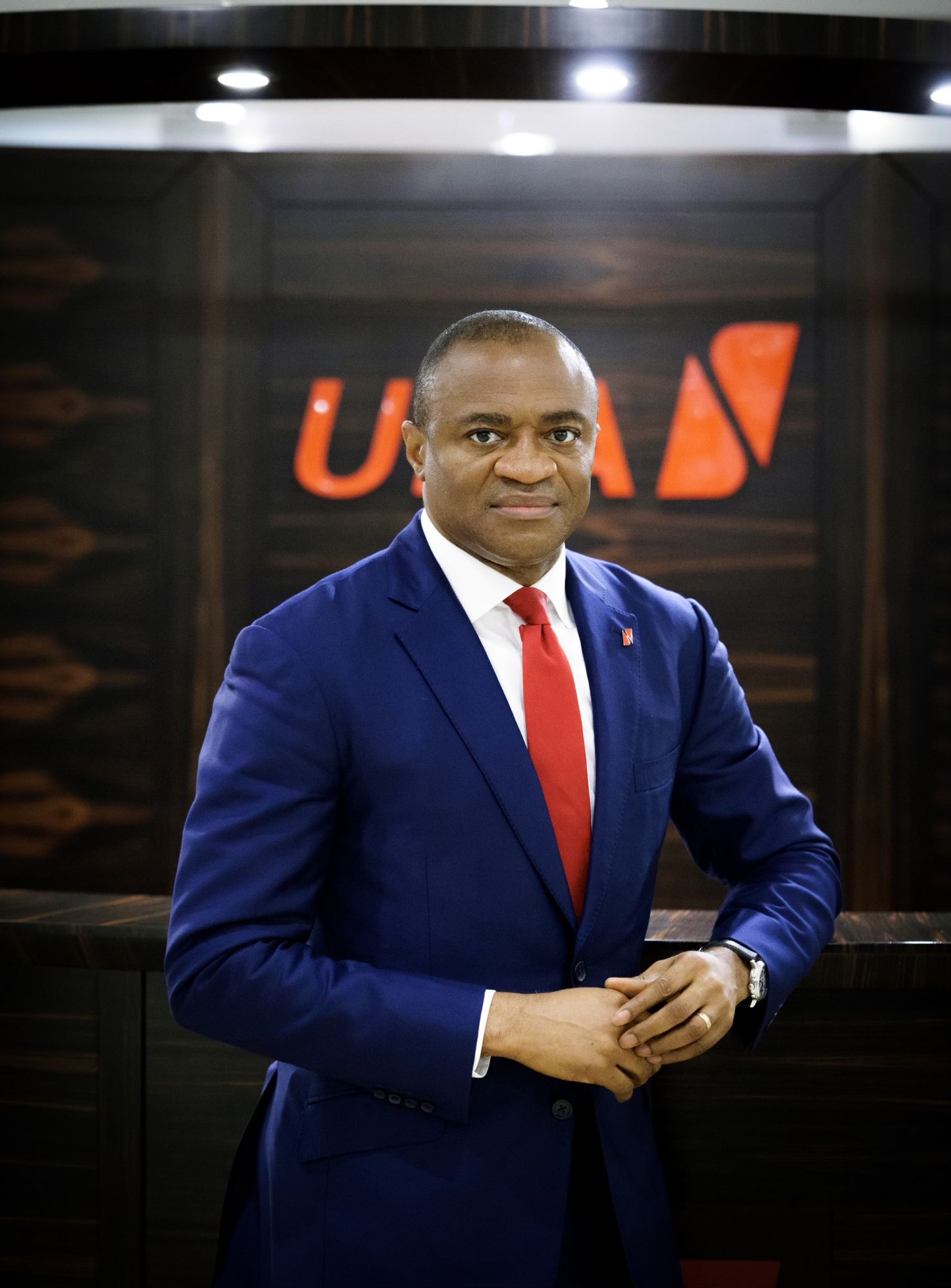
Commenting on the results, UBA’s Group Managing Director/Chief Executive Officer, Oliver Alawuba, said: “I am very pleased with the unprecedented results achieved by our Group in FY2023. The Group made a profit before tax of N758billion, from N201 billion in the prior year. The balance sheet also grew to N20.7trillion from N10.8trillion in the previous year.
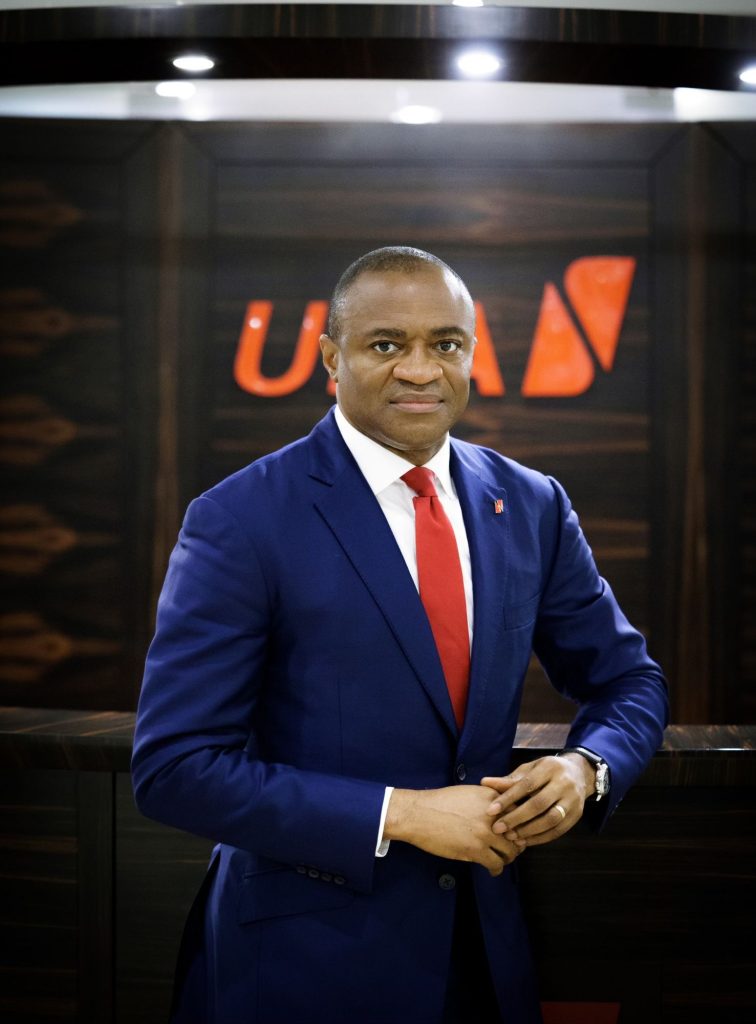
He said, “The Group’s shareholder’s funds crossed N2trillion from N922bn in 2022, whilst total assets crossed the N20 trillion mark (90.2% YoY growth). The Group is well positioned for further business expansion in FY2024 having closed FY2023 with Capital Adequacy Ratio of 32.6%.”
He added that the bank’s diversified business model (Pan-African and International strategy) is justified by the contribution of its Ex-Nigeria business to the Group’s results and reinforces its resolve to expand our market share of customers, funding, digital and transaction banking businesses across Africa.
“Driven by our customer service and execution-led delivery model, we will continue to expand our market share and create value for our shareholders and meet the expectations of our various stakeholders,” the GMD stated.
UBA’s Executive Director, Finance & Risk Management, Ugo Nwaghodoh, said the 2023 full year was a particularly eventful year, with galloping inflation and currency depreciation ravaging key markets, amidst pockets of regional conflicts and security challenges.
“I am delighted however at the strong growth in earnings and profitability recoded in the year. The Group conservatively set up significant impairment reserves against its overall risk assets portfolio considering the latent impact of the macroeconomic headwinds on our credit portfolio. Consequently, Cost of Risk grew to 3.09% from 0.63% in the prior year,” Nwaghodoh noted.
On the expectation for the 2024 financial year, he said, “The Group remains fervently committed to sustainable growth and maintaining its strong compliance and risk management practices culture even as we drive our business through the next phase of growth.”
United Bank for Africa Plc is a leading Pan-African financial institution, offering banking services to more than thirty-five (35) million customers, across 1,000 business offices and customer touch points in 20 African countries.
With presence in New York, London, Paris and Dubai, UBA is connecting people and businesses across Africa through retail, commercial and corporate banking, innovative cross-border payments and remittances, trade finance and ancillary banking services.





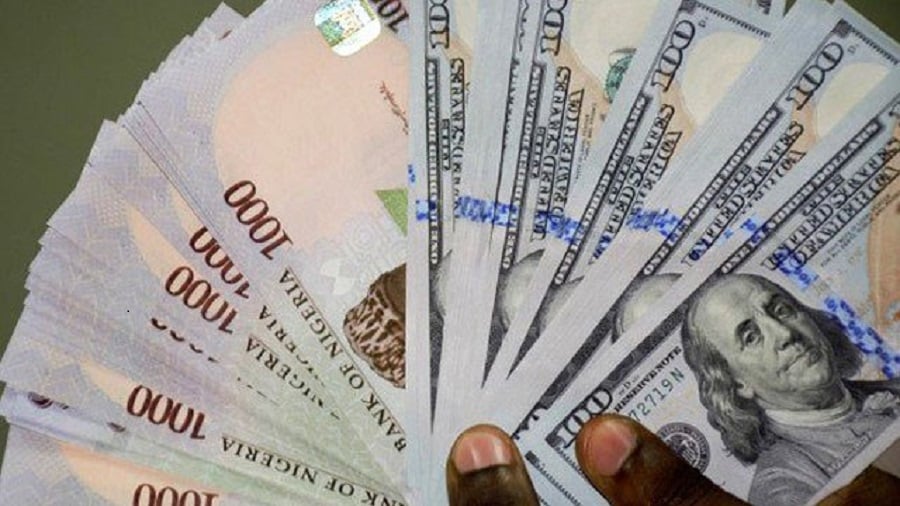
BLACK MARKET RATES
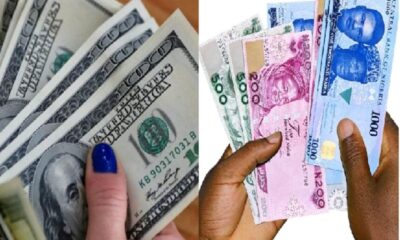
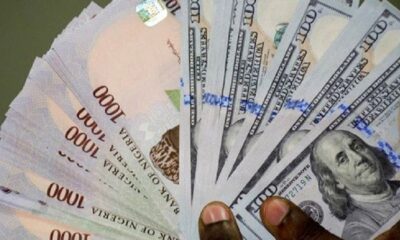
US DOLLAR (USD) Buy ₦1,416 Sell ₦1,423
GREAT BRITISH POUND (GBP) Buy ₦1,890 Sell: ₦1,910
EURO (EUR) Buy ₦1,590 Sell ₦1,610
CANADIAN DOLLAR (CAD) Buy ₦1,020 Sell ₦1,080
SOUTH AFRICAN RAND (ZAR) Buy ₦75 Sell ₦90
UAE DIRHAM Buy ₦350 Sell ₦370 CHINESE YUAN Buy ₦190 Sell ₦205
GHANA CEDI (GHS) Buy ₦95 Sell ₦110
WEST AFRICAN CFA Buy ₦2, 300 Sell ₦2, 400
CENTRAL AFRICAN CFA Buy ₦2,150 Sell 2,250
AUSTRALIAN DOLLAR Buy ₦800 Sell ₦900
CBN Exchange Rates
US DOLLAR (USD) ₦1,357. 65
GREAT BRITISH POUND (GBP) ₦1,834.04
EURO (EUR) ₦1,567.00
SWISS FRANC (CHF) ₦1,671. 98
JAPANESE YEN (JPN) ₦8.53
CHINESE YUAN (CNY) ₦201. 34
WEST AFRICAN CFA (XOF) ₦2. 39
WEST AFRICAN UNIT ACCOUNT (WAUA) ₦1,858.02
SAUDI RIYAL (SAR) ₦361.62
SOUTH AFRICAN RAND (ZAR) ₦84.23
Business
Traders shut down Enugu ‘s Obollo-Afor market over N25,000 haulage levy
However, Chairman of ESIRS, Emmanuel Nnamani, in a letter to the traders, said the haulage levy was not paid by traders buying or selling goods in the markets, but was applicable strictly to truck drivers plying interstate routes.

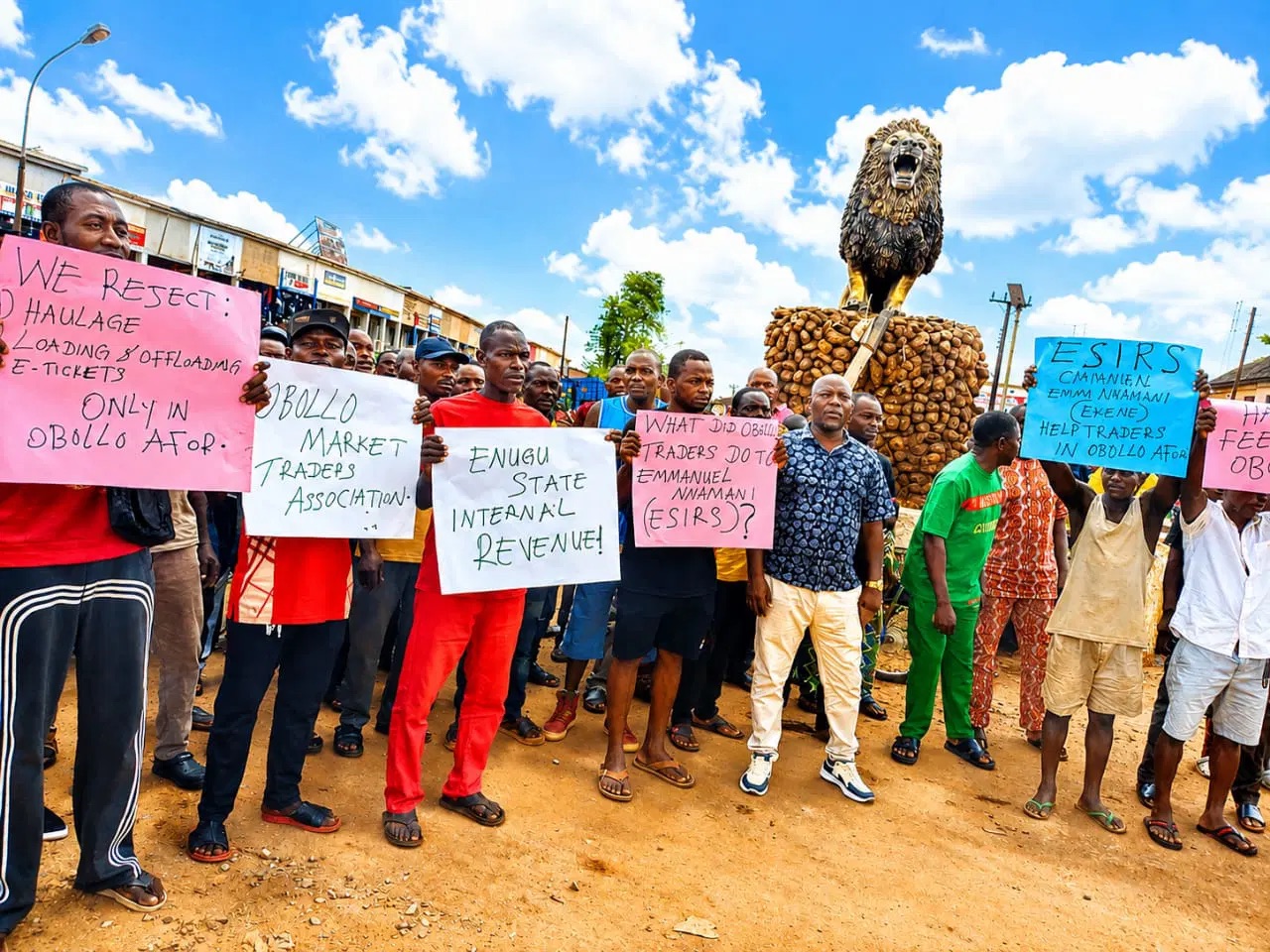
All shops and markets at Obollo-Afor, Udenu Local Government Area of Enugu State were shut yesterday, as traders staged a peaceful protest against alleged selective collection of a N25,000 haulage levy in the market.
The traders, who locked their shops and took to the streets in large numbers, carried placards with various inscriptions, alleging that the Enugu State Internal Revenue Service (ESIRS) had singled out Obollo-Afor Market for the collection of N25,000 haulage fee on every truckload of goods loaded or offloaded in the market.
However, Chairman of ESIRS, Emmanuel Nnamani, in a letter to the traders, said the haulage levy was not paid by traders buying or selling goods in the markets, but was applicable strictly to truck drivers plying interstate routes.
Addressing officials of the Udenu Local Government Council at the council secretariat, where the protesters marched to present their grievances, Chairman, Obollo-Afor Market Traders Association, Charles Eze, lamented that truck operators bringing foodstuffs, building materials, and other commodities to the market had stopped coming because of the levy.
Business
Nigeria’s oil production dropped by 4% in July – NUPRC
“In the month under review, the daily peak production of crude oil and condensate was 1.78mbpd, while the lowest daily production was 1.57mbpd.”

The Nigerian Upstream Regulatory Commission (NUPRC) data has shown Nigeria’s average daily oil production fell by four percent in July, 2026.
According to the NUPRC, Nigeria produced 1.505 million barrels per day (bpd) of crude oil and 0.17 million bpd of condensate, bringing the combined daily production to 1.67 million bpd.
The commission said the country met and exceeded its Organisation of the Petroleum Exporting Countries (OPEC) quota of 1.5 million bpd for the third consecutive month.
“In the month under review, the daily peak production of crude oil and condensate was 1.78mbpd, while the lowest daily production was 1.57mbpd.”


HAPPENING NOW: Security Beefed up at INEC Office in Osun Ahead of Saturday’s Governorship Election

Gov Mbah Invest in world-class Enugu International Hospital

Committees hit the ground running for 8th Kwara State Sports Festival

Tech Expert, Zuckerberg trains with UFC champions, Adesanya, Alexander

Organ Trafficking: Ekweremadu bags 10 years in UK prison

SAINT OBI: Between his marriage and his death
-

 Business2 days ago
FG approves tax waivers for 4,000 electric vehicles
-

 Business2 days ago
Azikel Refinery in Bayelsa Set To Add 25,000 bpd To National Capacity
-
 Business2 days ago
Guaranty Trust Bank doubles naira card international spending limit to $40,000
-
 Business2 days ago
Naira Exchange Rates Thursday, August 13
-

 Business2 days ago
Nigeria’s oil production dropped by 4% in July – NUPRC
-

 Sports2 days ago
Katsina United player declared dead found alive in mortuary
-
 Business3 days ago
Naira Exchange Rates Wednesday, August 12
-

 Sports2 days ago
NBA’s Los Angeles Lakers to be sold for $12.5bn – Report