
News
Fed Govt deploys apps to monitor ministers’ performance

The stage is set for ministers to present their scorecards on the delivery of ministries on the eight priority areas of President Bola Ahmed Tinubu.
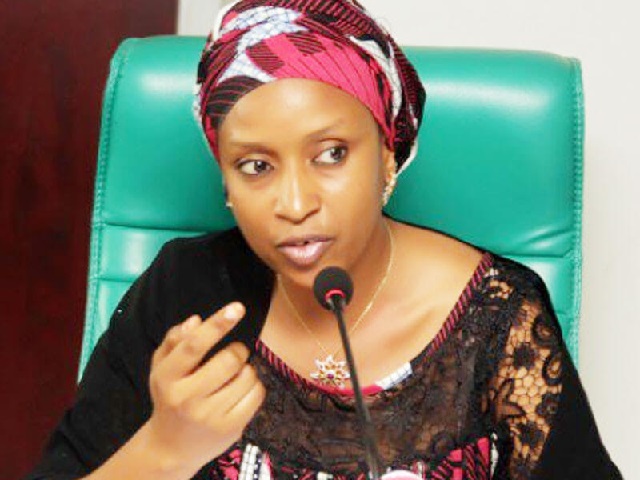
Special Adviser to the President on Policy and Coordination/Head of Central Coordination Delivery Unit (CDCU), Ms. Hadiza Bala-Usman, dropped the hint in Abuja yesterday.
They (ministers) were told by the President that will undergo compulsory periodic (quarterly) assessment to rate their performances in line with the identified priority areas.
The Tinubu’s administration also designed and released a Citizens’ Delivery Tracker App to monitor the performance of ministers and their portfolios.
Nigerians can use device to give feedback to the government on policies, programmes and projects.
The implementation of constituency projects allocated to senators and House of Representatives members are to be assessed too.
Ms. Bala-Usman, who spoke at the Go-Live Event of the Citizens’ Delivery Tracker, said restated Tinubu’s commitment to an open and transparent government in the larger interest of the nation.
She said the President has mandated all ministries to hold quarterly sectorial engagement sessions with citizens.
Unfolding Tinubu’s new strategy called: “Citizen-centric approach to governance,” the special adviser said since the ministers signed performance bonds, they will be evaluated on the eight priorities of the President.
The areas are:
Advertisement
• Reforming the economy to deliver sustained and inclusive growth
• Strengthening national security for peace and prosperity
• Boosting agriculture to achieve food security
• Unlocking energy and natural resources for sustainable development
The areas are:
• Reforming the economy to deliver sustained and inclusive growth
• Strengthening national security for peace and prosperity
• Boosting agriculture to achieve food security
• Unlocking energy and natural resources for sustainable development
• Enhancing infrastructure and transportation as enablers for growth
• Focusing on education, health, and social investment as essential pillars of development
• Accelerating diversification through industrialization, digitization, creative arts, manufacturing, and innovation; and
• Improving governance for effective service delivery.
Ms. Bala-Usman said: “For each of these priority areas, we agreed on specific deliverables and developed Key Performance Indicators (KPIs), which formed the basis for the performance bond which all ministers and permanent secretaries signed with the President in November 2023. These parameters will guide the quarterly assessments and annual scorecards, which the CDCU is mandated to present to the President.
“The President also insisted that the pain points of citizens must be recognized in developing the deliverables and KPIs. In line with the directive, the CDCD worked with our partners to further review the deliverables into granular issues that have direct impact on the lives of Nigerians.
“At this juncture, I would like to give a little background on the Central Delivery Coordination Unit (CDCU). The Unit was established by Executive Order 13 of 2022 to, among other things, coordinate and monitor the implementation of presidential priorities through the development of deliverables and KPIs for each ministry.
“These deliverables and KPIs were developed in consultation with the ministries and culminated in the signing of performance bonds by ministers and permanent secretaries of each ministry with Mr. president.”
She said President Tinubu has decided to allow Nigerians to know what the government is doing and assess ministers because of his commitment to “citizen-centric approach to governance.”
“The CDCU has also developed a Delivery Reporting Framework and Template, to accurately assess and report the performance of ministries, departments, and agencies (MDAs).
“We are adopting international best practices and utilising globally recognized performance indicators and benchmarks to assess the performance of MDAs in the implementation of government priority programmes, projects, and policies.
“The Delivery Desk Officers are the foot soldiers tasked with the responsibility of tracking and reporting the performance of the MDAs ahead of the quarterly assessment.
“Our partners from the Foreign Commonwealth and Development Office (FCDO), Tony Blair Institute for Global Change, and Delivery Associates also joined us to share experiences from across the world at this four-day capacity building programme,” she added. Hadiza unveiled Citizens’ Delivery Tracker Application, which is available at the URL: app.cdcu.gov.ng.
She said: “It (the tracker) will be available for download on the Google Play Store and in the Apple store within the next month. This application will enable citizens to know the deliverables and key performance indicators to track.
“It also presents citizens with the opportunity to give real-time feedback on their assessment of policies, projects, and programmes of government from anywhere they are in the country.
“Additionally, to actualise Mr. President’s desire to give all citizens the opportunity to join the CDCU in the tracking and monitoring of the policies, projects, and programmes of the Federal Government in line with presidential priorities, we have, over the past couple of months, worked to upgrade the Citizens’ Delivery Tracker App.
“The Citizens’ Delivery Tracker is an application which affords citizens the opportunity to view the priority programmes and projects of the Federal Government on their devices.
“We upgraded this application through consultations with a wide spectrum of stakeholders, and it is now ready for use.”
Giving insights into how the government plans to engage the citizens, the special adviser said: “The CDCU is also expected to sensitize citizens-based organizations, working with the Open Government Partnership (OGP) and other civil society groups on the delivery of the presidential priorities.
“This is to be done by coordinating engagements on the priority programmes, initiatives, and projects, and providing up-to-date information using the citizens’ app and other channels of communication.
“Indeed, Mr. President is so committed to a citizen-centric approach to governance that he has mandated all ministries to hold quarterly sectorial engagement sessions with citizens.
“These citizen engagement sessions are part of universal deliverables that is applicable to all ministries and the engagements have already commenced for Q1 in consonance with Mr. President’s directives.
“The import of the preceding points is that the President is keen on leading an inclusive government through the involvement of all Nigerians in the governance process and that the CDCU is central to the actualization of this presidential aspiration.”
Responding to a question, she said: “The execution/ performance of constituency projects can be tracked in the Ministry of Special Duties.”








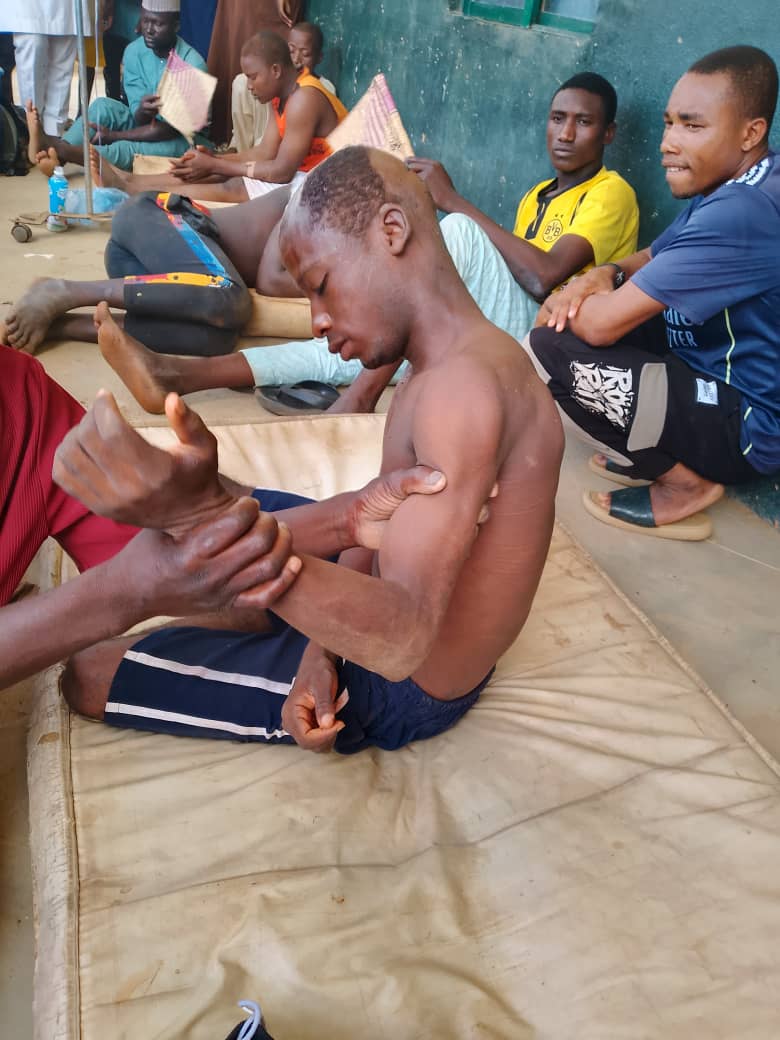
An Improvised Explosive Device (IED) exploded on the Anka-Bagega road on Tuesday, killing one person and injuring seven others.
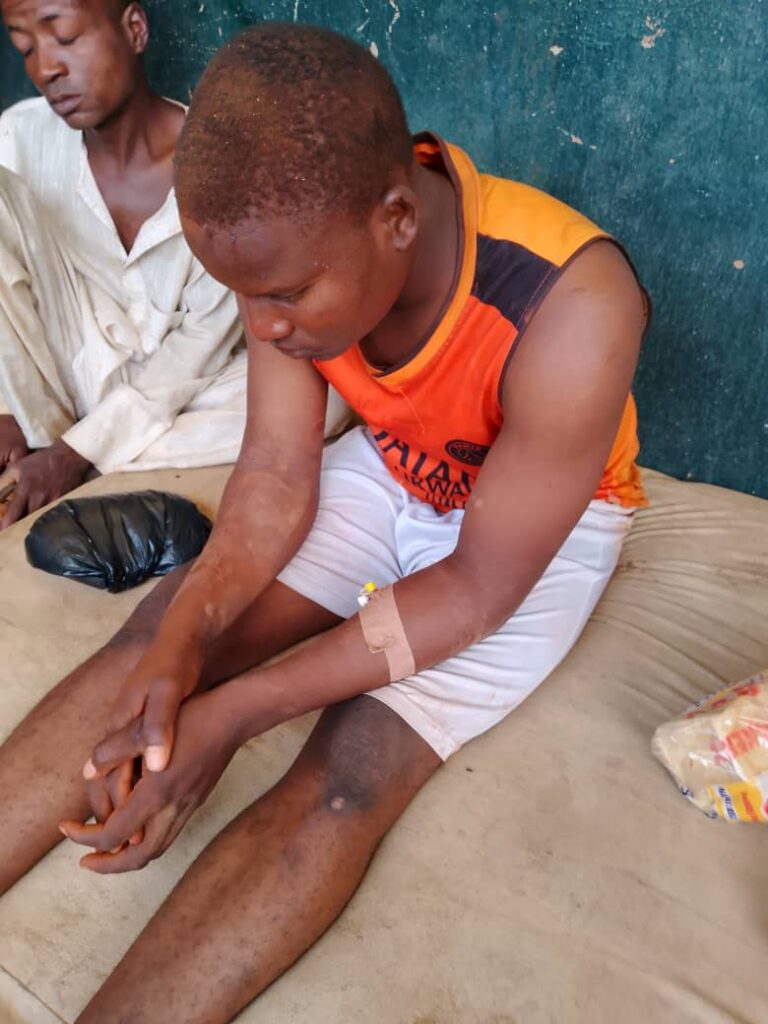
The blast struck a commercial Volkswagen Golf 3 Wagon carrying passengers travelling from Bagega village to Anka town. One passenger died on the spot, while the seven injured victims are receiving treatment at a primary healthcare facility in Bagega.

The explosion also caused significant damage to the vehicle, sparking fresh security concerns among commuters using the route.
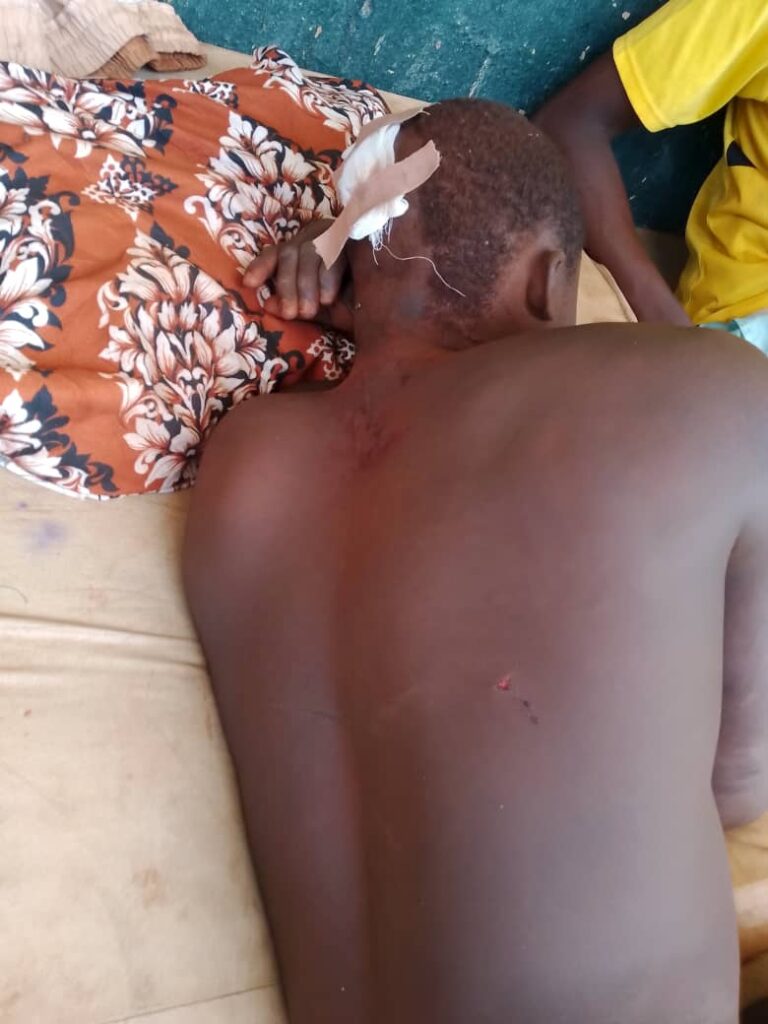
This incident comes barely a month after a similar IED explosion occurred along the same road.
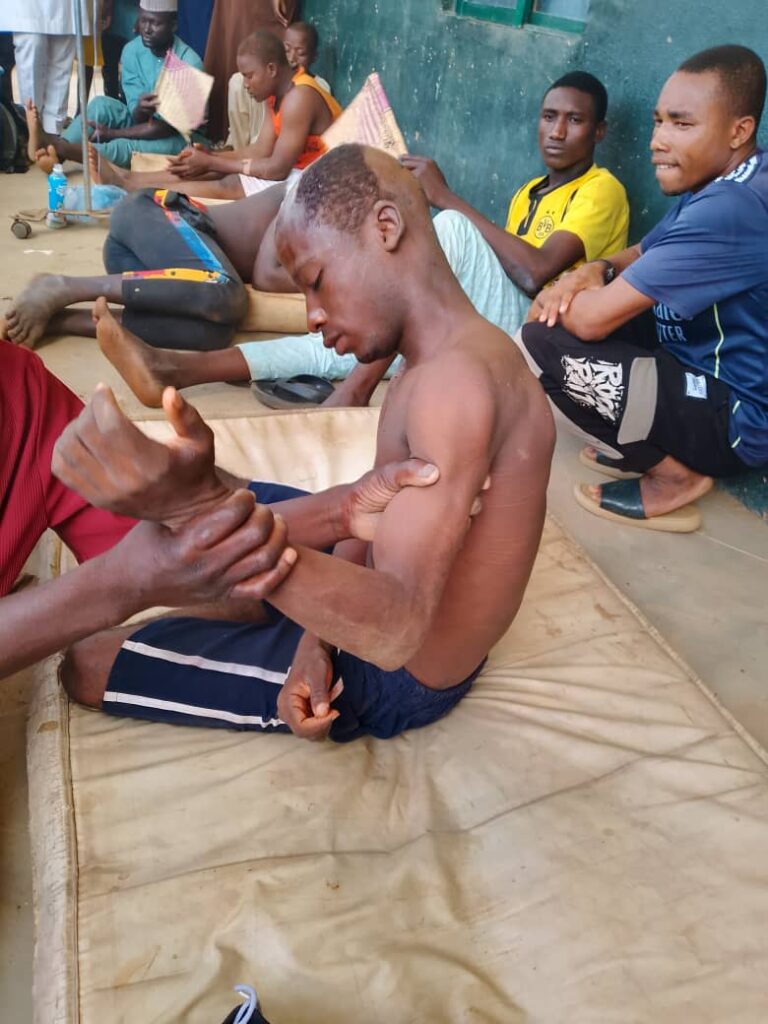
Zamfara State Commissioner of Police, Ahmad Bello, confirmed the attack. He said joint security forces have been deployed to assess the situation, clear the affected area, and restore normalcy on the route.

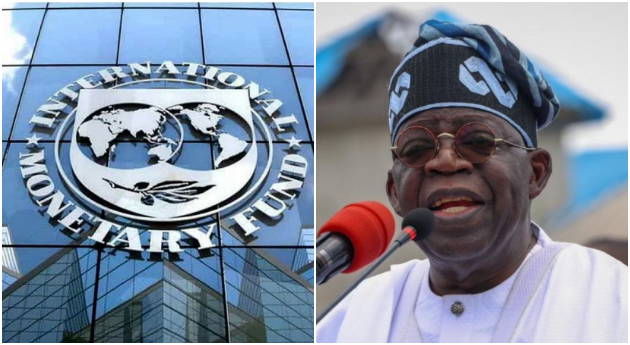
The Federal Government has welcomed the International Monetary Fund’s (IMF) 2026 Article IV Mission Concluding Statement, describing it as an independent validation of the success of President Bola Ahmed Tinubu’s economic reform programme.
In a statement, the government noted the IMF’s overall positive assessment, saying the Fund’s observations confirm that the bold reforms implemented over the past three years are strengthening macroeconomic stability, restoring investor confidence, and laying a solid foundation for sustainable and inclusive growth.
The IMF highlighted several key achievements, including improved functioning of the foreign exchange market, stronger external buffers, ongoing fiscal and revenue reforms, and resilience in the banking sector. These developments, the government said, have enhanced Nigeria’s ability to withstand external shocks compared to recent years.
Particular emphasis was placed on the impact of major policy decisions such as the removal of fuel subsidies, the end of deficit monetisation, the liberalisation of the foreign exchange market, and strengthened fiscal discipline. According to the statement, these measures have significantly reduced economic vulnerabilities and rebuilt confidence.
Despite new global challenges arising from the Middle East conflict — including higher energy and food prices, tighter financial conditions, and supply chain disruptions — the IMF acknowledged Nigeria’s notable resilience. The parallel market premium has remained below five percent, sovereign spreads have stayed broadly stable, and investor confidence has been preserved.
The Fund also noted that Nigeria is well positioned to benefit from elevated energy prices through increased export earnings, improved fiscal revenues, and higher foreign exchange inflows. The government said it will focus on translating these opportunities into lasting gains by ramping up crude oil production, expanding domestic refining capacity, boosting gas production and exports, and attracting fresh investments across the energy sector.
Addressing Poverty and Food Insecurity
The government acknowledged the IMF’s observation that poverty and food insecurity remain pressing challenges. While per capita income grew by nearly 10 percent in 2025, indicating a marked reduction in poverty levels, authorities stressed that macroeconomic stability alone is not enough.
To ensure inclusive growth, the government is strengthening social protection programmes, including direct cash transfers to vulnerable households, support for small businesses, student loans through NELFUND, consumer credit schemes, and healthcare investments.
In the agricultural sector, efforts are being scaled up through the Renewed Hope National Agricultural Mechanisation Programme and other initiatives aimed at boosting productivity, expanding irrigation, improving access to inputs and financing, and strengthening food security.
The government also welcomed the IMF’s recognition of progress in domestic revenue mobilisation and public financial management. It pledged to continue implementing new tax laws, digitising revenue collection, and improving transparency and accountability. Steps are already being taken to enhance fiscal data integrity and meet the highest international standards in economic and fiscal statistics.
Positive Medium-Term Outlook
The IMF projects continued economic growth above four percent over the medium term, alongside improving external reserves, rising investment, and stronger fiscal revenues. Public debt has declined as a percentage of GDP, while reserve buffers have strengthened significantly. These positive developments complement recent sovereign credit rating upgrades by international agencies.
The Federal Government reaffirmed its commitment to maintaining macroeconomic stability, accelerating inclusive growth, deepening structural reforms, improving the investment climate, expanding infrastructure, and enhancing human capital development and job creation.
“While challenges remain, the direction is clear and the foundations are stronger,” the statement said. “The ultimate objective of these reforms is not merely improved economic indicators, but better outcomes for all Nigerians — lower inflation, decent jobs, higher incomes, greater economic opportunity, and a better quality of life.
News
Nigerian labour leader dies while attending Geneva conference
A member of the Nigeria Civil Service Union (NCSU), Adeleke served as Chairman of the Lagos State Joint Negotiating Council, where he was involved in labour-related advocacy and workers’ welfare initiatives.


•Michael Adeleke
A Nigerian labour leader Domingo Michael Adeleke died today in Geneva, Switzerland, while attending the 114th Session of the International Labour Conference (ILC).
The Nigeria Labour Congress (NLC), confirmed the development this morning in a statement, saying that Adeleke was the Chairman of the Lagos State Joint Negotiating Council (JNC) of the union.
According to the statement, Adeleke was in Switzerland as part of Nigeria’s delegation to the conference when he reportedly became ill and was later taken for medical attention. He subsequently passed away.
A member of the Nigeria Civil Service Union (NCSU), Adeleke served as Chairman of the Lagos State Joint Negotiating Council, where he was involved in labour-related advocacy and workers’ welfare initiatives.


JUST IN: IED Explosion Kills One, Injures Seven on Anka-Bagega Road in Zamfara ( Photos)

FG Welcomes Positive IMF Assessment of Nigeria’s Economy, Vows to Sustain Reform Momentum

Tony Elumelu’s United Capital Secures approval to operate in Ethiopia

Tech Expert, Zuckerberg trains with UFC champions, Adesanya, Alexander

Organ Trafficking: Ekweremadu bags 10 years in UK prison

SAINT OBI: Between his marriage and his death
-

 News1 day ago
Court Voids ₦110bn N’Assembly Vehicles, Allowances
-
 Business2 days ago
Senate’s approval of Sugar – Sweetened Beverages Tax Bill, Shocking, says CPPE, Lobbying Reps for rejection
-
 News1 day ago
FG Clears Five-Month Allowance Arrears for University Lecturers
-

 News1 day ago
Lagos Begins 500-Tree Campaign to Tackle Extreme Heat
-
 News2 days ago
Court Declares National Assembly’s N110bn SUV and Allowance Schemes Unlawful
-

 Politics1 day ago
NDC Declares Party Supremacy, Approves Code of Conduct Committee
-

 Politics1 day ago
2027: Lagos APC picks Damilola as Hamzat ‘s Deputy Governor
-

 Entertainment1 day ago
Nigerian-British Singer Talay Riley Dies in London Stabbing, Others Mourn