
Health
WHO reveals that Hepatitis may kill more people than malaria, TB, HIV combined


The World Health Organisation has raised the alarm that viral hepatitis could kill more people than malaria, tuberculosis, and HIV combined by 2040 if the current infection rate continues.
According to WHO, hepatitis causes liver damage and cancer and kills over a million people annually. Of the 5 types of hepatitis infections, hepatitis B and C cause most of the disease and deaths.
WHO made this known in a statement it issued as the global health body joined the rest of the world to celebrate the 2023 World Hepatitis Day, themed, “One life, one liver”.
The health organisation noted that while Hepatitis C could be cured, only 21 per cent of the people living with the infection are diagnosed and only 13 per cent have received curative treatment.
WHO added that only 10 per cent of people living with chronic hepatitis B are diagnosed, and only 2 per cent of those infected are receiving lifesaving medicine.
“Viral hepatitis could kill more people than malaria, tuberculosis, and HIV combined by 2040 if current infection trends continue.
“Hepatitis causes liver damage and cancer and kills over a million people annually. Of the 5 types of hepatitis infections, hepatitis B and C cause most of the disease and deaths. Hepatitis C can be cured; however, only 21% of people living with hepatitis C infection are diagnosed and only 13% have received curative treatment.
“Just 10 per cent of people living with chronic hepatitis B are diagnosed, and only 2per cent of those infected are receiving the lifesaving medicine.”
WHO emphasised the importance of protecting the liver against hepatitis for living a long, healthy life, saying, “Good liver health also benefits other vital organs – including the heart, b, rain, and kidneys – that rely on the liver to function.”
WHO Director-General, Dr. Tedros Adhanom Ghebreyesus, stated that despite available preventive measures and treatment, many people are undiagnosed.
“Millions of people are living with undiagnosed and untreated hepatitis worldwide, even though we have better tools than ever to prevent, diagnose and treat it.
“WHO remains committed to supporting countries to expand the use of those tools, including increasingly cost-effective curative medication, to save lives and end hepatitis,” said Dr Tedros Adhanom Ghebreyesus, WHO Director-General.
To combat viral hepatitis, WHo called for global communities to ensure access to treatment for all pregnant women and vaccines for babies at birth.
“To reduce new infections and deaths from hepatitis B and C, countries must: ensure access to treatment for all pregnant women living with hepatitis B, provide hepatitis B vaccines for their babies at birth, diagnose 90% of people living with hepatitis B and/or hepatitis C, and provide treatment to 80% of all people diagnosed with hepatitis.
“They must also act to ensure optimal blood transfusion, safe injections, and harm reduction.
“The reduction of hepatitis B infections in children through vaccination is a key intervention to limit viral hepatitis infections overall. The target for hepatitis B incidence is the only Sustainable Development Goal health target that was met in 2020 and is on track for 2030.
“However, many countries in Africa do not have access to the birth dose hepatitis B vaccines. Gavi’s recent restart of its Vaccine Investment Strategy 2018 – which includes the birth dose hepatitis B vaccine – will jumpstart newborn vaccination programs in West and Central Africa, where mother-to-child hepatitis B transmission rates remain very high.
“To help eliminate mother-to-child transmission, WHO recommends that all pregnant women should be tested for hepatitis B during their pregnancy. If positive, they should receive treatment and vaccines should be provided to their newborns. However, a new WHO report shows that of the 64 countries with a policy, only 32 countries reported implementing activities to screen for and manage hepatitis B in antenatal clinics.
“For people who want to maintain liver health, WHO recommends hepatitis testing, treatment if diagnosed, and vaccination against hepatitis B. Reducing alcohol consumption, achieving a healthy weight, and managing diabetes or hypertension also benefit liver health,” WHO stated.


Health
WHO Confirms 1,300 deaths in Europe heatwaves
At least 191 million people are forecast to endure temperatures of at least 35 °C on Sunday in Europe, with the heat particularly intense in Germany, the Czech Republic, Hungary and Poland, according to AFP estimates.


The World Health Organisation (WHO) confirmed that more than 1,300 people have died in Europe since June 21 in connection with the record-breaking heatwave roasting much of the continent.
WHO chief Tedros Adhanom Ghebreyesus said on X that tens of millions have been braving the extreme temperatures in Europe as a deadly heatwave moves eastwards, with some countries announcing rising death tolls and health services warning of saturation.
On Sunday morning, French health officials said there had been around 1,000 more deaths than expected in that country just since Wednesday.
“Heat stress is often called the ‘silent killer’ – and European homes, workplaces and schools were not built for these temperatures,” he said.At least 191 million people are forecast to endure temperatures of at least 35 °C on Sunday in Europe, with the heat particularly intense in Germany, the Czech Republic, Hungary and Poland, according to AFP estimates.
Health
How 100 hospitals in Romania switched to pen and paper to defeat a national cyber-attack
Cutting off 100 hospitals in Romania from the internet stopped the hackers in their tracks, buying time to work out how bad the attack was.

Photo: Head of Romania’s Cyber-Security Directorate Dan Cimpean (L) was in charge of co-ordinating the crisis response
One after another the calls came in from hospitals; criminals were infecting computer networks in a mass hack that was putting countless lives at risk.
At Bucharest’s national cyber-security centre (DNSC) they watched helplessly as the hackers spread across Romania through a popular piece of medical software.
Cyber-chief Dan Cimpean had a tough decision to make, but it was the only option they had.
The order went out to more than 100 hospitals. Disconnect from the internet, now.
The cyber-attack on Romania’s hospitals in February 2024 is one of the worst to target healthcare systems around the world, but these incidents are becoming increasingly common.
Healthcare is now the most targeted area of critical national infrastructure, the FBI has said recently.
Cutting off 100 hospitals in Romania from the internet stopped the hackers in their tracks, buying time to work out how bad the attack was.
But it meant no connected devices, emails or web browsers.
Medical staff had to switch to pen and paper, improvising workarounds to protect patients while IT teams scrambled and the national cyber response centre tried to find out how the hackers had got in – and how they could stop them.
Their actions over four days from 10 February 2024, and those of the doctors and nurses, have been widely praised.
How they reacted and how they coped has become a test case for disaster planners internationally, as officials look for advice on responding to a mass hospital hack.
(Credit: BBC News)
Health
214 Nigerians die of Lassa fever in 2026
The outbreak has spread across 23 states and 109 Local Government Areas since January 2026.
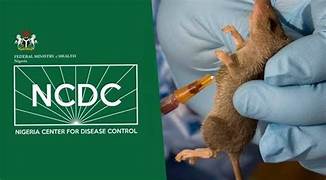
The Nigeria Centre for Disease Control and Prevention (NCDC) recorded 214 Lassa fever death between January to June this year.
The agency said that the Case Fatality Rate was climbing to 25.0 percent from 18.9 percent during the same period in 2025.
This is contained in the NCDC Lassa Fever Situation Report for Week 23 (June 1 to June 7).
Said the report: “New confirmed cases held steady in week 23, matching the count from week 22.“Infections were reported in Edo, Ondo, Bauchi and Ebonyi. No new healthcare worker infections were reported during the week.
“The outbreak has spread across 23 states and 109 Local Government Areas since January 2026,” it said.


16-Year-Old Osasere Okundaye Becomes Nigeria’s Youngest Chartered Accountant

JUST IN: Vigilante Groups Rescue Kidnapped NECO Students in Borno State

EFCC Charges Former Port Harcourt, Warri Refinery MDs with Money Laundering

Tech Expert, Zuckerberg trains with UFC champions, Adesanya, Alexander

Organ Trafficking: Ekweremadu bags 10 years in UK prison

SAINT OBI: Between his marriage and his death
-

 Crime3 days ago
BREAKING: JTF Rescues Five Kidnap Victims Along Benin-Ore Expressway
-

 News3 days ago
Lagos Urges Students to Lead Fight Against Sickle Cell Disorder
-

 News2 days ago
NDLEA, Army, NAFDAC, Agunechemba, Others Rally Against Drug Abuse in Anambra
-

 Business17 hours ago
Naira Exchange Rates Monday, 29 June 2026
-

 News3 days ago
DSS Releases, Compensates Man Wrongfully Held Over Boko Haram Links
-
 Health16 hours ago
WHO Confirms 1,300 deaths in Europe heatwaves
-

 Crime3 days ago
NDLEA Seizes 10,000kg Drugs, Convicts 173 in Niger
-

 News2 days ago
Sanwo-Olu Addresses PSP Operator’s Challenges , Announces Measures to Boost Waste Management (Photos)