
Business
How the Diaspora Is Shaping Real Estate Growth in Nigeria by Dennis Isong
Many Nigerians abroad also play a role in financing community development projects. Some pool resources with others to buy large parcels of land, build mini-estates, or even start property cooperatives.


A few years ago, a young Nigerian named Tunde moved to the United Kingdom to pursue a master’s degree in data analytics.
Like many Nigerians in the diaspora, he planned to work for a few years, save up, and return home someday to build something meaningful.
Years passed, and while he achieved career success abroad, he remained deeply connected to home through his family, friends, and memories.
One day, after a video call with his mother who mentioned how the family house in Lagos was falling apart, he decided to invest in a new property.
That simple decision opened his eyes to an entirely new world—the booming real estate opportunities in Nigeria being driven largely by people like him in the diaspora.Tunde’s story is not unique. Across Europe, North America, the Middle East, and even other parts of Africa, Nigerians abroad are becoming the backbone of property development back home.
In fact, this growing wave of diaspora investment is changing the face of Nigeria’s real estate industry.
It is fueling urban renewal, increasing property values, and inspiring developers to raise construction standards to meet global expectations.
This article explores how the diaspora is shaping real estate growth in Nigeria and why this influence continues to deepen each year.
1. A New Wave of Confidence: Trust Returns to Nigerian Real Estate
For years, one of the biggest obstacles Nigerians abroad faced when trying to buy property at home was trust.
Many had fallen victim to fraudulent agents, fake land titles, or uncompleted projects that drained their hard-earned savings.
This mistrust created hesitation, and for a long time, the diaspora community preferred to keep their money abroad.But in recent years, something has shifted. With the rise of credible real estate companies, transparent documentation processes, and digital innovations in property verification, the confidence level has soared.
Reputable developers now provide video updates, virtual tours, and even live streams of construction progress. Diaspora clients can inspect their homes in real time from thousands of miles away.
This restored trust is one of the main reasons how the diaspora is shaping real estate growth in Nigeria.
People who once swore never to invest again are now buying second and third properties.
Developers, in turn, are building better, smarter, and more secure homes to match the expectations of these overseas investors.For example, in Lagos—particularly areas like Lekki, Ajah, and Ibeju-Lekki—many estates are designed with foreign-based Nigerians in mind.
From modern architecture to advanced security systems and reliable estate management, the diaspora’s expectations are raising the bar for the entire industry.
2. The Power of Remittances and Its Ripple Effect
According to the World Bank, Nigeria receives billions of dollars annually in remittances from its diaspora population.
A growing portion of these funds now flows into real estate. Instead of just sending money for family upkeep or short-term projects, many Nigerians abroad are strategically investing in long-term assets like land and houses.
This financial shift has a ripple effect. Every property purchase from the diaspora supports jobs for architects, builders, artisans, agents, and legal professionals.
It fuels infrastructure development, boosts the economy, and encourages local banks to create mortgage products tailored for Nigerians living abroad.To understand how powerful this is, imagine an engineer living in Canada who buys a plot of land in Epe and builds rental apartments.
That one decision doesn’t just secure his financial future; it also provides work for local construction teams, artisans, and suppliers.
Over time, an entire community benefits.That’s the deeper reality behind how the diaspora is shaping real estate growth in Nigeria—it’s not only about individual ownership but also about the indirect growth it creates in the ecosystem.
Each investment contributes to employment, development, and local empowerment.Interestingly, many Nigerians in the diaspora are no longer just buying homes for themselves.
They are building rental apartments, short-let properties, and commercial spaces. The idea is no longer simply to “have a house at home” but to create income-generating assets that continue to appreciate in value.
This mindset shift is driving serious long-term growth in the sector.
3. Modern Taste, Global Standards, and Smart Living
Anyone who has visited new estates in Lagos, Abuja, or Port Harcourt recently would agree that the face of real estate in Nigeria is changing fast.
And a big reason for this transformation is the influence of diaspora investors.Diaspora Nigerians have been exposed to efficient housing systems, energy-saving technologies, smart home designs, and well-organized communities abroad.
They want the same standards back home, and developers are responding. Features like smart locks, solar panels, CCTV, motion sensors, and centralized waste systems—once rare in Nigeria—are becoming more common.
This modern taste explains how the diaspora is shaping real estate growth in Nigeria in a visible, physical way. Developers are no longer just building houses; they are building lifestyles. Estates are being designed with amenities like gyms, green parks, co-working spaces, and recreational centers.
The goal is to create communities that feel both Nigerian and international.In fact, some developers now specifically brand their projects as “diaspora-friendly estates.”
These developments often feature simplified documentation, flexible payment plans in foreign currencies, and legal guarantees to attract confidence from overseas buyers.
The result is a growing market where quality, comfort, and convenience go hand in hand.This evolution is not only changing how homes are built but also how they are marketed.
Online visibility, digital tours, and social media campaigns are now at the center of real estate marketing strategies because most of the target audience lives thousands of miles away.
4. Diaspora Investors and the New Urban Development Drive
When Nigerians abroad invest in property, they don’t just buy land—they ignite transformation in the communities around them.
This is one of the most powerful ways the diaspora is shaping real estate growth in Nigeria.Take Ibeju-Lekki for instance.
Just over a decade ago, the area was largely undeveloped and sparsely populated. But as more Nigerians abroad began to buy land there, the interest of local investors and developers grew too. Today, it is one of the fastest-growing real estate corridors in West Africa, home to the Lekki Free Trade Zone, Dangote Refinery, and numerous housing projects.
The same pattern is visible in parts of Ogun State, Abuja outskirts, and Enugu. Diaspora investments encourage urban expansion by creating demand where there used to be little or none. When land is bought, roads are built.
When roads come, electricity, schools, and shops follow. In this way, diaspora investments don’t just grow real estate—they grow cities.
Many Nigerians abroad also play a role in financing community development projects. Some pool resources with others to buy large parcels of land, build mini-estates, or even start property cooperatives.
This collective approach brings more professionalism into real estate, ensures transparency, and accelerates urban development.Interestingly, these developments often set new benchmarks for quality living.
The houses are better structured, the roads are properly laid, and there’s usually a plan for drainage, recreation, and green spaces.
All of these improvements contribute to a more organized and sustainable city structure.
5. The Emotional Connection and Future of Diaspora-Driven Real Estate
Beyond economics and technology, there’s something deeper driving this movement—the emotional connection. For many Nigerians abroad, owning property in Nigeria is not just a financial decision; it’s an emotional homecoming. It’s a way of saying, “I still belong here.”
The nostalgia of returning home for holidays and sleeping in your own house instead of a hotel is powerful. For some, it’s about providing comfort for aging parents.
For others, it’s about ensuring their children maintain a tangible connection to their roots.This emotional attachment explains why the diaspora is not just investing in houses but in homes—places that carry meaning and memory.
Developers who understand this emotional aspect are winning the trust of diaspora clients faster.
They go beyond selling land; they help people reconnect to where their story began.Looking ahead, the influence of the diaspora on Nigeria’s real estate market will only grow stronger.
Several trends are already shaping the future:Digital property transactions: More companies now allow buyers to complete the entire purchase process online, from viewing to payment and documentation.Joint ventures and co-ownership:
Dennis Isong is a TOP REALTOR IN LAGOS. He Helps Nigerians in Diaspora to Own Property In Lagos Nigeria STRESS-FREE.
Nigerians abroad are teaming up with locals to co-own property developments, reducing risks and maximizing returns.
Sustainable housing: The diaspora’s exposure to eco-friendly living is pushing developers to adopt greener designs, solar systems, and water recycling technologies.
All these trends point toward a more advanced, transparent, and investor-friendly real estate landscape.
Conclusion: The Diaspora as Builders of Tomorrow
When you step back and look at the big picture, it becomes clear that how the diaspora is shaping real estate growth in Nigeria goes beyond money or luxury homes.
It’s a story of reconnection, transformation, and progress. Every property bought from abroad represents faith in the future of Nigeria.
It is a declaration that home is still home, no matter how far away one lives.The diaspora community is helping redefine the meaning of development.
They are setting higher standards for builders, introducing modern tastes, fueling urban expansion, and reviving the sense of trust that was once missing in the sector. They are not just buying houses—they are building the next generation of Nigerian cities.
Just like Tunde, who now owns multiple properties in Lagos, many other Nigerians in the diaspora are realizing that investing in real estate back home is not just about owning property—it’s about contributing to the country’s growth story.
And as this movement continues, one thing is certain: the Nigerian real estate industry will never be the same again.
Dennis Isong is a TOP REALTOR IN LAGOS. He Helps Nigerians in Diaspora to Own Property In Lagos Nigeria STRESS-FREE.
For Questions WhatsApp/Call +2348164741041
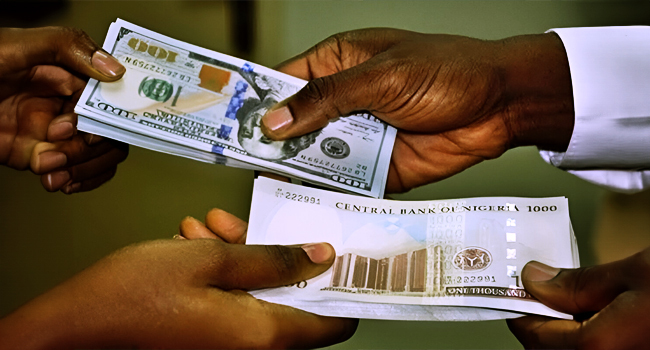
BLACK MARKET RATES
US DOLLAR (USD) Buy ₦1, 397 Sell ₦1,405
GREAT BRITISH POUND (GBP) Buy ₦1,850 Sell: ₦1,865
EURO (EUR) Buy ₦1, 580 Sell ₦1,600
CANADIAN DOLLAR (CAD) Buy ₦1,030 Sell ₦1,100
SOUTH AFRICAN RAND (ZAR) Buy ₦75 Sell ₦90
UAE DIRHAM Buy ₦350 Sell ₦370
CHINESE YUAN Buy ₦180 Sell ₦200
GHANA CEDI (GHS) Buy ₦95 Sell ₦110
WEST AFRICAN CFA Buy ₦2, 380 Sell ₦2, 460
CENTRAL AFRICAN CFA Buy ₦2, 220 Sell 2,300
AUSTRALIAN DOLLAR Buy ₦800 Sell ₦900
CBN OFFICIAL EXCHANGE RATES
US DOLLAR (USD) ₦1,370.15
GREAT BRITISH POUND (GBP) ₦1,832.17
EURO (EUR) ₦1,568.28
SWISS FRANC (CHF) ₦1,1705.44
JAPANESE YEN (JPN) ₦8. 51
CHINESE YUAN (CNY) ₦201. 80
WEST AFRICAN CFA (XOF) ₦2.38
WEST AFRICAN UNIT ACCOUNT (WAUA) ₦1,859. 98
SAUDI RIYAL (SAR) ₦364.91
SOUTH AFRICAN RAND (ZAR) ₦84. 32
The Presidency says the bodies allegedly used by Adeyemi—including the so-called Presidential Economic Advisory Council, Presidential Foreign Investment Promotion Council, and Presidential Foreign Intervention Promotion Council—do not exist as government agencies.
The Presidency says a man identified as Prince Adeniyi Adeyemi Matthew allegedly created and operated fake government agencies, forged appointment letters, and falsely claimed to have been appointed by Femi Gbajabiamila.
According to the statement:
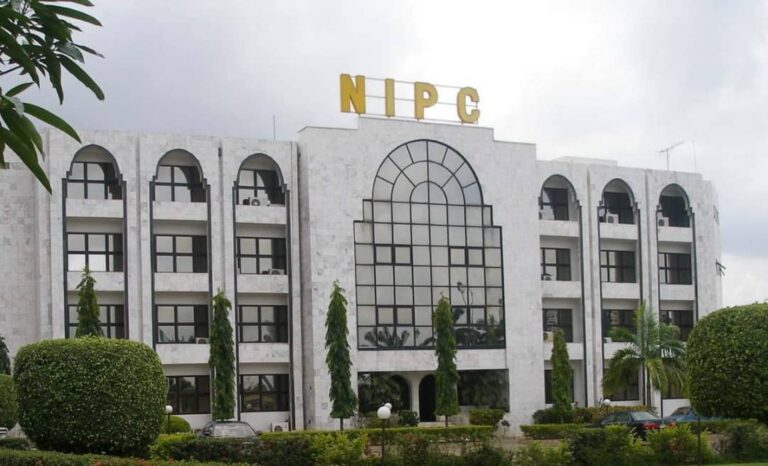
The Office of the Chief of Staff discovered the alleged scheme after complaints from the Nigerian Investment Promotion Commission (NIPC) that an unauthorized body was operating in a way that conflicted with its functions.
The Chief of Staff petitioned the Department of State Services and the Nigeria Police Force in October 2025 to investigate alleged forged appointment letters.
The Presidency says the bodies allegedly used by Adeyemi—including the so-called Presidential Economic Advisory Council, Presidential Foreign Investment Promotion Council, and Presidential Foreign Intervention Promotion Council—do not exist as government agencies.
Investigators allege Adeyemi operated from an office in the Federal Secretariat Complex, held meetings with diplomats, and sought diplomatic support to obtain U.S. visas for members of the alleged organization.
Police reportedly recovered forged documents and other exhibits during searches of his office and residence.
The investigation allegedly found that Adeyemi operated 34 bank accounts, including several in the names of fictitious organizations, and used forged documents to open a Central Bank of Nigeria account.
The Presidency says no government funds were paid into that account.
Police charged Adeyemi and two others before the Federal High Court on multiple counts, including forgery, impersonation, and obtaining by false pretence. The case is scheduled for hearing on July 27.
The Presidency also denied claims that Gbajabiamila appointed Adeyemi, stating that appointments to federal offices are issued through the Office of the Secretary to the Government of the Federation, not the Office of the Chief of Staff.
Current status
The Presidency maintains that:
the agencies in question are fictitious,
the appointment letter was forged,
Adeyemi is an impostor,
and the allegations against him should be resolved by the court.
As the case is pending before the court, the allegations remain subject to judicial determination.
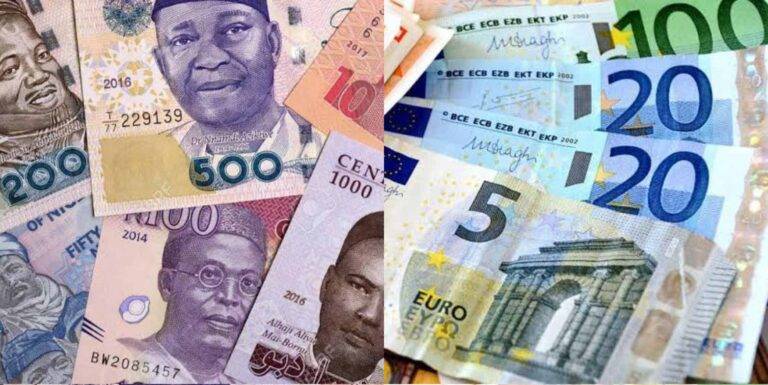
BLACK MARKET RATES
US DOLLAR (USD) Buy ₦1, 395 Sell ₦1, 403
GREAT BRITISH POUND (GBP) Buy ₦1,845 Sell: ₦1,865
EURO (EUR) Buy ₦1, 585 Sell ₦1,600
CANADIAN DOLLAR (CAD) Buy ₦1,030 Sell ₦1,100
SOUTH AFRICAN RAND (ZAR) Buy ₦75 Sell ₦90
UAE DIRHAM Buy ₦350 Sell ₦370CHINESE YUAN Buy ₦180 Sell ₦200
GHANA CEDI (GHS) Buy ₦95 Sell ₦110
WEST AFRICAN CFA Buy ₦2, 380 Sell ₦2, 460
CENTRAL AFRICAN CFA Buy ₦2, 220 Sell 2,300
AUSTRALIAN DOLLAR Buy ₦800 Sell ₦900
CBN OFFICIAL EXCHANGE RATES
US DOLLAR (USD) ₦1,372.41
GREAT BRITISH POUND (GBP) ₦1,821.73
EURO (EUR) ₦1,565.37
SWISS FRANC (CHF) ₦1,695.42
JAPANESE YEN (JPN) ₦8.45
CHINESE YUAN (CNY) ₦201.98
WEST AFRICAN CFA (XOF) ₦2.40
WEST AFRICAN UNITACCOUNT (WAUA) ₦1,870. 31
SAUDI RIYAL (SAR) ₦365.45
SOUTH AFRICAN RAND (ZAR) ₦83.80


FG slams 8-count charges on Adeyemi over fake agency ” I’m not a criminal”, he defends

NDC calls for Gbajabiamila sack over fake agency scandal

US ends military operations in Nigeria, withdraws 200 soldiers

Tech Expert, Zuckerberg trains with UFC champions, Adesanya, Alexander

Organ Trafficking: Ekweremadu bags 10 years in UK prison

SAINT OBI: Between his marriage and his death
-

 Business2 days ago
BOI names Kuramo Capital Fund Manager for $170.6m iDICE
-

 News2 days ago
Nigeria’s data centers worth $2bn
-
 Sports2 days ago
Two Dead In World Cup Celebrations In Mexico City
-

 News2 days ago
Tinubu to Send Off Team Nigeria to 2026 Commonwealth Games Thursday
-

 International3 days ago
HAPPENING NOW: Shops, businesses shut as protesters gather in South Africa over xenophobia
-

 International2 days ago
South Africa Anti-Immigration Peaceful Protests To Continue Weekly Till Demands Are Met
-
 Business2 days ago
DisCos earn N801bn in four months despite persistent blackouts
-
 Business2 days ago
FG Moves to Sheild Pig Industry from Deadly Swine Fever