
Business
Dangote Assures Steady Petrol, diesel Supply

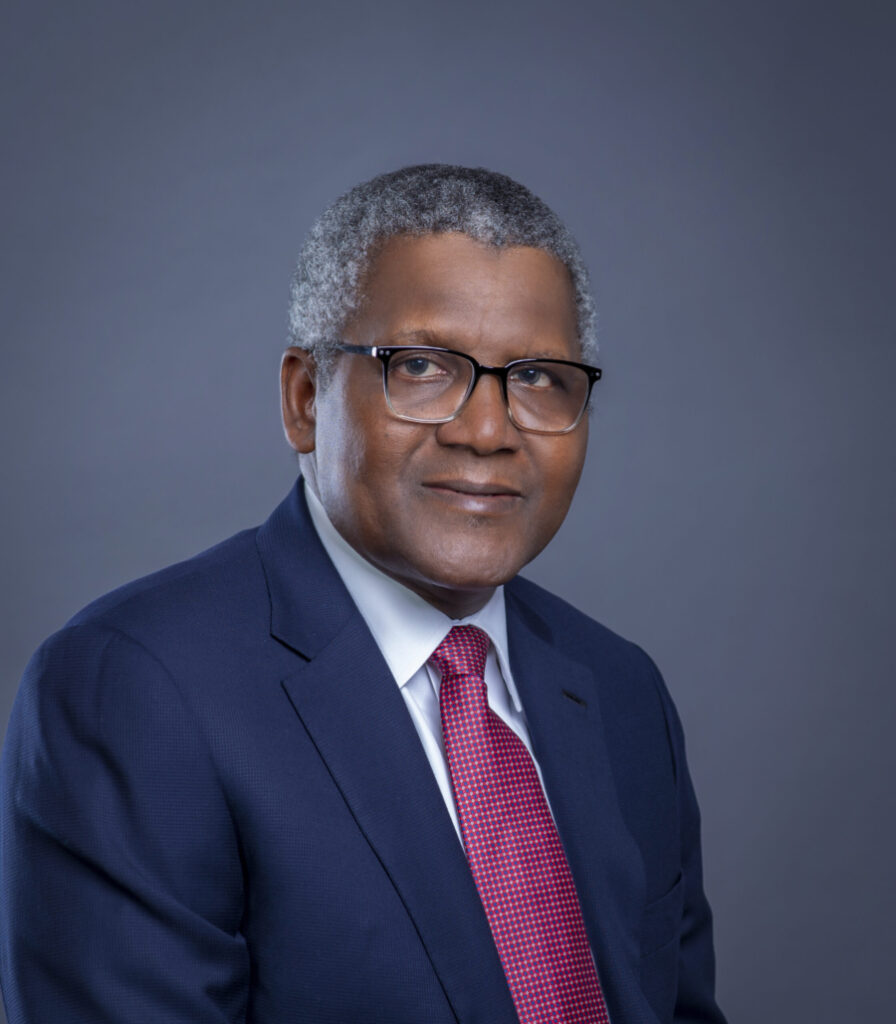
Dangote Petroleum Refinery has reaffirmed its commitment to ensuring steady and uninterrupted supply of Premium Motor Spirit (PMS) and Automotive Gas Oil (diesel) nationwide, with a daily production capacity exceeding the domestic demand.
Speaking on the development, Group Chief Branding and Communications Officer, Dangote Industries Limited, Anthony Chiejina, said the refinery’s operations are driven by the company’s dedication to supporting national energy stability and consumer confidence.
“Our refinery is currently loading over 45 million litres of PMS and 25 million litres of diesel daily which exceeds Nigeria’s demand,” Mr Chiejina said. “We are working collaboratively with regulatory agencies and distribution partners to guarantee efficient nationwide delivery. Dangote remains steadfast in its commitment to meeting the energy needs of Nigerians. This significant production capacity not only guarantees local supply but also enhances energy security and reduces dependence on imports.”
He noted that improved local production of petroleum products has helped stabilise the exchange rate and strengthen the naira.
“We have reduced foreign exchange outflows and increased inflows, which in turn supports the naira and strengthens the economy,” he added.
He further explained that it would be unpatriotic for anyone to criticise the recently announced tariff, which, according to him, is a good start. He emphasised that the tariff is designed to protect domestic industries from unfair competition and safeguard local production.
“Dumping engenders poverty, discourages industrialisation, creates unemployment and leads to revenue loss for the government. Across the world, nations protect their local manufacturers and industries from the threat of dumping. Dumping destroyed our textile industry, which was once a major employer of labour and creator of wealth,” he said.
He noted that beyond the tariff, the government should strengthen its monitoring and enforcement mechanisms to prevent the dumping of substandard and toxic petroleum products by unscrupulous and rent-seeking individuals who prioritise profiteering at the expense of Nigerians, often undermining well-intentioned government policies for their selfish interests.
He added that the prevalence of dumping in past years discouraged investors from establishing industries in Nigeria, as imported products flooded the market at unsustainable prices, undermining local production. The new tariff policy, he noted, would benefit local refiners and encourage fresh investments in the downstream oil sector, thereby strengthening Nigeria’s industrial base and creating more jobs.
He commended the foresight of President Bola Ahmed Tinubu for approving the tariff policy aimed at strengthening and transforming Nigeria’s downstream oil and gas sector. He noted that the decision reflects the administration’s commitment to creating a stable, business-friendly environment that supports local investment and enhances energy security.
“President Bola Ahmed Tinubu continues to embody courageous and visionary leadership, renewing the hope of Nigerians and restoring investor confidence in the nation’s economy. His administration’s bold and business-friendly reforms are reshaping the downstream oil and gas sector, unlocking new opportunities for industrial growth and national prosperity. The latest policy initiative stands as a testament to his foresight — one of the most transformative steps yet toward securing Nigeria’s energy future and empowering local industries to thrive,” he said
He warned that failure to protect local industries could lead to large-scale dumping from countries in Asia and Europe with excess production capacity. Such practices, he said, would strangulate domestic refineries, cripple allied industries, and undermine the laudable policies of President Bola Tinubu’s administration aimed at promoting industrial growth and economic stability.
Chiejina urged rent-seekers to reconsider their business practices and align with the Federal Government’s vision for a self-sustaining energy sector, rather than promoting the dumping of petroleum products in Nigeria. He emphasised the need for a collective sense of patriotism and responsibility among industry stakeholders, noting that national progress can only be achieved through shared commitment to policies that strengthen local industries and protect the economy.
Equipped with advanced technology and extensive infrastructure, the refinery is expected to significantly eliminate reliance on fuel imports, enhance supply chain stability, and alleviate pressure on foreign exchange reserves.
President of Dangote Industries Limited, Aliko Dangote, recently assured Nigerians that the prices of petrol will not be hiked during the ember months, despite recent global price increases. “I want to assure Nigerians that the Dangote Refinery is fully committed to maintaining an uninterrupted supply of petrol throughout the festive period. Nigerians can look forward to a Christmas and New Year free of fuel anxiety.”
Since commencing petrol production in September 2024, Dangote Petroleum Refinery has played a pivotal role in ensuring price stability, reducing the cost of petrol, aimed at stabilising the market and easing the burden on consumers. It has also eliminated the recurring fuel scarcity and long queues at filling stations that Nigeria often experienced, particularly during festive periods.
He noted that the average price of Premium Motor Spirit (PMS) in September 2024 was about N1,030 per litre, compared to an average of N841–N851 per litre in September 2025, following the implementation of the Dangote Refinery’s Direct Delivery Scheme.
Similarly, as of September 2024, the pump price of Automotive Gas Oil (AGO) ranged between N1,400 and N1,700 per litre, depending on the state, with prices reaching up to N1,700 in most northern states. By September 2025, however, the average price had dropped significantly to around N1,020 per litre, reflecting the refinery’s impact on stabilising the market and reducing logistics costs.
In comparison, petrol prices in neighbouring West African countries range between $1.20 and $2.00 per litre, while the average price in Nigeria remains around $0.60 per litre, a clear indication of the refinery’s profound impact on affordability and supply stability.







Business
BREAKING: Uber winds down operations in Nigeria, effective September 2
“Since we first launched in Lagos in 2014, it has been an absolute privilege to be a part of your daily life connecting you with independent transportation providers.”


• An Uber driver at work
Ride-hailing company, Uber, has shut down its operations in Nigeria.
In a statement, the company, which came into Nigeria in 2014, said its exit is effective from September 2, 2026.
“After a thorough review, we have taken the difficult decision to wind down operations in Nigeria, effective September 2, 2026.”
“Since we first launched in Lagos in 2014, it has been an absolute privilege to be a part of your daily life connecting you with independent transportation providers.
“Whether it was a morning commute, a ride to see loved ones, or exploring the city, thank you for trusting the platform to connect you to a driver to get you there safely. We know this may cause disruption to your routine, and we sincerely apologize for the inconvenience.”
Uber said said its plan is to support drivers, riders and local team members through the transition.
Business
Allawee shutting down operations by December 1, warns customers must withdraw by November 30
Allawee warned that payments sent to its account numbers from December 1, 2026 will fail, while its cards will also stop working, regardless of the expiry dates printed on them.

• Allawee logo
Nigerian card-issuing fintech Allawee is shutting down its business and personal account services from December 1, 2026.
This follows its acquisition by Pay Stack.
Accordingly, customers have been given until November 30 to withdraw their funds and make alternative arrangements.
The company disclosed the decision in emails sent to customers, according to TechCabal, explaining that its technology now operates within Paystack following the latter’s acquisition of Allawee in 2025.
Allawee warned that payments sent to its account numbers from December 1, 2026 will fail, while its cards will also stop working, regardless of the expiry dates printed on them.
Customers have been advised to withdraw their balances before the deadline, provide new bank details to people or businesses that regularly pay them, and replace saved Allawee card information on subscriptions and other recurring payments.Allawee said customers would not lose their money because of the shutdown. “Your money will remain yours,” the company said.
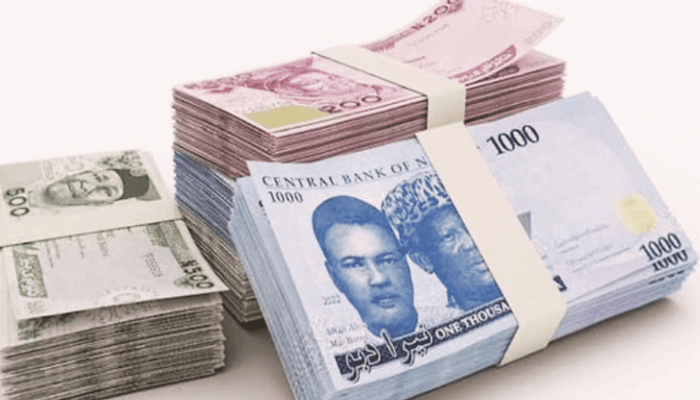
BLACK MARKET RATES
US Dollar (USD) ₦1,400
Great British Pound(GBP) ₦1,890
EURO (EUR) ₦1,580
Canadian Dollar (CAD) ₦1,020
South African Rand (ZAR) ₦75
Ghana CEDI (GHS) ₦95
West African CFA Buy ₦2, 300
CENTRAL AFRICAN CFA Buy ₦2,150
CBN Exchange Rates
US Dollar (USD) ₦1,329.43
Great British Pound (GBP) ₦1,800.18
EURO (EUR) ₦1,542. 01
Swiss Franc (CHF) ₦1,637.63
Chinese Yuan (CNY) ₦197.79
Japanese Yen (Yen) ₦8.31
West African CFA (XOF) ₦2.36
West African Unit Account (WAUA) ₦1,823.95
Saudi Riyal (SAR) ₦354.08 South African Rand (ZAR) ₦82.47


China -Egypt lubricate over 70 years trade, diplomatic relation

BREAKING: Uber winds down operations in Nigeria, effective September 2

Eko Electricity blames Lekki-Ajah power outages on feeders disruption

Tech Expert, Zuckerberg trains with UFC champions, Adesanya, Alexander

Organ Trafficking: Ekweremadu bags 10 years in UK prison

SAINT OBI: Between his marriage and his death
-

 Business2 days ago
Naira Exchange Rates Today, Monday August 31
-
 Business2 days ago
PZ Cussons Reports N45.2bn PAT, Proposes N2.50 Dividend
-

 News2 days ago
JAMB introducing facial scan to catch UTME impersonators
-

 Business1 day ago
Commercial Banks Borrowing From CBN Drops By 89% in August
-
 Business2 days ago
Emzor Pharma raises N26.7bn bond to boost local drug manufacturing
-

 Entertainment2 days ago
Dolly Parton Buried By Husband’s Grave In Private Cemetry
-

 Politics2 days ago
G100 Opposition Summit Proposes Single 4-year Term
-

 Business2 days ago
Nigeria’s GDP grew 4.43% in Q2 2026, says NBS