
News
Africa’ Voice At The UNGA: Does It Resonate Globally ?

By Emeka Monye
As the United Nations General Assembly (UNGA) convenes at its headquarters in New York, world leaders gather to address pressing global issues, including climate change, conflict in the Middle East, hunger, the Palestinian crisis, and the implications of artificial intelligence.
These topics dominate the discourse, setting the stage for discussions that shape the future of international relations.
However, amidst the high-level talks and diplomatic maneuvering, a glaring paradox emerges: Africa, a continent of immense cultural, economic, and geopolitical significance, remains curiously peripheral to the global conversation.
The UNGA is a premier platform for world leaders to voice their perspectives and shape global policies.
Yet, when African leaders take the podium, the conference hall often appears half-empty, a stark contrast to the packed audiences that gather when their Western or Asian counterparts speak.
This disparity is more than just a visual observation; it reflects a deeper issue—the persistent marginalization of Africa in global affairs.
The UNGA prides itself on being a forum where all member states have an equal voice.
In theory, every nation, regardless of size or economic power, has the opportunity to contribute to global decision-making. However, reality tells a different story.
The most influential voices at the UNGA often belong to powerful nations like the United States, China, Russia, France, Japan, and Germany.
These countries not only set the agenda but also dictate the pace and direction of the discussions.
Their interests, priorities, and perspectives dominate the conversation, while the concerns of smaller or less economically powerful nations, particularly those in Africa, are frequently sidelined.
This dynamic raises a critical question: Does Africa really matter in world affairs?
Despite its vast natural resources, growing economies, and significant cultural influence, Africa’s role in shaping global policies remains limited.
African leaders may deliver impassioned speeches at the UNGA, but their words often fall on deaf ears.
The decisions made by global powers frequently disregard Africa’s interests, whether in matters of trade, security, or development.
Several factors contribute to Africa’s marginalization in global affairs. One major challenge is the continent’s fragmented political landscape.
Unlike the European Union, which speaks with a unified voice on many global issues, Africa’s 54 countries often have divergent interests and priorities.
This lack of unity weakens the continent’s collective bargaining power on the world stage.Another challenge is economic dependency.
Many African countries rely heavily on foreign aid, loans, and investment from Western nations and international financial institutions like the World Bank and the International Monetary Fund (IMF).
This dependency limits their ability to assert their interests independently and reduces their leverage in global negotiations.
Additionally, Africa’s potential is often overshadowed by narratives of poverty, conflict, and underdevelopment. While these issues are undeniably significant challenges, they do not define the entirety of Africa’s story.
The continent is home to vibrant economies, innovative entrepreneurs, and a youthful population that could drive global change.
Yet, these positive narratives rarely capture the attention of the international community in the same way that crises do.
Despite these challenges, there are opportunities for Africa to assert its influence on the global stage. One potential pathway is through regional integration and cooperation.
The African Continental Free Trade Area (AfCFTA), for example, aims to create a single, unified market for Africa, boosting intra-continental trade and economic growth.
By working together, African nations can strengthen their economic power and increase their bargaining position in global affairs.
Another avenue for change is through strategic partnerships. Africa can build alliances with emerging powers in the Global South, such as Brazil, India, and Southeast Asian nations, to amplify its voice on issues like climate justice, debt relief, and sustainable development.
These partnerships can help Africa play a more proactive role in shaping global policies that affect its interests.
For Africa to matter more in world affairs, both African leaders and the international community must rethink their approaches.
African leaders need to prioritize unity, economic self-reliance, and strategic engagement with global partners.
At the same time, the international community must recognize Africa’s potential and value its contributions to solving global challenges.
The UNGA provides a platform for this reimagining. By giving Africa a seat at the table—and not just a token seat but a meaningful one—world leaders can tap into the continent’s vast resources and perspectives.
Africa’s youthful population, entrepreneurial spirit, and cultural dynamism are assets that can drive global innovation and progress.
In conclusion, while Africa may currently occupy a peripheral role in global affairs, there is immense potential for change.
By working together, building strategic partnerships, and asserting its interests more forcefully, Africa can become a more influential player on the world stage.
The question is not whether Africa matters; it is how Africa can matter more.
The answer lies in the hands of African leaders and its global partners.
Emeka Monye Is A Journalist




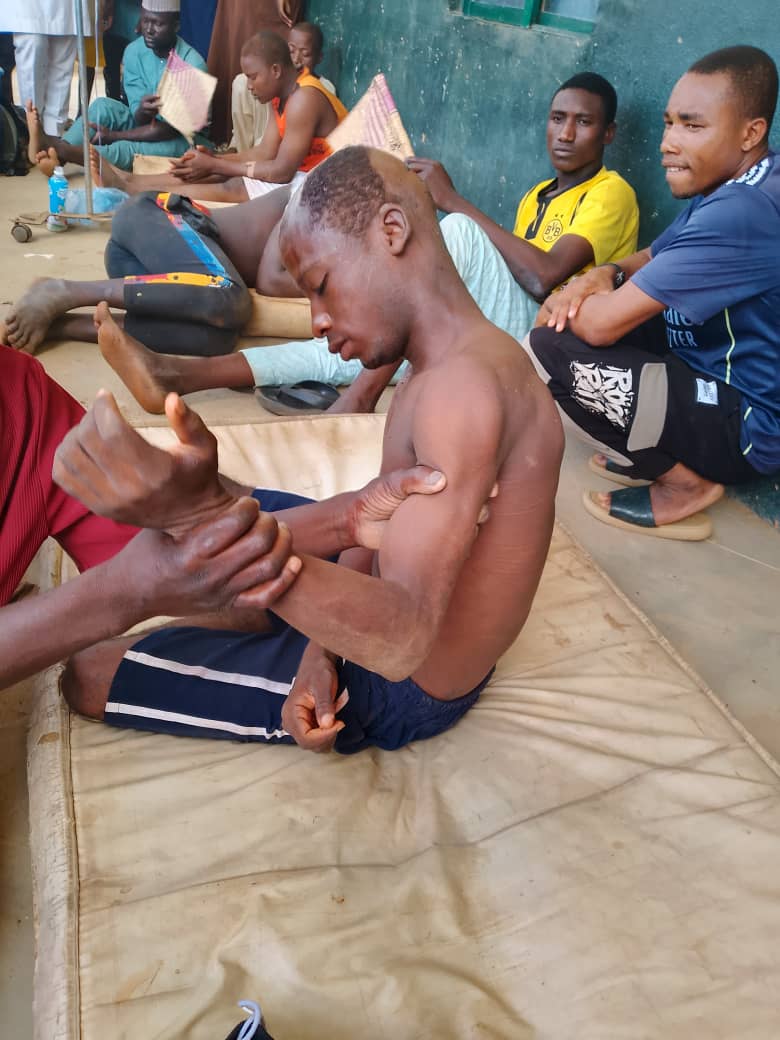
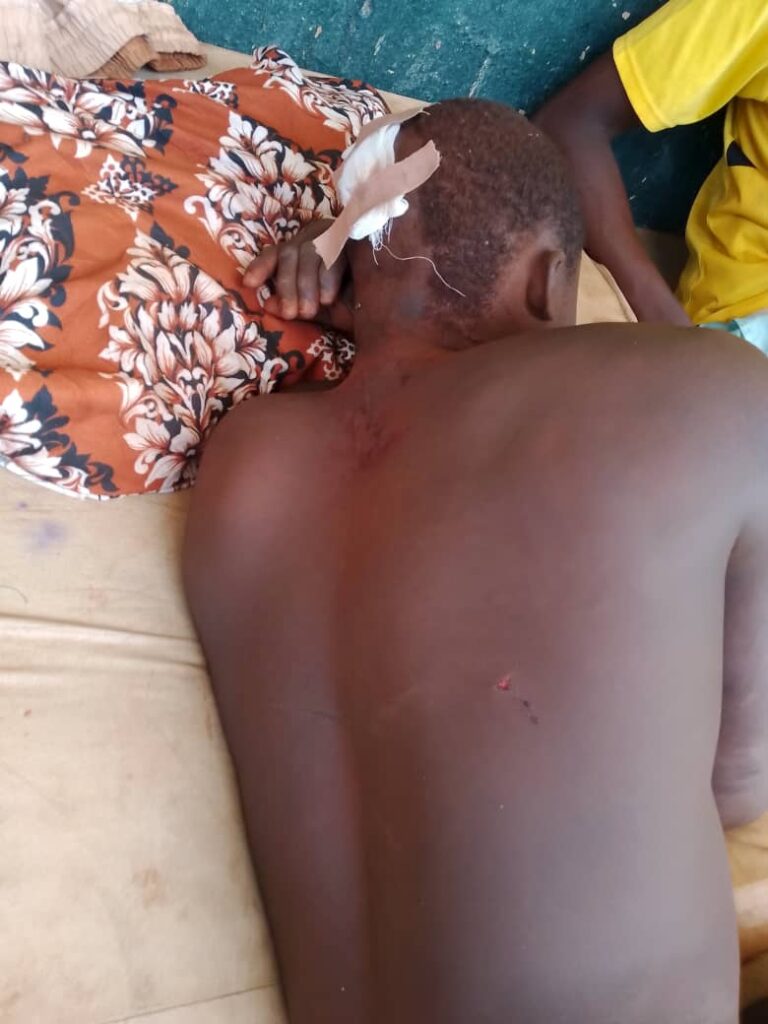
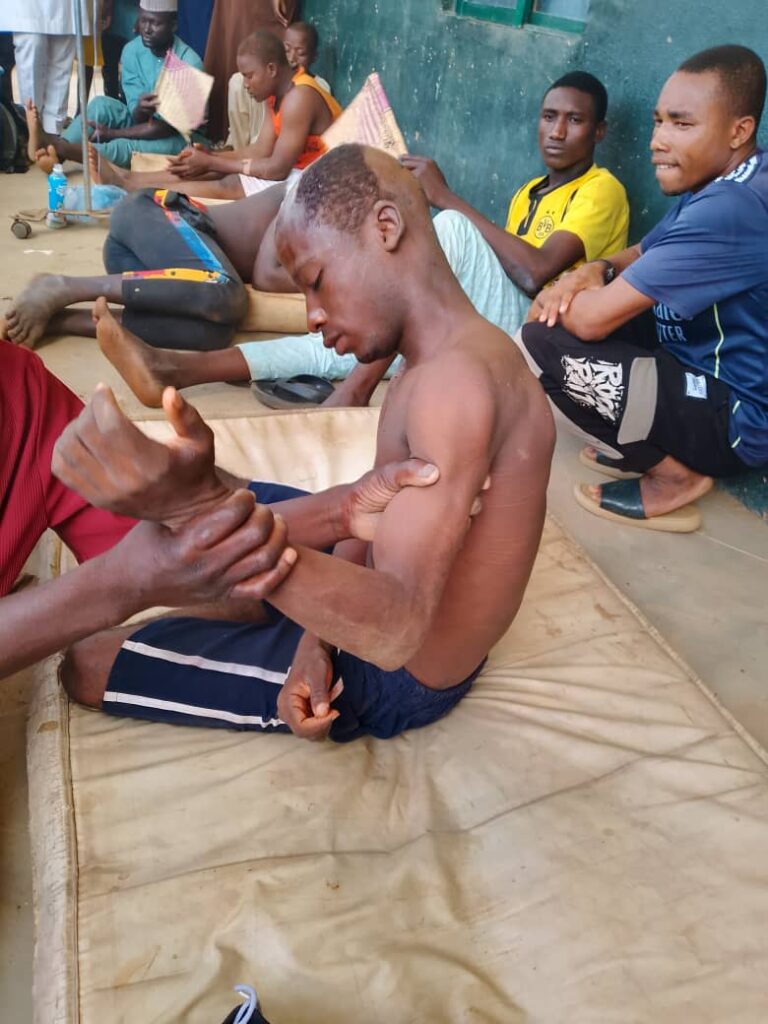
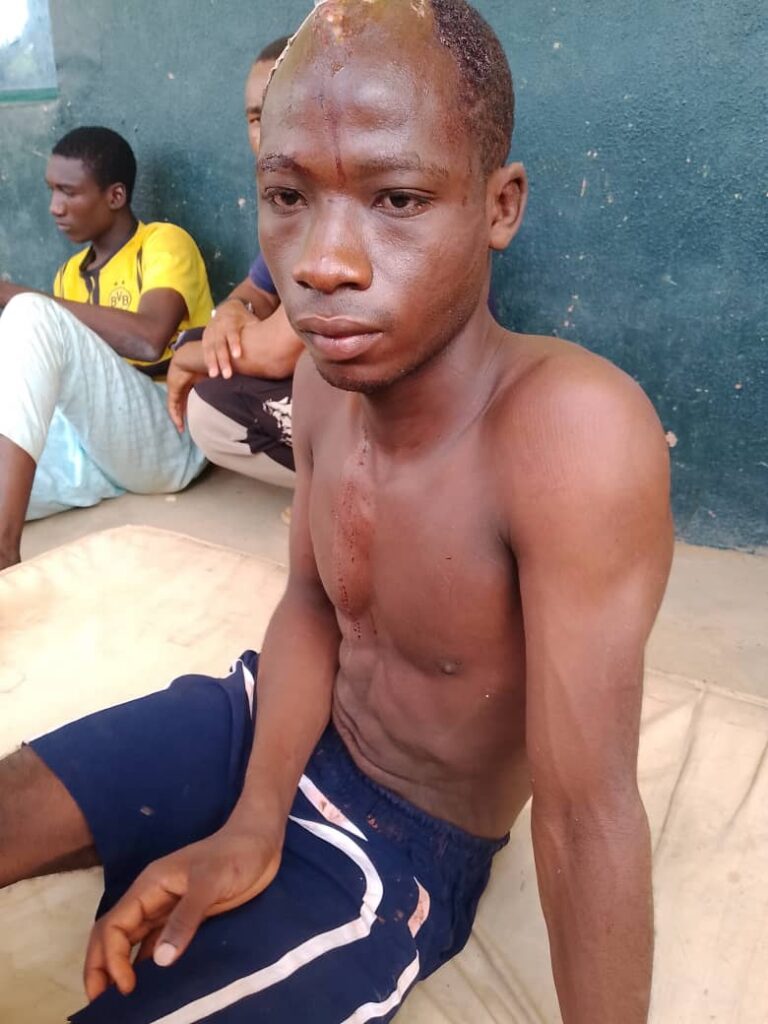
An Improvised Explosive Device (IED) exploded on the Anka-Bagega road on Tuesday, killing one person and injuring seven others.
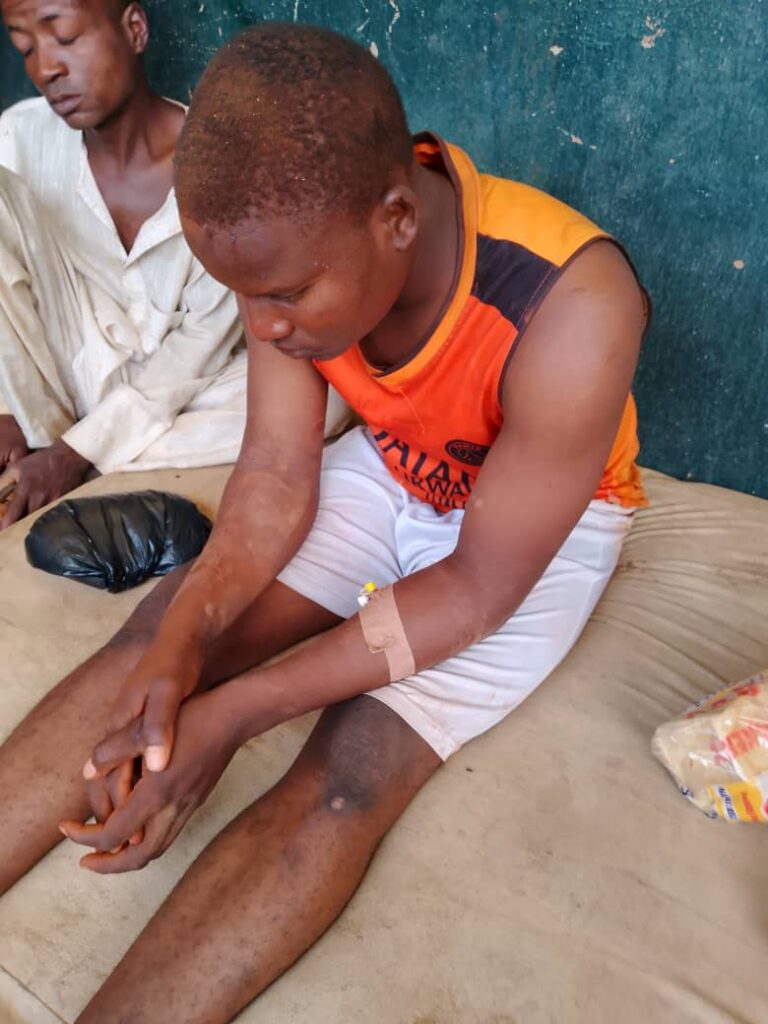
The blast struck a commercial Volkswagen Golf 3 Wagon carrying passengers travelling from Bagega village to Anka town. One passenger died on the spot, while the seven injured victims are receiving treatment at a primary healthcare facility in Bagega.
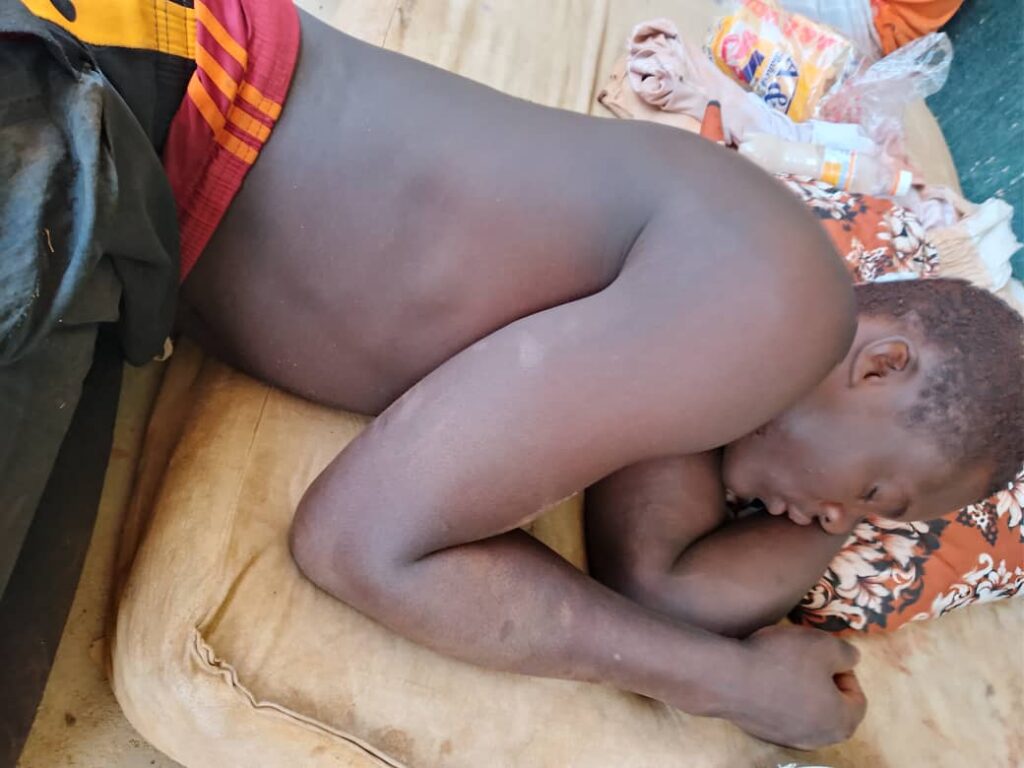
The explosion also caused significant damage to the vehicle, sparking fresh security concerns among commuters using the route.
This incident comes barely a month after a similar IED explosion occurred along the same road.
Zamfara State Commissioner of Police, Ahmad Bello, confirmed the attack. He said joint security forces have been deployed to assess the situation, clear the affected area, and restore normalcy on the route.
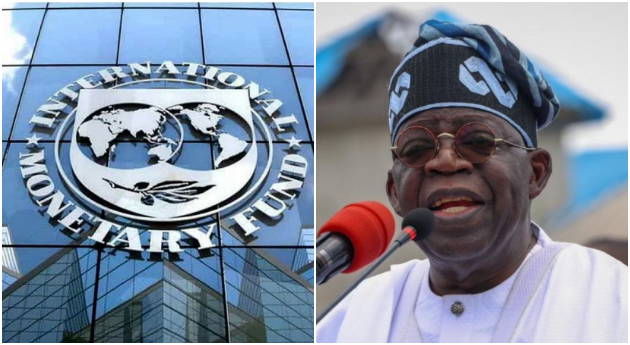
The Federal Government has welcomed the International Monetary Fund’s (IMF) 2026 Article IV Mission Concluding Statement, describing it as an independent validation of the success of President Bola Ahmed Tinubu’s economic reform programme.
In a statement, the government noted the IMF’s overall positive assessment, saying the Fund’s observations confirm that the bold reforms implemented over the past three years are strengthening macroeconomic stability, restoring investor confidence, and laying a solid foundation for sustainable and inclusive growth.
The IMF highlighted several key achievements, including improved functioning of the foreign exchange market, stronger external buffers, ongoing fiscal and revenue reforms, and resilience in the banking sector. These developments, the government said, have enhanced Nigeria’s ability to withstand external shocks compared to recent years.
Particular emphasis was placed on the impact of major policy decisions such as the removal of fuel subsidies, the end of deficit monetisation, the liberalisation of the foreign exchange market, and strengthened fiscal discipline. According to the statement, these measures have significantly reduced economic vulnerabilities and rebuilt confidence.
Despite new global challenges arising from the Middle East conflict — including higher energy and food prices, tighter financial conditions, and supply chain disruptions — the IMF acknowledged Nigeria’s notable resilience. The parallel market premium has remained below five percent, sovereign spreads have stayed broadly stable, and investor confidence has been preserved.
The Fund also noted that Nigeria is well positioned to benefit from elevated energy prices through increased export earnings, improved fiscal revenues, and higher foreign exchange inflows. The government said it will focus on translating these opportunities into lasting gains by ramping up crude oil production, expanding domestic refining capacity, boosting gas production and exports, and attracting fresh investments across the energy sector.
Addressing Poverty and Food Insecurity
The government acknowledged the IMF’s observation that poverty and food insecurity remain pressing challenges. While per capita income grew by nearly 10 percent in 2025, indicating a marked reduction in poverty levels, authorities stressed that macroeconomic stability alone is not enough.
To ensure inclusive growth, the government is strengthening social protection programmes, including direct cash transfers to vulnerable households, support for small businesses, student loans through NELFUND, consumer credit schemes, and healthcare investments.
In the agricultural sector, efforts are being scaled up through the Renewed Hope National Agricultural Mechanisation Programme and other initiatives aimed at boosting productivity, expanding irrigation, improving access to inputs and financing, and strengthening food security.
The government also welcomed the IMF’s recognition of progress in domestic revenue mobilisation and public financial management. It pledged to continue implementing new tax laws, digitising revenue collection, and improving transparency and accountability. Steps are already being taken to enhance fiscal data integrity and meet the highest international standards in economic and fiscal statistics.
Positive Medium-Term Outlook
The IMF projects continued economic growth above four percent over the medium term, alongside improving external reserves, rising investment, and stronger fiscal revenues. Public debt has declined as a percentage of GDP, while reserve buffers have strengthened significantly. These positive developments complement recent sovereign credit rating upgrades by international agencies.
The Federal Government reaffirmed its commitment to maintaining macroeconomic stability, accelerating inclusive growth, deepening structural reforms, improving the investment climate, expanding infrastructure, and enhancing human capital development and job creation.
“While challenges remain, the direction is clear and the foundations are stronger,” the statement said. “The ultimate objective of these reforms is not merely improved economic indicators, but better outcomes for all Nigerians — lower inflation, decent jobs, higher incomes, greater economic opportunity, and a better quality of life.
News
Nigerian labour leader dies while attending Geneva conference
A member of the Nigeria Civil Service Union (NCSU), Adeleke served as Chairman of the Lagos State Joint Negotiating Council, where he was involved in labour-related advocacy and workers’ welfare initiatives.

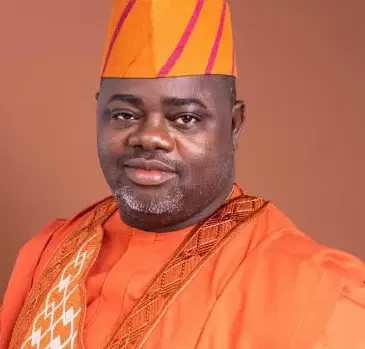
•Michael Adeleke
A Nigerian labour leader Domingo Michael Adeleke died today in Geneva, Switzerland, while attending the 114th Session of the International Labour Conference (ILC).
The Nigeria Labour Congress (NLC), confirmed the development this morning in a statement, saying that Adeleke was the Chairman of the Lagos State Joint Negotiating Council (JNC) of the union.
According to the statement, Adeleke was in Switzerland as part of Nigeria’s delegation to the conference when he reportedly became ill and was later taken for medical attention. He subsequently passed away.
A member of the Nigeria Civil Service Union (NCSU), Adeleke served as Chairman of the Lagos State Joint Negotiating Council, where he was involved in labour-related advocacy and workers’ welfare initiatives.


JUST IN: IED Explosion Kills One, Injures Seven on Anka-Bagega Road in Zamfara ( Photos)

FG Welcomes Positive IMF Assessment of Nigeria’s Economy, Vows to Sustain Reform Momentum

Tony Elumelu’s United Capital Secures approval to operate in Ethiopia

Tech Expert, Zuckerberg trains with UFC champions, Adesanya, Alexander

Organ Trafficking: Ekweremadu bags 10 years in UK prison

SAINT OBI: Between his marriage and his death
-
 News2 days ago
Court Voids ₦110bn N’Assembly Vehicles, Allowances
-
 Business2 days ago
Senate’s approval of Sugar – Sweetened Beverages Tax Bill, Shocking, says CPPE, Lobbying Reps for rejection
-
 News2 days ago
Court Declares National Assembly’s N110bn SUV and Allowance Schemes Unlawful
-
 News2 days ago
FG Clears Five-Month Allowance Arrears for University Lecturers
-

 News2 days ago
Lagos Begins 500-Tree Campaign to Tackle Extreme Heat
-

 Politics1 day ago
2027: Lagos APC picks Damilola as Hamzat ‘s Deputy Governor
-
 Politics2 days ago
NDC Declares Party Supremacy, Approves Code of Conduct Committee
-

 Entertainment2 days ago
Nigerian-British Singer Talay Riley Dies in London Stabbing, Others Mourn