
Business
CBN to keep Dormant Accounts Money in UBTF for investing in TBs
Justifying this move, the Governor of the Central Bank of Nigeria, Olayemi Cardoso, said that monies in dormant accounts in banks are susceptible to fraud.

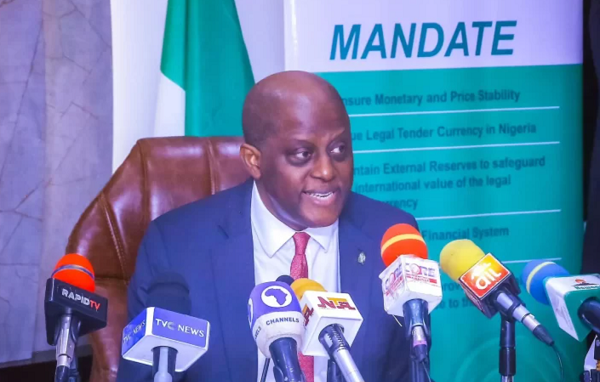
The CBN Governor, Olayemi Cardoso says that the monies in dormant accounts and unclaimed balances with banks for at least 10 years will be warehoused in a dedicated account known as the Unclaimed Balances Trust Fund Pool Account (UBTF).
According to the Nigeria Inter-Bank Settlement System, the number of dormant bank accounts in Nigeria is over 19.69 million, with an estimated over N850 billion deposits.
According to the NIBSS data, dormant accounts remained above 19 million every month since February 2024, with December closing at 19,697,125 inactive accounts.
This represents an increase of 1,205,000 from January’s figure of 18,492,169, marking a 6.51 percent rise over the year.
The peak was recorded in May and June when the number reached 20.57 million before dropping slightly in the second half of the year.
The data further shows that there was an increase of 2.08 million dormant accounts between the first six months of 2024 before the CBN’s July directive on such accounts.
The apex bank explains that the funds from dormant accounts, and unclaimed balances may be invested in Nigerian Treasury Bills and other government securities.
The CBN, in its new guidelines, which is a review of the guidelines issued in October 2015, exempted dormant accounts and unclaimed balances under litigation and investigation.
The guideline reads, “CBN shall treat unclaimed balances (dormant accounts and financial assets) as follows:
“Open and maintain the ‘UBTF Pool Account’, maintain records of the beneficiaries of the unclaimed balances warehoused in the UBTF Pool Account.
“Invest the funds in Nigerian treasury bills (NTBs) and other securities as may be approved by the ‘Unclaimed Balances Management Committee.
“Refund the principal and interest (if any) on the invested funds to the beneficiaries not later than 10 working days from the date of receipt of the request and where it is imperative to extend the timeline, a notice of extension shall be communicated to the requesting FI stating reasons for the extension.”
Justifying this move, the Governor of the Central Bank of Nigeria, Olayemi Cardoso, said that monies in dormant accounts in banks are susceptible to fraud.
At the end of the 296th meeting of the Monetary Policy Committee in Abuja, Cardoso said,
“Concerning dormant accounts, what I found personally is if you leave accounts dormant in banks, sometimes more than when you don’t leave them dormant in banks. In fact, most times, they are more susceptible to fraudsters copying your identity and trying to gain hold of the system to grab your money. So, that is a problem I think most money banks face.”
“The policy and the directive are meant to ensure that all those monies come to the central bank for safekeeping and it is at zero cost to the beneficiaries.
All that will happen is that the central bank will manage the money within our possession and when the rightful owner surfaces, the money is returned plus whatever income is accrued to you.”


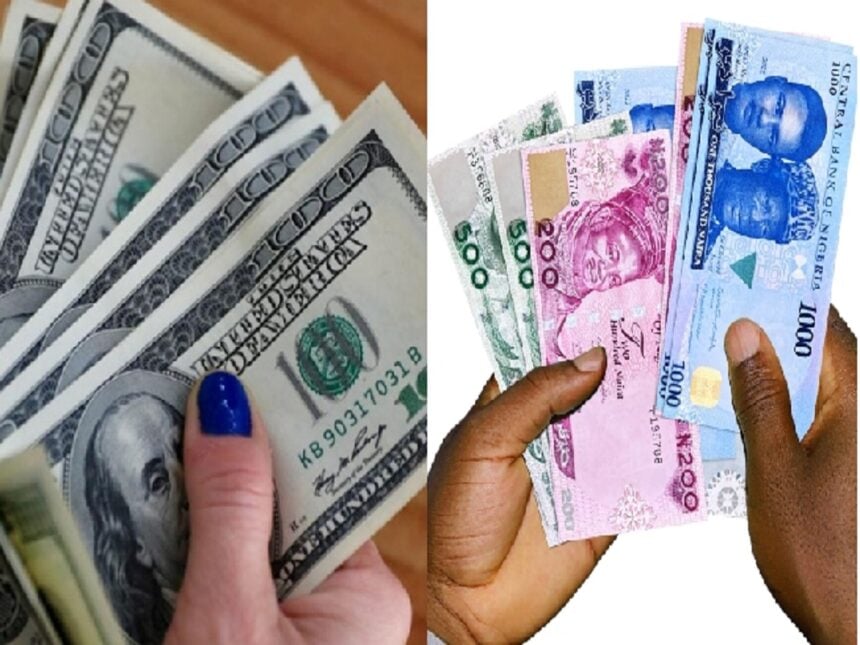
BLACK MARKET
US DOLLAR ₦1385
POUND (GBP) ₦1880
EURO (EUR) ₦1580
CANADIAN DOLLAR (CAD) ₦1000
SOUTH AFRICAN RAND (ZAR) ₦90
UAE DIRHAM (AED) ₦370
CHINESE YUAN (CNY) ₦190
GHANA CEDI (GHS) ₦100
Central Bank of Nigeria Rates
DOLLAR (USD)₦1326.52
POUND (GBP)₦1794.52
EURO (EUR)₦1540.22
SWISS FRANC (CHF)₦1627.83
JAPANESE YEN (JPN)₦8.64
CFA FRANC (XOF)₦2.34
WEST AFRICAN UNIT OF ACCOUNT (WAUA)₦1811.58
CHINESE YUAN (CNY)₦197.74
SAUDI RIYAL (SAR) ₦353.20
SOUTH AFRICAN RAND (ZAR) ₦82.24
Business
Dangote Refinery’s IPO Officially Opens Today On NGX
Speaking on the significance of the IPO, President and Chief Executive of Dangote Industries Limited, Aliko Dangote, said:“Today marks the beginning of a new chapter in the history of Dangote Refinery and, indeed, in the economic future of our nation…”
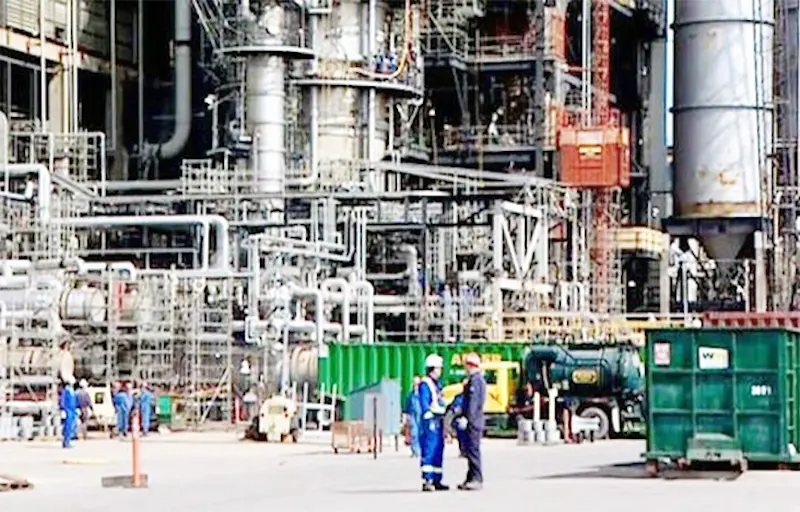
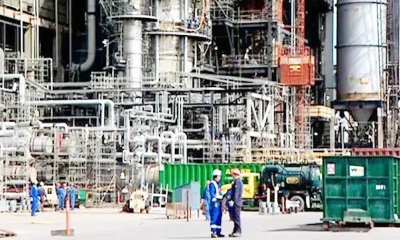
Dangote Petroleum Refinery & Petrochemicals FZE today announced the commencement of its Initial Public Offering (IPO) to the investing public.
The offer will be formally launched at a ceremony on the trading floor of the Nigerian Exchange (NGX) Limited in Lagos.
The IPO, which opens today, September 14, 2026, consists of 4.1 billion new ordinary shares offered at N525 per share, with a minimum subscription of 10 shares valued at N5,250.
The offer is expected to remain open until October 13, 2026, subject to the terms outlined in the Prospectus. The transaction is targeted at retail, institutional, and eligible African investors, reinforcing Dangote Refinery’s commitment to broadening ownership and deepening participation in Nigeria’s capital market.
The public offer is expected to raise approximately N2.15 trillion, making it one of the largest equity offerings ever undertaken in Africa.
The proceeds will support the Refinery’s long-term growth plans, operational expansion, strategic investments, and the creation of additional value for shareholders and stakeholders alike.
Speaking on the significance of the IPO, President and Chief Executive of Dangote Industries Limited, Aliko Dangote, said:“Today marks the beginning of a new chapter in the history of Dangote Refinery and, indeed, in the economic future of our nation. This offering is about more than raising capital; it is about creating an opportunity for ordinary Nigerians, Africans, and investors across the globe to participate directly in one of the most transformative industrial projects ever built on the continent.
We established this refinery to transform Africa’s energy landscape, create jobs, conserve foreign exchange, and unlock shared prosperity. With this IPO, we are extending that vision by democratising ownership and ensuring that millions of people can benefit from the value being created.”
Business
Filling Stations Selling Petrol, Diesel Higher Driven By Global Crude Prices
The development is expected to raise transportation costs and household expenses, while increasing operating costs for businesses that depend on fuel for logistics, power generation and other activities.
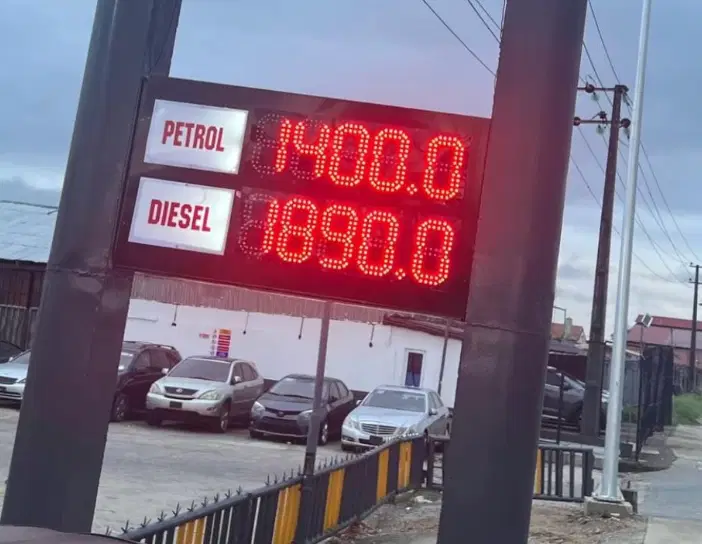
The surge in international crude oil prices above $100 per barrel is pushing up petrol prices across Nigeria.
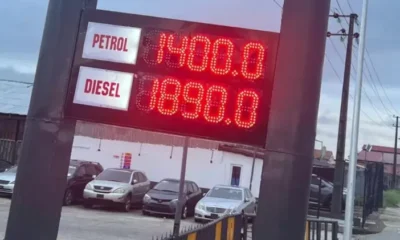
While the government-owned filling stations operated by NNPC Limited have raised their pump price to N1,375 per litre from N1,275, some independent marketers have increased their prices to N1,400 from about N1,360 per litre.
For instance, MRS filling stations have increased their petrol price to N1,400 per litre from N1,300, representing a N100, or 7.7 per cent, increase in Lagos and its environs.
The latest increases followed the rise in the gantry price of petrol by Dangote Petroleum Refinery to N1,350 per litre, reflecting the impact of higher crude oil prices and rising costs across the petroleum supply chains.
The development is expected to raise transportation costs and household expenses, while increasing operating costs for businesses that depend on fuel for logistics, power generation and other activities.


Naira Exchange Rates To Dollar, Pound , Euro… September 14

Dangote Refinery’s IPO Officially Opens Today On NGX

Filling Stations Selling Petrol, Diesel Higher Driven By Global Crude Prices

Tech Expert, Zuckerberg trains with UFC champions, Adesanya, Alexander

Organ Trafficking: Ekweremadu bags 10 years in UK prison

SAINT OBI: Between his marriage and his death
-
 News3 days ago
Albert Horsfall, Ex-SSS Director-General dies
-

 Health3 days ago
Bayelsa deploying 19 doctors, 210 nurses to strengthen primary healthcare centres
-
 News2 days ago
Bamanga Tukur, former Adamawa gov, ex-PDP Chair dies at 90
-
 Business4 hours ago
Filling Stations Selling Petrol, Diesel Higher Driven By Global Crude Prices
-
 Business2 hours ago
Dangote Refinery’s IPO Officially Opens Today On NGX
-
 Business37 minutes ago
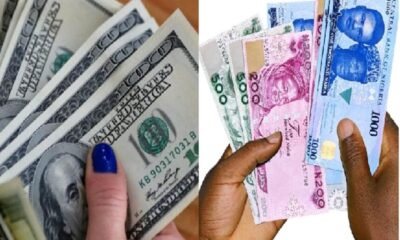
Naira Exchange Rates To Dollar, Pound , Euro… September 14