
Business
6 quick tips to master personal finance in the face of dwindling Nigerian economy
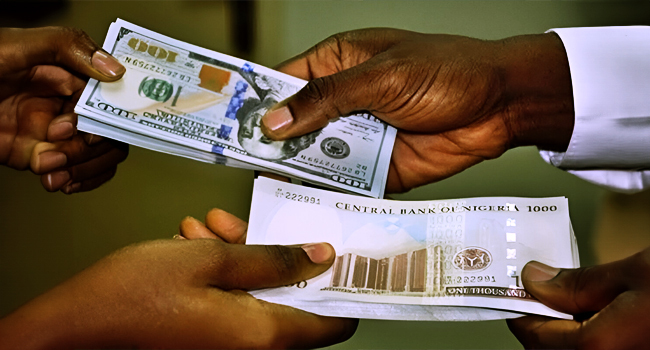
The naira has been on a downward spiral, with the exchange rate for one US dollar reaching an all-time high of 733 naira at the black market and 461 naira officially as of May 2023.


The Nigerian economy has been experiencing a steady decline in recent years, leaving many citizens struggling to navigate the turbulent financial waters. With the naira facing continuous devaluation and a soaring inflation rate, personal finance management has become a crucial survival skill for Nigerians. This article aims to inspire and empower individuals to take charge of their finances, offering practical advice and expert insights to not only survive but thrive in the face of economic challenges.
As of today, the consumer price index (CPI), which measures the rate of change in prices of goods and services, rose to 22.04 percent in March 2023, up from 21.91 percent in the previous month. However, this figure is still alarmingly high, considering the single-digit inflation target set by the Central Bank of Nigeria (CBN). The naira has also been on a downward spiral, with the exchange rate for one US dollar reaching an all-time high of 733 naira at the black market and 461 naira officially as of May 2023. This economic uncertainty has led to job losses, pay cuts, and reduced purchasing power for the average Nigerian.
Despite the bleak outlook, financial experts believe there is hope for Nigerians who are willing to adopt sound personal finance practices. “The key to financial success in a dwindling economy lies in discipline, planning, and investing,” says Amina Mohammed, a renowned financial consultant based in Lagos. “By taking control of your finances and making informed decisions, you can achieve financial freedom and protect yourself from the effects of the unstable naira.”
Here are some practical steps to help you master personal finance in the face of Nigeria’s economic challenges:

1. Create a budget and stick to it
Developing a budget is the foundation of good financial management. List your income and expenses to track your cash flow and identify areas where you can cut back. Prioritize your spending on necessities and avoid impulsive purchases. Sticking to your budget will help you live within your means and prevent unnecessary debt.
2. Build an emergency fund
Having an emergency fund is crucial, especially during times of economic uncertainty. Aim to save at least three to six months’ worth of living expenses in a separate account to cushion yourself against unforeseen crises such as job loss, medical emergencies, or other unexpected expenses.
3. Pay off high-interest debts
High-interest debts can cripple your finances and hinder your ability to save or invest. Make a plan to pay off these debts as quickly as possible, starting with the highest interest rate first. As you pay off each debt, redirect the funds to the next debt on your list, creating a “debt snowball” effect that accelerates your debt repayment process.
4. Diversify your income sources
Depending on a single income stream can be risky, particularly in an unstable economy. Look for ways to generate additional income through side hustles, freelancing, or investments. Diversifying your income sources can provide a financial safety net and increase your overall earning potential.
5. Invest wisely
Investing is a powerful tool to grow your wealth and protect yourself from inflation. However, it’s essential to make informed investment decisions and avoid get-rich-quick schemes. Consult with a financial advisor to determine the best investment options for your risk tolerance and financial goals.

6. Educate yourself on personal finance
Stay informed about financial trends, concepts, and strategies by reading books, attending seminars, or enrolling in online courses. Continuous learning will empower you to make smarter financial decisions and stay ahead of the economic curve.
In conclusion, mastering personal finance in Nigeria’s dwindling economy may seem like an uphill battle, but with determination, discipline, and the right strategies, it is possible to achieve financial stability and success. By taking charge of your financial future, you can create a brighter outlook for yourself and your family, safeguarding your wealth against the fluctuations of the naira and the challenges of the Nigerian economy.







BLACK/ PARALLEL MARKET RATES
₦1370 DOLLAR (USD)
₦1800 POUND (GBP)
₦1510 EURO (EUR)
₦970 CANADIAN DOLLAR (CAD)
₦65 SOUTH AFRICAN RAND (ZAR)
₦350 UAE DIRHAM (AED)
₦190 CHINESE YUAN (CNY)
₦100 GHANAIAN CEDI (GHS)
₦2300 WEST AFRICAN CFA F.(XOF)
₦2200 CENTRAL AFRICAN CFA F.(XAF)
₦850 AUSTRALIAN DOLLAR AUSSIE (AUD)
CBN OFFICIAL RATES
DOLLAR (USD)₦1331.61
POUND (GBP)₦1764.26
EURO (EUR)₦1490.48
SWISS FRANC (CHF)₦1608.23
JAPANESE YEN (JPN)₦8.4
CFA FRANC (XOF)₦2.27
WEST AFRICAN UNIT OF ACCOUNT (WAUA)₦1802.33
CHINESE YUAN (CNY)₦199.01
SAUDI RIYAL (SAR)₦354.83
SOUTH AFRICAN RAND (ZAR)₦80.49
Business
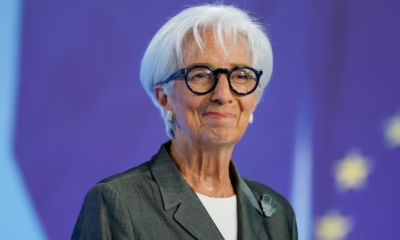
WEF could appoint Lagarde as its next chair, sources say
The WEF’s Board of Trustees, which includes Lagarde herself, was due to meet on November 2 and could elect her as its next chair, said the people close to the organisation, who spoke on condition of anonymity due to the sensitivity of the matter.

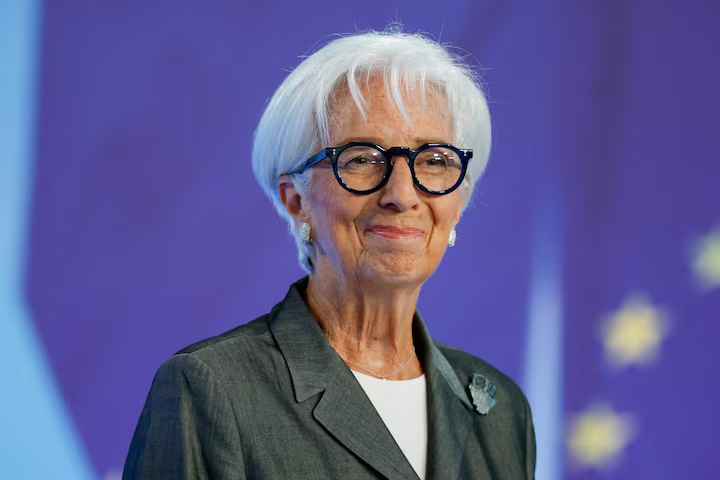
•European Central Bank President Christine Lagarde
The World Economic Forum could appoint Christine Lagarde as its next chair as soon as next month, four people close to the organisation told Reuters, meaning she would step down early as European Central Bank chief and trigger a wider reshuffle at the top of the ECB.Lagarde’s ECB term is scheduled to end in October 2027.
Leaving early would give European Union leaders a chance to pick a new ECB President before France’s spring presidential election, which opinion polls suggest the far-right could win, and could pave the way for a deal involving two other senior ECB roles.
The WEF’s Board of Trustees, which includes Lagarde herself, was due to meet on November 2 and could elect her as its next chair, said the people close to the organisation, who spoke on condition of anonymity due to the sensitivity of the matter.
No final decision has been taken yet, they said.
A spokesperson for the WEF said the forum could not confirm when the next full Board of Trustees meeting would take place, but that the aim was to hold one before the end of the year.
Business
Germany plans tax on sugary drinks
The tax is expected to generate additional revenue for the federal government of €690 million in 2027 and €925 million in 2028.
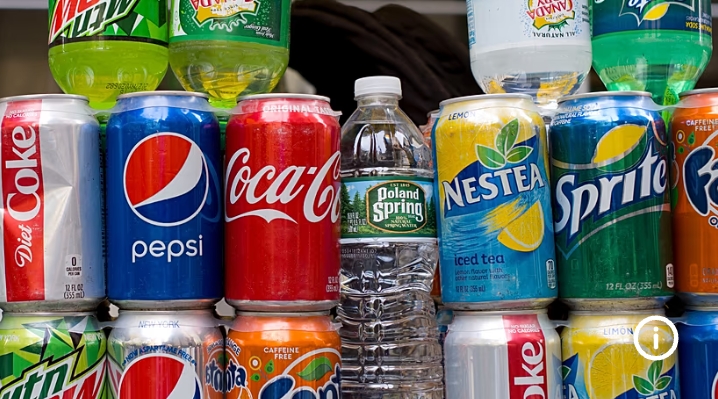
The German cabinet has approved draft legislation to tax sugary drinks in Europe’s biggest economy.
If passed by the German Bundestag, the tax will take effect on 1 July 2027.
The coalition aims to raise revenue for the federal budget while encouraging manufacturers to reduce sugar content and offer healthier products.
The levy is intended to ease pressure on the healthcare system, which faces costs of more than €2 billion every year linked to the high consumption of sugary drinks, which contributes to obesity, diabetes and tooth decay.
According to the federal government, Berlin is using the tax to implement “what associations from the fields of health, science, child protection, and consumer protection have long been demanding.”
The tax is expected to generate additional revenue for the federal government of €690 million in 2027 and €925 million in 2028.


JUST IN: Mob Sets BRT Bus Ablaze After Motorcyclist’s Death in Lagos

BREAKING: DSS Arrests Fugitive Maina Son, Hands Him to EFCC

BREAKING: 5 Arrested Over Imo NYSC Abduction

BREAKING: Lagos Govt Declares Today, Thursday Work-Free to Mark 2026 Ìṣẹ̀ṣe Day

Tech Expert, Zuckerberg trains with UFC champions, Adesanya, Alexander

Organ Trafficking: Ekweremadu bags 10 years in UK prison
-

 Business3 days ago
NAFDAC scolds fake manufacturers: “You are killing Nigerians in order to make money”
-

 Business2 days ago
Naira Exchange Rates For Thursday, October 15
-

 Business3 days ago
Oyedele Chairs G-24 Call for Fairer Global Financial System, Affordable Development Financing
-
 Sports2 days ago
CAF Increases Annual Funding for Member Federations to $700,000
-

 Business3 days ago
BREAKING: Shell to Exit Nigeria’s Domestic Gas Distribution Business
-

 Business1 day ago
Germany plans tax on sugary drinks
-
 Politics2 days ago
Exclusion of candidates from INEC list: CD cautions INEC against manipulation by politicians
-
 Business1 day ago
WEF could appoint Lagarde as its next chair, sources say