
News
5 Factors Beyond Your Control In Lagos Real Estate BY DENNIS ISONG


” Economic conditions, such as inflation, interest rates, and currency fluctuations, are beyond the control of individual investors but can significantly affect property values.”
Real estate investment is a complex venture that involves both strategic decision-making and an understanding of external factors that can significantly impact returns.
In this article, we will delve into five crucial factors that are likely to affect real estate investments in Lagos, Nigeria, factors that are beyond the control of the investor. Managing these elements is crucial for successful risk management and optimizing investment returns.
- • Infrastructure Developments:
One of the key factors beyond an investor’s control is the infrastructure development in a particular location. Government plans, such as the construction of expressways, roads, drainage systems, railways, or airports, can have a substantial impact on property values.
While positive developments can significantly increase property values, delays or changes in government plans can have negative effects.
Risk Management: Investors should thoroughly research the reputation of developers and assess their track record in delivering promised infrastructure. Diversifying investments across locations with different development plans can also help mitigate risks associated with infrastructure changes.
- ▪︎Economic Conditions and Policies:
Government policies and economic conditions play a crucial role in shaping the real estate landscape. Changes in policies, especially those related to the financial sector or real estate, can impact investments positively or negatively. Economic conditions, such as inflation, interest rates, and currency fluctuations, are beyond the control of individual investors but can significantly affect property values.
Risk Management: Diversifying investments across different states can help spread the risk associated with changes in economic conditions or policies in a particular region. Staying informed about government policies and economic indicators is essential for proactive risk management.
- ◇ Security and Neighborhood Dynamics:
The security of a location and the nature of its neighborhood are vital factors influencing real estate values. Classy neighborhoods often attract high-value investments, but changes in security conditions or neighborhood dynamics can alter the desirability of a location.
Risk Management: Researching the security history of an area and staying updated on any changes is essential. Additionally, investors can diversify their portfolio by investing in emerging locations that show potential for growth and desirability.
- ◇ Climate and Weather Conditions:
Global warming and unpredictable climate patterns can impact real estate investments. Flooding, changing rainfall patterns, and extreme weather events can affect property values. Investors need to be aware of the climate conditions in the areas they are considering for investment.
Risk Management: Investing in locations with good drainage systems and considering diversification across different climate zones in Lagos can help mitigate risks associated with climate and weather conditions.
- ◇ Migration Patterns:
The movement of people into or out of a particular area can significantly affect real estate investments. Increasing population density can drive up demand for both residential and commercial properties. However, excessive migration may result in a loss of serenity and desirability, prompting some investors to exit.
◇ Risk Management: Understanding migration patterns and investing in areas with a balanced mix of population growth and tranquility is essential. Diversifying across different types of locations can also help manage risks associated with migration.
Conclusion:
Real estate investment in Lagos, like any market, comes with its set of unpredictable elements. Investors need to carefully analyze and manage factors beyond their control to ensure the success and resilience of their portfolios. By diversifying investments, staying informed about market dynamics, and adopting proactive risk management strategies, investors can navigate the complexities of the Lagos real estate market with greater confidence.
▪︎Dennis Isong is a TOP REALTOR IN LAGOS.He Helps Nigerians in Diaspora to Own Property In Lagos Nigeria STRESS-FREE. For Questions WhatsApp/Call 2348164741041


Former Kaduna State Governor, Nasir El-Rufai, has concluded proceedings at the State High Court in Kaduna and is now proceeding to the Federal High Court for the continuation of another suit.
El-Rufai, who was earlier present at the State High Court for the continuation of his trial, left the premises after the sitting ended.
He is expected to appear before the Federal High Court in Kaduna for further proceedings related to another case.
Security presence remained visible around both court premises as proceedings attracted attention from observers and supporters.
Details of the proceedings at the Federal High Court are expected to emerge as the matter continues.
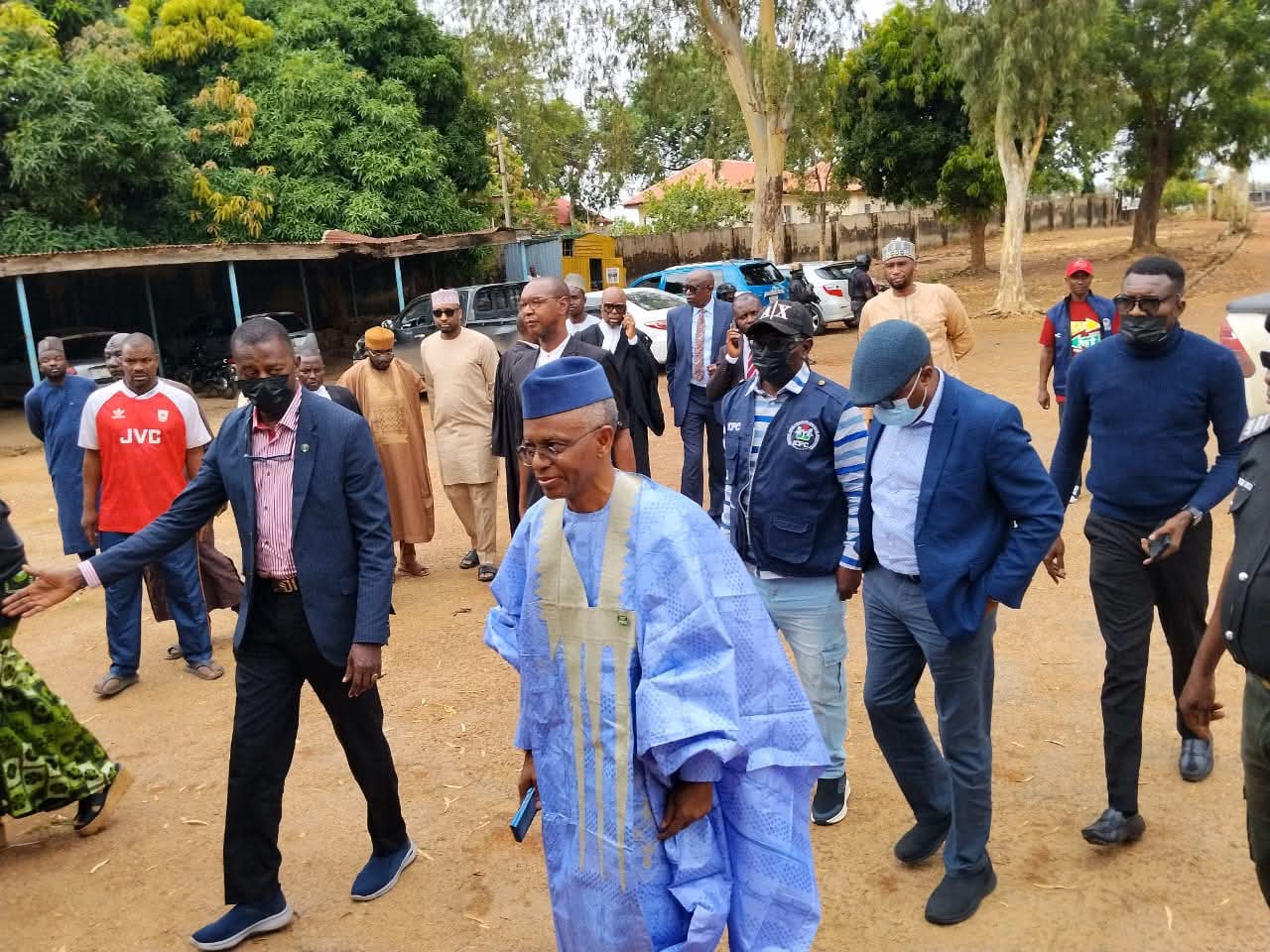
The former Kaduna State Governor, Nasiru El-Rufai, on Tuesday morning arrived at the Kaduna State High Court for the trial, and there after he is expected to proceed to the Federal High Courtfor continuation of his proceedings.
The former governor arrived at the Kaduna State High Court amid tight security presence, as legal teams from both sides prepare to continue hearing in the matter. El-Rufai is also scheduled to appear before the Federal High Court for continuation of related legal processes.
The case continues to attract significant public attention, with observers closely monitoring developments across both courts.
Details of the matters to be addressed in both courts have not been fully disclosed, but outcomes from the hearings are expected to influence the direction of the trial.
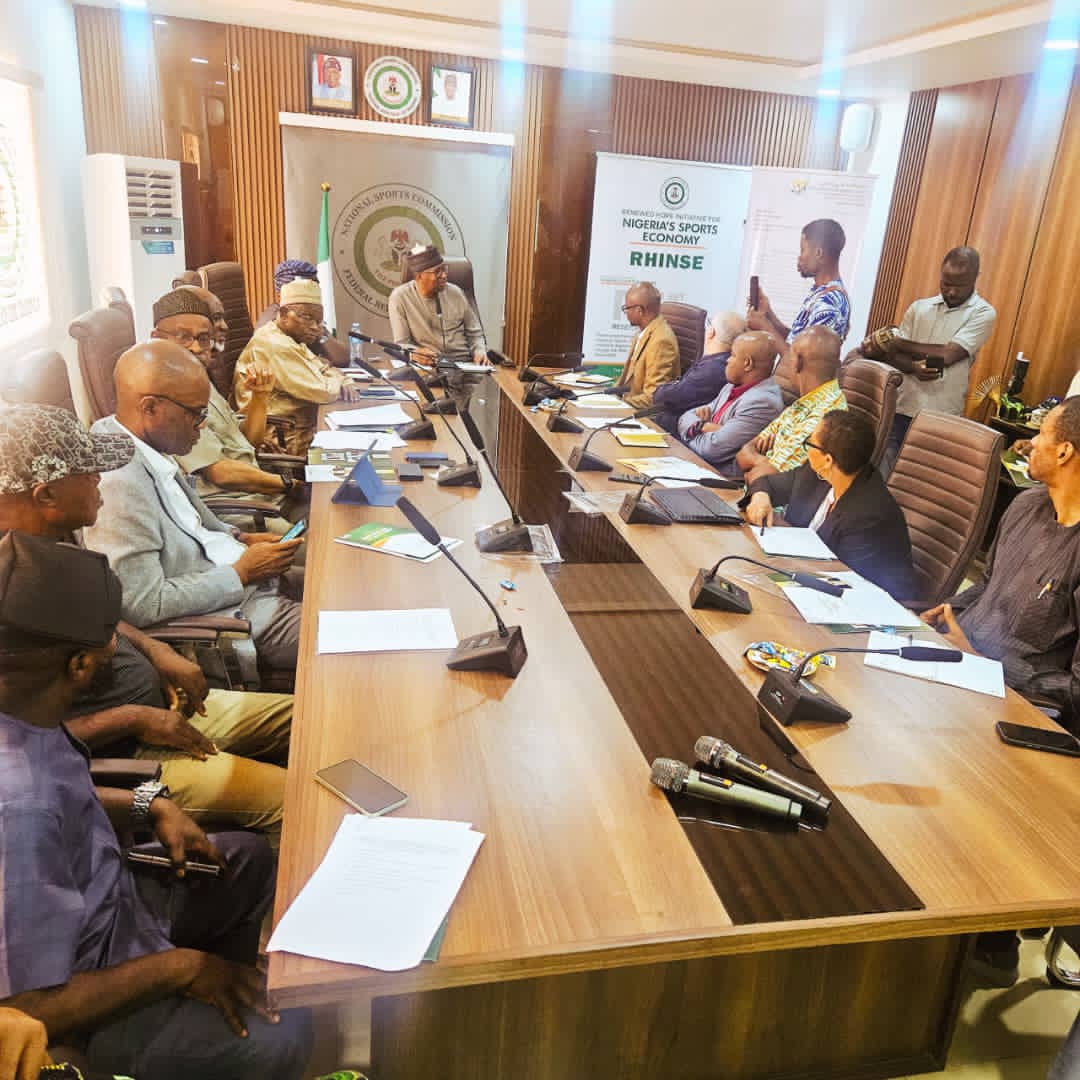
Nigeria officially welcomed the African Games Bid Evaluation Committee on Monday, marking a significant step in the nation’s quest to host the 2031 African Games.
The delegation, led by Dr. Decius Chipande, was received by top officials of the National Sports Commission (NSC) and treated to a comprehensive and compelling presentation showcasing Nigeria’s readiness, capacity, and vision to host a memorable Games.
Chairman of the NSC, Mallam Shehu Dikko, in his remarks, reaffirmed the solid support of the Federal Government for the bid.
He emphasized that hosting the African Games remains a national priority, backed by strong political will and a commitment to deliver world-class infrastructure, seamless organization, and a lasting legacy for African sports.
Director General of the Commission, Hon. Bukola Olopade, presented Nigeria’s strategic sponsorship and marketing framework, outlining innovative approaches to funding and commercial partnerships.
He noted that Nigeria’s large market, vibrant sports culture, and growing private sector interest provide a solid foundation for a financially successful Games.
Providing further depth to the bid, ace broadcaster and Bid Coordinator, Mainasara Ilo, delivered an engaging presentation on legacy, highlighting how the Games would catalyze youth development, infrastructure expansion, and community impact across the country.
On the technical front, former Director of Medicine at the Commission, Dr. Paul Onyedo, detailed Nigeria’s preparedness in sports medicine and its scientific approach to anti-doping, testing, and athlete health management, aligning with international best practices.
In addition, Dr. Emmanuel Igbinosa presented the country’s comprehensive welfare framework, assuring the Committee of Nigeria’s readiness to provide a safe, secure, and athlete-centered environment throughout the Games.
The Evaluation Committee commended Nigeria’s presentation, noting the clarity of vision, depth of planning, and strong alignment between government and private sector stakeholders.
The Committee commenced inspection of key facilities on Monday, with further assessments on Tuesday.
Nigeria remains confident that its compelling bid, backed by experience, infrastructure, and national commitment, positions the country strongly to host a historic and impactful African Games.


Afreximbank Leads $4bn Financing for Dangote Refinery with $2.5bn Commitment

JUST IN: El-Rufai Leaves State High Court for Federal High Court in Kaduna

El-Rufai Appear in State High Court, after Mother’s death, as Trial Continues

Tech Expert, Zuckerberg trains with UFC champions, Adesanya, Alexander

Organ Trafficking: Ekweremadu bags 10 years in UK prison

SAINT OBI: Between his marriage and his death
-

 Sports3 days ago
CAF appoints Nigeria’s Samson Adamu as acting secretary general
-

 Business3 days ago
Governor Otti Commissions Ultimum Manufacturing Plant in Aba
-
 News2 days ago
President Tinubu at 74, Donates Salaries to Armed Forces Welfare Fund
-
 Politics2 days ago
PDP will contest 2027 polls, says Wike
-

 Politics2 days ago
PDP Leadership Crisis: Faction Heads to Supreme Court as Tussle Deepens
-
 Business22 hours ago
BUA Foods Plc Reports Strong 2025 Performance with ₦1.77 Trillion Revenue, Proposes Record ₦28 Dividend per Share
-

 Business2 days ago
OPay launches new office in Jos
-

 Crime2 days ago
JUST IN: Terrorists Invade Kaduna Wedding Ceremony, Kill 13 Guests In Late-Night Attack