
Business
Taiwan Seeks Better Ties with Nigeria, following Tinubu’s St. Lucia Visit
We, the people and Government of Taiwan, wholeheartedly congratulate H. E. President Tinubu for his visions and concrete actions of extending Nigeria’s connection with the Caribbean Island state, just like Taiwan has made diplomatically with St. Lucia.


•Andy Yih-Ping Liu
TAIWAN’S Representative/ Head of Mission in Nigeria Andy Yih-Ping Liu has congratulated Nigeria’s fresh diplomatic engagements with St. Lucia and the Caribbean States.
Liu, in a statement yesterday, asserted that President Bola Ahmed Tinubu’s most successful state visit to the Caribbean nation of Saint Lucia was truly a landmark achievement in Nigeria’s diplomacy.
The statement reads: “We, the people and Government of Taiwan, wholeheartedly congratulate H. E. President Tinubu for his visions and concrete actions of extending Nigeria’s connection with the Caribbean Island state, just like Taiwan has made diplomatically with St. Lucia.
“Taiwan (ROC) and St. Lucia, as well as three other Caribbean island nations, St. Kitts and Nevis, St. Vincent and the Grenadines, and Haiti, have long established diplomatic relations with full-fledged embassies setting in each other’s capitals.
“Our diplomatic presence of embassies, together with Development and Technical Aid of medical, agricultural, women and youth empowering, trade and investment strengthening, sustainable development, etc., have truly assisted St. Lucia as well as other Caribbean nations to grow well economically and socially.”
Liu noted that during President Tinubu’s visit, he would have toured some facilities jointly developed by the Taiwanese government and St. Lucian authorities.
“We’re proud to offer our helping hands that produce fruitful results, and we certainly welcome wholeheartedly that Nigeria will also be joining this humanitarian and economic collaborations in the Caribbean area.
“We are extremely delighted to witness President Tinubu graciously receiving the conferment of Knight Commander of the Order of Saint Lucia (K.C.O.S.L.) in recognition of his efforts to strengthen ties between Africa and the Caribbean.
This has showcased His Excellency’s visionary exploration and escalation of Nigeria’s ever-growing international status, and his grand movements in deepening the collaboration with the Organisation of Eastern Caribbean States (OECS).
“Prime Minister Philip Pierre, that H. E. President Tinubu has met in St. Lucia, visited Taiwan to attend President Ching-Te Lai’s inauguration ceremony on May 20th, 2024.
Also, St. Lucia’s Senate President Madam Alvina Reynolds, that President Tinubu has also met, visited Taiwan to attend our National Day Celebrations on October 10th, 2024.
All these have demonstrated how cordially the diplomatic relations between Taiwan and St. Lucia have been, and our bilateral cooperation have truly showcased Taiwan is such an indispensible and healthy partner for St. Lucia, as well as other Caribbean nations.
“Taiwan (ROC) has survived the heavy pressure from across the Taiwan Strait, and flourished outstandingly in the world, both democratically and economically on nation building.
“We the Taiwanese people are privileged to share our advanced know-how and technology to any country globally, so that we can work together in weathering through all sorts of challenges.
It is therefore, once again, we would like to congratulate dearly for President Tinubu’s diplomatic achievements in his landmark State Visit to St. Lucia, and also sincerely express our goodwill for any future strengthening of Nigeria-Taiwan relations, either in this great nation of Nigeria or in our shared diplomatic allies of St Lucia and the Caribbean states.
“Taiwan remains humble and ready to share its vast knowledge with Nigeria in various fields of comparative advantages, and we would appreciate deeply that His Excellency President Tinubu and Nigeria to view and regard Taiwan as a most advanced and developed, healthy partner, to build substantial relations, like what we have contributed and collaborated in Saint Lucia,” he said.
Business
33 Nigerian Banks Beat CBN’s Recapialisation with ₦4.65trn Combined Capital Base
The recapitalisation programme has strengthened the capital base of Nigerian banks, reinforcing the resilience of the financial system and ensuring it is wellpositioned to support economic growth and withstand domestic and external shocks.”

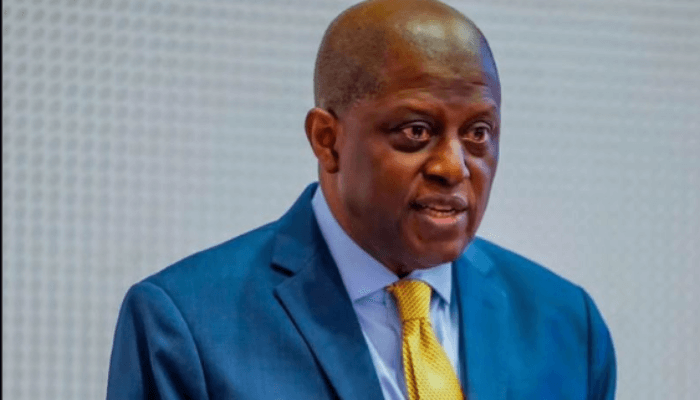
•Governor of CBN, Olayemi Cardoso
The Central Bank of Nigeria (CBN) has wrapped up the banking sector recapitalisation programme it introduced two years ago (March 2024-March 31, 2026) with 33 banks successfully met the requirements deadline.
The banks raised a total of ₦4.65 trillion in new capital, according to a statement signed by Olubukola A. Akinwunmi, the Director, Banking Supervision and Hakama Sidi Ali (Mrs.), the Ag. Director, Corporate Communications.
It said that the recapialisation exercises recorded strong participation from both domestic and international investors, with 72.55% of capital sourced locally and 27.45% from international markets, reflecting sustained confidence in the Nigerian banking sector.
The statement noted that the Governor of CBN, Olayemi Cardoso said “the recapitalisation programme has strengthened the capital base of Nigerian banks, reinforcing the resilience of the financial system and ensuring it is wellpositioned to support economic growth and withstand domestic and external shocks.”
“The CBN confirms that 33 banks have met the revised minimum capital requirements established under the programme.
A limited number of institutions remain subject to ongoing regulatory and judicial processes, which are being addressed through established supervisory and legal frameworks.
“All banks remain fully operational, ensuring continued access to banking services for customers.
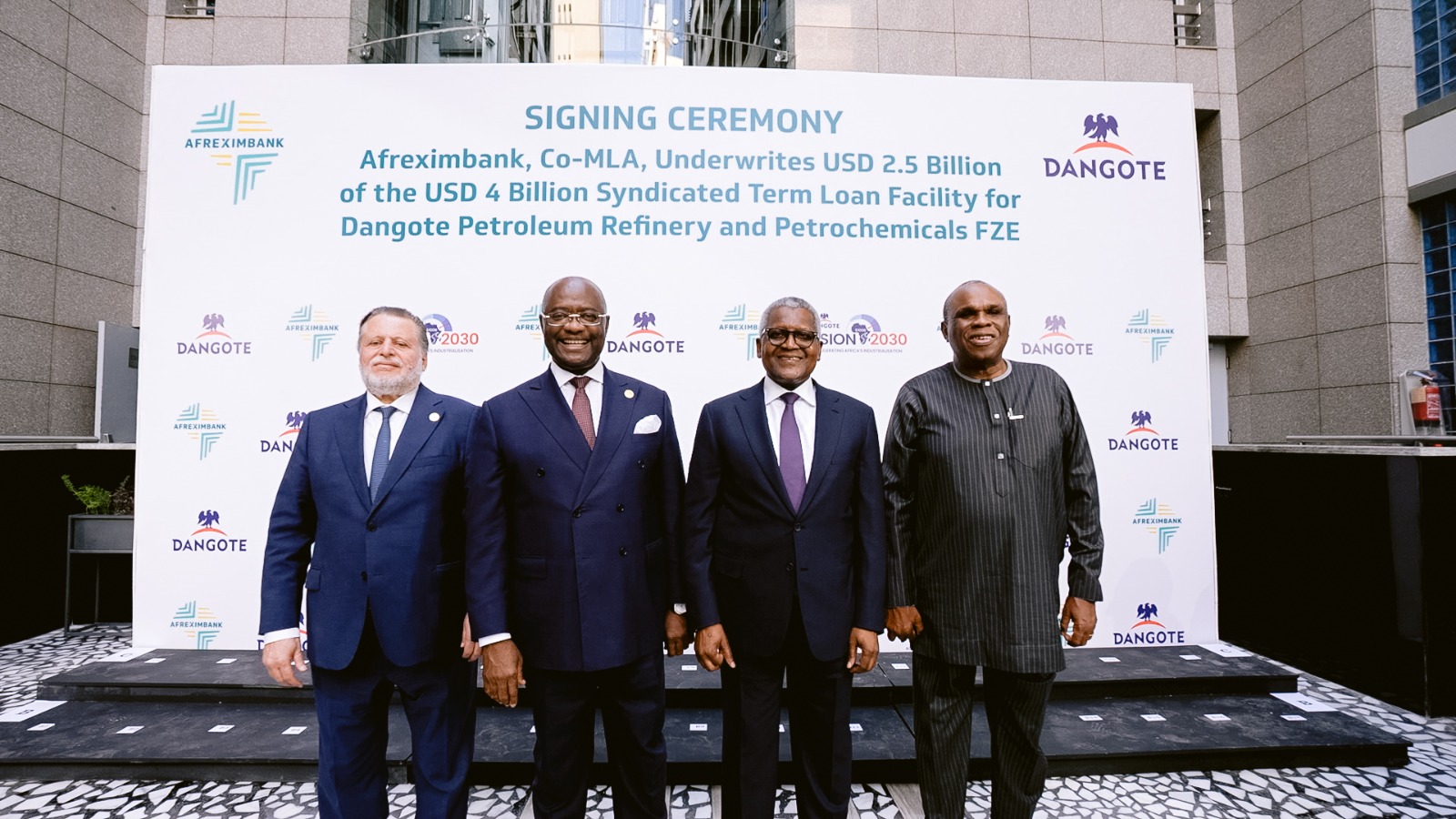
African Export-Import Bank has underwritten $2.5 billion in a $4 billion senior syndicated term loan for Dangote Petroleum Refinery and Petrochemicals, in a move aimed at strengthening the refinery’s financial position and supporting its long-term growth and expansion strategy.
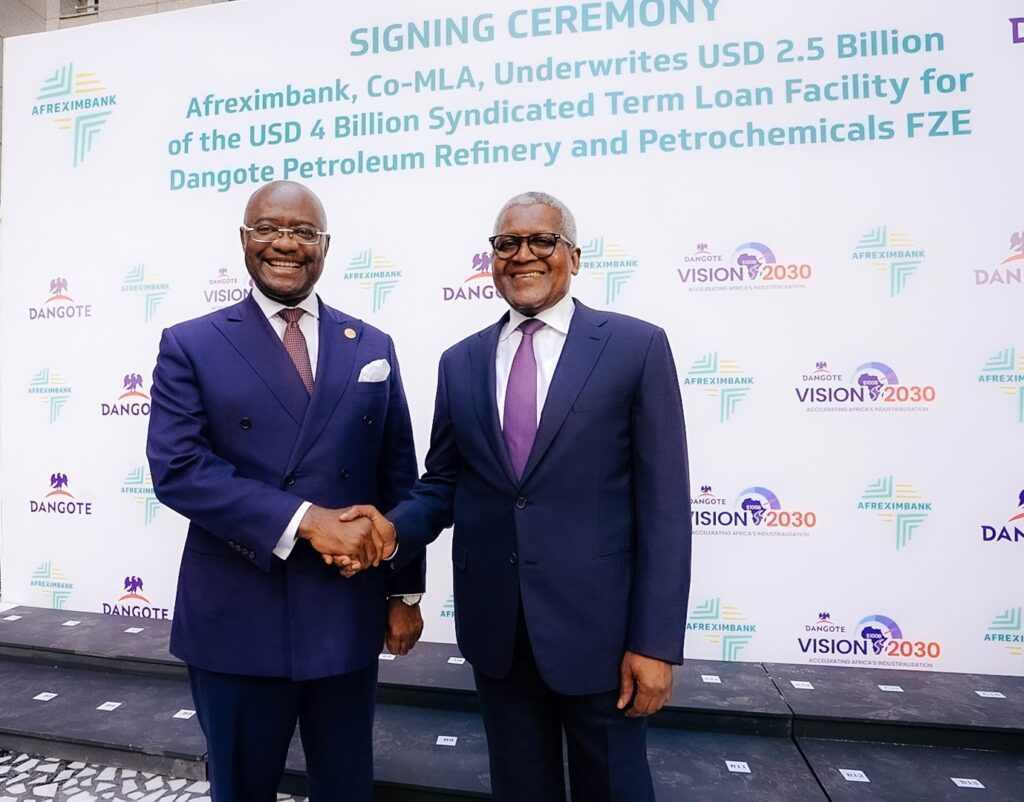
The five-year facility, arranged alongside Access Bank as co-Mandated Lead Arrangers, is designed to consolidate existing debt, optimise the refinery’s capital structure and align its financing with current operational realities.
The transaction marks a significant milestone for the Dangote Refinery, Africa’s largest refining and petrochemical complex with a capacity of 650,000 barrels per day.
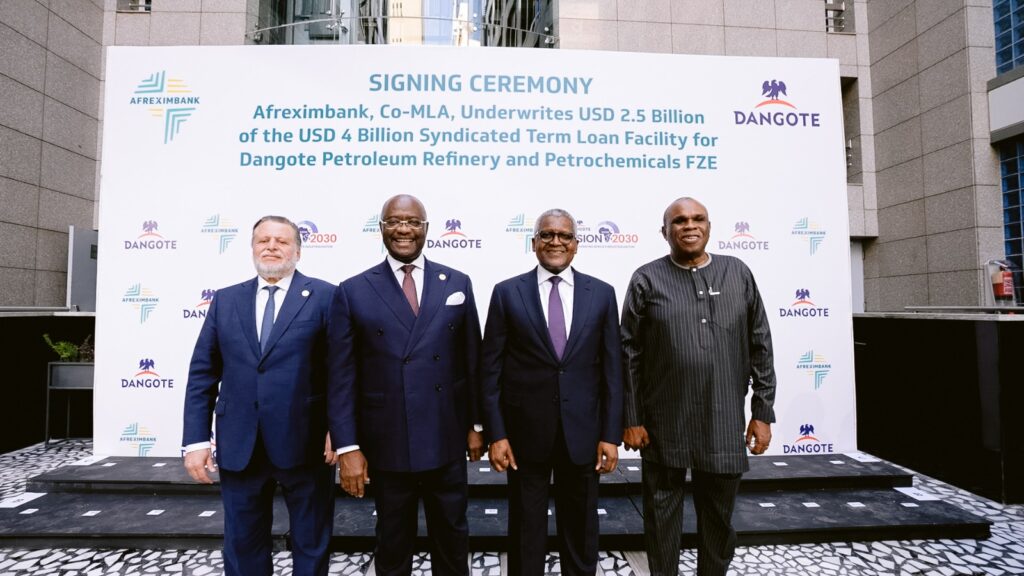
Afreximbank’s $2.5 billion participation represents the largest share of the syndicate, underscoring its strategic role in mobilising capital for industrial projects across the continent.
The bank said the financing aligns with its mandate to promote industrialisation, reduce reliance on imported petroleum products and deepen intra-African trade.
Since refining operations commenced in February 2024, Afreximbank has played a key role in supporting the project, including providing a $1 billion working capital facility and acting as financial adviser on the Naira-for-Crude initiative, which facilitates crude procurement and product sales in local currency.
Speaking during a strategy session in Cairo, Egypt, President and Chairman of the Board of Directors of Afreximbank, George Elombi, said the bank’s continued backing reflects confidence in indigenous African enterprises.
“We take immense pride in being the single largest provider of financing to the Dangote Group. We do so primarily because Dangote is African,” he said.
“When we invest in ourselves, we do more than create jobs and wealth or expand government revenues; we build a secure and resilient future for our continent”
Elombi disclosed that Afreximbank has committed about $15 billion to Dangote Group since 2015, highlighting the scale of its long-term partnership with the conglomerate.
President and Chief Executive of Dangote Industries Limited, Aliko Dangote, described the financing as a critical step in positioning the refinery for its next phase of expansion.
“This financing marks an important step in strengthening the financial foundation of Dangote Petroleum Refinery & Petrochemicals and positions the business for the next phase of its growth,” he said.
“We appreciate Afreximbank’s continued support and confidence in our vision to build world-class industrial capacity that serves Nigeria, Africa and global markets.”
The syndicated loan attracted strong participation from a mix of African and international financial institutions, reflecting sustained investor confidence in the refinery as a transformative industrial asset in advancing Africa’s energy security, reducing import dependence and supporting the continent’s broader industrialisation agenda.
Business
BUA Foods Plc Reports Strong 2025 Performance with ₦1.77 Trillion Revenue, Proposes Record ₦28 Dividend per Share

Leading Nigerian food manufacturer BUA Foods Plc has announced robust full-year 2025 audited results, with revenue climbing 16% to ₦1.77 trillion from ₦1.53 trillion in 2024.
The growth was driven by sustained consumer demand for the company’s core staples sugar, flour, pasta, and rice alongside higher sales volumes and strategic pricing amid a challenging economic environment marked by inflationary pressures on households.
Profit after tax nearly doubled, rising 95% to ₦518.4 billion, while gross profit surged to ₦737.3 billion from ₦540.8 billion the previous year.
Operating profit also increased significantly to ₦656.6 billion.In a strong signal of confidence in its outlook and commitment to shareholder value, the Board of Directors has proposed a final dividend of ₦28 per ordinary share of 50 kobo.
This represents a 115% increase from the ₦13 per share paid in 2024, translating to a total payout of approximately ₦504 billion, subject to approval by shareholders at the company’s 2026 Annual General Meeting.
Chairman Abdul Samad Rabiu highlighted the results, stating that the substantial dividend hike underscores the company’s dedication to rewarding investors while continuing to invest in business expansion and operational efficiency.
BUA Foods, a major player in Nigeria’s food processing sector controlled by billionaire Abdul Samad Rabiu, has continued to benefit from scale advantages, market expansion, and resilient demand for essential food products despite broader economic headwinds.
The company’s shares have reacted positively in recent trading, reflecting investor optimism over the strong earnings and generous dividend proposal.
Full details of the financial statements were filed with the Nigerian Exchange (NGX) on Monday.
Analysts view the performance as a testament to BUA Foods’ robust business model and ability to navigate Nigeria’s macroeconomic challenges through volume growth and cost discipline.


Onyejeocha resigns as Minister of State for Labour

No force can defeat Tinubu in 2027 –Umahi

Labour Party to hold presidential primary April 28

Tech Expert, Zuckerberg trains with UFC champions, Adesanya, Alexander

Organ Trafficking: Ekweremadu bags 10 years in UK prison

SAINT OBI: Between his marriage and his death
-
 Business3 days ago
33 Nigerian Banks Beat CBN’s Recapialisation with ₦4.65trn Combined Capital Base
-

 Sports3 days ago
FirstBank Sponsors Samuel Okwaraji U-16 Football Championship 2026
-
 Politics2 days ago
BREAKING: INEC Withdraws Recognition of David Mark’s ADC
-
 News2 days ago
JUST IN: Tinubu Heads to Jos Tomorrow, Postpones Ogun Trip for 5-State Visits
-

 News3 days ago
Easter: FG declares Friday, Monday public holidays
-

 Entertainment3 days ago
Super Eagles Iwobi to launch music album ‘More To Life’
-
 News2 days ago
Gas Leak in Ogun School: 30 Students, Teacher Hospitalised
-

 Politics3 days ago
Arise News Anchor Ikokwu in Political Race for Reps Seat