
News
Subsidy Removal Saved Nigeria from Bankruptcy – Tinubu

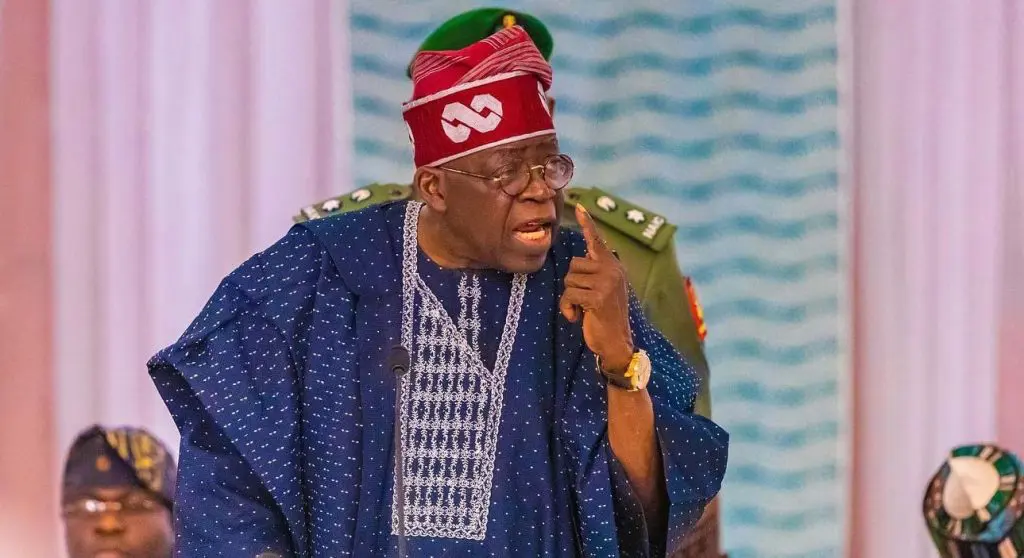
President Bola Ahmed Tinubu has strongly defended his administration’s decision to remove fuel subsidies, declaring that the bold move prevented Nigeria from sliding into economic bankruptcy.
Speaking during a high-level meeting with economic stakeholders on Friday, President Tinubu maintained that the subsidy regime had become unsustainable and was draining the nation’s resources at an alarming rate.
“The removal of the fuel subsidy saved Nigeria from bankruptcy,” Tinubu declared. “We inherited a system that was bleeding the country dry. Continuing with it would have led us straight into fiscal collapse.”
The President explained that the subsidy payments had reached over N4 trillion annually in recent years, consuming a massive portion of government revenue that could have been channelled into infrastructure, healthcare, and education. He noted that the funds saved are now being redirected toward critical developmental projects under his administration’s Renewed Hope Agenda.
Tinubu acknowledged the short-term pains experienced by citizens due to the policy but insisted the long-term benefits would outweigh the difficulties.
“We took the hard but necessary decision for the survival of our economy,” he said. “Today, we are seeing increased revenue, better targeting of social investments through programmes like the Conditional Cash Transfer and student loans, and a more transparent petroleum sector.”
The fuel subsidy removal in May 2023 was one of the first major policy decisions of the Tinubu administration and remains one of its most controversial. While it triggered a sharp rise in fuel prices, inflation, and cost of living, the government argues it has freed up resources and attracted greater private sector investment into the downstream oil sector.
Some economic analysts have supported the President’s position, noting that Nigeria’s fiscal deficit has narrowed and foreign reserves have strengthened since the reform. However, critics argue that the removal was poorly sequenced, lacking adequate social safety nets, and has contributed significantly to the current economic hardship faced by millions of Nigerians.
President Tinubu reiterated his commitment to implementing further reforms to stabilise the economy and ease the burden on citizens.









Boko Haram has strongly denied reports of a ceasefire agreement with the Federal Government and insisted that it will continue its campaign of attacks.
In a statement released by the group, the militants dismissed claims of any truce or negotiated pause in hostilities, describing such reports as false and misleading.
The group reaffirmed its commitment to ongoing operations against government forces and other targets, vowing that its attacks will persist without interruption.
The denial comes against the backdrop of persistent insecurity in the northeast and other affected regions, where the group has maintained a long-standing insurgency.
Security sources note that the latest statement appears aimed at clarifying the group’s position and rejecting any suggestion of dialogue or de-escalation with the authorities.
Military and government officials have not issued an immediate detailed response to the claim, though security operations against the militants remain active. Authorities continue to urge vigilance as the group signals its intention to sustain violence.
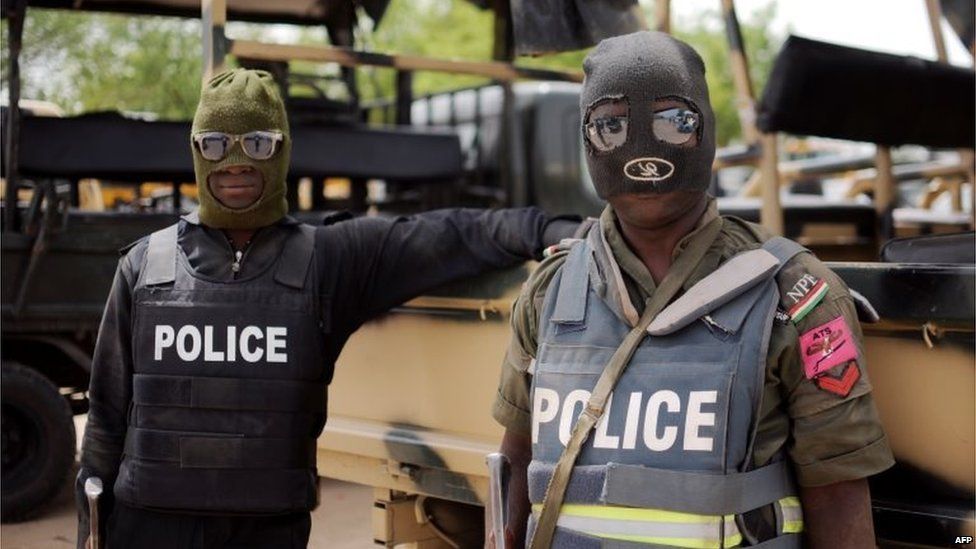
Police authorities have raised a serious alarm over intelligence indicating that terrorists and their informants are actively spying on schools and other sensitive targets across the country.
According to security sources, the surveillance activities form part of a broader effort by extremist groups to gather information on soft targets, with educational institutions identified as particularly vulnerable. Officials warn that such reconnaissance could be a precursor to planned attacks and have called for immediate heightened vigilance by school administrators, security personnel, and the general public.
The police statement urges institutions to strengthen access controls, report suspicious individuals or activities promptly, and cooperate fully with security agencies. “We are treating these reports with the utmost seriousness,” a senior police official said, noting that the involvement of local informants makes the threat more difficult to detect.
The military has responded by confirming that it is closely monitoring the situation. In a brief statement, military authorities said relevant formations have been placed on alert and are working in coordination with the police and other security agencies to track and disrupt any potential threats.
Security experts note that schools and public gathering places have increasingly featured in the operational planning of terrorist groups in recent years, making continuous intelligence sharing and community awareness critical to prevention. Authorities continue to appeal for calm while stressing that proactive measures are already underway.
News
Dangote Refinery IPO: SEC Warns Investors, ‘Don’t Pay Into Wrong Hands’
The warning effectively places investors on notice that interest in the IPO should not override basic due diligence, particularly in verifying where subscription applications are submitted and where payments are made.

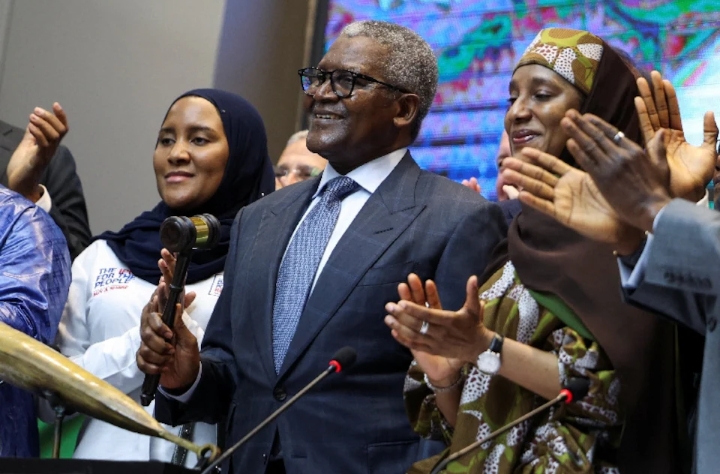
• Aliko Dangote , flanks by her daughters and capital market regulators, during the gong opening ceremony on the NGX, Monday September 14,2026
The Securities and Exchange Commission (SEC) has warned prospective investors in the Dangote Petroleum Refinery and Petrochemicals Initial Public Offering (IPO) against fraudsters and unauthorised platforms seeking to divert subscription funds.
The warning came as the refinery’s was quoted on the Nigerian Exchange Limited (NGX) on Monday, September 14, 2026, marking a major milestone in the company’s planned public offer.
With strong public interest expected around one of Nigeria’s largest capital-market offerings, the SEC urged investors to deal only with officially designated and approved receiving agents, subscription channels and platforms.
“The public is hereby advised to exercise caution and ensure that all applications and payments relating to the IPO are made only through the officially designated and approved receiving agents/subscription channels and platforms,” the Commission said.
The regulator’s alert highlights growing concerns over the possibility of fake investment websites, cloned platforms, fraudulent payment channels and individuals posing as authorised agents to exploit the huge interest generated by the Dangote Refinery offer.
The SEC therefore advised prospective investors to obtain information about the IPO only through the Commission’s official channels, the issuer’s official channels and other channels specifically established and approved for the offer.
The warning effectively places investors on notice that interest in the IPO should not override basic due diligence, particularly in verifying where subscription applications are submitted and where payments are made.


US Bond Selloff Pushes Benchmark Yield Past 5%, Stocks Rattled

Protests Rock Syria Over Sharp Fuel Price Increase

Boko Haram Attacks Adamawa Community, Kills Residents

Tech Expert, Zuckerberg trains with UFC champions, Adesanya, Alexander

Organ Trafficking: Ekweremadu bags 10 years in UK prison

SAINT OBI: Between his marriage and his death
-
 News3 days ago
Bamanga Tukur, former Adamawa gov, ex-PDP Chair dies at 90
-
 Business1 day ago
Filling Stations Selling Petrol, Diesel Higher Driven By Global Crude Prices
-
 Business1 day ago
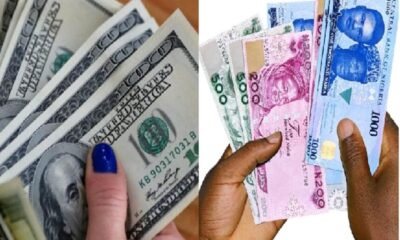
Naira Exchange Rates To Dollar, Pound , Euro… September 14
-
 Business1 day ago
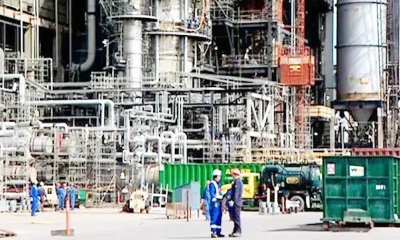
Dangote Refinery’s IPO Officially Opens Today On NGX
-
 News3 hours ago
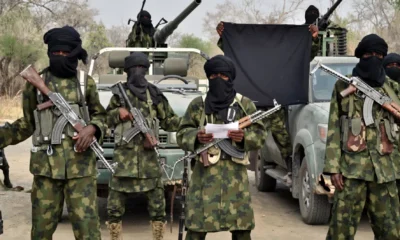
Boko Haram Denies Ceasefire with FG, Vows Continued Attacks
-

 Business1 day ago
Dangote at IPO Listing, Charges Public,”I don’t want to be called richest man in Africa”
-

 News3 hours ago
Police Raise Alarm Over Terrorists and Informants Spying on Schools, Other Targets
-

 Politics22 hours ago
Again, Desmond Elliot begs political mentor,Gbajabiamila , “I’m sorry, Daddy”