
International
South Korea Confirms New African Swine Fever Outbreak, Culls 20,000 Pigs in Swift Response

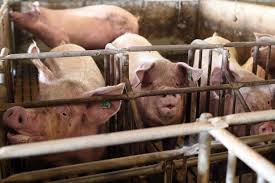
Authorities in South Korea have confirmed a fresh case of African Swine Fever (ASF) at a pig farm in Gangneung, Gangwon Province, marking the country’s first outbreak in nearly two months since November 2025.
The infection was detected after 32 pigs died at the facility on January 16, 2026, with laboratory tests confirming that 29 of them tested positive for the highly contagious and fatal virus.
The outbreak, reported by the Gangwon provincial government and covered by major outlets including Yonhap News Agency and The Korea Herald, prompted immediate quarantine measures.
In response, officials culled approximately 20,000 pigs at the affected farm to halt the spread of the disease.
A 48-hour standstill order was also imposed on pig farms across six neighboring cities and counties, restricting movements to prevent further transmission.
Prime Minister Kim Min-seok directed emergency containment efforts, including restricted site access, intensive disinfection protocols, and investigations into the outbreak’s origin.
The government is prioritizing rapid tracing and biosecurity enhancements to safeguard the nation’s pork industry.
ASF, a viral disease devastating to domestic pigs and wild boars, causes high mortality rates but poses no risk to human health or food safety when pork is properly cooked.
This incident in Gangwon Province — the first ASF case recorded in the region in about 14 months — underscores ongoing challenges in controlling the virus, which has affected South Korea since 2019 through both farm infections and detections in wild boars.
Officials continue monitoring nearby farms and wild populations as part of heightened national vigilance.





International
‘Up to our people’ to pick leader, Zelenskyy responds to Trump’s pledge for new elections in Ukraine
Russia and Ukraine are locked in a long-range aerial war while their armies remain largely deadlocked on the front line, more than four and a half years after Moscow’s full-scale invasion.


• Ukrainian President Volodymyr Zelenskyy
Ukrainian President Volodymyr Zelenskyy said Sunday his country could hold elections if Russia agreed to a 60-day total ceasefire, pushing back against US counterpart Donald Trump’s call for Ukraine to pick a new leader.
“First of all, with all respect to President Trump, it’s up to our society, up to our people to choose one or another leader”, Zelenskyy told ABC News in a televised interview, a day after Trump said Ukraine needed a new president who would agree to end the war.
Zelenskyy said he told Trump’s team that if they really wanted Ukraine to hold elections, “please tell Putin to give us two months, 60 days of total ceasefire, 60 days, and we will organise elections”.
“We want peace, we are ready for a ceasefire, we are ready to begin with any kind of steps of de-escalation”, Zelenskyy told ABC in a TV interview.
“And if the Russians want us not to attack their diesel, their refineries, etc., we are asking President Trump to give them a signal not to attack the energy infrastructure of Ukraine”.
Russia and Ukraine are locked in a long-range aerial war while their armies remain largely deadlocked on the front line, more than four and a half years after Moscow’s full-scale invasion.
Euro News
International
Time for Ukraine to get a new president’, says Trump
“It’s time for Ukraine to get a new president” he told reporters.
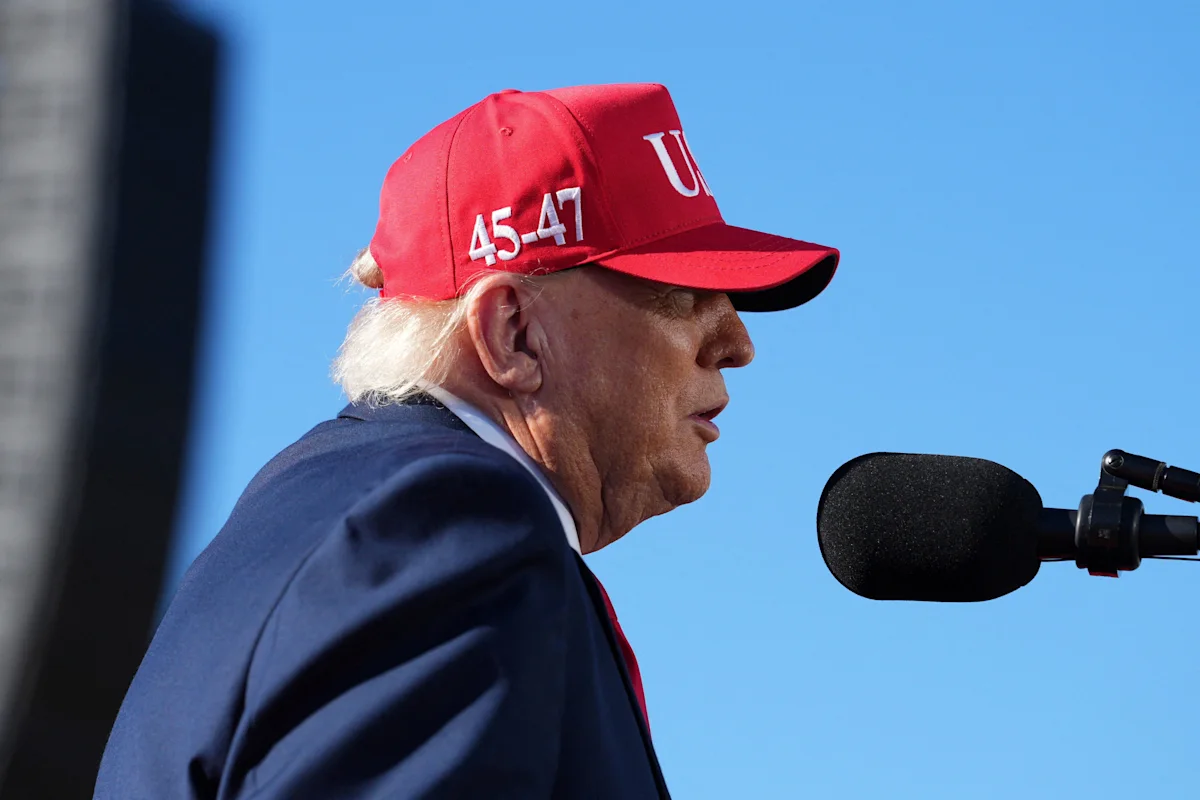
US President Donald Trump has called for new leadership in Ukraine, criticising President Volodymyr Zelensky for striking Russian oil refineries.
“It’s time for Ukraine to get a new president” he told reporters.
On Friday Trump announced a deal with Moscow to import Russian diesel, a deal Zelensky described as “a gift” to President Putin.
BBC.
International
Japan beer giants raided over alleged price-fixing cartel
Asahi, Kirin and Sapporo all saw their share price fall after news of the investigation broke on Wednesday. Suntory’s beer business is not publicly-listed.

Image credit: BBC| GETTY Images
Japanese officials have raided the country’s biggest beer makers over allegations they worked together to raise the price of their beverages.
Asahi, Sapporo, Kirin and Suntory Spirits confirmed to the BBC that their premises had been searched by the Japan Fair Trade Commission (JFTC), adding that they would fully cooperate with the regulator.
The four firms dominate Japan’s beer market, with their drinks a common sight in supermarkets and convenience stores across the country.
Asahi, Kirin and Sapporo all saw their share price fall after news of the investigation broke on Wednesday. Suntory’s beer business is not publicly-listed.
“I do not deny that an investigation is being conducted today, but I’d like to refrain from commenting on the details as a preliminary review is underway,” JFTC Secretary General Iwanari Hiroo said, according to local media.


HAPPENING NOW: Lagos E-Hailing Drivers Begin Indefinite Strike Over Fares, Welfare Others

2027: 119 Women Jostle For State’s Governors

Afreximbank Hails Africa Credit Rating Agency

Tech Expert, Zuckerberg trains with UFC champions, Adesanya, Alexander

Organ Trafficking: Ekweremadu bags 10 years in UK prison

SAINT OBI: Between his marriage and his death
-

 News3 days ago
JUST IN: Omi Eko Project Debunks Claims of Zero Progress
-

 News3 days ago
JUST IN: A’Court Stalls SERAP, Oluwadare Defamation Appeals Over Late Briefs
-

 Business3 days ago
JUST IN: NNPC Clarifies Petrol Discount: Relief Initiative, Not Subsidy Restoration
-
 Business4 hours ago
Nigeria’s ₦33bn Fruit Import Bill Exposes Missed Opportunities in Jos
-

 Business5 hours ago
Naira To Dollar, Pound ,Euro …Rates For Monday, October 12
-

 Business3 days ago
Investors Rush For Airtel Money IPO on LSE
-

 International17 hours ago
‘Up to our people’ to pick leader, Zelenskyy responds to Trump’s pledge for new elections in Ukraine
-

 International18 hours ago
Time for Ukraine to get a new president’, says Trump