
Business
Siemens Shifts Completion of Nigeria’s 11,000MW project To 2030


Siemens Power, the German company behind Nigeria’s Presidential Power Initiative (PPI) says the deal to upgrade Nigeria’s grid would be completed in 2030, 5 years after the original due date.
This was disclosed by Oladayo Orolu, head of business development and government relations at Siemens Energy said in an interview with Bloomberg on Monday.
He blamed delays caused by the Covid-19 pandemic, which they say disrupted supply chains.
Orolu in the interview revealed that the rehabilitation and expansion of Nigeria’s electricity grid by 2025, will now only conclude the project in 2030, according to the report he said: “The three-phase project was set back by delays in starting the first phase.”
“When we conceptualized this project in 2018, our plan was within two years we should be done with phase one, but then Covid happened, disrupting supply chains, which meant getting raw materials took longer than before.”
They added that cost overruns also affected the project’s completion, as they expect electricity output to increase by an additional 2,000 megawatts at the completion of phase one by 2025, with the objective of phase one to quick fix projects that will free up 2,000 megawatts.
He said: “We currently have 5000, we are looking at taking that to 7,000,”
Business
Obi Sees Something Good in Tinubu’s “Naira Float Policy ‘
The policy was introduced by the Tinubu administration in June 2023 as part of wider foreign exchange reforms.

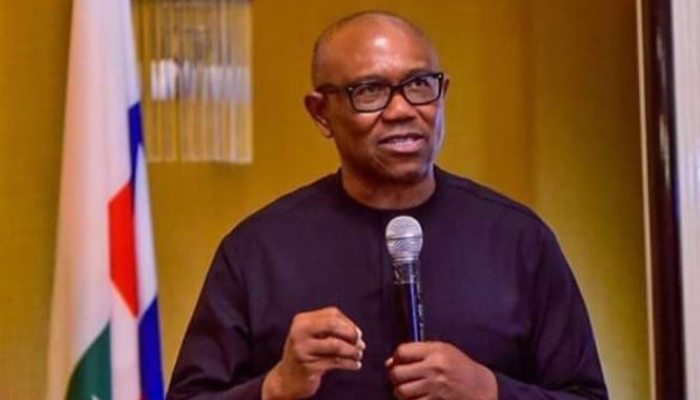
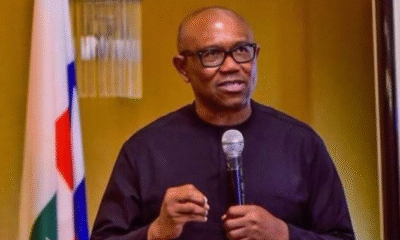
The presidential candidate of the National Democratic Congress (NDC) for the 2027 election, Peter Obi, has said he would retain President Bola Ahmed Tinubu’s naira float policy if elected president.
The policy was introduced by the Tinubu administration in June 2023 as part of wider foreign exchange reforms.
The Central Bank of Nigeria removed restrictions at the Investors and Exporters foreign exchange window, allowing the naira to trade more freely against the dollar and other major currencies
Obi made the disclosure in a public statement on air, emphasising that his administration would seek to strengthen the currency by prioritising productivity and increasing economic output rather than reversing the floating exchange-rate framework.
Asked to identify one policy of the Tinubu administration he would keep if elected, Obi said, “There’s one – the floating of the Naira. I’m not going to defend it. But I’m going to put productivity to make it more valuable to the people.”
His position means he would maintain the floating exchange-rate system while seeking to change the economic conditions that determine the strength and value of the naira.
Business
Dangote Refinery Buys 16m Barrels Of Nigerian Crude For October
The October supply is equivalent to about 520,000 barrels per day, representing most of the refinery’s 700,000 barrels-per-day processing capacity.

Dangote Refinery has bought at least 16 million barrels of Nigerian crude oil for delivery in October.
Reuters reported that the 16 million barrels comprise monthly crude allocations from the Nigerian National Petroleum Company and additional volumes purchased through a tender.
The October supply is equivalent to about 520,000 barrels per day, representing most of the refinery’s 700,000 barrels-per-day processing capacity.
The increased crude purchases highlight the refinery’s rising demand for feedstock as it expands operations and moves closer to operating at a larger share of its installed capacity.
Business
Brent crude slid to around $106 per barrel
Top US officials reportedly warned President Donald Trump that the war could continue through the remainder of his term, which ends in January 2029.
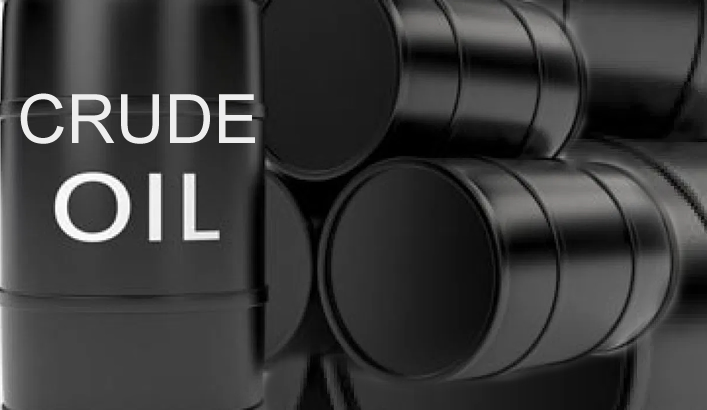
Brent crude slid to around $106 per barrel on Friday in a likely technical correction, but was still set to end the week sharply higher as the escalating conflict between the US and Iran fueled concerns over prolonged disruptions to global energy supplies.
Top US officials reportedly warned President Donald Trump that the war could continue through the remainder of his term, which ends in January 2029.
Meanwhile, Iranian leaders are reportedly determined to continue fighting despite mounting economic costs, viewing the conflict as an existential threat.
They also claim that Tehran has managed to rebuild its missile capabilities and could intensify attacks on US and Gulf assets if Washington escalates its own strikes.
Fighting has intensified over the past two weeks, with the US targeting Iranian oil tankers while Iran launched missiles at US warships and tankers in the Persian Gulf, as well as American assets in neighboring countries.


Bamanga Tukur, former Adamawa gov, ex-PDP Chair dies at 90

Bayelsa deploying 19 doctors, 210 nurses to strengthen primary healthcare centres

Albert Horsfall, Ex-SSS Director-General dies

Tech Expert, Zuckerberg trains with UFC champions, Adesanya, Alexander

Organ Trafficking: Ekweremadu bags 10 years in UK prison

SAINT OBI: Between his marriage and his death
-
 Business3 days ago
Elumelu shares inspiring story of his beginning as a “young, hungry sales rep”
-
 News3 days ago
FG scraps data charges for students, plans internet restrictions to under 16s
-

 Business2 days ago
Brent crude slid to around $106 per barrel
-

 Business2 days ago
Dangote Refinery Buys 16m Barrels Of Nigerian Crude For October
-
 News3 days ago
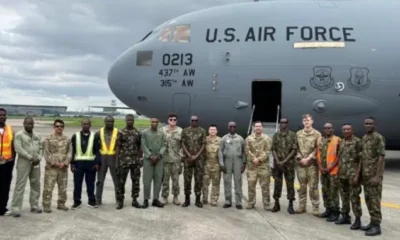
US delivers military equipment to Nigeria
-
 News2 days ago
Albert Horsfall, Ex-SSS Director-General dies
-
 Business2 days ago
Obi Sees Something Good in Tinubu’s “Naira Float Policy ‘
-
 Health2 days ago
Bayelsa deploying 19 doctors, 210 nurses to strengthen primary healthcare centres