
News
Nigerian Editors Tackle Key Issues in Jos Meeting

The Standing Committee of the Nigerian Guild of Editors (NGE) – that’s the top group of media leaders – got together on September 17, 2025, in Jos, Plateau State to deliberate.
After robust deliberations on critical issues affecting the media, governance and the society agreed as follows:
1. Strongly condemns the abuse of the Cybercrime Act (Cybercrime (Prohibition, Prevention, etc.) Act by law enforcement agents, particularly the police, to harass, intimidate, arrest and illegally detain journalists who are exercising their rights to freedom of the press and thereby undermining democracy and the rule of law.
The Guild will no longer tolerate this abuse and will use all legal means to ensure the protection of the fundamental human rights of journalists, freedom of the press and freedom of expression.
2. Calls for a thorough review of the Cybercrime Act and its use for the original intension, which is to fight cybercrime in relation to financial fraud, identity theft and attacks on computer systems, among others.
3. Reminds security agencies that the Ombudsman process instituted by the Nigerian Press Organisation is capable of addressing infractions to the Code of Journalism Ethics as has been proven in the past.
Security agencies should respect this process by encouraging those who write petitions and making them the arbiter to approach the Ombudsman or seek legal redress instead of making security agencies tool of oppression, intimidation and harassment.
4. Calls on journalists to do their job with high level of professionalism by adhering to the Code of Ethics approved by the Nigerian Press Organisation (NPO) and not to engage in any form of blackmail, and defamation whatsoever.
5. Expresses concerns about the increasing excesses of political actors, both in government and the opposition, and calls on them to address national issues and governance instead of personal attacks and name-calling.
The conduct of politicians is worrisome, whether in government or the opposition. They should desist from personal attacks and name calling. They should address issues of governance and proffer solutions. Careless talks heat up the polity, incite people, instigate crisis and are capable of causing breach of peace and security of the nation. This should stop forthwith.
6. Reminds the three tiers of government – federal, state and local governments – that the main purpose of governance is to address fundamental issues bordering on citizens’ socio-economic wellbeing and security, urging them to focus on governance and stop talking about future elections when they have not fulfilled their Social Contract in the subsisting term of office.
7. Urges the federal government and the security agencies to be more proactive and effective in tackling banditry, insurgency, kidnapping, herder-farmer clashes and other vices, for the purposes of saving lives, boosting food security and creating a more conducive environment for Nigerian citizens wherever they live.
8. Expresses thanks to the Plateau State governor, Caleb Muftwang, for playing host to editors and for striving to better the lives of the people and ensure a cordial relationship among all ethnic groups in the state.





News
Police must pay transport fares, says AIG
” No police officer has the right to enter your vehicle without paying. We should assist one another willingly, not by force,” he said.

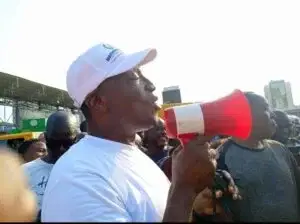
• The Assistant Inspector-General of Police(AIG) in charge of Zone 2 Command, Mr Olohundare Jimoh, speaking with transporters at Obalende garage, Lagos State, on Wednesday.
The Assistant Inspector-General of Police, Zone 2 Command, Mr Olohundare Jimoh, has declared that officers must pay fares before boarding commercial vehicles, warning against abuse of authority.
Jimoh spoke on Wednesday at Obalende garage during a sensitisation meeting with drivers and transport workers marking National Police Day 2026.
He stressed that relations between police and the public must be based on partnership, not coercion, urging both sides to support each other voluntarily.
“No police officer has the right to enter your vehicle without paying. We should assist one another willingly, not by force,” he said.
Jimoh called for stronger cooperation to maintain safety and order on roads, insisting there was no conflict between officers and transport unions.
“I don’t collect money from officers. We don’t arrest people arbitrarily. If you have issues with any officer, report directly to me,” he said.
(Vanguard)
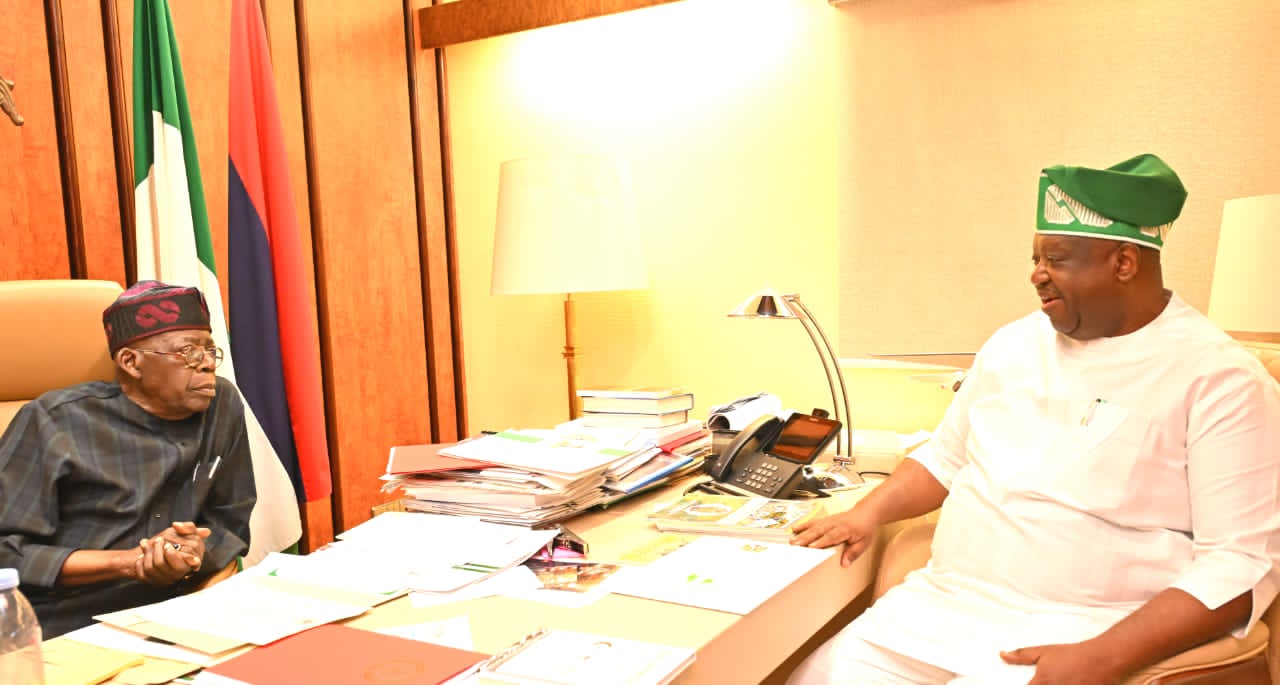
President Bola Ahmed Tinubu will leave for Jos tomorrow to commiserate with the state government and residents over recent deadly gun attacks that lefts dozens dead.
This was following Governor Caleb Mutfwang’s security briefing to the President on the recent violent attack in Angwan Rukuba, Plateau State.
During the meeting on Wednesday at the presidential villa in Abuja, Governor Caleb Mutfwang told Mr President that although security forces have restored calm after fresh disturbances involving looters on Wednesday morning, following the deadly Palm Sunday attack that left more than a dozen dead and many others injured.
He said that investigations are continuing to determine the identities or motives of the attackers who are yet to be apprehended .
Presidency source said that President Tinubu was initially scheduled for a planned trip to Ogun State to flag off operations at the Gateway International Cargo Airport on Thursday.
From Jos, the President will travel to Lagos to observe Good Friday.
On Saturday, April 4, he will visit Ogun State to commission projects including the cargo airport.
He will then return to Lagos during the Easter holiday to commission several state infrastructure projects, including the Ojota/Opebi Link Bridge.
Before heading back to Abuja, the president will visit Bayelsa State on April 10 to commission projects completed under Governor Duoye Diri.
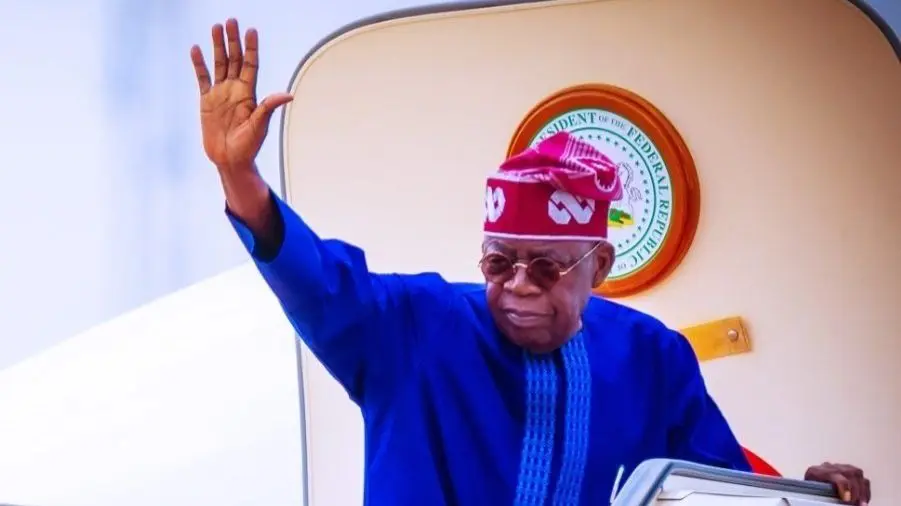
President Bola Ahmed Tinubu will tomorrow embark on a visit to Jos, Plateau State, as the first leg of a five-state tour across the country.
The Presidency announced that the President has postponed his scheduled trip to Ogun State to enable him to commence the series of official visits.
Details of the remaining four states in the tour are expected to be released by the Presidency in due course.
The development comes as President Tinubu continues nationwide engagements aimed at assessing development projects, interacting with stakeholders, and addressing key national issues in the respective states.
Further updates on the itinerary will be communicated as the visits progress.


Onyejeocha resigns as Minister of State for Labour

No force can defeat Tinubu in 2027 –Umahi

Labour Party to hold presidential primary April 28

Tech Expert, Zuckerberg trains with UFC champions, Adesanya, Alexander

Organ Trafficking: Ekweremadu bags 10 years in UK prison

SAINT OBI: Between his marriage and his death
-
 Business3 days ago
33 Nigerian Banks Beat CBN’s Recapialisation with ₦4.65trn Combined Capital Base
-

 Sports3 days ago
FirstBank Sponsors Samuel Okwaraji U-16 Football Championship 2026
-
 Politics2 days ago
BREAKING: INEC Withdraws Recognition of David Mark’s ADC
-
 News2 days ago
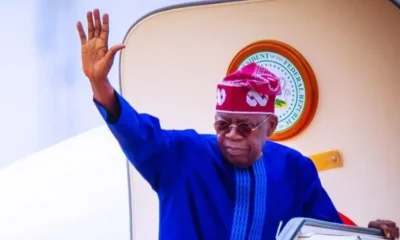
JUST IN: Tinubu Heads to Jos Tomorrow, Postpones Ogun Trip for 5-State Visits
-

 Entertainment3 days ago
Super Eagles Iwobi to launch music album ‘More To Life’
-
 News3 days ago
Easter: FG declares Friday, Monday public holidays
-

 Politics3 days ago
Arise News Anchor Ikokwu in Political Race for Reps Seat
-
 News2 days ago
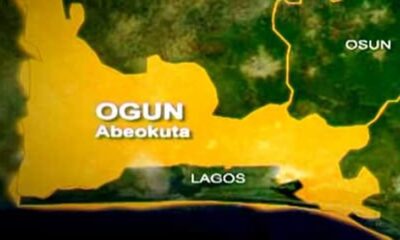
Gas Leak in Ogun School: 30 Students, Teacher Hospitalised