
News
I knew what poverty is when I became Emir – Sanusi Lamido

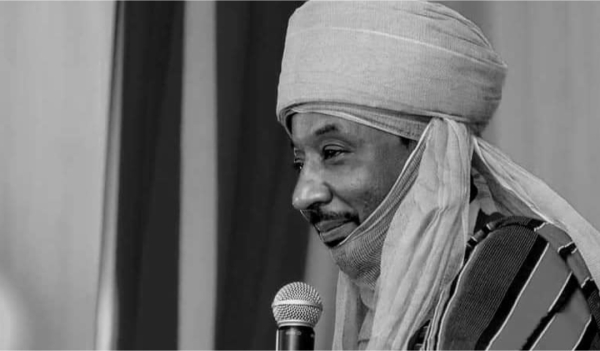
“Do we actually love the people or do we just love ruling over them? What are our priorities?
The Emir of Kano and former Governor of the Central Bank of Nigeria, Sanusi Lamido Sanusi, has said he got to know what poverty truly is when he mounted the throne.
Sanusi said this in a goodwill message at a public lecture with the theme: “Weaponization of poverty as a means of underdevelopment: A case study of Nigeria.”
It was held to commemorate the 60th birthday celebration of former Rivers State Governor, Rotimi Amaechi, in Abuja, on Saturday.
The former CBN Governor said, “Many of the elites in Nigeria do not know what poverty is.
As an economist, former CBN Governor, I see the numbers. I did not know poverty until I became Emir.
“And you go to the village and see the water they drink, the houses they live in, the two block classrooms without roofs.
“Do we actually love the people or do we just love ruling over them? What are our priorities.?
We make overheads and underpasses for ourselves in the cities while there in the rural areas cannot reach hospitals. We are in crisis, how do we get out, should be our focus.”
Sanusi charged those saddled with the responsibility of leadership to inculcate the virtues of empathy with those they’ve been given a responsibility to lead.
Also speaking at the event, former Kaduna State Governor Nasir El-Rufai expressed concern that Nigerians kept repeating the same mistake of electing the worst among us into leadership positions.
According to him, “We keep electing people who only know how to grab power but don’t know what to do with it.”
A former Executive Secretary of the National Health Insurance Scheme, Prof. Usman Yusuf, in his intervention, explained that most of the cases being handled in hospitals were not medical.
Yusuf blamed corruption and bad governance for the multidimensional poverty in Nigeria. He emphasised that citizens live up to their responsibilities and vote for what is right.





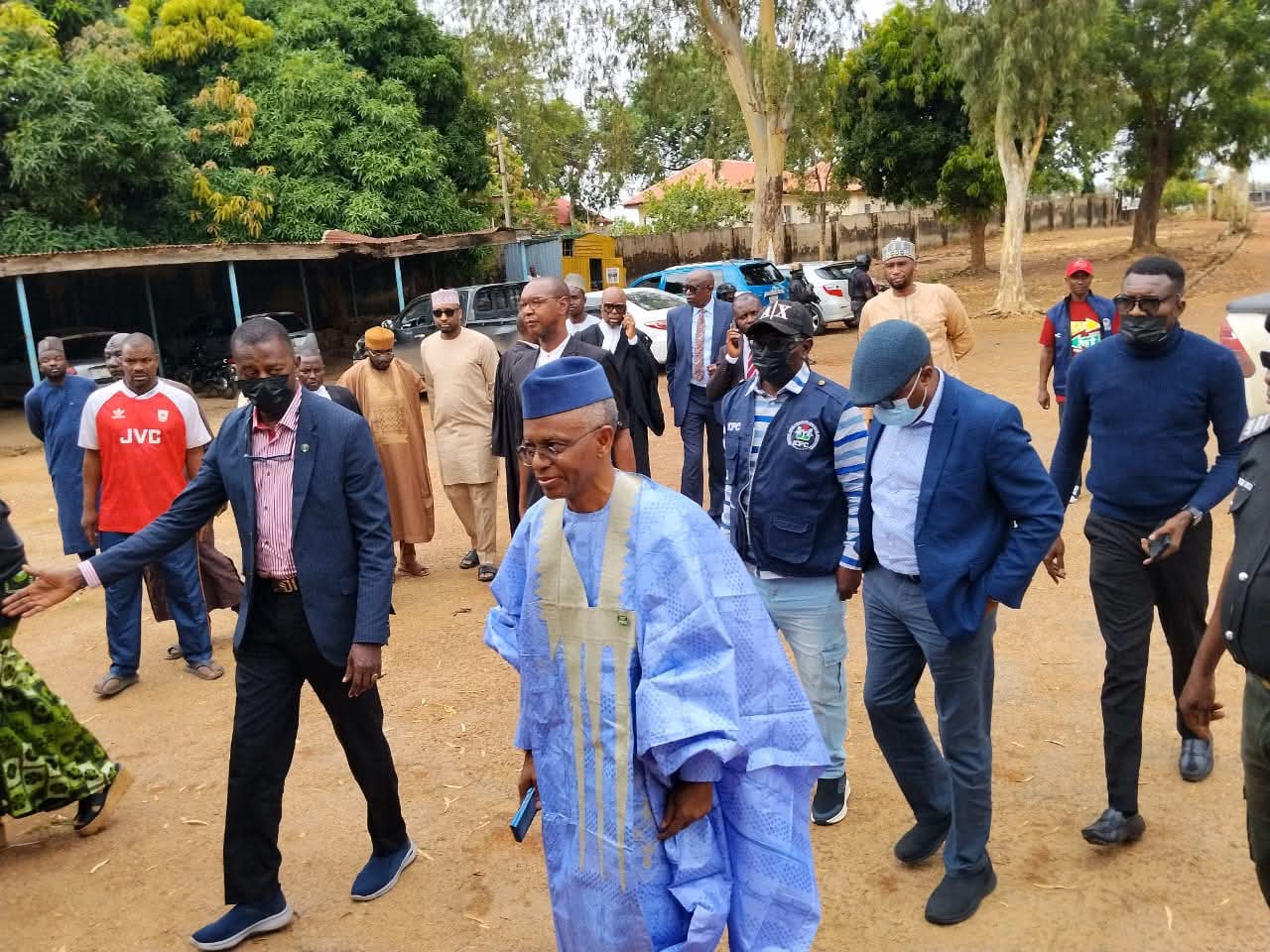
The former Kaduna State Governor, Nasiru El-Rufai, on Tuesday morning arrived at the Kaduna State High Court for the trial, and there after he is expected to proceed to the Federal High Courtfor continuation of his proceedings.
The former governor arrived at the Kaduna State High Court amid tight security presence, as legal teams from both sides prepare to continue hearing in the matter. El-Rufai is also scheduled to appear before the Federal High Court for continuation of related legal processes.
The case continues to attract significant public attention, with observers closely monitoring developments across both courts.
Details of the matters to be addressed in both courts have not been fully disclosed, but outcomes from the hearings are expected to influence the direction of the trial.
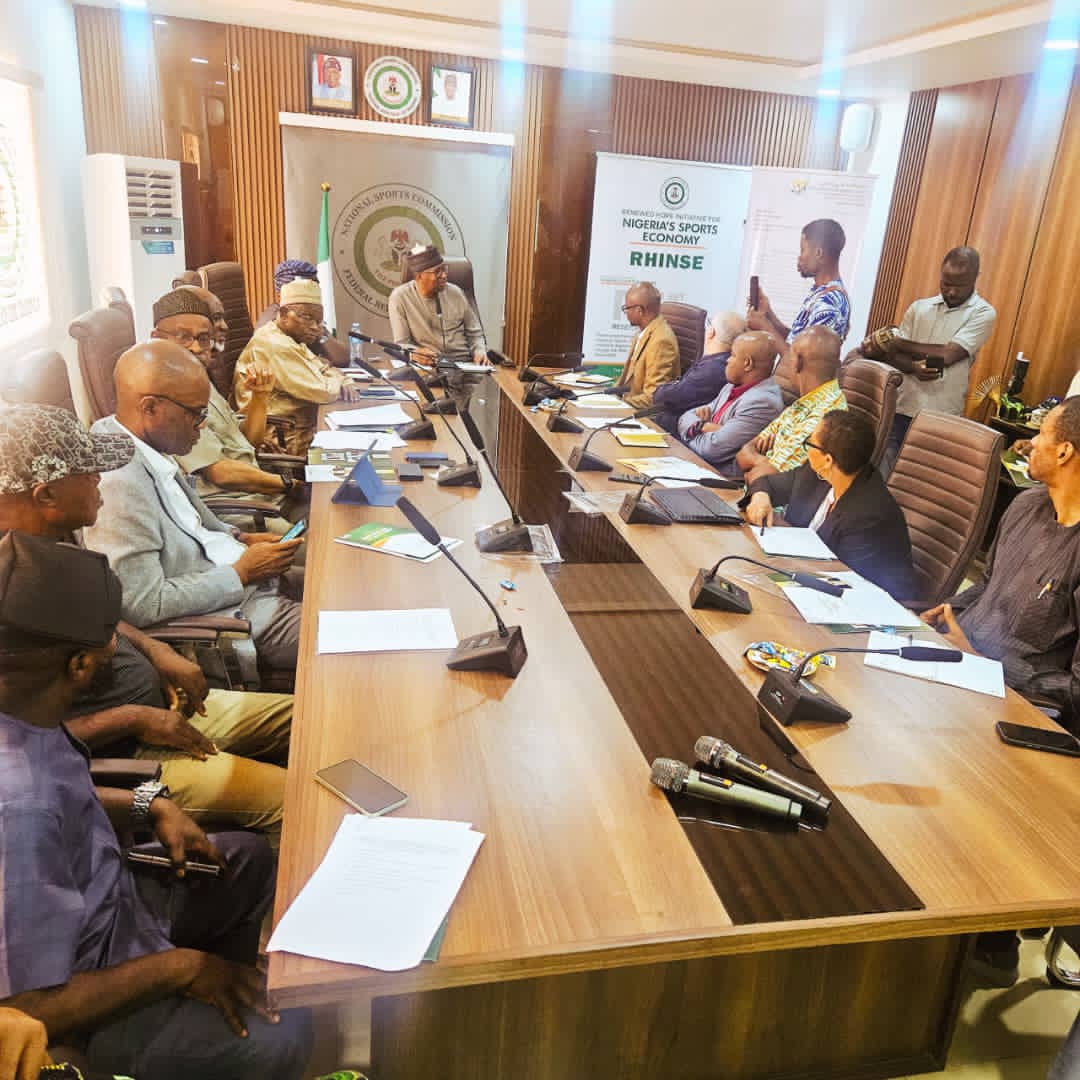
Nigeria officially welcomed the African Games Bid Evaluation Committee on Monday, marking a significant step in the nation’s quest to host the 2031 African Games.
The delegation, led by Dr. Decius Chipande, was received by top officials of the National Sports Commission (NSC) and treated to a comprehensive and compelling presentation showcasing Nigeria’s readiness, capacity, and vision to host a memorable Games.
Chairman of the NSC, Mallam Shehu Dikko, in his remarks, reaffirmed the solid support of the Federal Government for the bid.
He emphasized that hosting the African Games remains a national priority, backed by strong political will and a commitment to deliver world-class infrastructure, seamless organization, and a lasting legacy for African sports.
Director General of the Commission, Hon. Bukola Olopade, presented Nigeria’s strategic sponsorship and marketing framework, outlining innovative approaches to funding and commercial partnerships.
He noted that Nigeria’s large market, vibrant sports culture, and growing private sector interest provide a solid foundation for a financially successful Games.
Providing further depth to the bid, ace broadcaster and Bid Coordinator, Mainasara Ilo, delivered an engaging presentation on legacy, highlighting how the Games would catalyze youth development, infrastructure expansion, and community impact across the country.
On the technical front, former Director of Medicine at the Commission, Dr. Paul Onyedo, detailed Nigeria’s preparedness in sports medicine and its scientific approach to anti-doping, testing, and athlete health management, aligning with international best practices.
In addition, Dr. Emmanuel Igbinosa presented the country’s comprehensive welfare framework, assuring the Committee of Nigeria’s readiness to provide a safe, secure, and athlete-centered environment throughout the Games.
The Evaluation Committee commended Nigeria’s presentation, noting the clarity of vision, depth of planning, and strong alignment between government and private sector stakeholders.
The Committee commenced inspection of key facilities on Monday, with further assessments on Tuesday.
Nigeria remains confident that its compelling bid, backed by experience, infrastructure, and national commitment, positions the country strongly to host a historic and impactful African Games.
The Nigerian Education Loan Fund (NELFUND) has clarified reports circulating about an increase in the monthly upkeep allowance for student beneficiaries, describing such claims as inaccurate.
According to the Fund, the officially approved monthly upkeep allowance remains ₦20,000, not ₦25,000 as widely reported in some quarters.
NELFUND urged students and the general public to disregard any misleading information and rely solely on its verified communication channels for updates and announcements.
The Fund reaffirmed its commitment to transparency, efficiency, and delivering student-centered financial support across the country, urging students seeking further clarification or assistance to contact NELFUND via its official email and social media platforms for prompt and accurate responses.


El-Rufai Appear in State High Court, after Mother’s death, as Trial Continues

Nigeria Welcomes African Games Bid Evaluation Committee

NELFUND Debunks Claims of ₦25,000 Student Upkeep Allowance

Tech Expert, Zuckerberg trains with UFC champions, Adesanya, Alexander

Organ Trafficking: Ekweremadu bags 10 years in UK prison

SAINT OBI: Between his marriage and his death
-

 Business2 days ago
Governor Otti Commissions Ultimum Manufacturing Plant in Aba
-
 Sports2 days ago
CAF appoints Nigeria’s Samson Adamu as acting secretary general
-
 News1 day ago
President Tinubu at 74, Donates Salaries to Armed Forces Welfare Fund
-
 Politics1 day ago
PDP will contest 2027 polls, says Wike
-
 Business1 day ago
OPay launches new office in Jos
-

 Politics23 hours ago
PDP Leadership Crisis: Faction Heads to Supreme Court as Tussle Deepens
-
 Politics2 days ago
JUST IN: Kwankwaso Set to Join ADC on Monday
-

 News24 hours ago
Lagos High Court Embraces Full Digital Transformation with Mandatory E-Filing