
International
How Iran chooses its supreme leader, and who could be next?
Under Iran’s constitution, the supreme leader is appointed by the Assembly of Experts, an 88-member clerical body elected by the public every eight years.

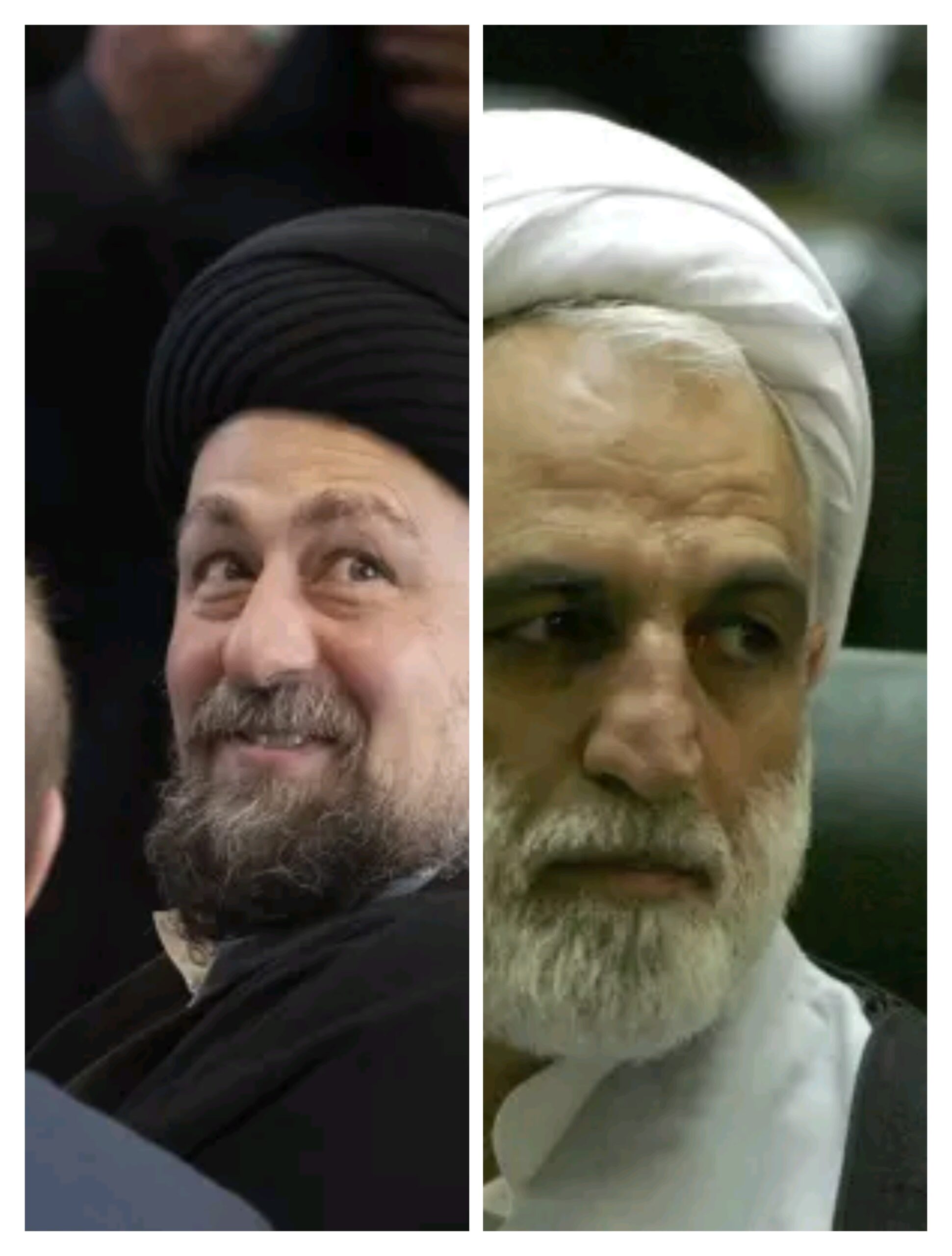
Key Contenders: Hassan Khomeini; Gholam-Hossein Mohseni-Ejei, and Alireza Arafi.Credit: CNBC
Ayatollah Ali Khamenei’s death following joint U.S.-Israeli airstrikes has thrust Iran’s leadership into the urgent process of selecting a new supreme leader.
CNBC reports that under Iran’s constitution, the supreme leader is appointed by the Assembly of Experts, an 88-member clerical body elected by the public every eight years.
Candidates for the Assembly are first vetted by the Guardian Council, tightly controlling who can run.
When the position becomes vacant, the Assembly convenes to deliberate and select a successor.
The decision requires a simple majority vote.In the interim, a provisional three-member leadership council assumes the supreme leader’s duties until a replacement is formally appointed.
In the interim, a provisional three-member leadership council assumes the supreme leader’s duties until a replacement is formally appointed.
On Sunday, local media reported that the temporary council comprises President Masoud Pezeshkian, Judiciary Chief Gholam-Hossein Mohseni-Ejei and Ayatollah Alireza Arafi, who serves as the Guardian Council’s representative.
The council’s authority is strictly transitional, while the Assembly of Experts retains sole constitutional power to choose Iran’s next supreme leader.
On Polymarket, traders are pricing Mohseni-Ejei as the narrow frontrunner at roughly 18%. Other top contenders include Arafi and Iranian cleric Hassan Khomeini.
The “Position abolished” outcome is trading close behind, suggesting that while markets still lean toward an individual successor, there is meaningful speculation around a potential structural change to the office itself.
Here are some key contenders:
- 1. Gholam-Hossein Mohseni-Ejei
- .
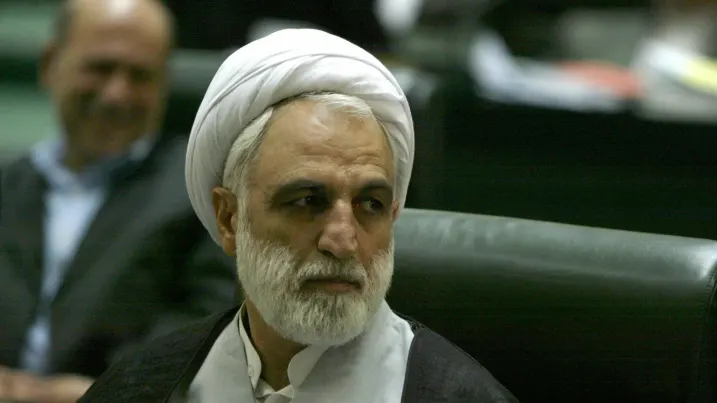
Mohseni-Ejei has been the Chief Justice of Iran since July 2021, overseeing the country’s judiciary and supervising legal policy across the Islamic Republic. Before that, he served as prosecutor-general from 2009 to 2014, was first deputy head and spokesperson of the judiciary from 2014 until 2021, and earlier held national security roles, including minister of intelligence from 2005 until 2009.
He has also been a longtime member of the Expediency Discernment Council, a key advisory body to Iran’s leadership, and his career has spanned senior positions in both the judicial and security apparatus.
2. Hassan Khomeini
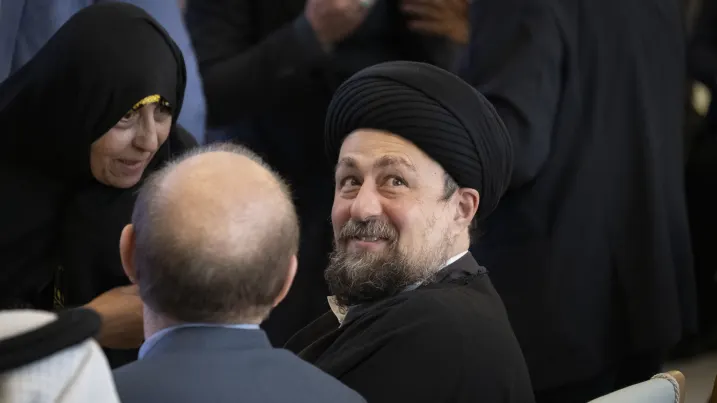
Khomeini is the grandson of Islamic Republic founder Ayatollah Ruhollah Khomeini, could theoretically serve as a bridge between the revolutionary system and reform-minded constituencies, said the Council on Foreign Relations.
CFR suggested that elevating someone like him might help preserve the core structure of the Islamic Republic, ease Iran’s international isolation, and address popular dissatisfaction at home.
3. Alireza Arafi
Arafi is a senior Iranian cleric and influential figure within the Islamic Republic’s religious and political hierarchy.
He has risen through the clerical establishment with a series of key appointments, including director of Iran’s seminaries, Friday Prayer leader in Qom, and member of both the Guardian Council and the Assembly of Experts, the body constitutionally tasked with selecting the supreme leader.
Arafi’s roles in shaping theological education and vetting political candidates have made him a central fixture in Iran’s clerical power structure.
What’s next?
Under Article 111 of Iran’s constitution, the death or incapacity of the supreme leader immediately triggers the formation of a temporary leadership council to exercise his powers until a successor is chosen.The constitution does not set a strict deadline for the Assembly of Experts to appoint a new leader, but it states that the Assembly must act “in the shortest possible time.”

International
Iran reopens Strait of Hormuz following two-week cease-fire agreement with Trump
Pakistan, which has mediated between Tehran and Washington, said that an immediate ceasefire between Iran and the US had taken effect.
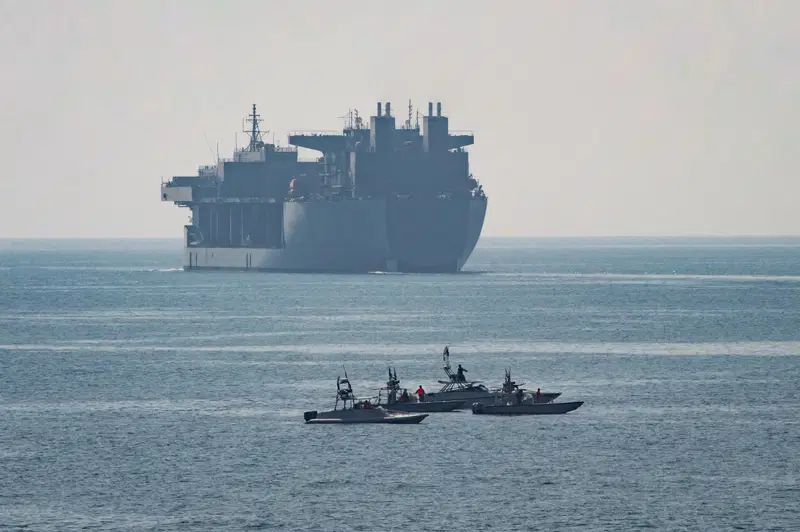
Iranian Foreign Minister Abbas Araghchi said safe passage through the Strait of Hormuz would be possible for two weeks in coordination with Iran’s armed forces “and with due consideration of technical limitations.”
The development follows a two-week ceasefire announced by U.S. President Donald Trump, the Tasnim news agency, which is close to the Islamic Revolutionary Guard Corps (IRGC), reported early on Wednesday.
Pakistan, which has mediated between Tehran and Washington, said that an immediate ceasefire between Iran and the US had taken effect.
Prime Minister Shehbaz Sharif wrote on X that the Islamic Republic of Iran and the U.S., along with their allies, had agreed to an “immediate ceasefire everywhere,” including in Lebanon.“
Trump had made reopening the waterway a condition for the ceasefire and had threatened to target Iran’s energy sector and infrastructure, including bridges, if Tehran failed to comply, setting a deadline of 0000 GMT.
The Strait of Hormuz, crucial to global oil and gas trade, has been largely closed since the United States and Israel launched large-scale attacks on Iran on Feb. 28.
According to a senior U.S. official, Israel will also adhere to what Trump described as a “double sided CEASEFIRE.”

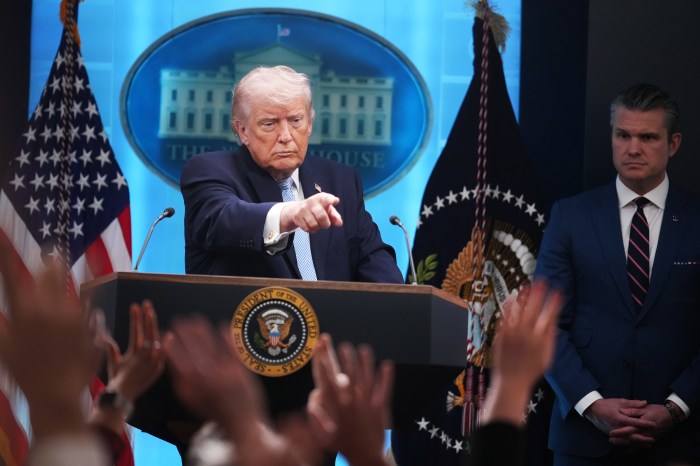
Oil prices climbed sharply while global stocks wavered and mostly declined on Tuesday as President Donald Trump’s looming deadline for Iran to reopen the Strait of Hormuz or face escalated U.S. strikes heightened geopolitical tensions and investor anxiety.
Brent crude futures rose about 1% to trade near $111 per barrel, with U.S. West Texas Intermediate crude also pushing higher amid fears that prolonged disruption to the critical waterway through which a significant portion of global oil supplies passes could worsen energy shortages. Oil has surged more than 50% since the conflict intensified.
Meanwhile, major U.S. stock indexes showed mixed but largely cautious trading, with many shares slipping as investors weighed the risk of further military escalation, including potential strikes on Iranian power plants and infrastructure.
European and Asian markets were similarly tentative, reflecting broader concerns over inflation, energy costs, and economic fallout from the ongoing Middle East conflict.
Trump has set a firm deadline of 8 p.m. ET Tuesday (1 a.m. GMT Wednesday) for Iran to reach a deal and reopen the strait, warning of decisive action if unmet. He has threatened to “decimate” Iranian bridges and power plants, stating the country “could be taken out in one night.
”Iran has rejected recent ceasefire proposals, calling instead for a permanent end to hostilities, while markets remain on edge with no clear resolution in sight.
Analysts warn that sustained high oil prices could fuel global inflation and slow economic growth, though some investors still hope for a last-minute diplomatic breakthrough.
The developments come as the International Energy Agency has described the current oil and gas crisis linked to the Hormuz blockade as potentially more severe than previous major shocks combined.
International
Trump warns Entire Iran could be ‘taken out’ Tuesday night
” The entire country could be taken out in one night, and that night might be Tuesday night,” he said.
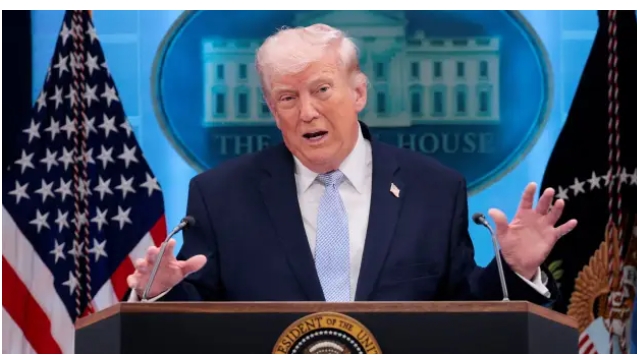
US President Donald Trump says Iran could be “taken out” in one night as the deadline set for the country to open the Strait of Hormuz to shipping traffic approaches.
On Saturday, Trump gave Iran 48 hours to comply or risk facing “hell”.
He later threatened that the US would blow up Iran’s power plants and bridges if Tehran failed to adhere to his warning.
The US president said Iran had until Tuesday at 8 p.m. ET (1 am WAT) to make a deal.
In a press conference on Monday, Trump reiterated and intensified his threats.
“The entire country could be taken out in one night, and that night might be Tuesday night,” he said.


FG Unmasks 60 Persons and Corporates Behind Terrorism Financing, Order Banks To Freeze Their Accounts

Police reopens, handover PDP Hqtrs to Wike backed Faction

Gunmen Kill Traditional Ruler, Four Others in Imo State, Set Bodies Ablaze

Tech Expert, Zuckerberg trains with UFC champions, Adesanya, Alexander

Organ Trafficking: Ekweremadu bags 10 years in UK prison

SAINT OBI: Between his marriage and his death
-
 News2 days ago
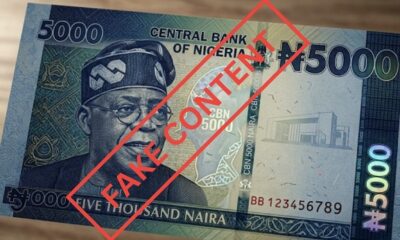
CBN Debunks Viral Fake News of ₦5,000 Banknote Featuring President Tinubu’s Image
-
 Politics2 days ago
2027: Bode George warns INEC, Judiciary Drifting Nigeria Towards ” One Party Rule”
-
 News3 days ago
INEC releases updated voters registration figure nationwide
-
 Crime2 days ago
Tinubu Mourns Soldiers Killed in Benisheikh Terror Attack
-
 Business2 days ago
DR Congo Central Bank Announces Ban on Foreign Currency Cash Transactions from 2027
-
 News3 days ago
US Declares 23 Nigerian States High-Risk for Citizens
-
 Politics1 day ago
NBA Cautions Lawyers Against Involvement in Political Party Disputes
-

 Business1 day ago
Supreme Court Overturns Appellate’s Ruling on $2bn Debt Recovery Battles Nestoil /Neconde Energy vs FBNQuest Merchant Bank