
Politics
Dust Risen by Electoral Act not over, as Atiku, Obi, Amaechi, others meet
The opposition leaders, who are meeting at the Lagos/Osun Hall of Transcorp Hilton, are expected to address journalists on contentious provisions of the Electoral Act, as well as other key national issues.

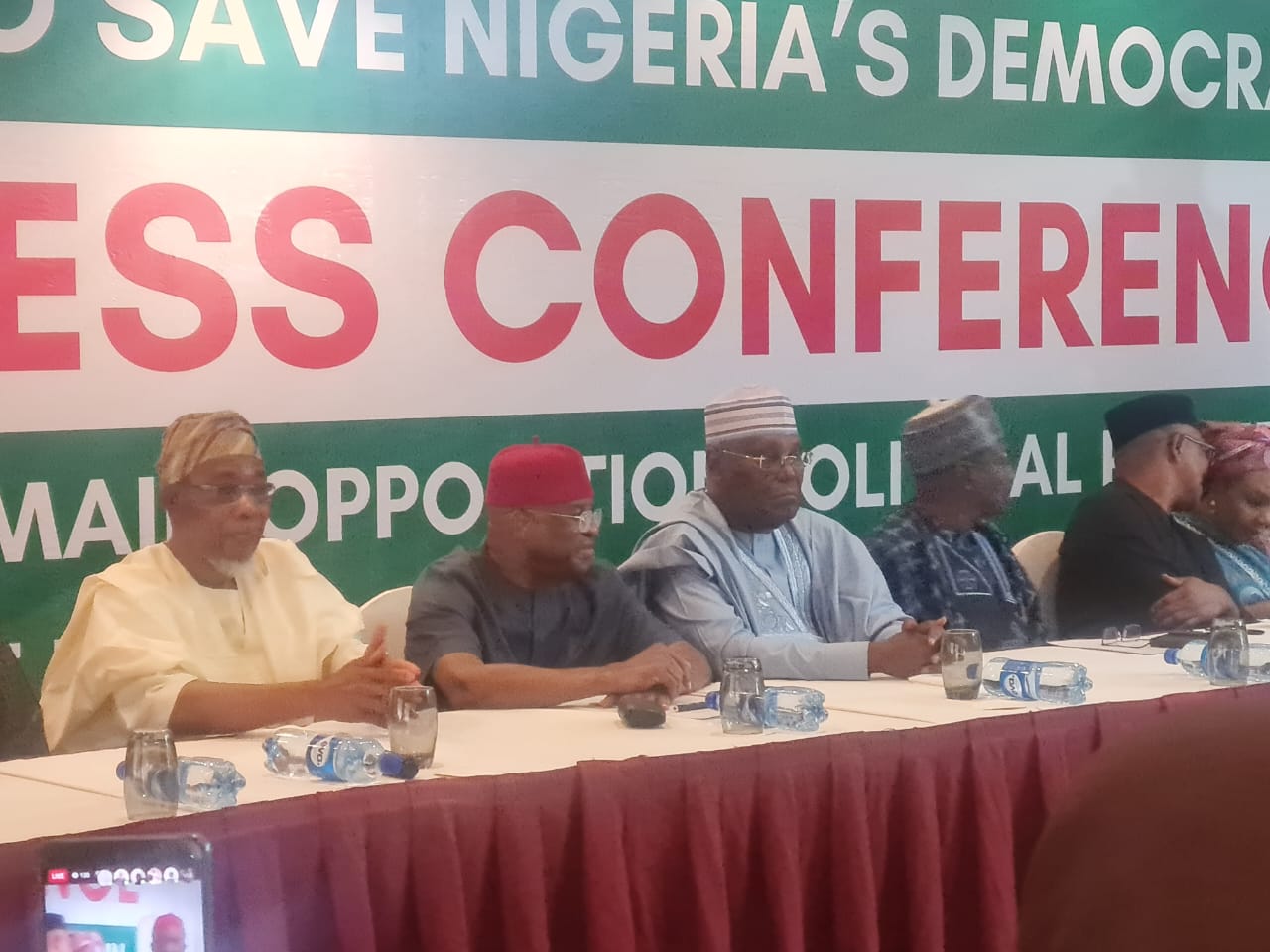
Leading opposition figures, including a former Vice-President, Atiku Abubakar, and the 2023 presidential candidate of the Labour Party, Peter Obi, are currently gathered at Transcorp in Abuja to present their position on the Electoral Act.
Also present are former Senate President David Mark, a chieftain of the New Nigeria Peoples Party, Buba Galadima, a former Rivers State Governor, Rotimi Amaechi, and the National Secretary of the African Democratic Congress, Rauf Aregbesola.
The opposition leaders, who are meeting at the Lagos/Osun Hall of Transcorp Hilton, are expected to address journalists on contentious provisions of the Electoral Act, as well as other key national issues.
Other stakeholders at the venue include the ADC National Publicity Secretary, Bolaji Abdullahi; Senator Dino Melaye; a former ADC National Chairman, Ralph Nwosu; and a former Cross River State Governor, Liyel Imoke, among others.
Under the Electoral Act 2022, political parties were permitted to nominate candidates through direct primaries involving all registered members, indirect primaries conducted by delegates, or by consensus arrangements reached by party leaders.
However, the 2026 Electoral Act, recently passed by the National Assembly and assented to by President Bola Tinubu on February 18, restricts parties to only direct primaries and consensus options.
In addition, the new law shortens campaign periods and timelines for primaries, while funding for the Independent National Electoral Commission will now be released six months before an election, instead of the previous 12 months.
(Punch)





The Independent National Electoral Commission (INEC) has begun the nationwide display of the preliminary register of voters and the distribution of Permanent Voter Cards (PVCs) today, Friday, October 9, 2026, as part of preparations for the 2027 general elections.
The seven-day exercise, which runs until October 15, will take place simultaneously across registration areas and wards in all states. It allows registered voters to verify their details on the register, raise claims or objections, and collect PVCs from the first phase of the Continuous Voter Registration (CVR) conducted between August and December 2025. Collection hours are from 9am to 3pm daily, including weekends.
INEC Chairman, Prof. Joash Amupitan, confirmed that Nigeria’s National Register of Voters now stands at over 103 million following the completion of the three-phase CVR exercise and a final Automated Biometric Identification System (ABIS) cleanup. The exercise recorded 10,772,421 new registrations.
Phase 1 PVCs have already been processed and distributed to local government collection centres. After the seven-day ward-level exercise, further collection will continue at INEC Local Government Area offices. The commission stressed that PVCs cannot be collected by proxy, in line with the Electoral Act.
The display of the preliminary register is required under Section 19(1) of the Electoral Act 2026, which mandates INEC to exhibit the voter register not less than 90 days before the general elections.
Presidential and National Assembly elections are scheduled for January 16, 2027, while governorship and State House of Assembly elections will hold on February 6, 2027.
INEC has urged eligible voters to check their status online via its voter verification portal and to collect their cards promptly to avoid disenfranchisement.
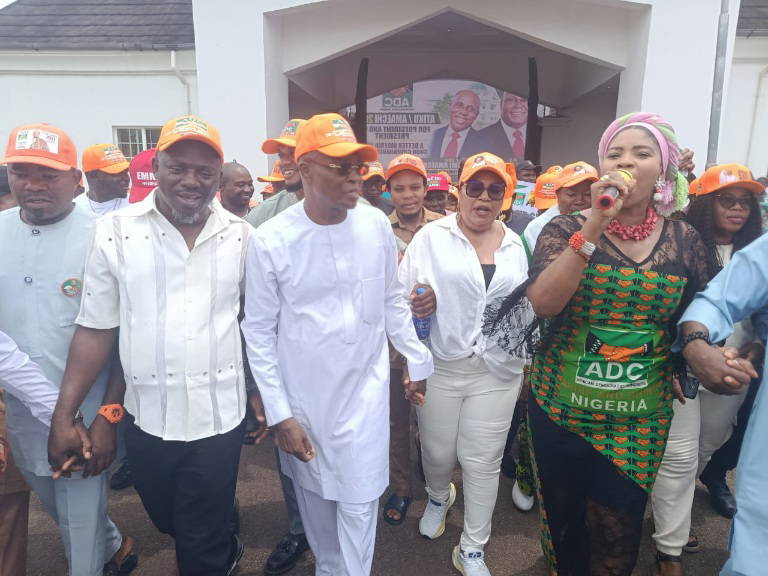
The Igueben Local Government Chairman allegedly led a team of gun-toting assailants in an attack on the entourage of Kenneth Imasuangbon and Edo Central ADC Senatorial candidate Hon. Herbeta Okonofua on Tuesday.
According to a statement by ADC State Publicity Secretary Chris Ojeikere, the attackers opened fire at the premises of the Enogie of Igueben, fatally shooting Jerry Oliha, a young man from ADC Ward 6. Oliha was rushed to Irrua Specialist Hospital, where doctors are fighting to save his life.

Jerry Oliha ward six Ebelle I given local government area. He’s a widower with five children
The shooting marks the third attack on the same entourage in a single day. Earlier incidents were reported at Ward 4 and Ward 5 of the local government area.
Ojeikere described the assault as the climax of a series of violent attacks on ADC members and infrastructure, linking them to threats allegedly made by Jarrett Tenebe.
Similar coordinated attacks, he said, had earlier been reported in Etsako East, Owan West, and Owan East, each purportedly directed by the respective local government chairmen.
Bullet casings recovered from the scene have been handed over to the police and the Enogie. Canopies, chairs, and musical instruments valued at millions of naira were destroyed at the palace premises.
The Divisional Police Officer of Igueben Local Government Area has been informed and is involved in the investigation. ADC said it would release a comprehensive report on the incidents shortly.
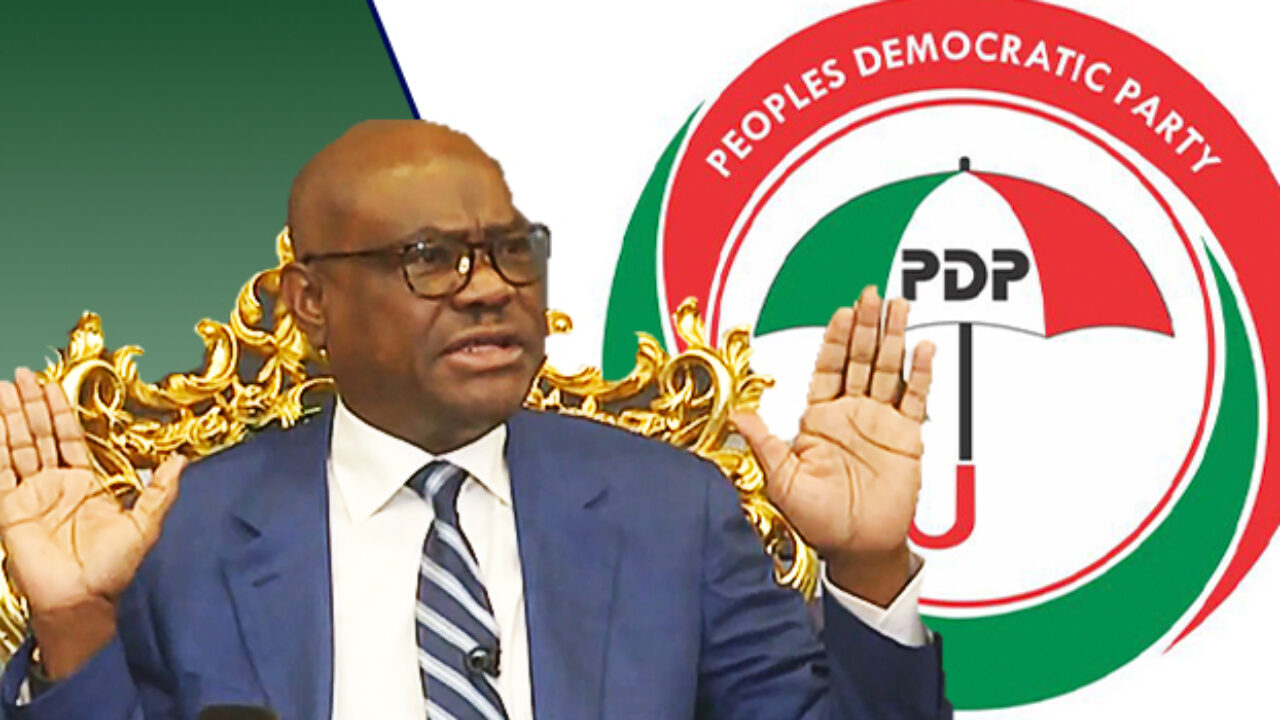
The minister of the Federal Capital Territory, Nyesom Wike,says that he thinks about President Bola Tinubu’s re-election in January 2027 every time he sleeps.
Wike shared his emotions during a town hall meetings with the Rumueme and Apara kingdoms in Obio-Akpor Local Government Area of Rivers State, on Monday.
“Each day I sleep, I am thinking about the president’s re-election. When I am eating, I think about the president’s re-election. Everything I am doing now is about the president’s re-election,” Wike said.
The former Rivers State governor said he was committed to ensuring Tinubu secured a second term in office and urged residents of the state to vote massively for the president in the 2027 election.
“Let us forget sentiment and vote for the person who has recognised the people of Rivers State with dividends of democracy and with several appointments.
“I know the re-election of Tinubu in 2027 will be easier than that of 2023. We should appreciate Tinubu and ensure he gets a massive number of votes. We can do it.” Said Wike.


Juhel CEO-Dr Ifeanyi Okoye, Becomes MAN President

Investors Rush For Airtel Money IPO on LSE

JUST IN: NNPC Clarifies Petrol Discount: Relief Initiative, Not Subsidy Restoration

Tech Expert, Zuckerberg trains with UFC champions, Adesanya, Alexander

Organ Trafficking: Ekweremadu bags 10 years in UK prison

SAINT OBI: Between his marriage and his death
-
 News2 days ago
Tears, Embraces as Rescued NYSC Members Reunite with Families in Ibadan
-
 News3 days ago
VON now broadcast in nine languages — DG
-

 Business2 days ago
Naira Exchange Rates Friday, October 9
-

 Business2 days ago
Manufacturers sitting on N40trn untapped opportunities, says report
-

 News2 days ago
Ahmadu Bello University Hikes Fees Across Programme
-
 Politics2 days ago
2027: INEC Displays Voter Register, Begins PVC Distribution Today
-

 Sports2 days ago
National Sports Commission Changes Secretaries
-
 News3 days ago
FG Plans National Strategic Fuel Reserve As Oil Price Bites