
Health
BREAKING: NCDC records 506 Lassa fever cases, 95 deaths

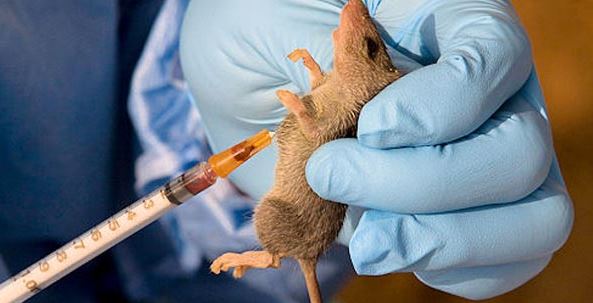
The Nigeria Centre for Disease Control and Prevention on Wednesday, confirmed 506 Lassa fever cases out of the 2,492 suspected cases of the disease, and 95 deaths as of February 23, 2025.
The situation report of the hemorrhagic fever for week eight also showed that the disease has spread to 12 states and 70 local government areas with a Case Fatality Ratio of 18.8 per cent.
The confirmed cases were reported in Ondo (160), Bauchi (122), Edo (88), Taraba (80), Ebonyi (15), Kogi (14), Gombe (11), Plateau (seven), Benue (five), Nasarawa (two), Delta (one), and Cross-River (one).
Lassa fever, a disease that spreads during the dry season in Nigeria, is an animal-borne or zoonotic, acute viral illness spread by the common African rat also known as the mastomys rat species.
In total for 2025, 12 States have recorded at least one confirmed case across 70 Local Government Areas.
73 per cent of all confirmed Lassa fever cases were reported from these threestates (Ondo, Bauchi and Edo) while 27 per cent were reported from nine states with confirmed Lassa fever cases.”
It noted that of the 73 per cent confirmed cases, Ondo reported 32 per cent, Bauchi 24 per cent, and Edo 17 per cent.
It revealed that the predominant age group affected is 21-30 years (Range: 1 to 94 years, Median Age: 30years), and the male-to-female ratio for confirmed cases is 1:0.8.
It said the number of suspected cases decreased compared to that reported for the same period in 2024.
“One new healthcare worker was affected in the reporting week eight.“
National Lassa fever multi-partner, multi-sectoral Incident Management System activated to coordinate the response activities at all levels,” it added.




Health
From South Africa to US, ‘Cicada’ COVID-19 variant spreading
According to the latest available data from the health authorities, this variant has been spotted in 23 countries and in wastewater from 25 US states.

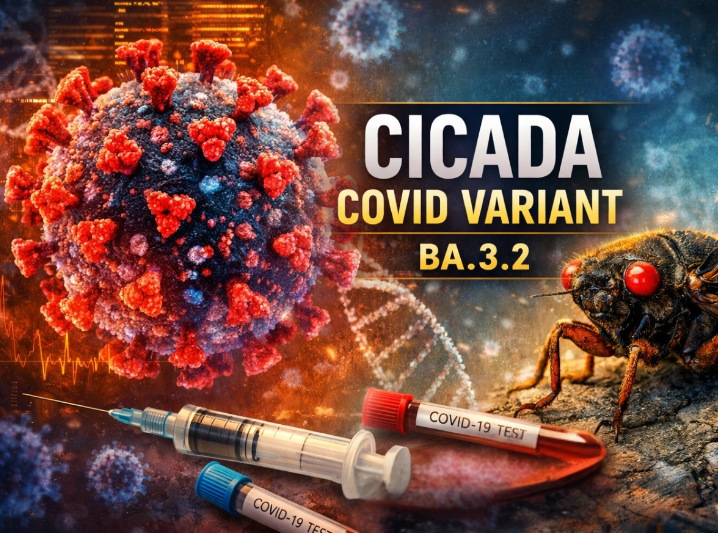
• New Cicada COVID variant detected across US states.
“Cicada” a nickname given to BA.3.2, a COVID-19 variant, is spreading around the world , according to the U.S. Centers for Disease Control and Prevention and the World Health Organization.
Like most other variants, the symptoms of the Cicada variant are the same as those of other COVID-19 variant infections.
According to the CDC, these includes:
Runny or stuffy nose, Fever, Headache, Fatigue, Sneezing, Sore throat,Cough, Muscle pain or body aches Vomiting, Diarrhea, and Changes to the sense of smell or taste.
According to the latest available data from the health authorities, this variant has been spotted in 23 countries and in wastewater from 25 US states.
In November 2024, BA.3.2 popped up in a nose swab of a 5-year-old boy in South Africa, and it looked very different than its parent virus.
It was first picked up in the US last summer, in a traveler from the Netherlands.
In January , the first clinical sample from a sick patient turned out to be BA.3.2.
It appears to be circulating in the US at low levels, although testing has been scaled back since the height of the pandemic, so it may be more widespread than currently known.
Health
Fire Razes Ebonyi Ministry of Health Section
” Different vaccines like BCG, penta, HPV vaccine etc that were all stored in that cold room were burnt”.
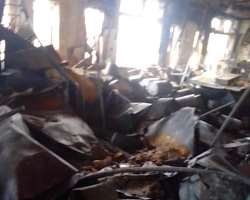
A section of the Ebonyi State Ministry of Health, weekend , was gutted by fire with property worth hundreds of millions of naira destroyed.
The inferno destroyed the cold store housing immunisation and solar units which contained vaccines, vaccine carriers, cold chain boxes, laptops, documents, five refrigerators, two solar refrigerators, 45 solar batteries, inverters, including hospitals beds and foams received from the National Primary Health Care Development Authority (NPHCDA), Abuja, for distribution to local government areas across the state, among others.
The State Commissioner for Health, Dr Moses Ekuma, lamented the disaster and thanked God that no life was lost. He thanked the Commissioner for Power and Energy, the fire service personnel, and the security men who alerted him on time for their prompt response, which made the fire not spread to other parts of the building.
He said, “Different vaccines like BCG, penta, HPV vaccine etc that were all stored in that cold room were burnt”.
Health
Health Workers Protest Against Regulatory Bill
They maintain that all health professions have their regulatory bodies, and that the new bill was seeking to make other health professionals second-class to medical doctors.

Health workers under the Joint Health Sector Unions and the Assembly of Healthcare Professional Associations are protesting against the proposed health sector regulatory bill, which is before the National Assembly.
They said that if allowed to pass, the law would subject every medical profession to the regulation of the Medical and Dental Council of Nigeria.
They maintain that all health professions have their regulatory bodies, and that the new bill was seeking to make other health professionals second-class to medical doctors.
The protesters plan to also go to the National Assembly, where they hope to present their case to lawmakers.


INEC Dismisses Calls for Chairman’s Removal

Ebonyi: Gunmen Assasinate Another Traditional Ruler

From South Africa to US, ‘Cicada’ COVID-19 variant spreading

Tech Expert, Zuckerberg trains with UFC champions, Adesanya, Alexander

Organ Trafficking: Ekweremadu bags 10 years in UK prison

SAINT OBI: Between his marriage and his death
-

 Business2 days ago
33 Nigerian Banks Beat CBN’s Recapialisation with ₦4.65trn Combined Capital Base
-
 Politics2 days ago
BREAKING: INEC Withdraws Recognition of David Mark’s ADC
-

 Sports2 days ago
FirstBank Sponsors Samuel Okwaraji U-16 Football Championship 2026
-

 News2 days ago
JUST IN: Tinubu Heads to Jos Tomorrow, Postpones Ogun Trip for 5-State Visits
-

 Entertainment2 days ago
Super Eagles Iwobi to launch music album ‘More To Life’
-

 News2 days ago
Easter: FG declares Friday, Monday public holidays
-

 News3 days ago
JUST IN: El-Rufai Leaves State High Court for Federal High Court in Kaduna
-

 Business3 days ago
Afreximbank Leads $4bn Financing for Dangote Refinery with $2.5bn Commitment