
Business
Afreximbank disburses $50bn in Nigeria in 10 years
Over the last decade alone, total disbursements into Nigeria amounted to about 50 billion US dollars, spreading across vital sectors of energy, infrastructural, manufacturing, healthcare, transport and financial services.

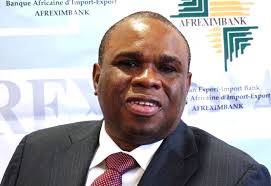
The Africa Export-Import Bank (Afreximbank) has disbursed $50 billion for the execution of various projects in Nigeria in the last 19 years
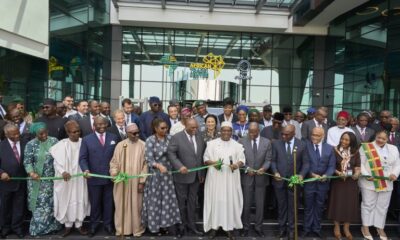
The President of the bank, Prof. Benedict Oramah, made this known at the commissioning of the Afreximbank Africa Trade Centre, AATC, in Abuja, where he also reaffirmed the Bank’s vision to dismantle trade barriers and promote African market integration.
“Over the last decade alone, total disbursements into Nigeria amounted to about 50 billion US dollars, spreading across vital sectors of energy, infrastructural, manufacturing, healthcare, transport and financial services.
“Our support to the Nigerian financial services industry, amounting to 19 billion US dollars in the last decade, has helped to deepen and expand the sector and elevated their impact on the local economy,” he stated
Source: Sweetcrudereports


The Malindi Environment and Land Court has declined to issue orders stopping the launch and construction of the planned KSh 2 trillion Dangote Oil Refinery in Lamu County.
In a ruling made public on Monday, 28 September 2026, the court instead directed both parties to maintain the status quo on the disputed land in the Hindi/Manda Magogoni area until the matter is heard on 14 October 2026.
The case was brought by 133 residents of Chandavai. They claim the land is their ancestral heritage, where their families have lived and farmed for generations. The residents say they do not oppose development but want their land rights recognised before the project proceeds.
The court ordered the government and other respondents to file their responses within 14 days. The application is scheduled for hearing on 14 October 2026.
The groundbreaking ceremony for the refinery is expected to go ahead as planned on Wednesday, 30 September 2026. While the court has not halted the ceremony at this stage, the status quo order means activities on the disputed site may be restricted pending the October hearing.
Business
Oil Rises As US Rejects Iran Proposal
Iran said it is waiting for a definitive US response to its seven-day proposal to reopen the strait and other demands, adding that it will not ease its conditions after Trump rejected Tehran’s latest plan.

Brent crude climbed above $106 per barrel on Monday, recovering losses from the previous session after President Donald Trump rejected Iran’s latest proposal to reopen the Strait of Hormuz, raising concerns that the restoration of oil flows through the critical waterway could face further delays.
Trump also said Tehran had overplayed its hand and expects negotiations to resume this week.
Meanwhile, Iran said it is waiting for a definitive US response to its seven-day proposal to reopen the strait and other demands, adding that it will not ease its conditions after Trump rejected Tehran’s latest plan.
Elsewhere in the Middle East, tensions remain high as Saudi Arabia intercepted Houthi drones heading toward Riyadh, along with a missile targeting Khamis Mushait in the south.
Alerts were also issued in Abha and Jazan, where Aramco operates energy facilities.
In the US, Trump is considering a ban on diesel exports as part of efforts to address elevated fuel prices.
Business
NGX Debuts Invest WhatsApp Channel
The channel provides investors with an additional, convenient way to participate in public offers.
Nigerian Exchange Group (NGX Group) has expanded access to its NGX Invest platform with the launch of a WhatsApp subscription channel.
The channel provides investors with an additional, convenient way to participate in public offers.
Investors can begin the subscription process by sending “Invest” to NGX Invest on WhatsApp at +234 812 731 9521.
They can then follow the prompts to view eligible offers and complete the required subscription steps without downloading a separate application.
As part of the process, investors will select a stockbroker through whom their application will be processed, ensuring that brokers remain an integral part of the investment journey.
(VANGUARD)


UPDATE: Malindi Court Declines to Halt Dangote Refinery Launch in Lamu

JUST IN: Tinubu Departs Paris for Nigeria After Extended Vacation

National Assembly Plans to Translate Laws into Igbo, Hausa, Yoruba

Tech Expert, Zuckerberg trains with UFC champions, Adesanya, Alexander

Organ Trafficking: Ekweremadu bags 10 years in UK prison

SAINT OBI: Between his marriage and his death
-
 Business2 days ago
SEC Highlights Focus of National Capital Market Conference 2026
-
 Business2 days ago
NGX Debuts Invest WhatsApp Channel
-

 Sports2 days ago
Flamingos win WAFU B U-17 women’s tournament
-

 Business2 days ago
Naira To Dollar, Pound, Euro …Today, September 28
-

 News2 days ago
JUST IN: Fire Engulfs Lagos Customs Command Office
-

 Business2 days ago
Ghana Moves to Cut Domestic Airfares as Ticket Prices Stay High
-

 News2 days ago
Nigeria is 66, Thursday October 1
-

 Entertainment2 days ago
Madonna and Taylor Swift win big at the MTV VMAs