
News
FG to introduce new strategies to reform school feeding programme


Yetunde Adeniji, a senior special assistant to President Bola Tinubu on the school feeding programme, has said that the federal government is implementing new strategies to ensure the success and sustainability of the School Feeding Programme, as part of the reform ordered by the president.
Addressing participants at a two-day Strategic Stakeholders Meeting on “the Road Map to the Future Implementation of School Feeding Programme in Nigeria,” Adeniji stated that the current administration has assessed the initial commitments and national plans for the School Feeding Programme and identified areas for improvement.
Adeniji emphasized the importance of stakeholders embracing the government’s innovations and measures aimed at enhancing the programme’s implementation.
He said: “As we gather here, it is crucial to acknowledge the importance of school feeding programmes in Africa. These initiatives have a significant impact on the educational, nutritional, and overall development of children across the continent. However, Implementing and sustaining these programs can be quite challenging due to financial constraints and resource limitations.
“That is why this meeting is of utmost importance. We have brought together stakeholders from various sectors, including governments, private businesses, non-profit organizations, and financial institutions.
“It is through our collective efforts and collaboration that we can find innovative solutions to address the funding gaps, leverage investments, and ensure the sustainability and scalability of school feeding programs in Africa.
“Today, we are here to explore the potential of Public-Private Partnerships as a viable solution to provide a unique opportunity for governments, private entities, and other stakeholders to come together, pool resources, and create sustainable funding models for school feeding programs. By combining the strengths and expertise of different sectors, can achieve far greater impact and change lives for the better.
“Throughout this meeting, we will have the privilege of hearing from esteemed speakers who all share their experiences, Insights, and success stories in PPPs and innovative finning we will discuss the challenges faced, lessons learned, and the way forward for sustainable investments in school feeding programs.
“Together, we aim to chart a clear path towards securing financial support, ensuring accountability, and improving the quality and reach of these vital programs across Africa.”
He also said there was a need to find practical solutions that would tie off millions of children in Africa, ensuring they receive the nutrition they need to thrive and providing them with a strong foundation for their future.
Development Programme Manager at the World Bank Country Office, Nigeria, Olatunde Adekola spoke of the need to embrace knowledge sharing on the programme with stakeholders from other countries and pledged the support of the World Bank to the success of the programme.
Adekola called on the federal and state governments to develop an accountability framework for the programme to earn the trust and support of all stakeholders in both public and private sectors to work towards achieving enduring impacts of the school feeding programme in the country.
The Deputy President of the Association of Private Schools Owners in Nigeria (APSON), Mrs Maryam Magaji appreciated President Tinubu for including private schools in the implementation of the School Feeding Programme.
The two-day stakeholders’ strategic meeting was organised by the Office of the Senior Special Assistant to the president on the school feeding programme to create an opportunity for all stakeholders to brainstorm for the success of the programme.






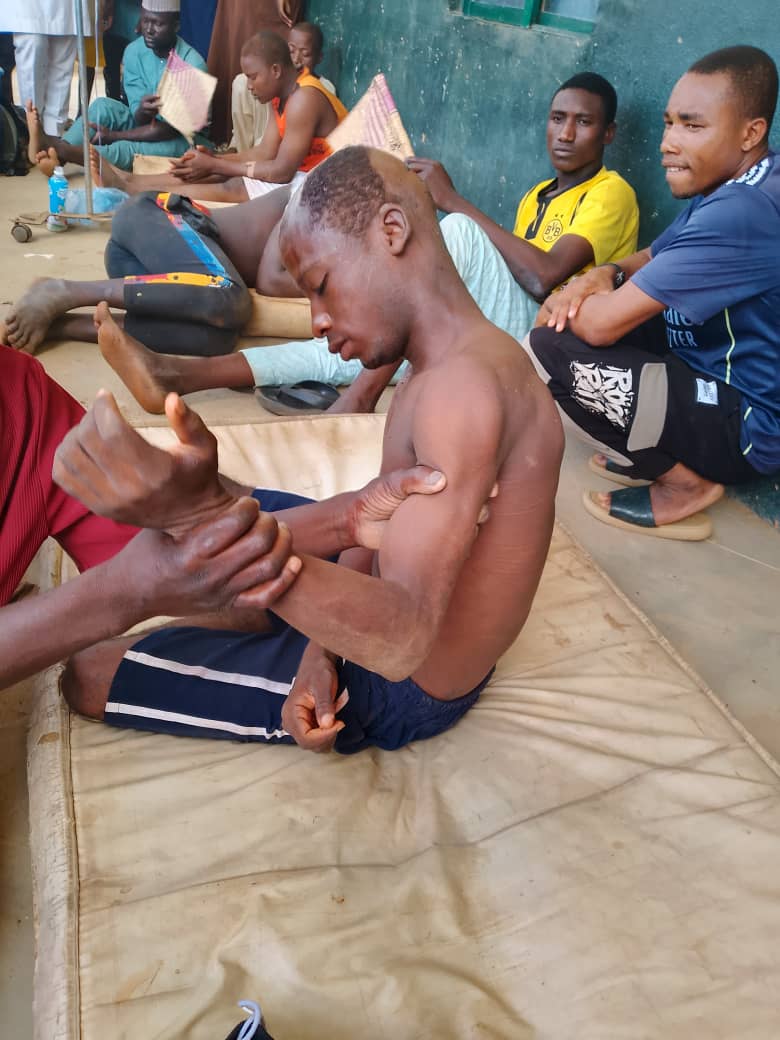
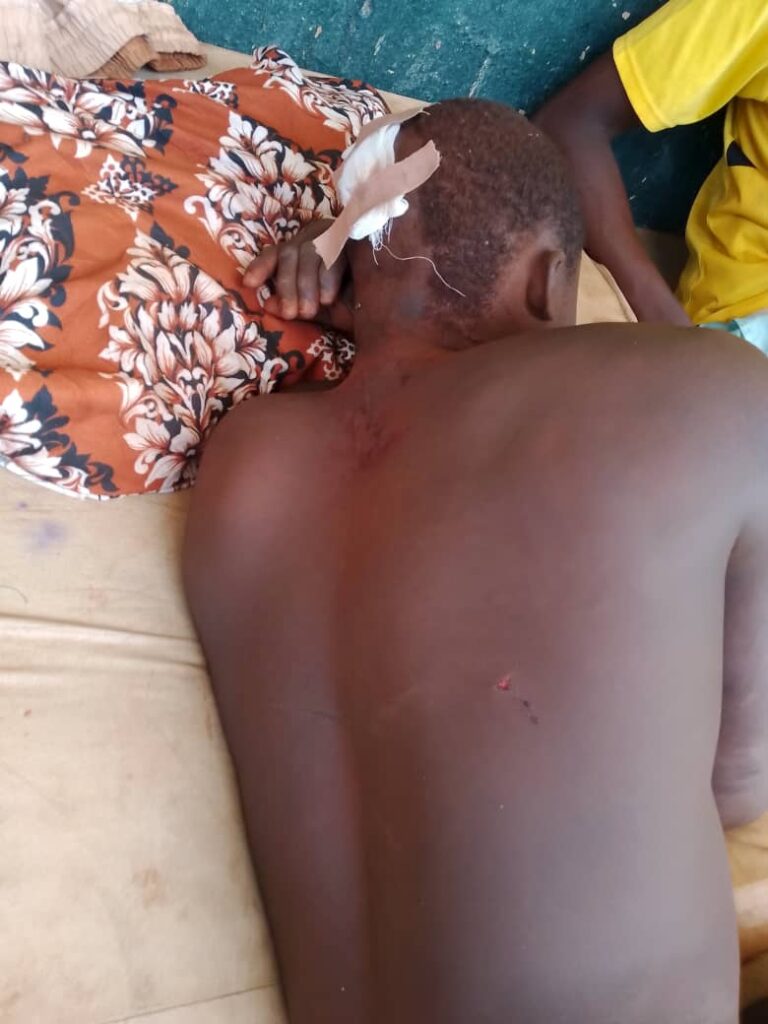
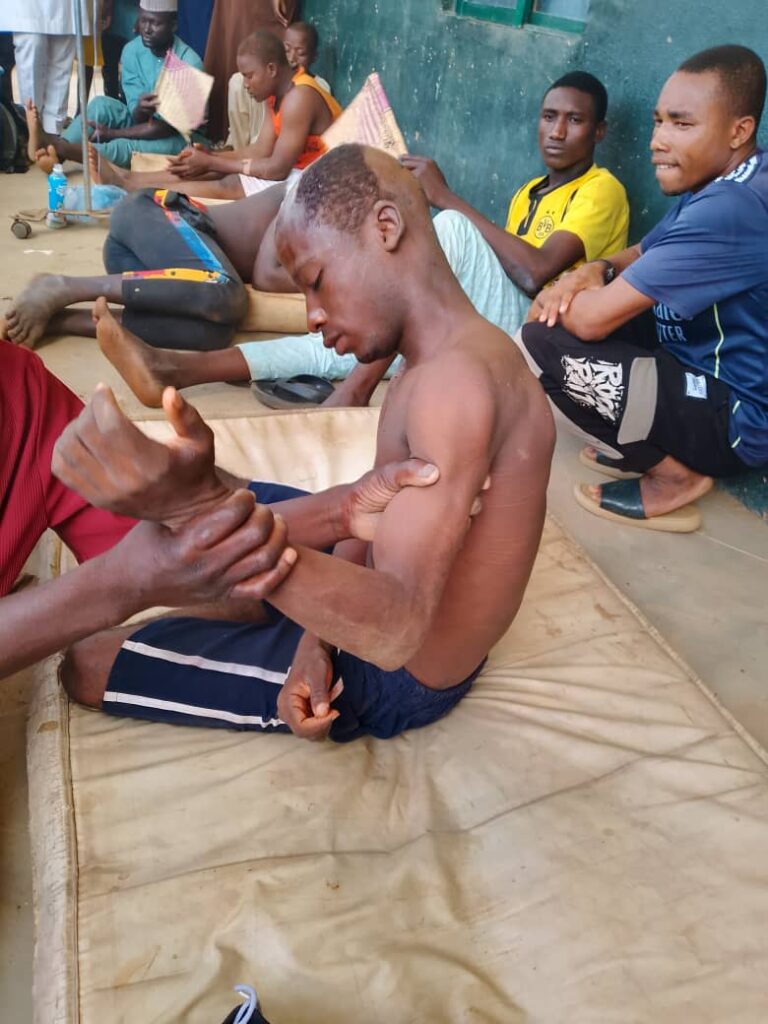
An Improvised Explosive Device (IED) exploded on the Anka-Bagega road on Tuesday, killing one person and injuring seven others.
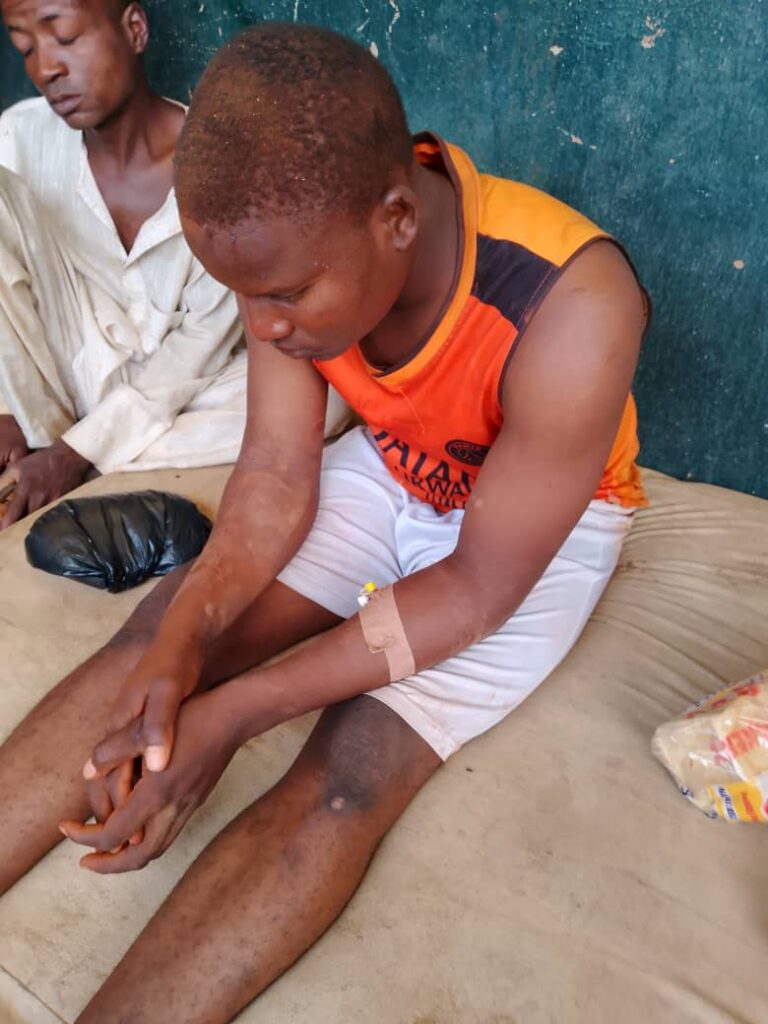
The blast struck a commercial Volkswagen Golf 3 Wagon carrying passengers travelling from Bagega village to Anka town. One passenger died on the spot, while the seven injured victims are receiving treatment at a primary healthcare facility in Bagega.

The explosion also caused significant damage to the vehicle, sparking fresh security concerns among commuters using the route.
This incident comes barely a month after a similar IED explosion occurred along the same road.
Zamfara State Commissioner of Police, Ahmad Bello, confirmed the attack. He said joint security forces have been deployed to assess the situation, clear the affected area, and restore normalcy on the route.
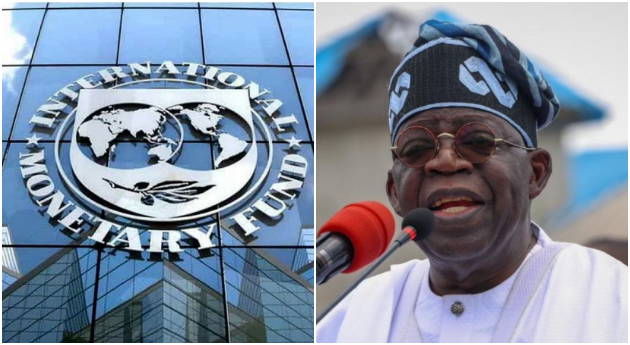
The Federal Government has welcomed the International Monetary Fund’s (IMF) 2026 Article IV Mission Concluding Statement, describing it as an independent validation of the success of President Bola Ahmed Tinubu’s economic reform programme.
In a statement, the government noted the IMF’s overall positive assessment, saying the Fund’s observations confirm that the bold reforms implemented over the past three years are strengthening macroeconomic stability, restoring investor confidence, and laying a solid foundation for sustainable and inclusive growth.
The IMF highlighted several key achievements, including improved functioning of the foreign exchange market, stronger external buffers, ongoing fiscal and revenue reforms, and resilience in the banking sector. These developments, the government said, have enhanced Nigeria’s ability to withstand external shocks compared to recent years.
Particular emphasis was placed on the impact of major policy decisions such as the removal of fuel subsidies, the end of deficit monetisation, the liberalisation of the foreign exchange market, and strengthened fiscal discipline. According to the statement, these measures have significantly reduced economic vulnerabilities and rebuilt confidence.
Despite new global challenges arising from the Middle East conflict — including higher energy and food prices, tighter financial conditions, and supply chain disruptions — the IMF acknowledged Nigeria’s notable resilience. The parallel market premium has remained below five percent, sovereign spreads have stayed broadly stable, and investor confidence has been preserved.
The Fund also noted that Nigeria is well positioned to benefit from elevated energy prices through increased export earnings, improved fiscal revenues, and higher foreign exchange inflows. The government said it will focus on translating these opportunities into lasting gains by ramping up crude oil production, expanding domestic refining capacity, boosting gas production and exports, and attracting fresh investments across the energy sector.
Addressing Poverty and Food Insecurity
The government acknowledged the IMF’s observation that poverty and food insecurity remain pressing challenges. While per capita income grew by nearly 10 percent in 2025, indicating a marked reduction in poverty levels, authorities stressed that macroeconomic stability alone is not enough.
To ensure inclusive growth, the government is strengthening social protection programmes, including direct cash transfers to vulnerable households, support for small businesses, student loans through NELFUND, consumer credit schemes, and healthcare investments.
In the agricultural sector, efforts are being scaled up through the Renewed Hope National Agricultural Mechanisation Programme and other initiatives aimed at boosting productivity, expanding irrigation, improving access to inputs and financing, and strengthening food security.
The government also welcomed the IMF’s recognition of progress in domestic revenue mobilisation and public financial management. It pledged to continue implementing new tax laws, digitising revenue collection, and improving transparency and accountability. Steps are already being taken to enhance fiscal data integrity and meet the highest international standards in economic and fiscal statistics.
Positive Medium-Term Outlook
The IMF projects continued economic growth above four percent over the medium term, alongside improving external reserves, rising investment, and stronger fiscal revenues. Public debt has declined as a percentage of GDP, while reserve buffers have strengthened significantly. These positive developments complement recent sovereign credit rating upgrades by international agencies.
The Federal Government reaffirmed its commitment to maintaining macroeconomic stability, accelerating inclusive growth, deepening structural reforms, improving the investment climate, expanding infrastructure, and enhancing human capital development and job creation.
“While challenges remain, the direction is clear and the foundations are stronger,” the statement said. “The ultimate objective of these reforms is not merely improved economic indicators, but better outcomes for all Nigerians — lower inflation, decent jobs, higher incomes, greater economic opportunity, and a better quality of life.
News
Nigerian labour leader dies while attending Geneva conference
A member of the Nigeria Civil Service Union (NCSU), Adeleke served as Chairman of the Lagos State Joint Negotiating Council, where he was involved in labour-related advocacy and workers’ welfare initiatives.

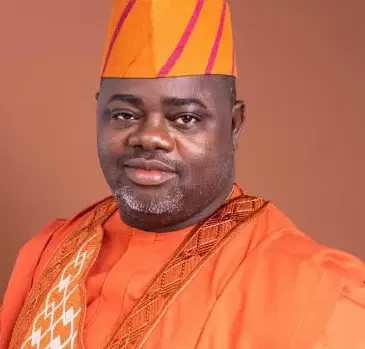
•Michael Adeleke
A Nigerian labour leader Domingo Michael Adeleke died today in Geneva, Switzerland, while attending the 114th Session of the International Labour Conference (ILC).
The Nigeria Labour Congress (NLC), confirmed the development this morning in a statement, saying that Adeleke was the Chairman of the Lagos State Joint Negotiating Council (JNC) of the union.
According to the statement, Adeleke was in Switzerland as part of Nigeria’s delegation to the conference when he reportedly became ill and was later taken for medical attention. He subsequently passed away.
A member of the Nigeria Civil Service Union (NCSU), Adeleke served as Chairman of the Lagos State Joint Negotiating Council, where he was involved in labour-related advocacy and workers’ welfare initiatives.


JUST IN: IED Explosion Kills One, Injures Seven on Anka-Bagega Road in Zamfara ( Photos)

FG Welcomes Positive IMF Assessment of Nigeria’s Economy, Vows to Sustain Reform Momentum

Tony Elumelu’s United Capital Secures approval to operate in Ethiopia

Tech Expert, Zuckerberg trains with UFC champions, Adesanya, Alexander

Organ Trafficking: Ekweremadu bags 10 years in UK prison

SAINT OBI: Between his marriage and his death
-

 News2 days ago
Court Voids ₦110bn N’Assembly Vehicles, Allowances
-
 Business2 days ago
Senate’s approval of Sugar – Sweetened Beverages Tax Bill, Shocking, says CPPE, Lobbying Reps for rejection
-
 News2 days ago
FG Clears Five-Month Allowance Arrears for University Lecturers
-

 News2 days ago
Lagos Begins 500-Tree Campaign to Tackle Extreme Heat
-
 News2 days ago
Court Declares National Assembly’s N110bn SUV and Allowance Schemes Unlawful
-

 Politics2 days ago
NDC Declares Party Supremacy, Approves Code of Conduct Committee
-

 Politics1 day ago
2027: Lagos APC picks Damilola as Hamzat ‘s Deputy Governor
-

 Entertainment2 days ago
Nigerian-British Singer Talay Riley Dies in London Stabbing, Others Mourn